Obstetricia y Ginecología en Turquía — Costos 2026

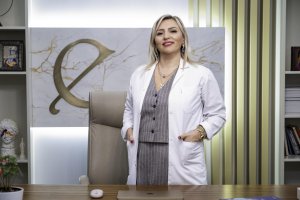
Revisado médicamente por
Esra Cabuk Comert
¿Cuál es el precio de procedimientos de Obstetricia y Ginecología en Turquía? Descubra ahora
Los costos de obstetricia y ginecología en Turquía suelen oscilar entre $4,100 y $9,700. Los precios finales dependen del procedimiento específico, la duración de la estancia hospitalaria y el nivel de acreditación internacional de la clínica. Los pacientes que viajan desde el extranjero generalmente pueden esperar ahorros del 70% en comparación con los precios de tratamientos idénticos en los EE. UU.
Costos típicos de obstetricia y ginecología en Turquía
- Consulta con un ginecólogo: $170 – $260
- Chequeo femenino: Precio a consultar
- Ecografía: $120 – $200
- Parto: $2,100 – $3,100
- Himenoplastia (restauración del himen): Precio a consultar
- Histerectomía (extirpación del útero): $3,500 – $9,100
- Miomectomía (extirpación de fibromas uterinos): $3,400 – $6,900
- Seguimiento del embarazo: Precio a consultar
- Extirpación de quistes ováricos: Precio a consultar
- Embolización de arterias uterinas: Precio a consultar
Los principales centros médicos se concentran en Estambul, Ankara, Antalya e Esmirna. Si bien Estambul y Ankara albergan la mayor cantidad de instalaciones acreditadas por la JCI, las clínicas en Esmirna a menudo ofrecen tarifas altamente competitivas para pacientes internacionales. Consulte con un especialista para obtener precios precisos para sus necesidades médicas específicas.
Todas las enfermedades de Obstetricia y Ginecología
Sus beneficios y garantías con Bookimed
Precios directos
Bookimed no añade cargos extra a los precios de los tratamientos de Obstetricia y Ginecología. Las tarifas proceden de las listas de precios oficiales de las clínicas. Pagará directamente en la clínica por su tratamiento a su llegada al país.
Sólo clínicas y médicos verificados
Bookimed está comprometido con su seguridad. Solo trabajamos con las clínicas que mantienen altos estándares internacionales en el tratamiento de Obstetricia y Ginecología y tienen las licencias necesarias para atender a pacientes internacionales en todo el mundo.
Asistencia 24/7 gratuita
Bookimed ofrece asistencia experta gratuita. Un coordinador médico personal le apoya antes, durante y después del tratamiento, resolviendo cualquier problema. Nunca estará solo en su viaje médico de procedimientos de Obstetricia y Ginecología.

Su coordinador médico personal de Bookimed
- Le apoya en cada etapa
- Ayuda a elegir la clínica y el médico adecuados
- Asegura un acceso rápido y conveniente a la información
Descubra las mejores clínicas de Obstetricia y Ginecología en Turquía: 161 opciones verificadas y Precios















Hospital Lokman Hekim de Estambul (Lokman Hekim Istanbul Hospital)



Los mejores centros médicos de Obstetricia y Ginecología en Turquía
- Hospital Hisar Intercontinental, Turquía
- Memorial Sisli Hospital, Turquía
- Memorial Bahçelievler Hospital, Turquía
- Memorial Antalya Hospital, Turquía
- Medical Park Antalya Hospital Complex, Turquía
- Centro médico Anadolu, Turquía
- Florence Nightingale Hospital, Turquía
- Clínica de la Dra. Esra Cabuk Comert, Turquía
- Hospital Lokman Hekim de Estambul (Lokman Hekim Istanbul Hospital), Turquía
- Medical Park Göztepe Hospital Complex, Turquía
Obtenga una evaluación médica de Obstetricia y Ginecología en Turquía: haga una consulta con 184 médicos experimentados ahora
Ver todos los médicos
Esra Cabuk Comert
La Dra. Comert, principal formadora de Turquía para aplicaciones de rellenos vaginales Neuvia, se especializa en ginecología cosmética avanzada y tratamientos de FIV.
- Más de 15 años de experiencia en obstetricia y ginecología
- Realiza cirugías laparoscópicas e histeroscópicas mínimamente invasivas
- Fundadora y especialista principal en su clínica privada
- Capacita a médicos en técnicas de ginecología cosmética
- Activa en el turismo de salud internacional para tratamientos ginecológicos

Esra Ozbasli
Más de 1.100 procedimientos realizados – La Profesora Asociada Dra. Esra Ozbasli se especializa en cirugía ginecológica robótica y mínimamente invasiva en su clínica de Estambul.
- Gineco-obstetra certificada con más de 20 años de experiencia
- Cirujana de consola del sistema da Vinci certificada desde 2013
- Profesora asociada que formó a otros especialistas en ginecología y obstetricia
- Investigaciones publicadas en revistas internacionales indexadas en PubMed
- Fluidez en inglés para la atención de pacientes internacionales

Omer Faruk Oge
El médico tiene una amplia experiencia en oftalmología, especializándose en tratamientos y cirugías para estrabismo, estética ocular, ambliopía, cataratas y enfermedades de la retina. Además, el médico es competente en salud ocular pediátrica y realiza exámenes oculares generales completos.<\/p>
Graduado de la Facultad de Medicina de Estambul, el médico completó su especialización en el Hospital de Entrenamiento e Investigación Ocular de Beyoğlu. El médico es miembro de la Asociac

Tayfun Kutlu
El Dr. Tayfun Kutlu es endocrinólogo reproductivo con más de 24 años de experiencia. Está especializado en fertilización in vitro, ablación endometrial por microondas y tratamientos avanzados de infertilidad. Posee certificaciones en Métodos de Reproducción Asistida y Cirugía Laparoscópica, lo que demuestra su compromiso con la medicina reproductiva moderna.
El Dr. Kutlu ha realizado importantes aportes al campo mediante investigaciones y publicaciones revisadas por pares. Es reconoci
Reseñas
Todas las reseñas






Artículos relacionados
Ver más
TOP 10 сlínicas de FIV en el mundo: ranking de pacientes de Bookimed
Escrito por Ana Hurevska

Métodos no quirúrgicos de tratamiento de fibromas uterinos
Escrito por Veronika Kazina

¿Cuál es el costo del tratamiento de los fibromas uterinos?
Escrito por Veronika Kazina

Síntomas de los fibromas uterinos
Escrito por Veronika Kazina

Pruebas de diagnóstico para los fibromas uterinos
Escrito por Veronika Kazina
Compartir contenido
Historias en video de pacientes de Bookimed
 Olena Sikoza
Preguntas frecuentes sobre Obstetricia y Ginecología en Turquía
¿Es seguro someterse a una cirugía ginecológica en Turquía?
La cirugía ginecológica en Turquía es segura cuando se realiza en instalaciones acreditadas por la JCI por especialistas certificados. Hospitales líderes como el Memorial Şişli Hospital y el Anadolu Medical Center siguen protocolos de seguridad internacionales. Estos centros utilizan tecnologías avanzadas como los sistemas robóticos da Vinci XI y técnicas laparoscópicas para reducir los tiempos de recuperación.
- Estándares de acreditación: Turquía alberga más de 30 instalaciones acreditadas por la JCI, lo que garantiza una higiene rigurosa y la seguridad del paciente.
- Experiencia del cirujano: Cirujanos como el Dr. Alper Karalok en el Liv Hospital Ulus tienen más de 15 años de experiencia.
- Tecnología avanzada: Las clínicas utilizan MRgFUS y cirugía robótica para fibromas uterinos y casos oncológicos complejos.
- Monitoreo de la recuperación: Las estancias típicas incluyen 3 días en el hospital y 1–2 semanas para la recuperación total.
Perspectiva del experto de Bookimed: Nuestros datos muestran que las clínicas mejor calificadas, como el Hospital Istanbul Florence Nightingale, mantienen un alto volumen de pacientes, atendiendo a más de 300,000 personas anualmente. Estos centros de alta capacidad a menudo ofrecen servicios integrados como laboratorios genómicos en el sitio. Esta infraestructura permite a los cirujanos realizar cirugías comp
¿Por qué Turquía es un destino popular para la atención ginecológica y obstétrica?
Turquía destaca en la atención ginecológica y obstétrica al combinar estándares quirúrgicos acreditados por la JCI con un modelo médico dirigido por especialistas. Las pacientes acceden a cirugía asistida por robot avanzada y tratamientos de FIV de alta tasa de éxito sin listas de espera. Los principales hospitales de Estambul y Ankara brindan atención integral, incluyendo diagnósticos como ecografía 4D y PET/CT.
- Atención dirigida por especialistas: Ginecólogos dedicados gestionan todo el proceso del embarazo, incluidas todas las ecografías.
- Tecnología avanzada: Centros como el Hospital Istanbul Florence Nightingale utilizan resonancia magnética de 3 Teslas asistida por IA.
- Experiencia quirúrgica: Cirujanos como el Prof. Dr. Cihat Sen cuentan con 45 años de experiencia en perinatología.
- Acceso rápido: Las pacientes a menudo reservan procedimientos complejos como miomectomía o histerectomía en cuestión de días.
Perspectiva del experto de Bookimed: Los datos muestran que los centros de alto volumen como el Hisar Hospital Intercontinental, que atiende a más de 250,000 pacientes al año, ofrecen ventajas logísticas significativas. Estas clínicas integran laboratorios de diagnóstico en el sitio y departamentos internacionales. Esta configuración permite a las pacientes completar los exámenes preoperatorios y la cirugía el mismo día, minimizan
¿Qué tipos de cirugías ginecológicas se realizan comúnmente para pacientes internacionales?
Los pacientes internacionales en Turquía se someten comúnmente a histerectomías laparoscópicas, miomectomías para la extirpación de fibromas y cistectomías ováricas. Los centros especializados también realizan escisiones avanzadas de endometriosis y cirugías estéticas genitales. Estos procedimientos utilizan técnicas mínimamente invasivas como la histeroscopia y la cirugía robótica para garantizar una recuperación más rápida y cicatrices mínimas.
- Histerectomía: Se realiza para adenomiosis o tumores utilizando métodos laparoscópicos o asistidos por robot.
- Miomectomía: Elimina los fibromas uterinos preservando el útero para la fertilidad futura.
- Cirugía de endometriosis: Incluye escisión o ablación especializada para casos de estadio 4 y quistes.
- Estética genital: Los procedimientos populares incluyen labioplastia, vaginoplastia y cirugía funcional de restauración del himen.
- Procedimientos de fertilidad: Alta demanda de FIV, rejuvenecimiento ovárico (PRP) y diagnóstico genético preimplantacional.
Perspectiva del experto de Bookimed: Los datos muestran una tendencia en la que los pacientes eligen Turquía para cirugías de preservación de órganos. Mientras que los médicos del Reino Unido o la UE pueden sugerir una histerectomía para fibromas grandes, los profesores turcos a menudo se especializan en miomectomías com
¿Cómo se manejan los embarazos de alto riesgo en las clínicas turcas?
Los embarazos de alto riesgo en Turquía son gestionados por perinatólogos utilizando un modelo dirigido por especialistas. Estos expertos en medicina materno-fetal se encargan de las pruebas de detección temprana, ecografías 4D y diagnósticos invasivos como la amniocentesis. Los hospitales brindan acceso inmediato a unidades de cuidados intensivos neonatales (UCIN) y equipos multidisciplinarios para casos complejos.
- Experiencia especializada: Perinatólogos como el Dr. Cihat Sen manejan condiciones fetales y maternas complejas.
- Frecuencia de monitoreo: Los casos de alto riesgo a menudo requieren escaneos cada 1 a 2 semanas por seguridad.
- Diagnóstico avanzado: Las clínicas utilizan ecografía 4D y ecocardiografía fetal para detectar anomalías de manera temprana.
- Atención terciaria: Instalaciones como el Hospital Istanbul Florence Nightingale ofrecen UCIN avanzadas para recién nacidos.
Perspectiva del experto de Bookimed: Los datos muestran que las clínicas con altos volúmenes internacionales, como el Hospital Hisar Intercontinental con más de 250,000 pacientes anuales, a menudo brindan la atención multidisciplinaria más fluida. Estos centros integran endocrinólogos y cardiólogos en el plan de embarazo de inmediato. Esta eficiencia estructural es vital para manejar eficazmente la diabetes gestacional o la preeclampsia.
Consen
¿Qué tratamientos de fertilidad están disponibles?
Los tratamientos de fertilidad en Turquía incluyen tecnologías de reproducción asistida avanzadas, intervenciones quirúrgicas y medicamentos. Los centros líderes ofrecen fecundación in vitro (FIV), inyección intracitoplasmática de espermatozoides (ICSI) y rejuvenecimiento ovárico. Los médicos especialistas proporcionan protocolos personalizados utilizando el diagnóstico genético preimplantacional (DGP) y cirugía robótica para mejorar los resultados de éxito en el embarazo.
- Reproducción asistida: La FIV y la ICSI gestionan la fertilización en laboratorios de embriología especializados en las propias instalaciones.
- Preservación de la fertilidad: Los servicios de criopreservación permiten la congelación a largo plazo de óvulos, espermatozoides o embriones.
- Corrección quirúrgica: La laparoscopia e histeroscopia mínimamente invasivas eliminan fibromas o reparan trompas de Falopio bloqueadas.
- Terapias avanzadas: El rejuvenecimiento ovárico con PRP y la terapia hormonal bioidéntica apoyan a pacientes con baja reserva ovárica.
Perspectiva del experto de Bookimed: Centros de gran volumen como el Hospital Memorial Şişli y el Hospital Hisar Intercontinental operan sus propios laboratorios de genética y embriología. Esta integración permite un cribado de embriones más rápido y una mayor precisión durante la ICSI. También reduce la necesidad de mens
¿Qué certificaciones garantizan a los pacientes internacionales la seguridad y las cualificaciones de los cirujanos obstetras y ginecólogos turcos?
Los pacientes internacionales están protegidos por certificaciones obligatorias del Ministerio de Salud de Turquía y rigurosas acreditaciones globales. Los cirujanos deben poseer un Certificado de Especialización y estar registrados en la Asociación Médica Turca (TTB). Centros como el Anadolu Medical Center o el Hospital Memorial Şişli mantienen el estatus de seguridad de estándar de oro de la Joint Commission International (JCI).
- Seguridad institucional: La acreditación JCI garantiza que los hospitales cumplan con 1.200 estándares globales de atención clínica e higiene.
- Licencia de cirujano: Todos los especialistas deben poseer un diploma del Ministerio de Salud y un registro activo en la TTB.
- Juntas internacionales: Los mejores expertos suelen poseer certificaciones de la European Board of Obstetrics and Gynaecology (EBOG).
- Supervisión gubernamental: Las clínicas legales deben poseer un Certificado de Autorización de Turismo de Salud Internacional para la protección del paciente.
Perspectiva del experto de Bookimed: Nuestros datos muestran una fuerte correlación entre las instalaciones acreditadas por la JCI y las altas tasas de éxito en cirugías complejas. Por ejemplo, el Hospital Memorial Şişli fue el primero en Turquía en obtener el estatus JCI. Este rigor institucional apoya a especialistas como la Prof. Semra Kahraman en procedim
¿Hablan inglés los equipos médicos?
Los equipos médicos turcos en los principales hospitales privados tienen un alto dominio del inglés. La mayoría de los cirujanos principales en centros acreditados por la JCI, como el Anadolu Medical Center y el Memorial Şişli Hospital, hablan inglés con fluidez. Estos centros atienden específicamente a pacientes internacionales. Se proporcionan intérpretes profesionales para ayudar con la comunicación con el personal administrativo y de apoyo.
- Competencia de los médicos: Muchos especialistas, incluido el Dr. Özgür Ağlamış, poseen certificaciones y membresías internacionales.
- Apoyo lingüístico: Clínicas como el Anadolu Medical Center proporcionan coordinadores personales e intérpretes dedicados.
- Estándares hospitalarios: Las instalaciones acreditadas por la JCI en Estambul priorizan al personal de habla inglesa para la seguridad del paciente.
- Servicios de apoyo: Los equipos multilingües del Memorial Şişli Hospital atienden a pacientes de más de 167 países.
Perspectiva del experto de Bookimed: Los datos muestran que los hospitales con más de 250.000 pacientes anuales suelen tener los departamentos de traducción más sólidos. Instalaciones como el Hisar Hospital Intercontinental o el Istanbul Florence Nightingale Hospital integran a los intérpretes directamente en el flujo de trabajo clínico. Esto garantiza que, incluso si una enfermera de
¿Cuáles son los principales riesgos médicos y efectos secundarios a largo plazo asociados con la laparoscopia ginecológica o los procedimientos histeroscópicos realizados en Turquía?
La laparoscopia y la histeroscopia ginecológica en Turquía son generalmente seguras, con tasas de complicaciones de entre el 0,69 % y el 6,22 %. Los principales riesgos incluyen perforación uterina, lesiones de órganos y desequilibrio de líquidos. Los efectos secundarios a largo plazo pueden implicar adherencias o cicatrices intrauterinas. Los hospitales acreditados por la JCI en Estambul mitigan estos riesgos con tecnología avanzada.
- Riesgos intraoperatorios: La perforación uterina ocurre en el 0,8–1,5 % de los casos de histeroscopia, lo que puede dañar órganos cercanos.
- Complicaciones laparoscópicas: Existen riesgos menores de lesiones intestinales (0,36 %) o vesicales (0,7 %) durante la inserción del trocar.
- Efectos a largo plazo: Las adherencias abdominales pueden causar dolor pélvico crónico u obstrucciones intestinales raras años después.
- Seguridad vascular: La lesión de vasos sanguíneos importantes es rara y ocurre solo en el 0,04–0,5 % de los procedimientos laparoscópicos.
- Control de infecciones: Los centros acreditados por la JCI, como el Anadolu Medical Center, utilizan técnicas asépticas modernas para prevenir la peritonitis.
Perspectiva del experto de Bookimed: Nuestros datos muestran una correlación entre el volumen quirúrgico y la velocidad de recuperación. Clínicas como el Hospital Istanbul Flore
¿Cuánto tiempo debo planificar mi estancia en Turquía para el tratamiento?
Las pacientes deben planificar una estancia de 7 a 21 días en Turquía para tratamientos ginecológicos. Los procedimientos menores como la histeroscopia requieren de 3 a 5 días. Las cirugías complejas, incluyendo miomectomía o histerectomía, generalmente requieren de 10 a 14 días. Estos plazos aseguran un diagnóstico preoperatorio adecuado y una vigilancia postquirúrgica segura.
- Fase de diagnóstico: Reserve de 3 a 7 días para consultas, ecografías y análisis de sangre especializados.
- Recuperación quirúrgica: Planifique de 7 a 10 días para la extirpación de fibromas o la extirpación del útero.
- Tratamientos de fertilidad: Programe de 10 a 14 días para el seguimiento, la recuperación de óvulos y la transferencia de embriones.
- Casos avanzados: Reserve hasta 21 días para casos complejos de endometriosis o cirugías laparoscópicas asistidas por robot.
Perspectiva del experto de Bookimed: Los datos de centros de alto volumen como el Anadolu Medical Center y el Memorial Şişli Hospital muestran una tendencia hacia un alta más rápida. Las pacientes que se someten a cirugía robótica a menudo abandonan el hospital en 48 horas. Sin embargo, aquellas que se alojan en hoteles cercanos durante 4 días adicionales informan de chequeos finales más fluidos antes de volar. Las clínicas con gran volumen de pacientes suelen incluir estas estancias locales en pa