Rehabilitación de accidentes cerebrovasculares en Corea del Sur: clínicas verificadas para su tratamiento


Revisado médicamente por
Fahad Mawlood
¿Cuál es el precio del diagnóstico y los tratamientos de Rehabilitación de accidentes cerebrovasculares en Corea del Sur? Descubra ahora
El costo del tratamiento de rehabilitación tras un accidente cerebrovascular en la República de Corea generalmente oscila entre Precio a consultar y Precio a consultar para programas de recuperación estructurados. De $55. Los gastos totales dependen de la gravedad del accidente cerebrovascular, la duración de la terapia y el uso de robótica avanzada. Los pacientes suelen ahorrar entre un 40 y un 60% en comparación con los costos médicos en EE. UU. Seúl, Incheon y Bundang son las ciudades líderes para la recuperación.
Costos típicos del tratamiento de rehabilitación tras un accidente cerebrovascular en la República de Corea
- Consulta con un neurólogo: de $55
- Rehabilitación integral: Precio a consultar
- Rehabilitación para pacientes hospitalizados: Precio a consultar
- Rehabilitación con sistema Vector Gait: de $1,600
- Rehabilitación con Lokomat: $1,800 – $3,800
- Rehabilitación con exoesqueleto: $2,500 – $5,200
- Terapia Bobath: Precio a consultar
- Fisioterapia: de $200
Perspectiva de los expertos de Bookimed: Los pacientes post-ictus que requieren una recuperación motora de alta intensidad se benefician más de los centros médicos digitalizados. El Hospital Universitario Nacional de Seúl en Bundang (SNUBH) es el primer hospital 100% digital de Corea. Utiliza el sistema BESTcare para coordinar datos neurológicos complejos y obtener mejores resultados para los pacientes. Instalaciones como el SNUBH son ideales para residentes internacionales que buscan rehabilitación asistida por IA y apoyo de telemedicina durante las fases de recuperación a largo plazo.
| Corea del Sur | España | Turquía | |
|---|---|---|---|
| Terapia ocupacional con el ratón de ordenador Head | ≈ $650 | ≈ $750 | ≈ $450 |
| Terapia de caricias | ≈ $180 | ≈ $380 | de $150 |
| Rehabilitación con traje espacial TheraSuit | ≈ $3,800 | ≈ $2,800 | ≈ $1,500 |
| Rehabilitación con sistema Re-step | ≈ $6,500 | ≈ $6,500 | ≈ $3,800 |
| Rehabilitación con Vector Gait System | de $1,600 | ≈ $3,800 | de $1,300 |
Sus beneficios y garantías con Bookimed
Precios directos
Bookimed no añade cargos extra a los precios de los tratamientos de Rehabilitación de accidentes cerebrovasculares. Las tarifas proceden de las listas de precios oficiales de las clínicas. Pagará directamente en la clínica por su tratamiento a su llegada al país.
Sólo clínicas y médicos verificados
Bookimed está comprometido con su seguridad. Solo trabajamos con las clínicas que mantienen altos estándares internacionales en el tratamiento de Rehabilitación de accidentes cerebrovasculares y cuentan con las licencias necesarias para atender a pacientes internacionales en todo el mundo.
Asistencia 24/7 gratuita
Bookimed ofrece asistencia experta gratuita. Un coordinador médico personal le apoya antes, durante y después de su tratamiento, resolviendo cualquier problema. Nunca estará solo en su viaje médico de tratamiento de Rehabilitación de accidentes cerebrovasculares.

Su coordinador médico personal de Bookimed
- Le apoya en cada etapa
- Ayuda a elegir la clínica y el médico adecuados
- Asegura un acceso rápido y conveniente a la información
Descubra las mejores clínicas de tratamiento de Rehabilitación de accidentes cerebrovasculares en Corea del Sur: 2 opciones verificadas y Precios



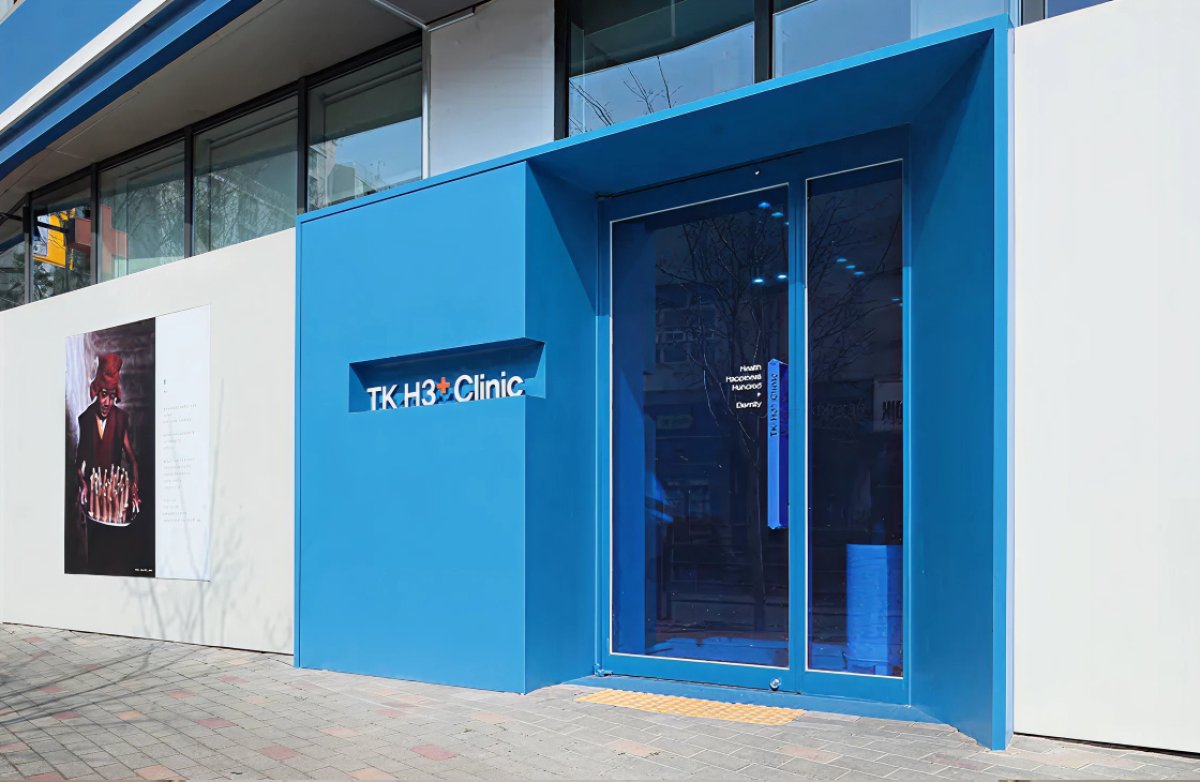
Bundang TK Hospital
Compartir contenido
Historias en video de pacientes de Bookimed
 Olena Sikoza
Preguntas frecuentes sobre el tratamiento de Rehabilitación de accidentes cerebrovasculares en Corea del Sur
¿Por qué los pacientes viajan a Corea del Sur para la rehabilitación de accidentes cerebrovasculares?
Los pacientes eligen Corea del Sur para la rehabilitación de accidentes cerebrovasculares debido a la atención intensiva especializada y la tecnología robótica. Instalaciones como el Hospital Bundang de la Universidad Nacional de Seúl ofrecen programas estructurados. Estos sistemas utilizan dispositivos de exoesqueleto y sistemas Lokomat. Los pacientes se benefician de una intervención temprana y protocolos de recuperación interprofesionales.
- Asistencia robótica: Las clínicas utilizan los sistemas Vector Gait y Lokomat para la movilidad al caminar.
- Terapia intensiva: Los programas incluyen terapia Bobath y sesiones de fisioterapia hospitalaria de alta frecuencia.
- Integración digital: Los principales hospitales utilizan sistemas de seguimiento digital para evitar errores médicos.
- Calidad acreditada: Los principales centros cuentan con la Acreditación Global de Salud y clasificaciones de Newsweek.
Perspectiva del experto de Bookimed: Corea del Sur destaca en la continuidad de la atención dentro de megacomplejos individuales. El Hospital Bundang de la Universidad Nacional de Seúl gestiona 1.500.000 pacientes al año con 43 departamentos especializados. Este volumen permite a los pacientes realizar la transición desde las imágenes agudas a la rehabilitación intensiva sin salir de las instalaciones. La escala de estos centros garantiza que pe
¿Qué terapias de rehabilitación avanzadas están disponibles para pacientes con accidente cerebrovascular en Corea del Sur?
La rehabilitación de accidentes cerebrovasculares en Corea del Sur utiliza terapia asistida por robots y protocolos avanzados de neuroplasticidad en instalaciones acreditadas por la JCI. Los centros especializados priorizan la recuperación hospitalaria intensiva mediante entrenamiento de la marcha con Lokomat y sistemas de exoesqueleto ReWalk. Estas tecnologías proporcionan movimientos precisos y repetitivos esenciales para la restauración sensoriomotora funcional y la mejora del equilibrio.
- Entrenamiento de la marcha robótico: Los sistemas Lokomat y Vector Gait proporcionan práctica de caminata orientada a tareas.
- Sistemas de exoesqueleto: Los dispositivos ReWalk ayudan a los pacientes con déficits motores graves a ponerse de pie.
- Estimulación neuromuscular: Las terapias eléctricas se dirigen a la activación muscular para el pie caído y la debilidad local.
- Terapia Bobath: Fisioterapia especializada enfocada en normalizar el tono y los patrones de movimiento funcional.
Perspectiva del experto de Bookimed: Corea del Sur se clasifica entre los 10 mejores destinos mundiales para atención médica compleja. Instalaciones como el Hospital Bundang de la Universidad Nacional de Seúl tratan a 1.500.000 pacientes anualmente utilizando tecnología hospitalaria digital. Este gran volumen permite a las clínicas mantener equipos de rehabilitación de ac
¿Cuánto tiempo permanecen los pacientes típicamente para una rehabilitación integral de accidente cerebrovascular en Corea del Sur?
Los pacientes permanecen típicamente de 22 a 28 días en salas de rehabilitación coreanas especializadas para una recuperación intensiva. Los casos graves que requieren neurorrehabilitación integral pueden extenderse hasta 150 días. El tratamiento a menudo comienza dentro de las 48 horas para maximizar la ventana crítica de recuperación de 3 meses.
- Fase aguda: Los pacientes se trasladan a unidades de rehabilitación especializadas entre el día 16 y el día 23.
- Duración intensiva: Las estancias medianas en unidades de rehabilitación dedicadas promedian alrededor de 28 días.
- Estancia máxima: Las salas especializadas permiten hasta 150 días para una recuperación hospitalaria integral.
- Política de extensión: Es posible una extensión de 30 días adicionales si los pacientes muestran un progreso cognitivo continuo.
Perspectiva del experto de Bookimed: Corea del Sur es líder en tecnología de rehabilitación con el 81% de la atención brindada en entornos hospitalarios. Clínicas como el Hospital Universitario Nacional de Seúl Bundang utilizan sistemas digitales para rastrear el progreso diario. Esta estructura intensiva asegura que los pacientes reciban más horas de terapia por día que en muchos países occidentales.
Consenso del paciente: Los pacientes señalan que las estancias dependen de alcanzar hitos de seguridad como cami
¿Cómo alojan y apoyan los hospitales coreanos a los pacientes internacionales de rehabilitación de accidentes cerebrovasculares?
Los hospitales universitarios coreanos apoyan a los pacientes internacionales de accidentes cerebrovasculares a través de departamentos especializados que proporcionan coordinadores de habla inglesa y gestión logística. Instalaciones como el Hospital Bundang de la Universidad Nacional de Seúl utilizan sistemas robóticos avanzados y la plataforma digital BESTcare para garantizar la seguridad del tratamiento en entornos acreditados por JCI para pacientes globales.
- Intensidad de terapia diaria: Los pacientes a menudo reciben hasta 4 horas de sesiones de rehabilitación estructuradas diariamente.
- Herramientas robóticas avanzadas: La terapia incorpora sistemas Lokomat y Vector Gait para la recuperación de la función motora.
- Apoyo lingüístico: Los mostradores internacionales dedicados brindan servicios de interpretación para necesidades administrativas y de facturación.
- Seguridad acreditada: Los mejores centros cuentan con clasificaciones en los «World’s Best Hospital» de Newsweek y certificaciones GHA.
Opinión de expertos de Bookimed: Aunque los grandes centros como el Hospital Bundang de la Universidad Nacional de Seúl tratan a más de 1.500.000 pacientes al año, su intensidad de rehabilitación está excepcionalmente reglamentada. Los pacientes deben elegir un centro donde la oficina internacional coordine específicamente con el personal de te
¿Se acepta mi seguro médico extranjero para la rehabilitación de accidentes cerebrovasculares en Corea del Sur?
Los hospitales de Corea del Sur normalmente no aceptan seguros médicos extranjeros para el pago directo durante la rehabilitación de un accidente cerebrovascular. Por lo general, los pacientes pagan los costos médicos por adelantado en el centro. Posteriormente, usted presenta las facturas detalladas a su proveedor para obtener el reembolso. La facturación directa es poco común en los servicios de recuperación a largo plazo.
- Protocolo de pago: La mayoría de los centros requieren el pago por adelantado de las sesiones de terapia hospitalaria y ambulatoria.
- Inscripción en NHIS: Los residentes que permanezcan más de 6 meses deben inscribirse en el Seguro Nacional de Salud (National Health Insurance).
- Preautorización: Las aseguradoras a menudo requieren una prueba escrita de necesidad médica antes de comenzar una terapia especializada para el accidente cerebrovascular.
- Documentación: Los registros detallados en inglés son esenciales para lograr el reembolso de solicitudes de rehabilitación complejas.
Opinión de expertos de Bookimed: Las grandes instituciones, como el Hospital Bundang de la Universidad Nacional de Seúl, atienden a más de 1.500.000 pacientes al año. Estos grandes centros utilizan IA avanzada y el sistema BESTcare para el seguimiento digital. Este gran volumen significa que su administración está familiarizada con la rigurosa