Tratamiento de La esclerosis lateral amiotrófica en España — obtenga 3 coincidencias personalizadas de clínicas


Revisado médicamente por
Fahad Mawlood
Cómo funciona
¿Cuál es el precio del diagnóstico y los tratamientos de La esclerosis lateral amiotrófica en España? Descubra ahora
| España | Turquía | México | |
|---|---|---|---|
| Terapia con células madre pluripotentes inducidas | ≈ $9,000 | ≈ $6,500 | de $5,000 |
| Terapia con células madre para la ELA (esclerosis lateral amiotrófica) | ≈ $9,000 | de $10,000 | ≈ $14,000 |
| Terapia con células madre | de $33,600 | de $1,600 | de $2,000 |
| Plasmaféresis | de $12,300 | de $3,200 | de $2,600 |
Descubra las mejores clínicas de tratamiento de La esclerosis lateral amiotrófica en España: 7 opciones verificadas y Precios
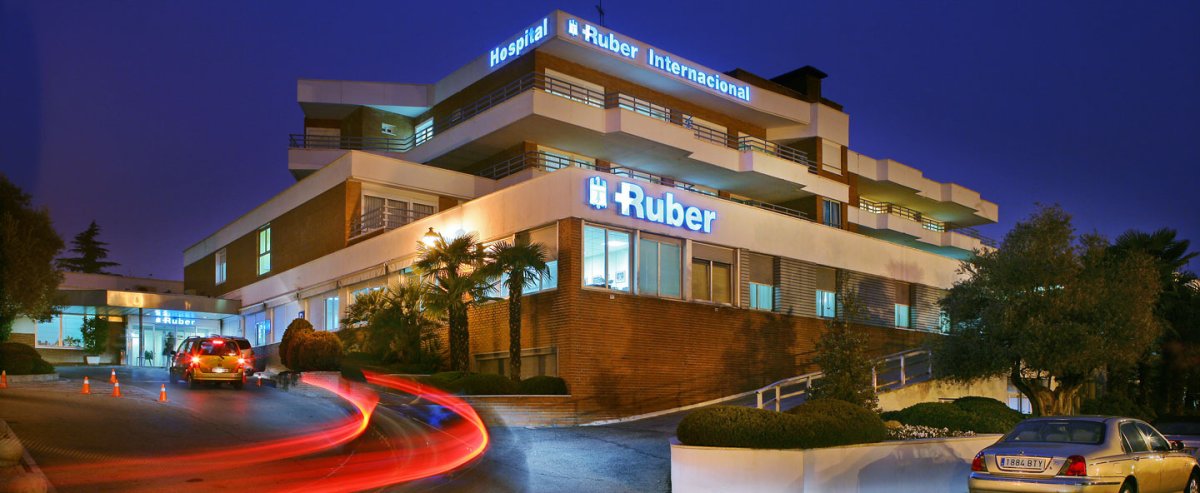








Hospital Sant Joan de Déu Barcelona







Obtenga una evaluación médica de tratamiento de La esclerosis lateral amiotrófica en España: haga una consulta con 7 médicos experimentados ahora
Ver todos los médicos
Evgeniy Blum
Fundador de la SOMATODINÁMICA, un enfoque revolucionario para el estudio de la fisiología humana y la rehabilitación. El Dr. Blum combina una profunda investigación científica con aplicaciones clínicas prácticas.
- Más de _doctor_2066_años_ de experiencia en investigación de rehabilitación clínica
- Inventor distinguido de Rusia con 62 patentes internacionales
- Jefe de departamento en la Universidad de la Amistad de los Pueblos de Rusia
- Ha formado a más de 5.847 especialistas médicos
- Fundador del Instituto de Investigación de Rehabilitación Clínica

Anna Pujol
La Dra. Anna Pujol cuenta con 37 años de experiencia en el tratamiento de la ELA y ha realizado más de 900 tratamientos neurológicos en el Centro Médico Teknon.
- Especialista en enfermedades de la motoneurona, incluida la ELA
- Participa en proyectos de investigación internacionales sobre la ELA
- Miembro de la Academia Americana de Neurología
- Profesora de Neurología con amplia experiencia docente

Erika María Torres San Narciso
Jefe de la Unidad de Neurociencias Avanzadas en Quirónsalud, especializado en trastornos neurodegenerativos como la ELA.
- Más de _doctor_9717_ años de experiencia en neurología, incluyendo roles de liderazgo
- Formación de posgrado especializada en trastornos del movimiento e investigación clínica
- Miembro de las Sociedades Española y Valenciana de Neurología
- Investigador con publicaciones sobre afecciones neurológicas y epilepsia

Jesus Romero Imbroda
El Dr. Romero Imbroda es académico de la Real Academia de Medicina de Andalucía Oriental y dirige la Unidad de Neurología en Quirónsalud Marbella, especializándose en enfermedades neuromusculares.
- Presidente de la Sociedad Andaluza de Neurología desde 2020
- Autor de publicaciones científicas nacionales e internacionales
- Fellow del European Board of Neurology
- Profesor en la Universidad de Granada
- Dirige la Unidad de Neurología en los hospitales Quirónsalud de Málaga y Marbella
Compartir contenido
Historias en video de pacientes de Bookimed
 Olena Sikoza
Preguntas frecuentes sobre el tratamiento de La esclerosis lateral amiotrófica en España
¿Cuáles son las opciones de tratamiento probadas para la ELA disponibles en España?
Los tratamientos probados para la esclerosis lateral amiotrófica en España combinan intervenciones farmacéuticas con atención multidisciplinaria especializada en centros acreditados por la JCI. Los protocolos estándar incluyen Riluzol para la prolongación de la vida y Qalsody para mutaciones SOD1. La atención de apoyo avanzada y los ensayos clínicos son accesibles a través de los principales departamentos de neurología en Madrid y Barcelona.
- Terapias farmacéuticas: El Riluzol es el fármaco estándar de primera línea disponible en el sistema nacional.
- Enfoque genético: Qalsody (Tofersen) ya está disponible para pacientes adultos con mutaciones SOD1.
- Unidades especializadas: Clínicas dedicadas en el Hospital Universitari de Bellvitge y el Hospital Carlos III coordinan la atención.
- Atención de apoyo: La ventilación no invasiva temprana y las sondas de gastrostomía (PEG) mantienen la salud respiratoria y nutricional.
Perspectiva de expertos de Bookimed: España ocupa el cuarto lugar a nivel mundial en solicitudes médicas en nuestra plataforma, lo que refleja una alta calidad y confianza. Si bien los centros públicos gestionan la atención a largo plazo, las instituciones privadas como el Hospital Ruber Internacional o Quironsalud Madrid a menudo brindan un acceso más rápido a segundas opiniones y diagnósticos complejos. Para los pacientes que
¿Qué cualificaciones y experiencia debo buscar en un especialista español en ELA?
Los especialistas españoles cualificados en ELA deben poseer la certificación de la junta en neurología con un enfoque específico en enfermedades neuromusculares. Busque credenciales como el Fellowship of the European Board of Neurology (FEBN). Los centros de alto volumen en Madrid y Barcelona ofrecen equipos multidisciplinares que incluyen neumólogos y terapeutas especializados.
- Credenciales académicas: Busque doctores en medicina con acreditación docente universitaria como ANECA.
- Investigación clínica: Priorice a los investigadores con más de 100 ensayos clínicos en trastornos neurodegenerativos.
- Atención multidisciplinar: Elija centros acreditados por la JCI que combinen neurología, neurocirugía y terapias avanzadas.
- Certificación europea: Verifique las membresías en la Sociedad Europea de Neurología para la alineación de protocolos.
Perspectiva del experto de Bookimed: La neurología española destaca en diagnósticos de `segunda opinión` debido a la integración académica transfronteriza. El Dr. Rafael Arroyo González en Quironsalud Madrid tiene más de 4.500 citas y ha dirigido 100 ensayos clínicos. Este alto volumen de investigación a menudo otorga a los pacientes un acceso más temprano a protocolos neurodegenerativos emergentes antes de que se conviertan en estándar en otros lugares. Los grandes centros como el Hospital Ruber Interna
¿Qué normas de seguridad, seguimiento de efectos secundarios y protocolos de emergencia se aplican a los pacientes con ELA que reciben medicación o infusiones en España?
Las clínicas españolas se adhieren a las normas de la Agencia Europea de Medicamentos (EMA) y a las regulaciones de la Agencia Española de Medicamentos y Productos Sanitarios (AEMPS). El tratamiento sigue las directrices de la Academia Europea de Neurología. Equipos especializados en centros acreditados por la Joint Commission International garantizan la seguridad. Los protocolos de emergencia incluyen carros de parada y las intervenciones del Consejo Europeo de Resucitación ante reacciones adversas.
- Organismo supervisor: La AEMPS regula todos los medicamentos para la ELA bajo las normas de dispositivos médicos de la Unión Europea.
- Seguridad en infusiones: Clínicas como el Centro Médico Teknon monitorizan las constantes vitales cada 15 a 30 minutos.
- Escala de seguimiento: Los especialistas utilizan las escalas de valoración funcional ALSFRS-R para realizar un seguimiento longitudinal de la respuesta física.
- Cribado obligatorio: Los protocolos exigen pruebas de enzimas hepáticas y controles de hipersensibilidad antes de cada ciclo de medicación.
Opinión de expertos de Bookimed: Los datos sobre el volumen de pacientes sugieren una ventaja en seguridad en centros importantes como el Hospital Universitario HM Madrid. Estos centros atienden a más de 2 millones de pacientes ambulatorios al año. Los centros de gran volumen suelen mantener una
¿Cuánto dura un ciclo de atención para la ELA en España para pacientes internacionales (desde la consulta hasta el plan de seguimiento)?
Un ciclo de atención para la ELA en España suele durar de 2 a 5 días para la confirmación diagnóstica y la planificación sintomática. Los ciclos multidisciplinarios avanzados, que incluyen terapia con células madre o rehabilitación intensiva, requieren de 13 a 21 días. Los planes de seguimiento generalmente se programan cada 3 a 6 meses para monitorear la progresión de la enfermedad.
- Fase diagnóstica: Las evaluaciones iniciales y el inicio de la medicación suelen concluir en un plazo de 2 a 5 días.
- Tratamiento avanzado: Los ciclos de terapia con células madre o rehabilitación intensiva duran de 13 a 21 días.
- Acceso a especialistas: Las instituciones privadas en Madrid y Barcelona reducen los largos tiempos de espera del sector público.
- Calendario de seguimiento: Los protocolos estándar recomiendan un control clínico cada 3 a 6 meses después del tratamiento.
Opinión de expertos de Bookimed: Si bien el diagnóstico básico es rápido, elegir centros con unidades de investigación integradas proporciona un valor adicional. Quironsalud Madrid ofrece a los pacientes elegibles acceso a ensayos clínicos para trastornos neurodegenerativos. Esto puede extender la estancia inicial, pero proporciona opciones terapéuticas no disponibles en los paquetes de atención sintomática estándar.
Consenso de los pacientes: Los pacientes se
¿Qué ciudades o centros son los más adecuados para pacientes con ELA de habla inglesa que buscan atención multidisciplinaria?
Barcelona y Madrid son los principales centros para pacientes con ELA de habla inglesa que buscan atención multidisciplinaria en España. Los principales centros acreditados por la JCI ofrecen acceso coordinado a neurólogos, neumólogos y fisioterapeutas. Estas instalaciones proporcionan diagnósticos avanzados y oportunidades de investigación para mejorar la calidad de vida.
- Equipos multidisciplinarios: Los especialistas coordinan las visitas para reducir las cargas de desplazamiento físico de los pacientes.
- Centros principales: Madrid y Barcelona albergan centros con certificaciones JCI e ISO.
- Investigación clínica: Quironsalud Madrid realiza estudios sobre trastornos neurodegenerativos y ofrece ensayos clínicos.
- Experiencia especializada: La Dra. Anna Pujol en Teknon se especializa en enfermedades neuromusculares complejas.
Perspectiva del experto de Bookimed: Las clínicas de Madrid como HM Hospitales manejan volúmenes masivos de pacientes, atendiendo a más de 2 millones de pacientes ambulatorios al año. Este alto tráfico a menudo lleva a que los departamentos especializados tengan más experiencia con progresiones neurodegenerativas raras. Para la ELA, elija Madrid por la experiencia respaldada por el volumen o Barcelona por centros como Teknon que priorizan la atención internacional personalizada de alto perfil.
Consenso
¿Qué servicios de apoyo en el país se organizan habitualmente para los pacientes con ELA que necesitan un seguimiento regular pero viven en el extranjero?
Los centros médicos españoles organizan apoyo especializado a través de unidades de neurología multidisciplinares y departamentos de pacientes internacionales. Los pacientes reciben atención coordinada a través de instalaciones acreditadas por la JCI. Estos servicios incluyen monitorización remota, traslados al aeropuerto y alojamiento en hoteles cercanos para garantizar transiciones de seguimiento sin problemas para los residentes que viven en el extranjero.
- Clínicas multidisciplinares: Centros como el Hospital Quirón Barcelona ofrecen un manejo integral de los síntomas.
- Seguimiento remoto: Las instalaciones ofrecen consultas en línea para monitorear la progresión de la enfermedad de forma remota.
- Apoyo logístico: Los departamentos internacionales organizan traslados al aeropuerto y estancias en hoteles especializados.
- Investigación clínica: Quironsalud Madrid ofrece acceso a ensayos para trastornos neurodegenerativos.
Opinión del experto de Bookimed: Los centros españoles como el Hospital Universitario HM Madrid utilizan grandes redes para cerrar la brecha entre el tratamiento intensivo y la atención domiciliaria. Sus altos volúmenes quirúrgicos y grupos de neurología especializados significan que a menudo tienen protocolos establecidos para traslados internacionales. Esta infraestructura es vital cuando los pacientes requieren soport