Ir a inicio

Cómo funciona

Hemos transformado el proceso de búsqueda de clínicas, haciéndolo simple, rápido y personalizado.
Responda algunas preguntasRealice un breve cuestionario para compartir sus objetivos de Instalación de puentes dentales.
Obtenga ofertas personalizadas3 clínicas seleccionadas especialmente según sus respuestas le proporcionan planes de tratamiento personalizados y presupuestos.
Elija la mejor opciónCompare ofertas y elija la clínica que más le convenga.
También puede consultar las 13 clínicas a continuación.
820К+ pacientes han recibido asistencia desde 2014
50 países
1,500 clínicas
6K+ reseñas
3K+ médicos calificados

¿Cuál es el precio de Instalación de puentes dentales en España? Descubra ahora

The cost of dental bridge installation in Spain typically ranges from $400 to $2,400. Pricing varies depending on the type of bridge (traditional, cantilever, Maryland, or implant-supported), the number of missing teeth, materials used (porcelain, zirconia, metal-ceramic), and the clinic’s location. In the United States, the average cost is $3,900 (per ADA). This means dental bridge installation in Spain is about 64% less than in the U.S.

Spanish clinics usually include the initial consultation, digital X-rays or 3D scans, tooth preparation, temporary bridge, the final custom bridge, and follow-up adjustments. In the U.S., the listed price often covers only the bridge itself, with separate charges for diagnostics, anesthesia, and aftercare. Always confirm exactly what’s included with each clinic before booking.

EspañaEstados UnidosMéxico
Instalación de puentes dentalesde $388de $2,800de $1,080
Puente unido con resinade $800de $2,500de $600
Puente dental para muelasde $1,000de $3,500de $1,000
Puente dental metálicode $1,000de $2,500de $800
Puente dental de zirconiode $1,800de $5,200de $1,800
Datos verificados por Bookimed a partir de July 2026, basados en solicitudes de pacientes y cotizaciones oficiales de 243 clínicas en todo el mundo. Los costos medianos se basan en facturas reales (2025–2026) y se actualizan mensualmente. Los precios reales pueden variar.

Descubra las mejores clínicas de Instalación de puentes dentales en España: 13 opciones verificadas y Precios

El ranking de clínicas de Bookimed se basa en algoritmos de data science, ofreciendo una comparación confiable, transparente y objetiva. Tiene en cuenta la demanda de pacientes, las puntuaciones de reseñas (positivas y negativas), la frecuencia de actualización de opciones de tratamiento y precios, la rapidez de respuesta y las certificaciones de las clínicas.
Clínica Dental Raíces
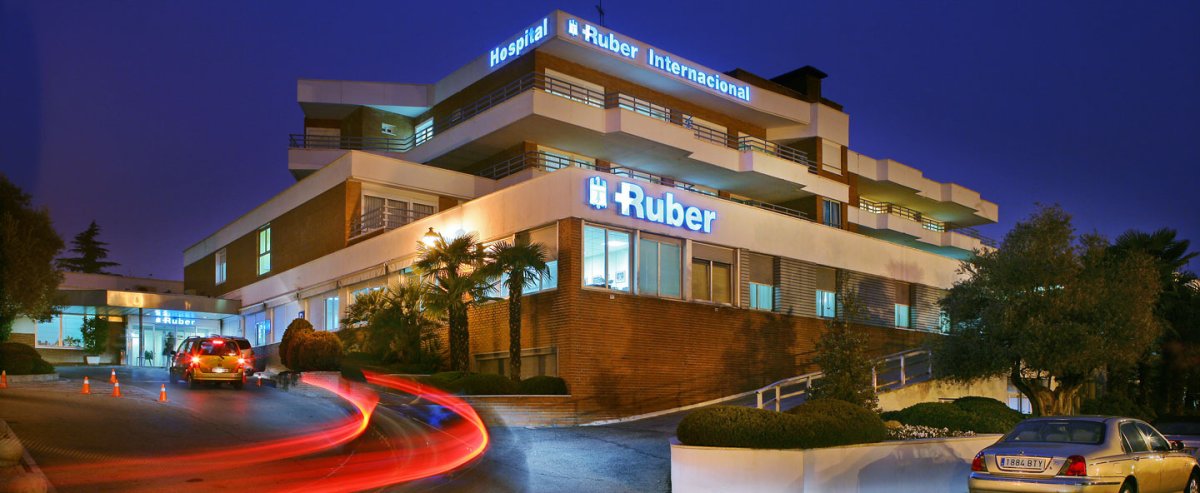
Hospital Ruber Internacional
4.5
Precio a consultar
Más información
Velez & Lozano
4.95 reseñas
Precio a consultar
Más información
Ha visto 5 de 13 clínicas

Descripción general de Instalación de puentes dentales en España

Conclusiones
Procedimientos relacionados y Precios
Cómo funciona
Qué debe esperar
Ventajas
Pago
pacientes lo recomiendan -
85%
Tiempo de la cirugía - 2 horas
Quedarse en el país - 5 días
Rehabilitación - 1 días
Anestesia - Anestesia local
Comisiones de Bookimed - $0

Obtenga una evaluación médica para Instalación de puentes dentales en España: Elija su especialista entre los mejores en el campo

Ver todos los médicos
verificado

Dr Alaa Ghuzlan

11 años de experiencia

La Dra. Alaa Ghuzlan es odontóloga con más de 10 años de experiencia. Ha tratado a miles de pacientes en varios países. Cuenta con una especialización en implantología dental de la Universidad de Barcelona. Continúa formándose para ofrecer tratamientos actualizados.

Su consulta utiliza radiología 2D y 3D y un escáner intraoral 3D. Estas herramientas mejoran la experiencia del paciente y agilizan los flujos de trabajo. También permiten ofrecer una atención más rápida.

Historias en video de pacientes de Bookimed

Igor
¡Fue genial! Traslados, alojamiento, tratamiento, todo incluido.
Procedimiento: Implante dental
Clínica: WestDent Clinic
David
¿Quién diría que arreglarse los dientes podría ser unas mini vacaciones?
Procedimiento: Instalación de un implante dental con corona
Pavel
Recomiendo los servicios de Bookimed a todos, me han hecho la vida mucho más fácil.
Procedimiento: Instalación de una corona de zirconio
Clínica: WestDent Clinic
Reseña anónima
Estados Unidos
28 feb 2020
Reseña verificada.
Contras de Skype. se fue

Compartir contenido

Actualizado: 02/28/2020
Escrito por
Olena Sikoza
Olena Sikoza
Сopywriter en español
Copywriter médica certificada responsable del contenido en español de Bookimed. Más de 7 años de experiencia en redacción sobre salud y turismo médico, con formación académica en edición científica y desarrollo de contenidos.
Fahad Mawlood
Editor médico y Científico de datos
Médico general. Ganador de 4 premios científicos. Sirvió en Asia Occidental. Es el ex jefe del equipo médico que soporta a pacientes de habla árabe. Ahora es responsable del procesamiento de datos y la precisión del contenido médico.
Fahad Mawlood Linkedin
Esta página puede incluir información relacionada con diversas afecciones médicas, tratamientos y servicios de salud disponibles en diferentes países. Tenga en cuenta que el contenido se proporciona sólo con fines informativos y no debe interpretarse como asesoramiento médico o orientación. Por favor consulte con su médico o con un profesional médico calificado antes de comenzar o cambiar el tratamiento médico.

Preguntas frecuentes sobre Instalación de puentes dentales en España

Estas preguntas frecuentes provienen de pacientes reales que buscan atención médica a través de Bookimed. Las respuestas son proporcionadas por coordinadores médicos experimentados y representantes autorizados de las clínicas.

Are dental bridges in Spain comparable in quality to those in the USA?

Dental bridges in Spain adhere to strict European Union medical standards. They offer identical quality to US dental care through advanced zirconia materials and digital CAD/CAM technology. Specialized clinics in Madrid and Barcelona utilize 3D scanners to ensure precision and long-term prosthetic durability.

  • Specialized expertise: Surgeons often hold PhDs and advanced certifications in implantology and biomaterials engineering.
  • Modern technology: Clinics utilize 3D intraoral scanners and digital workflows for accurate bridge fitment.
  • Premium materials: High-grade zirconia and monolithic prosthetics provide the same durability as US restorations.
  • Accreditation standards: Top-tier facilities maintain JCI or ISO 9001 certifications to ensure patient safety.

Bookimed Expert Insight: Spain's dental market is unique because lead clinicians often participate in active research. For example, some specialists hold patents in dental design or publish in scientific journals. This academic focus means patients receive treatment based on the latest biomaterial advancements rather than just standard commercial protocols.

Patient Consensus: Patients report that independent clinics often provide more consistent quality than large commercial chains. Many highlight that English-speaking staff and the 4+ year durability of their bridges make the experience seamless.

What are the different types of dental bridges available?

The four primary dental bridge types are traditional fixed, cantilever, Maryland, and implant-supported bridges. These restorations use porcelain, zirconia, or metal to bridge gaps, relying on either neighboring teeth or titanium posts for stability. Selection depends on bone density, adjacent tooth health, and aesthetic goals.

  • Traditional bridge: Consists of pontics held by crowns on two healthy neighboring teeth.
  • Cantilever bridge: Uses a single anchor tooth when only one side of the gap is available.
  • Maryland bridge: Features metal or porcelain wings bonded to back surfaces with minimal tooth grinding.
  • Implant-supported bridge: Utilizes dental implants instead of natural teeth to support the prosthetic span.

Bookimed Expert Insight: While zirconia is popular for its natural look, Spanish specialists often recommend Porcelain-Fused-to-Metal (PFM) for long-span bridges. PFM provides superior structural reliability for bridges exceeding 5 units. This reduces the risk of connector fractures common in all-ceramic restorations over large gaps.

Patient Consensus: Patients value Maryland bridges for preserving healthy enamel but note they may occasionally require re-bonding. Most agree that traditional bridges feel more stable, though they require permanent modification of adjacent teeth.

What should I expect during the dental bridge installation procedure?

Expect a multi-stage process involving anesthesia, abutment tooth preparation, and precise digital or physical modeling. Spanish clinics often complete this in two visits using a digital workflow to ensure a perfect fit for zirconia or porcelain restorations while providing a temporary bridge for protection.

  • Abutment preparation: Dentists reshape anchoring teeth under local anesthesia to support the bridge crowns.
  • 3D scanning: Clinics use digital scans or molds for custom, high-precision bridge fabrication.
  • Temporary bridge: A temporary device protects your shaped teeth while the permanent bridge is crafted.
  • Final cementation: The dentist checks occlusion and bonds the permanent bridge for functional stability.

Bookimed Expert Insight: Spain stands out for high-tech accessibility. Clinics like Hospital Ruber Internacional integrate JCI-standard safety with advanced digital workflows. While traditional bridges are common, Spanish specialists frequently offer Maryland or resin-bonded bridges as conservative, non-surgical alternatives that preserve more of your natural tooth structure.

Patient Consensus: Patients value the efficiency of Spanish dental services. Many report that digital scanning feels much more comfortable than traditional molds and appreciate the thorough bite adjustments made during the final fitting.

What materials are used for dental bridges?

Dental bridges are crafted from biocompatible materials like zirconia, porcelain-fused-to-metal, ceramic, and alumina to restore function and appearance. Modern Spanish clinics utilize CAD-CAM technology for high-precision fabrication. Material choice depends on the tooth location, aesthetic requirements, and the number of units being replaced.

  • Zirconia bridges: Highly durable material preferred for short-span bridges due to its natural, translucent appearance.
  • Porcelain-fused-to-metal (PFM): Features a strong metal base ideal for long-span bridges requiring additional flexibility.
  • Ceramic and alumina: All-ceramic options offer superior aesthetics specifically for front teeth and sensitive patients.
  • Milled titanium: A durable, non-aesthetic alternative used in specific cases where extreme structural strength is necessary.

Bookimed Expert Insight: Spanish clinics like Catar Dental often charge 64% less than US facilities for identical high-end materials. While zirconia is popular for its beauty, PFM remains the standard for spans over 5 units. This metal core prevents the rigid fractures sometimes seen in longer all-ceramic restorations.

Patient Consensus: Patients find that well-fitted zirconia bridges allow them to eat raw vegetables comfortably. Most advise ensuring connectors are thick enough to handle chewing pressure to prevent breakage.

How long does it take to get a dental bridge?

Installing a dental bridge in Spain typically takes 2 to 4 weeks to complete. The process requires 2 to 3 outpatient appointments to prepare the teeth, take digital impressions, and cement the final custom-made prosthetic for long-term functional restoration.

  • Initial consultation: The dentist reshapes abutment teeth and places a temporary protective bridge.
  • Laboratory fabrication: Custom bridge creation takes 14 to 28 days for precise fit.
  • Final fitting: The specialist removes the temporary and permanently cements the new bridge.
  • Procedure logistics: Most Spanish clinics operate as outpatient facilities requiring no hospital stay.

Bookimed Expert Insight: While basic bridges take 2 weeks, Choosing clinics like Clinica Dental Raices in Tenerife offers a speed advantage. They use 3D intraoral scanners which eliminate physical molds. This digital workflow often reduces lab waiting times and ensures a more accurate initial fit.

Patient Consensus: Patients emphasize confirming if you need a tooth-supported bridge or an implant-supported one. Implants require 6 to 12 months for healing, so bridges are far faster for immediate gap closure.

Where are the best dental clinics in Spain for bridge installation?

The best dental clinics for bridge installation in Spain are primarily located in Madrid, Barcelona, and Tenerife. Top-tier options include Hospital Ruber Internacional for hospital-grade safety and Clinica Dental Raices for specialized aesthetics. Prices average $400 to $2,400, providing 64% savings compared to United States costs.

  • Accreditation: Hospital Ruber Internacional holds Joint Commission International (JCI) and ISO 9001 certifications.
  • Technology: Clinics use 3D radiology and intraoral scanners for precise prosthetic fitment.
  • Prosthetic types: High-end materials include zirconia, porcelain, and monolithic full-arch prosthetics for durability.
  • Expertise: Leading specialists like Dr. Alaa Ghuzlan have specialized training from the University of Barcelona.

Bookimed Expert Insight: Patients seeking complex bridgework should prioritize clinics in Murcia and Tenerife over larger cities like Madrid for better service. Clinics such as Velez & Lozano and Clinica Dental El Cedro offer ISO-standard quality and personal concierges. These specialized boutique centers focus on high-volume restorative care with private rooms and multilingual staff.

Patient Consensus: Many patients recommend choosing independent clinics over large dental chains to ensure consistent, personalized care. Obtaining fixed pricing quotes via email is essential for those seeking English-speaking staff in Almeria or Barcelona.

Pedir una consulta gratis

Seleccione la mejor manera de contactarle