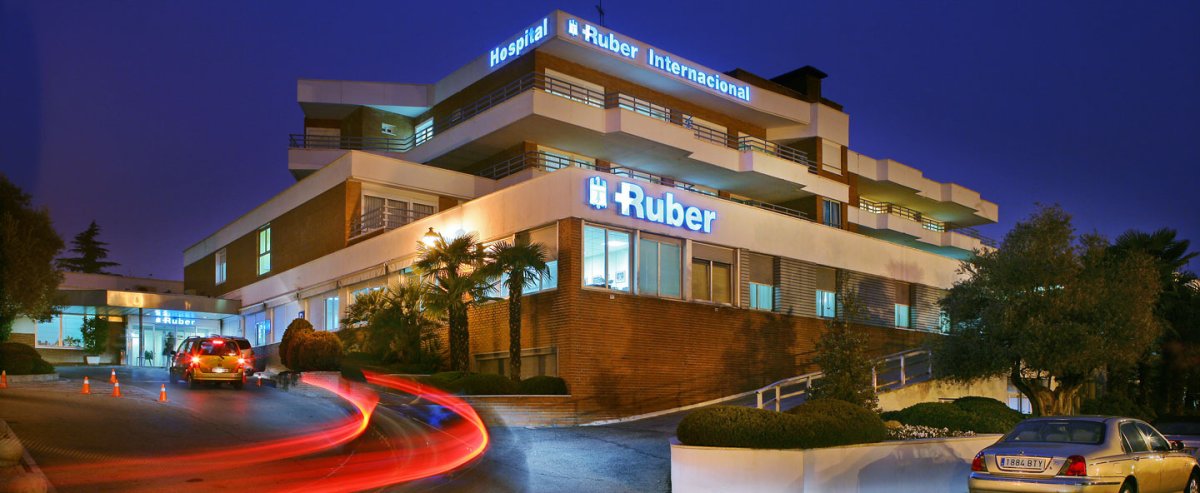
Clínica Dental Raíces
España, Tenerife


Revisado médicamente por
Fahad Mawlood
De $560. Los precios varían según el número de dientes ausentes, los materiales utilizados para el puente, la clínica y la experiencia del dentista. En Estados Unidos, el coste medio es de $2,500 (según la ADA). Esto significa que la colocación de un puente Maryland en España es aproximadamente un 78% más económica que en EE. UU.
Las clínicas dentales españolas suelen incluir la consulta inicial, la evaluación dental preoperatoria, radiografías o imágenes, un plan de tratamiento personalizado, la colocación temporal y definitiva del puente Maryland, instrucciones de cuidados postoperatorios, visitas de seguimiento, personal que habla inglés y atención 24/7. En EE. UU., las tarifas suelen cubrir solo el puente, con cargos adicionales por imágenes, consultas y seguimientos. Siempre confirmar qué está incluido en cada clínica.
| España | Estados Unidos | México | |
|---|---|---|---|
| Instalación del puente de Maryland | de $560 | ≈ $1,800 | de $500 |
Bookimed no añade cargos adicionales a los precios de Instalación del puente de Maryland. Las tarifas proceden de las listas de precios oficiales de las clínicas. Pagará directamente en la clínica por su Instalación del puente de Maryland a su llegada al país.
Bookimed está comprometido con su seguridad. Solo trabajamos con las clínicas que mantienen altos estándares internacionales en Instalación del puente de Maryland y tienen las licencias necesarias para atender a pacientes internacionales en todo el mundo.
Bookimed ofrece asistencia experta gratuita. Un coordinador médico personal le apoya antes, durante y después del tratamiento, resolviendo cualquier problema. Nunca estará solo en su viaje médico de Instalación del puente de Maryland.

Día 1 - Llegada
Día 2 - Preoperatorio
Día 3 - Instalación del puente de Maryland
Día 4 - Postoperatorio
Semana 1 - Rehabilitación
Semana 2
Semana 3
Semana 4
Tenga en cuenta que la experiencia de cada paciente y el tiempo de recuperación pueden variar. Esta guía proporciona una idea general de lo que puede esperar.

La Dra. Alaa Ghuzlan es odontóloga con más de 10 años de experiencia. Ha tratado a miles de pacientes en varios países. Cuenta con una especialización en implantología dental de la Universidad de Barcelona. Continúa formándose para ofrecer tratamientos actualizados.
Su consulta utiliza radiología 2D y 3D y un escáner intraoral 3D. Estas herramientas mejoran la experiencia del paciente y agilizan los flujos de trabajo. También permiten ofrecer una atención más rápida.
 Olena Sikoza
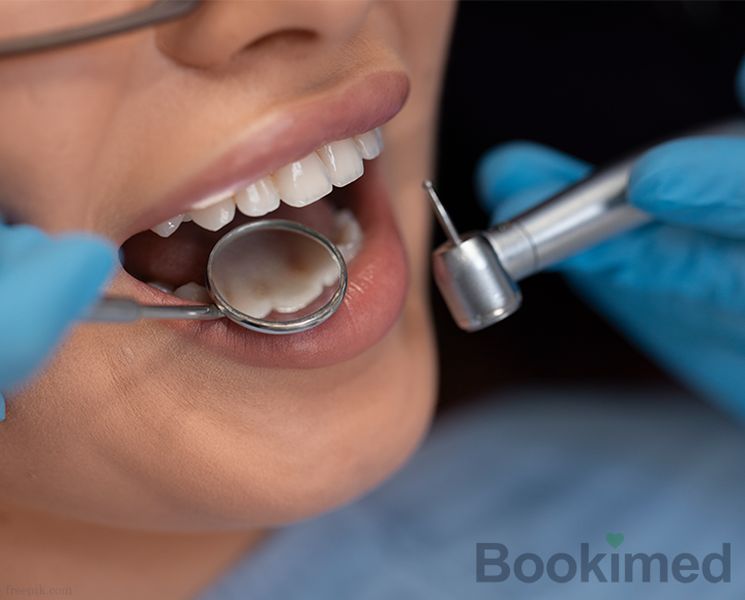
Este procedimiento implica la colocación de una prótesis dental que reemplaza dientes faltantes utilizando un marco de metal unido a la parte posterior de los dientes adyacentes.
La instalación de un puente Maryland es altamente conservadora, pero conlleva riesgos de despegue en el 21% de los casos dentro de los 5 años. Las complicaciones potenciales incluyen decoloración dental inducida por el metal, caries localizada en los márgenes de las aletas y una tasa de supervivencia a 10 años de aproximadamente el 77% en comparación con los puentes tradicionales.
Perspectiva del experto de Bookimed: Los datos sugieren un cambio en España hacia diseños de una sola aleta en clínicas especializadas como Clinica Dental Raices. Si bien los puentes tradicionales de dos aletas eran comunes, las estructuras de una sola aleta a menudo reducen el estrés mecánico y mejoran el éxito de la adhesión a largo plazo. Los pacientes deben priorizar las clínicas que utilizan escáneres intraorales 3D para gar
Los puentes de Maryland ofrecen altas tasas de éxito para reemplazar dientes anteriores individuales, con tasas de supervivencia a 5 años que alcanzan el 93%. Las investigaciones a largo plazo muestran una supervivencia del 77% después de 10 años. Estas prótesis adheridas con resina son una alternativa conservadora y no destructiva a los puentes o implantes tradicionales, especialmente para pacientes más jóvenes o como cuidado dental de transición.
Perspectiva del experto de Bookimed: Los datos clínicos sugieren que el éxito depende en gran medida del control específico de la oclusión. Elegir clínicas como Clinica Dental Raices que utilizan escáneres intraorales 3D garantiza una mayor precisión en el protocolo de adhesión. Esta precisión técnica minimiza el estrés lateral, que es la causa principal del fallo del puente con el tiempo.
Un puente Maryland requiere una reducción dental mínima o nula, eliminando normalmente solo alrededor del 10% de la estructura dental. A diferencia de los puentes convencionales que necesitan un tallado extenso para coronas, los puentes Maryland utilizan aletas adheridas con resina que se fijan directamente a las superficies posteriores de los dientes naturales.
Perspectiva del experto de Bookimed: España es un excelente centro para estos procedimientos conservadores porque clínicas como Clinica Dental Raices en Tenerife utilizan escáneres intraorales 3D. Esta tecnología permite al Dr. Alaa Ghuzlan crear impresiones digitales de hiperprecisión. Estas impresiones aseguran que las aletas del puente se adhieran perfectamente con casi cero preparación dental.
Consenso de los pacientes: Los pacientes priorizan esta opción cuando desean evitar da
La colocación de un puente Maryland está contraindicada en pacientes con esmalte dental insuficiente, bruxismo o mordida profunda. Estas restauraciones adheridas con resina requieren suficiente esmalte sano para la adhesión y no pueden soportar fuerzas oclusales fuertes o áreas de alta tensión, como el reemplazo de un canino superior.
Opinión del experto de Bookimed: Aunque los diseños de dos alas parecen más seguros, los datos sugieren que los puentes en voladizo con un solo retenedor a menudo funcionan mejor. En clínicas como Clinica Dental Raices, los especialistas utilizan escáneres 3D para garantizar un ajuste preciso. Esto es vital, ya que el desprendimiento ocurre en el 20% de los casos dentro de los 5 años.
Consenso de los pacientes: Muchos pacientes encuentran estos puentes útiles como soluciones temporales, pero advierten sobre el
La instalación de un puente de Maryland en España suele requerir dos sesiones durante 2 a 3 semanas, aunque la colocación en sí dura menos de 1 hora. Este procedimiento no quirúrgico implica unir un diente protésico a los dientes sanos adyacentes, lo que requiere una preparación mínima de los dientes y, a menudo, evita la anestesia por completo.
Perspectiva del experto de Bookimed: España se encuentra entre los 10 principales destinos mundiales para la atención dental debido a la integración de tecnología avanzada. Clínicas líderes como Clinica Dental Raices en Tenerife utilizan radiología 3D y escáneres digitales. Esta precisión reduce el riesgo de desprendimiento, extendiendo la vida útil del puente más allá de los 5 años.
Consenso de los pacientes: La mayoría de los pacientes informan que el procedimiento es indolo
Los puentes Maryland utilizan metal, circonio, composite o porcelana para reemplazar los dientes frontales perdidos mediante adhesión con resina. El metal ofrece la unión más fuerte y durabilidad, mientras que el circonio y el disilicato de litio proporcionan una estética superior. Los pacientes en España a menudo eligen entre estos para equilibrar la longevidad con una apariencia natural.
Perspectiva del experto de Bookimed: Clínicas como Clinica Dental Raices utilizan escáneres intraorales 3D para garantizar un ajuste preciso de las alas. Los datos sugieren que elegir un diseño de una sola ala en lugar de uno de dos alas reduce significativamente el riesgo de desprendimiento. Este enfoque evita el estrés causado por el movimiento natural de los dientes que a menudo afloja los puentes más grandes.
Consenso de los pacientes: Muchos pacientes
Para elegir un proveedor cualificado de puentes Maryland en España, priorice a los dentistas registrados en el Consejo General de Dentistas de España. Seleccione clínicas en centros como Madrid o Tenerife que utilicen escáneres intraorales 3D y radiología digital para garantizar la adhesión precisa requerida para restauraciones mínimamente invasivas.
Perspectiva del experto de Bookimed: Mientras que ciudades importantes como Madrid albergan hospitales de primer nivel como Ruber Internacional, las clínicas boutique en Tenerife a menudo se especializan en la atención al paciente internacional. Estas clínicas gestionan grandes volúmenes de pacientes nórdicos y del Reino Unido, lo que a menudo conduce a una comunicación más ágil y tiempos de respuesta diagnóstica más rápidos para trabajos de restauración.
Co