Fuda Cancer Hospital
China, Cantón


Revisado médicamente por
Fahad Mawlood
De $400. Los gastos totales dependen de la etapa del cáncer, la complejidad de las terapias combinadas y si el centro es público o privado. Los pacientes internacionales suelen ahorrar entre un 50% y un 70% en comparación con los costos en EE. UU. Los principales centros de tratamiento incluyen Guangzhou y Xiamen.
Costos típicos del tratamiento del cáncer de esófago en China
Perspectiva de los expertos de Bookimed: Los pacientes con neoplasias torácicas avanzadas se benefician de la radioterapia de precisión en centros como el Hospital Xiamen Humanity. El profesor Liu Shixin se especializa en protocolos de IMRT y VMAT para casos complejos de esófago. Para aquellos que buscan opciones no tradicionales, el Hospital Fuda Cancer ofrece más de 10 tipos de terapias mínimamente invasivas. Esto es ideal para pacientes que no pueden tolerar la quimioterapia estándar. Los centros acreditados por la JCI en China ofrecen atención oncológica especializada para casos en etapa avanzada, atendiendo a más de 30,000 pacientes internacionales.
| China | España | Turquía | |
|---|---|---|---|
| Resección del esófago | ≈ $14,000 | ≈ $22,000 | de $15,000 |
| Radioterapia para el cáncer colorrectal | ≈ $11,500 | de $7,500 | de $5,000 |
| Radioterapia para el carcinoma de esófago | ≈ $6,500 | de $6,000 | de $6,000 |
| Quimioterapia para el cáncer de mama | ≈ $14,800 | de $1,700 | de $3,000 |
| Quimioterapia para el carcinoma de esófago | ≈ $3,500 | de $1,100 | de $1,700 |
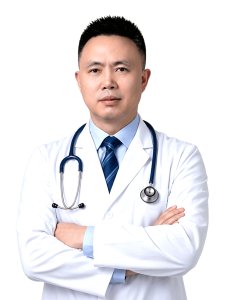
Médico jefe y profesor. Experto de nivel 1 en el Centro Oncológico del West China Hospital, Sichuan University (clasificado n.º 2 en China). Completó un posdoctorado en radiología intervencionista en el Chinese PLA General Hospital. Dirige equipos multidisciplinarios (MDT) para tumores complejos. Experto en oncología intervencionista mínimamente invasiva para cánceres de hígado, pulmón y páncreas.
Acreditaciones: Miembro del consejo, WATA. Miembro de los comités de CACA y CMDA sobre in
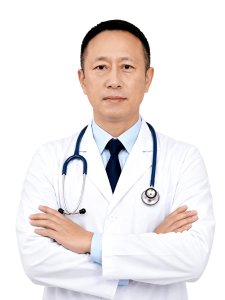
El Dr. He Weibing es pionero de la crioablación con argón‑helio en China, con más de 20 años de práctica en primera línea. Fue miembro fundador del Hospital Oncológico Fuda (Guangzhou). Cofundó su Centro de Tratamiento Tumoral Mínimamente Invasivo y fue subdirector ejecutivo. También ayudó a crear el Grupo de Ablación de la Asociación China contra el Cáncer. Ha sido operador principal en más de 10.000 procedimientos.
Se especializa en crioablación tumoral y domina la braquiterapia con
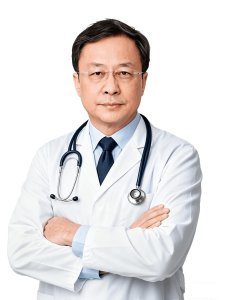
El profesor Luo Xiaoping es un radiólogo intervencionista reconocido a nivel nacional y una autoridad destacada en el oeste de China. Comenzó a realizar intervenciones vasculares pioneras a principios de la década de 1990. Ayudó a fundar el Grupo de Intervencionismo del Segundo Hospital Afiliado de la Universidad Médica de Chongqing.
Ha realizado más de 100 000 procedimientos intervencionistas, incluidos unos 4 000 casos complejos. Sus competencias clave incluyen TACE para el carcinoma
El profesor Xiao Yueyong es médico jefe del Departamento de Radiodiagnóstico del Hospital General del EPL de China. Es un experto líder en oncología intervencionista mínimamente invasiva. Es el primer presidente de WATA (2025–). Preside la Sociedad Internacional (2020–) y la Sociedad Asiática (2012–) de Crioterapia. También es subjefe del Grupo de Expertos de la NHC sobre regulaciones de ablación tumoral (2009–).
Ha realizado más de 100 000 procedimientos mínimamente invasivos guiados
 Olena Sikoza
China trata el cáncer de esófago localmente avanzado con un enfoque multidisciplinario que combina terapia neoadyuvante y cirugía radical. Más del 90% de los casos son carcinomas de células escamosas. La atención estándar implica quimioterapia preoperatoria, quimiorradioterapia o inmunoterapia para reducir el estadio de los tumores. Los cirujanos realizan luego una esofagectomía con disección extensa de ganglios linfáticos.
Perspectiva de expertos de Bookimed: Los centros oncológicos chinos demuestran una gran competencia en el tratamiento del carcinoma de células escamosas debido a los altos volúmenes nacionales. El Fuda Cancer Hospital gestiona más de 30.000 pacientes internacionales. Profesores especializados como el Dr. Liu Shi Xin en el Xiamen Humanity Hospital se centran específicamente en la radioterapia de precisión. Esta especialización a menudo se trad
La inmunoterapia es la piedra angular moderna para el cáncer de esófago avanzado en China. Sirve como atención primaria de primera línea para casos metastásicos. Los protocolos chinos combinan inhibidores de PD-1 con quimioterapia para mejorar la supervivencia. Este enfoque se dirige al carcinoma de células escamosas de esófago, que es altamente prevalente en la región.
Perspectiva de expertos de Bookimed: Mientras que muchos pacientes globales se centran en medicamentos de marca, los centros acreditados por la JCI, como el Fuda Cancer Hospital, utilizan un volumen masivo de inhibidores de PD-1 nacionales especializados. Estos centros gestionan más de 30.000 pacientes internacionales. Este alto volumen permite a los oncólogos chinos refinar los protocolos de combinación específicamente para el carcinoma de células escamosas. A menudo inte
La cirugía mínimamente invasiva está ampliamente disponible en los principales hospitales y centros especializados de China. Estas instituciones utilizan sistemas robóticos y endoscopia avanzada para casos complejos. El alto volumen de pacientes permite a los equipos quirúrgicos perfeccionar estas técnicas de precisión. Algunos centros reportan resultados significativos en el tratamiento del cáncer en etapas avanzadas.
Perspectiva del experto de Bookimed: Los hospitales oncológicos especializados en China, como el Fuda Cancer Hospital, se centran frecuentemente en más de 10 tipos diferentes de terapias mínimamente invasivas. Esta variedad sugiere que los centros chinos a menudo combinan múltiples tratamientos localizados en lugar de depender de un solo enfoque quirúrgico. Esta estrategia es particularmente común para casos de cáncer avanzado o en etapas tardías.
C
Los ensayos clínicos de vanguardia para el cáncer de esófago en China son altamente accesibles para los pacientes en los principales centros académicos. China gestiona más del 50% de los casos mundiales. Este alto volumen acelera el reclutamiento de pacientes. Las instituciones de investigación utilizan redes especializadas para emparejar a los candidatos con protocolos avanzados de manera eficiente.
Perspectiva del experto de Bookimed: Los datos sugieren que la atención centralizada en ciudades como Guangzhou o Xiamen es vital para ingresar a los ensayos. Las instalaciones acreditadas por la JCI, como el Fuda Cancer Hospital, atienden a más de 30.000 pacientes internacionales. Especialistas experimentados como el Dr. Liu Shi Xin en el Xiamen Humanity Hospital coordinan la radioterapia
La Medicina Tradicional China (MTC) se integra con el tratamiento convencional del cáncer de esófago como una terapia de apoyo. Ayuda a controlar los efectos secundarios de la quimioterapia o la radioterapia. Los profesionales utilizan la acupuntura para las náuseas y el dolor. La medicina herbal puede proteger la función hepática. Los pacientes deben priorizar la cirugía o la quimiorradioterapia sobre los remedios tradicionales.
Perspectiva del experto de Bookimed: Centros chinos líderes como el Fuda Cancer Hospital atienden a más de 30.000 pacientes internacionales. A menudo reemplazan la quimioterapia sistémica estándar con más de 10 tipos de terapias mínimamente invasivas. Estas incluyen la criocirugía y la terapia intervencionista vascular. Si busca MTC, elija hospitales con estas tecnologías avanzadas. Proporcionan un ento