Cáncer de esófago Tratamiento en India — Costos 2026


Revisado médicamente por
Fahad Mawlood
¿Cuál es el precio del diagnóstico y los tratamientos de Cáncer de esófago en India? Descubra ahora
Esophageal cancer treatment cost in India runs from $8,500 to $12,500 for surgical resection, while specialized radiation therapy ranges from $4,000 to $5,500. Total expenses depend on the cancer stage, hospital choice, and the need for combined modalities like chemotherapy. Patients often find 60-80% savings compared to the US. Top cities for international oncology care include Delhi, Gurgaon, and Mumbai.
Typical Esophageal Cancer Treatment Costs in India
- Resection of the esophagus: $8,500 – $12,500
- Esophagectomy: $9,500 – $14,000
- Radiation therapy for esophageal carcinoma: $4,000 – $5,500
- Chemotherapy for esophageal carcinoma: $3,200 – $5,500
- Halcyon: $5,500 – $8,200
- Oncothermia: Precio a consultar
Bookimed Expert Insight: Patients requiring advanced precision should prioritize centers with robotic capabilities. BLK Super Speciality Hospital features Asia's largest bone marrow transplant unit and CyberKnife technology. For complex surgeries, Dr. Surender Dabas at BLK has performed over 8,000 thoracic operations. Apollo Indraprastha offers 64-slice PET-CT and TrueBeam STx, providing high-tier diagnostic accuracy at rates typically 2–3 times lower than Western Europe.
| India | España | Turquía | |
|---|---|---|---|
| Resección del esófago | ≈ $8,500 | ≈ $22,000 | de $15,000 |
| Radioterapia para el cáncer colorrectal | ≈ $4,500 | de $7,500 | de $5,000 |
| Radioterapia para el carcinoma de esófago | ≈ $4,000 | de $6,000 | de $6,000 |
| Quimioterapia para el cáncer de mama | ≈ $3,200 | de $1,700 | de $3,000 |
| Quimioterapia para el carcinoma de esófago | ≈ $3,200 | de $1,100 | de $1,700 |
Sus beneficios y garantías con Bookimed
Precios directos
Bookimed no añade cargos extra a los precios de los tratamientos de Cáncer de esófago. Las tarifas proceden de las listas de precios oficiales de las clínicas. Pagará directamente en la clínica por su tratamiento a su llegada al país.
Sólo clínicas y médicos verificados
Bookimed está comprometido con su seguridad. Solo trabajamos con las clínicas que mantienen altos estándares internacionales en el tratamiento de Cáncer de esófago y cuentan con las licencias necesarias para atender a pacientes internacionales en todo el mundo.
Asistencia 24/7 gratuita
Bookimed ofrece asistencia experta gratuita. Un coordinador médico personal le apoya antes, durante y después de su tratamiento, resolviendo cualquier problema. Nunca estará solo en su viaje médico de tratamiento de Cáncer de esófago.

Su coordinador médico personal de Bookimed
- Le apoya en cada etapa
- Ayuda a elegir la clínica y el médico adecuados
- Asegura un acceso rápido y conveniente a la información
Descubra las mejores clínicas de tratamiento de Cáncer de esófago en India: 19 opciones verificadas y Precios









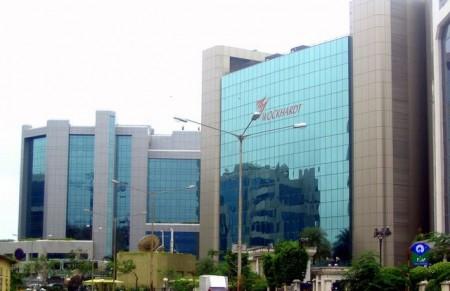
Wockhardt Hospital




Obtenga una evaluación médica de tratamiento de Cáncer de esófago en India: haga una consulta con 18 médicos experimentados ahora
Ver todos los médicos
Ranjita Pawar
La Dra. Ranjita Pawar es directora y psicóloga en ZorbaCare en Pune. Se especializa en recuperación de adicciones, terapia familiar y salud mental adolescente. La Dra. Pawar posee un doctorado (PhD) en Psicología y una maestría (MSc) en Psicología Aplicada por la NMIMS, Mumbai. Dirige los programas de psicoterapia en ZorbaCare, una institución con certificación ISO 9001:2015.
- Trata trastornos por consumo de alcohol, drogas y opioides.
- Trata afecciones de salud mental, como
Radha Palakurthi
Compartir contenido
Historias en video de pacientes de Bookimed
 Olena Sikoza
Preguntas frecuentes sobre el tratamiento de Cáncer de esófago en India
¿Qué modalidades de tratamiento están disponibles para el cáncer de esófago en la India?
El tratamiento del cáncer de esófago en la India sigue protocolos estandarizados que incluyen esofagectomía, quimioterapia y radiación avanzada. Los centros líderes utilizan la plataforma Halcyon y técnicas asistidas por robot para mayor precisión. Equipos multidisciplinarios en instalaciones acreditadas por la JCI gestionan casos complejos utilizando quimiorradiación neoadyuvante para mejorar los resultados quirúrgicos y las tasas de supervivencia.
- Resección quirúrgica: Los cirujanos realizan esofagectomías utilizando técnicas abiertas o mínimamente invasivas asistidas por robot.
- Tecnología de radiación: Las instalaciones utilizan la plataforma Halcyon y la IGRT para una focalización precisa del tumor.
- Terapia sistémica: Los oncólogos médicos administran protocolos dirigidos, inmunoterapia y quimioterapia tradicional para casos avanzados.
- Modalidades holísticas: Clínicas especializadas ofrecen terapia basada en hipertermia con Oncothermia para complementar los tratamientos estándar.
Perspectiva del experto de Bookimed: La India se ha convertido en un líder mundial en oncología de alto volumen, con médicos como el Dr. Raj Nagarkar realizando más de 50,000 cirugías de cáncer. Este enorme volumen clínico permite a los cirujanos indios manejar reconstrucciones extremadamente complejas que centros más pequeños podrían evitar. Para los casos
¿Cuál es la tasa de éxito del tratamiento del cáncer de esófago en la India?
El tratamiento del cáncer de esófago en la India arroja una tasa de supervivencia a 5 años del 60% al 80% para los casos en estadio I. El éxito depende en gran medida del estadio del diagnóstico. Los casos avanzados reportan promedios más bajos. Los centros de alto volumen que utilizan terapia trimodal logran una respuesta patológica completa en hasta el 62,5% de los pacientes.
- Resultados en estadio I: La intervención temprana logra una supervivencia a 5 años del 60% al 80% mediante cirugía o endoscopia.
- Supervivencia en estadio avanzado: Los casos en estadio II y III muestran tasas de supervivencia del 10% al 24%.
- Éxito de la terapia trimodal: La combinación de quimioterapia y radiación antes de la cirugía logra una respuesta del 35% al 62,5%.
- Impacto quirúrgico: La esofagectomía curativa extiende la supervivencia media a 45 meses en candidatos adecuados.
Perspectiva de expertos de Bookimed: El éxito a menudo depende del volumen quirúrgico. El Dr. Raja Sundaram en el Global Hospital Chennai ha realizado más de 15,000 cirugías de cáncer. El Dr. Surender Dabas en el BLK Super Speciality Hospital posee récords asiáticos en técnicas robóticas. Elegir cirujanos con más de 8,000 procedimientos ayuda a gestionar riesgos como fugas y mejora los resultados de deglución a largo plazo.
Consenso de los pacientes: Los pacien
¿Necesitaré una sonda de alimentación o cambios dietéticos importantes después del tratamiento?
El tratamiento del cáncer de esófago en la India a menudo requiere apoyo nutricional temporal y ajustes dietéticos significativos. Los cirujanos suelen colocar una sonda de alimentación durante una esofagectomía para garantizar la nutrición mientras el esófago sana. La mayoría de los pacientes vuelven a la ingesta oral en unas pocas semanas, pero requieren cambios de por vida en la frecuencia y las porciones de las comidas.
- Uso de la sonda de alimentación: Las sondas temporales proporcionan calorías esenciales inmediatamente después de la cirugía mientras los tejidos sanan.
- Frecuencia de las comidas: Los pacientes deben cambiar a 5–8 bocadillos pequeños al día en lugar de comidas abundantes.
- Modificaciones de textura: Los alimentos blandos y húmedos ayudan a evitar el dolor o la dificultad al tragar texturas secas.
- Manejo del reflujo: Dormir con la cabeza elevada evita la regurgitación nocturna, común después de una resección esofágica.
Perspectiva del experto de Bookimed: Los pacientes deben priorizar las clínicas con equipos quirúrgicos altamente experimentados, como el HCG Manavata Cancer Centre, donde el Dr. Raj Nagarkar ha realizado más de 50,000 procedimientos. El alto volumen quirúrgico en los centros indios a menudo se correlaciona con un mejor manejo de las transiciones postoperatorias. Cirujanos como el Dr. Surender Dabas en e
¿Cuáles son los mejores hospitales y especialistas en la India para el tratamiento del cáncer de esófago?
Los mejores hospitales en la India para el cáncer de esófago incluyen instalaciones acreditadas por la JCI como BLK Super Speciality y Apollo Indraprastha. Especialistas líderes como el Dr. Surender Dabas y el Dr. Raj Nagarkar utilizan esofagectomías robóticas y radioterapia de precisión. Estos centros proporcionan una estadificación integral mediante exploraciones PET-CT y endoscopias.
- Experiencia en oncología quirúrgica: El Dr. Surender Dabas ha realizado más de 8,000 cirugías torácicas y de cabeza y cuello complejas.
- Centros de alto volumen: El Global Hospital Chennai realiza más de 18,000 operaciones anuales con una capacidad de 1,000 camas.
- Credenciales avanzadas: El Dr. Raj Nagarkar ha realizado más de 50,000 cirugías oncológicas con formación especializada en cirugía torácica.
- Excelencia académica: Cirujanos como el Dr. Devender Sharma poseen becas de los principales institutos nacionales de cáncer.
Perspectiva del experto de Bookimed: El volumen de pacientes es el indicador más fiable del éxito de las resecciones esofágicas en la India. Por ejemplo, el Dr. Raj Nagarkar en HCG Manavata ha realizado más de 50,000 procedimientos. Los especialistas con alto volumen de casos a menudo tienen mejores resultados porque manejan cargas de trabajo mayores que los cirujanos en clínicas privadas más pequeñas.
Consenso de los p
¿Cuánto tiempo debe permanecer un paciente internacional en la India para recibir tratamiento?
El tratamiento del cáncer de esófago en la India requiere normalmente una estancia de 3 a 6 semanas. Este plazo incluye 3 días para el diagnóstico y de 14 a 21 días para la recuperación postoperatoria. Las cirugías complejas, como las esofagectomías, a menudo prolongan la estancia a 2 meses para su seguimiento.
- Fase de diagnóstico: Las evaluaciones prequirúrgicas como el PET-CT y la gastroscopia requieren de 2 a 3 días.
- Recuperación quirúrgica: La hospitalización suele durar de 7 a 14 días después de una cirugía mayor.
- Duración del visado: El visado e-Medical permite 60 días con hasta tres entradas.
- Autorización de viaje: Los médicos sugieren un margen de 10 días tras el alta antes de tomar vuelos de larga distancia.
Perspectiva de expertos de Bookimed: Los datos sobre el volumen de pacientes destacan que los grandes centros indios como Manipal Hospitals y Apollo Hospitals atienden a más de 1.000.000 de pacientes al año. Este alto rendimiento significa que los diagnósticos se completan en 48 horas. Sin embargo, cirujanos como el Dr. Surender Dabas recomiendan a menudo permanecer cerca de la clínica durante 14 días después del alta para gestionar la transición a los alimentos sólidos.
Consenso de los pacientes: Los pacientes señalan que la fecha del alta hospitalaria rara vez coincide con la fecha en la que es seg