Cáncer de esófago Tratamiento en Corea del Sur — Costos 2026


Revisado médicamente por
Fahad Mawlood
¿Cuál es el precio del diagnóstico y los tratamientos de Cáncer de esófago en Corea del Sur? Descubra ahora
El costo del tratamiento del cáncer de esófago en la República de Corea está determinado principalmente por la etapa de la enfermedad y la elección del enfoque quirúrgico. De $35,000. Los pacientes suelen ahorrar entre un 40 y un 60% en comparación con los costos médicos en EE. UU. Los principales centros de tratamiento se concentran en Seúl e Incheon.
Costos típicos del tratamiento del cáncer de esófago en la República de Corea
- Tomografía PET-CT: $1,100 – $1,300
- Biopsia: de $370
- Gastroscopia: $150 – $210
- Diagnóstico complejo de cáncer de esófago: Precio a consultar
- Consulta con un oncólogo: $50 – $75
- Resección del esófago: de $35,000
- Quimioterapia para cáncer de mama: de $3,000
- TC de tórax: Precio a consultar
- Revisión histopatológica: Precio a consultar
- Análisis de sangre extendido: de $200
Perspectiva de los expertos de Bookimed: Los pacientes que buscan los estándares clínicos más altos deberían considerar los "5 grandes" hospitales, como el Samsung Medical Center. Esta instalación ofrece atención de nivel presidencial con sistemas robóticos especializados para cirugías torácicas complejas. Para aquellos que requieren protocolos farmacológicos avanzados, el Severance Hospital es una opción de primer nivel. Su equipo de oncología es reconocido por integrar nuevos fármacos clínicos en los planes de tratamiento del cáncer de esófago.
| Corea del Sur | España | Turquía | |
|---|---|---|---|
| Resección del esófago | de $35,000 | ≈ $22,000 | de $15,000 |
| Radioterapia para el cáncer colorrectal | ≈ $9,000 | de $7,500 | de $5,000 |
| Radioterapia para el carcinoma de esófago | ≈ $9,000 | de $6,000 | de $6,000 |
| Quimioterapia para el cáncer de mama | de $3,000 | de $1,700 | de $3,000 |
| Quimioterapia para el carcinoma de esófago | ≈ $6,500 | de $1,100 | de $1,700 |
Sus beneficios y garantías con Bookimed
Precios directos
Bookimed no añade cargos extra a los precios de los tratamientos de Cáncer de esófago. Las tarifas proceden de las listas de precios oficiales de las clínicas. Pagará directamente en la clínica por su tratamiento a su llegada al país.
Sólo clínicas y médicos verificados
Bookimed está comprometido con su seguridad. Solo trabajamos con las clínicas que mantienen altos estándares internacionales en el tratamiento de Cáncer de esófago y cuentan con las licencias necesarias para atender a pacientes internacionales en todo el mundo.
Asistencia 24/7 gratuita
Bookimed ofrece asistencia experta gratuita. Un coordinador médico personal le apoya antes, durante y después de su tratamiento, resolviendo cualquier problema. Nunca estará solo en su viaje médico de tratamiento de Cáncer de esófago.

Su coordinador médico personal de Bookimed
- Le apoya en cada etapa
- Ayuda a elegir la clínica y el médico adecuados
- Asegura un acceso rápido y conveniente a la información
Descubra las mejores clínicas de tratamiento de Cáncer de esófago en Corea del Sur: 11 opciones verificadas y Precios









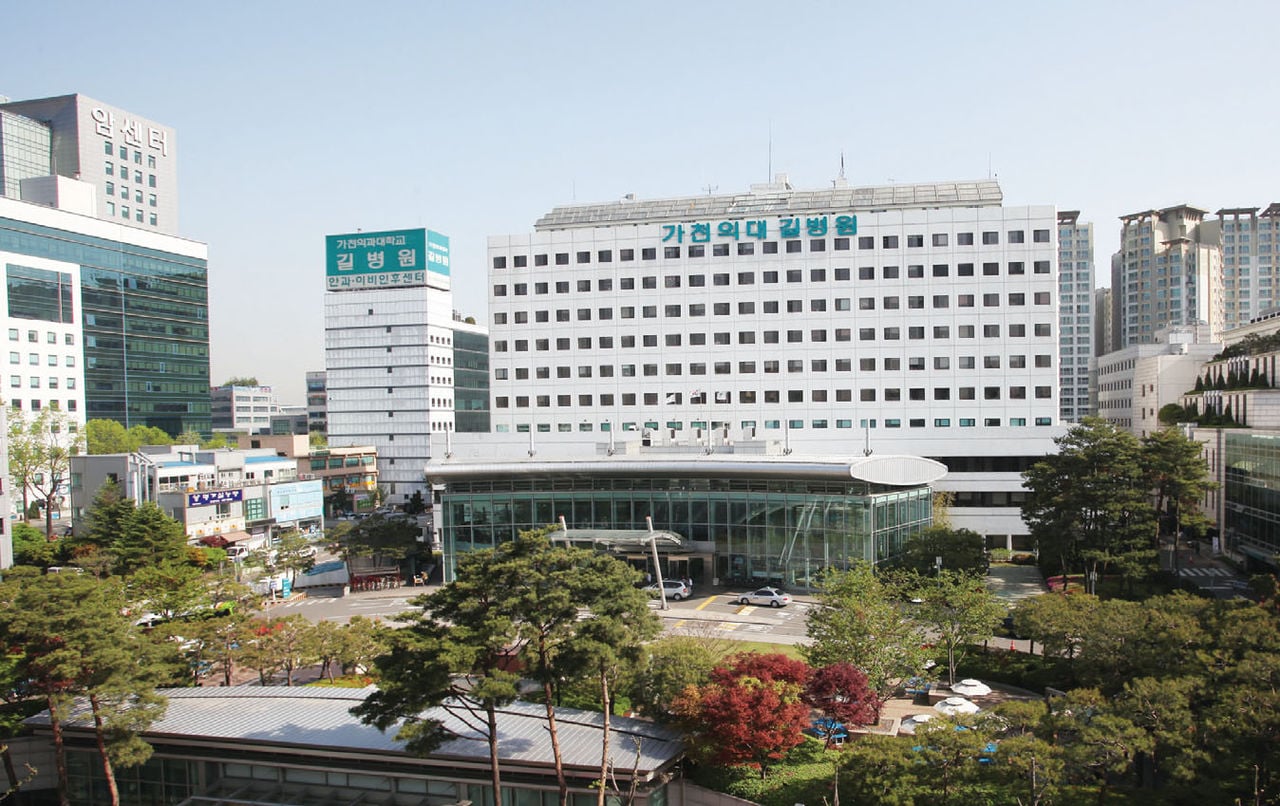


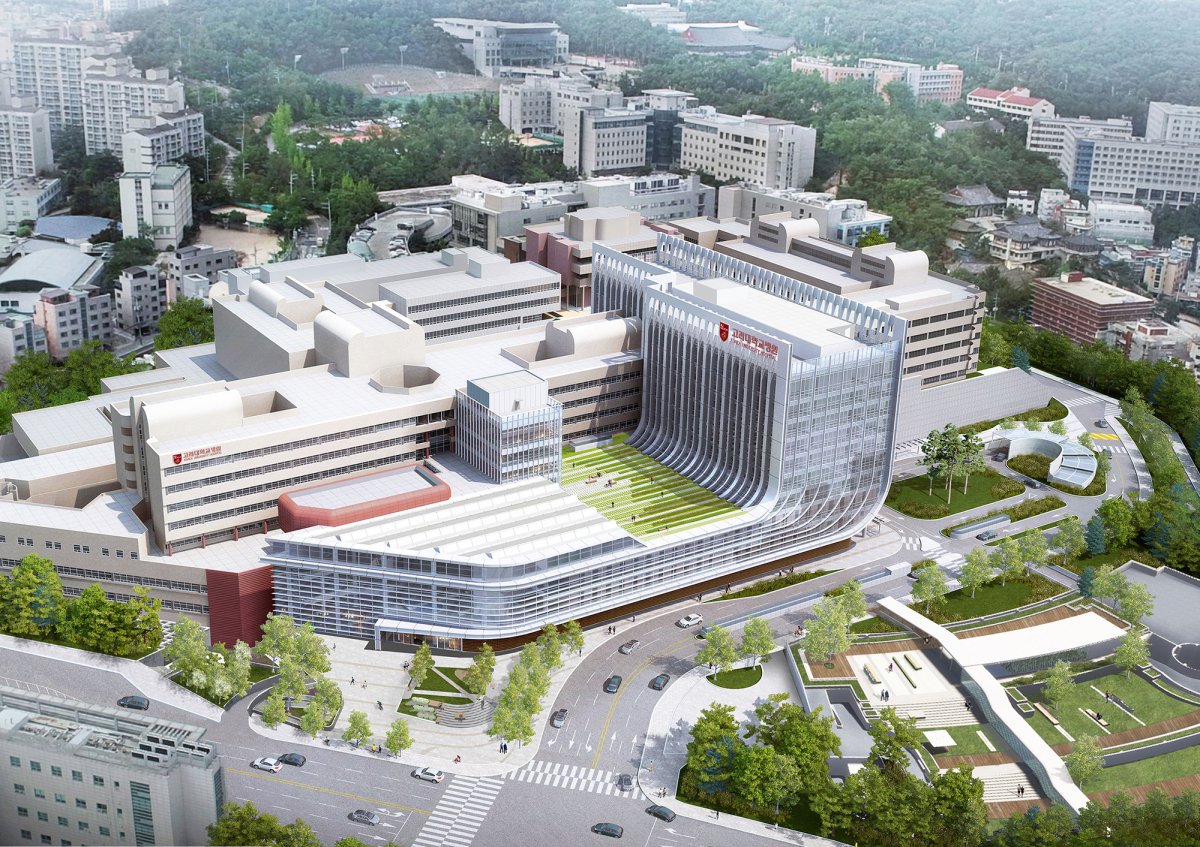
Obtenga una evaluación médica de tratamiento de Cáncer de esófago en Corea del Sur: haga una consulta con 10 médicos experimentados ahora
Ver todos los médicos
An Song-yeol

Choi Yong Soo
El Dr. Choi Yong Soo es cirujano torácico en el Samsung Medical Center, especializado en tratamientos contra el cáncer de esófago.
- Experto en intervenciones quirúrgicas para casos complejos de cáncer de esófago
- Trabaja en una de las instituciones médicas líderes de Corea del Sur
- Se centra en proporcionar planes de tratamiento personalizados

Keun Chil Park
El Prof. Keun Chil Park, MD, dirige la División de Hematología-Oncología en el Samsung Medical Center con un fuerte enfoque en el cáncer de esófago.
- Intereses especiales en cáncer de pulmón, cabeza y cuello, y esófago
- Miembro de múltiples asociaciones oncológicas prestigiosas, incluyendo ASCO y ESMO
- Graduado de la Facultad de Medicina de la Universidad Nacional de Seúl
Dong Lark Lee
Compartir contenido
Historias en video de pacientes de Bookimed
 Olena Sikoza
Preguntas frecuentes sobre el tratamiento de Cáncer de esófago en Corea del Sur
¿Cuál es la tasa de éxito del tratamiento del cáncer de esófago en Corea del Sur?
Corea del Sur reporta una tasa de supervivencia general a 5 años del 45,7 % para el cáncer de esófago. Las tasas de éxito para el cáncer localizado en estadio I alcanzan el 74,8 %. Estas cifras se encuentran entre las más altas a nivel mundial. Los centros de élite de Seúl mantienen tasas de mortalidad operatoria por debajo del 5 % gracias a una alta especialización y tecnología quirúrgica avanzada.
- Supervivencia en etapa temprana: La supervivencia del cáncer localizado supera el 72 % mediante resección endoscópica preservadora de órganos.
- Resultados en etapa regional: La supervivencia para los estadios II y III oscila entre el 22,4 % y el 48,1 %.
- Perspectivas en etapa avanzada: La supervivencia del cáncer metastásico en estadio IV se sitúa entre el 6,1 % y el 7,8 %.
- Seguridad quirúrgica: Los centros de alto volumen logran tasas de mortalidad quirúrgica tan bajas como el 3,2 %.
Perspectiva de expertos de Bookimed: Las tasas de éxito en Corea del Sur están vinculadas al volumen de pacientes de los hospitales. Centros de élite como el Asan Medical Center realizan más de 65.000 operaciones al año. Esta experiencia conduce a mejores resultados. Los pacientes deben priorizar las clínicas con juntas de tumores integradas. Especialistas como el Dr. Keun Chil Park en el Samsung Medical Center brindan precisión multidisciplinaria para casos comp
¿Qué tecnologías avanzadas de radiación y cirugía están disponibles?
El tratamiento avanzado del cáncer de esófago en Corea del Sur utiliza cirugía asistida por robot y terapia de protones para atacar los tumores con precisión. Los centros priorizan técnicas mínimamente invasivas como la disección submucosa endoscópica (DSE) para casos en etapa temprana. Las instalaciones acreditadas por la JCI integran sistemas Novalis e IGRT para radiación de alta dosis mientras protegen el tejido cardíaco y pulmonar adyacente.
- Sistemas robóticos: Los sistemas quirúrgicos Da Vinci permiten procedimientos torácicos de alta precisión a través de pequeñas incisiones.
- Precisión de la radiación: La tecnología IGRT e IMRT moldea los haces de radiación para que coincidan con volúmenes tumorales complejos.
- Intervención temprana: La disección submucosa endoscópica (DSE) elimina lesiones malignas tempranas sin necesidad de una resección esofágica mayor.
- Partículas avanzadas: La terapia de haz de protones reduce la exposición secundaria a la radiación en órganos vitales como el corazón.
Perspectiva de expertos de Bookimed: Los datos muestran una alta concentración de tecnología avanzada en Seúl, donde centros importantes como el Asan Medical Center realizan más de 65,000 operaciones al año. Si bien la radiación básica es común, la terapia de protones avanzada es más especializada. Los pacientes deben centrarse en clínicas como el
¿Es la cirugía mínimamente invasiva una opción para el cáncer de esófago en etapa temprana?
La cirugía mínimamente invasiva es una opción principal para el cáncer de esófago en etapa temprana en Corea del Sur. Los cirujanos utilizan la esofagectomía laparoscópica o robótica para extirpar tumores a través de pequeñas incisiones. Estas técnicas minimizan la pérdida de sangre y las complicaciones pulmonares. Los principales hospitales de Seúl ofrecen estos procedimientos dentro de departamentos de oncología acreditados por la JCI.
- Cirugía asistida por robot: El Samsung Medical Center utiliza sistemas Da Vinci para la extirpación precisa de tumores guiada por 3D.
- Esofagectomía laparoscópica: Los cirujanos realizan procedimientos abdominales y torácicos a través de incisiones mínimas para reducir el dolor.
- Enfoques híbridos: Los equipos médicos pueden combinar la laparoscopia con pequeñas incisiones para una seguridad y estadificación óptimas.
- Equipos quirúrgicos expertos: Cirujanos certificados como el Dr. Choi Yong Soo se especializan en técnicas torácicas avanzadas.
Perspectiva del experto de Bookimed: Corea del Sur ocupa una posición de liderazgo única en oncología del tracto digestivo. Mientras que muchos países se centran en enfermedades occidentales, los centros coreanos como el Asan Medical Center realizan más de 65.000 operaciones al año. Este inmenso volumen permite a los cirujanos dominar la esofagectomía robótica más rápido qu
¿Cómo diseñan los equipos de oncología coreanos los planes de tratamiento para el cáncer de esófago?
Los equipos de oncología coreanos diseñan los planes para el cáncer de esófago a través de juntas multidisciplinarias obligatorias que priorizan el carcinoma de células escamosas regional. Los especialistas utilizan endoscopia de alta definición y PET-TC con 18F-FDG para una estadificación precisa. Los protocolos enfatizan la terapia trimodal. Estos incluyen quimiorradioterapia neoadyuvante seguida de cirugía mínimamente invasiva asistida por robot en centros terciarios acreditados por la JCI.
- Protocolo de estadificación: Los equipos utilizan ultrasonido endoscópico para determinar la profundidad del tumor y la afectación de la mucosa.
- Junta multidisciplinaria: Cirujanos, oncólogos médicos y oncólogos radioterapeutas colaboran en cada caso complejo.
- Vías de tratamiento: Las lesiones tempranas se someten a disección submucosa endoscópica, mientras que los casos avanzados requieren quimioterapia.
- Precisión quirúrgica: Los cirujanos realizan frecuentemente esofagectomías robóticas Da Vinci para reducir el tiempo de recuperación.
Perspectiva del experto de Bookimed: Los datos de los mejores hospitales de Corea del Sur revelan una brecha de experiencia masiva. El Samsung Medical Center por sí solo gestiona más de 2.000.000 de pacientes al año y realiza más de 45.000 operaciones. Este volumen extremo permite a los equipos especializarse en su
¿Qué sucede si el cáncer está localmente avanzado?
El cáncer de esófago localmente avanzado se ha extendido más allá del revestimiento inicial o hacia los ganglios linfáticos cercanos, pero no ha llegado a órganos distantes. Los centros surcoreanos gestionan estos casos utilizando estrategias multimodales agresivas. La mayoría de los protocolos combinan quimiorradioterapia neoadyuvante y cirugía para lograr la eliminación completa del tumor.
- Precisión diagnóstica: Las clínicas surcoreanas utilizan PET/TC y ultrasonido endoscópico para una estadificación precisa.
- Enfoque multimodal: Los especialistas a menudo priorizan la quimioterapia o la radiación para reducir los tumores antes de la cirugía.
- Cirugía mínimamente invasiva: Los cirujanos utilizan la robótica da Vinci para una resección precisa del esófago.
- Certificaciones de seguridad: Los principales centros mantienen acreditaciones KOIHA y JCI para la atención oncológica.
Perspectiva del experto de Bookimed: El volumen de pacientes es una señal importante de calidad en Corea del Sur. Centros como el Hospital de la Universidad Nacional de Seúl y el Centro Médico Asan manejan más de 1.500.000 casos al año. Este volumen masivo permite a los cirujanos especializarse en casos complejos y localmente avanzados que podrían ser rechazados en otros lugares. Los centros más pequeños a menudo carecen de la infraestructura multidisciplinaria neces
¿Cuánto tiempo tengo que esperar para comenzar el tratamiento?
Los pacientes en la República de Corea suelen comenzar el tratamiento del cáncer de esófago entre 1 y 4 semanas después de la estadificación. Centros líderes como el Samsung Medical Center priorizan el diagnóstico rápido mediante PET-TC y biopsia. El inicio del tratamiento depende estrictamente de completar la estadificación clínica y garantizar que el paciente esté nutricionalmente estable.
- Prioridad de estadificación: El tratamiento comienza solo después de que el PET-TC y la biopsia confirmen el estadio del cáncer.
- Consulta especializada: Oncólogos como el Dr. Cho Byung Chul en el Hospital Severance coordinan revisiones rápidas.
- Preparación quirúrgica: La resección mínimamente invasiva requiere una autorización cardiopulmonar preoperatoria y preparación nutricional.
- Disponibilidad robótica: Las instalaciones que utilizan sistemas da Vinci mantienen altos volúmenes quirúrgicos para minimizar los retrasos en la programación.
Perspectiva de expertos de Bookimed: Los centros oncológicos de Corea del Sur manejan volúmenes masivos de pacientes; el Hospital Severance atiende a 1,6 millones de pacientes ambulatorios al año. Este alto rendimiento crea un ciclo de diagnóstico altamente eficiente. Nuestros datos muestran que clínicas como el SNUH, que trata al presidente, a menudo completan la estadificación compleja y la histopatología en meno
¿Habrá una barrera idiomática durante mi estancia médica?
Las barreras idiomáticas en Corea del Sur se gestionan eficazmente a través de centros de salud internacionales dedicados en los principales hospitales. Las instalaciones acreditadas por la JCI en Seúl proporcionan intérpretes médicos profesionales y personal multilingüe. Estos sistemas garantizan una comunicación clara para tratamientos complejos de cáncer de esófago y procesos de consentimiento quirúrgico.
- Coordinación de pacientes: Los departamentos internacionales proporcionan enlaces personales para citas y facturación.
- Interpretación médica: Traductores certificados ayudan en consultas oncológicas y planificación quirúrgica.
- Traducción de documentos: Los centros principales proporcionan resúmenes de alta y recetas en inglés.
- Personal experto: Los equipos de oncología especializados a menudo se comunican en inglés en hospitales de tercer nivel.
Opinión de expertos de Bookimed: Aunque muchos suponen que la comunicación es el principal obstáculo, el verdadero valor reside en la digitalización hospitalaria. El Hospital de la Universidad Nacional de Seúl ha utilizado registros totalmente digitales desde 2004. Este sistema permite a los médicos compartir datos de diagnóstico precisos al instante. Reduce la necesidad de explicaciones verbales sobre historiales médicos complejos.
Consenso de los pacientes: Los paci