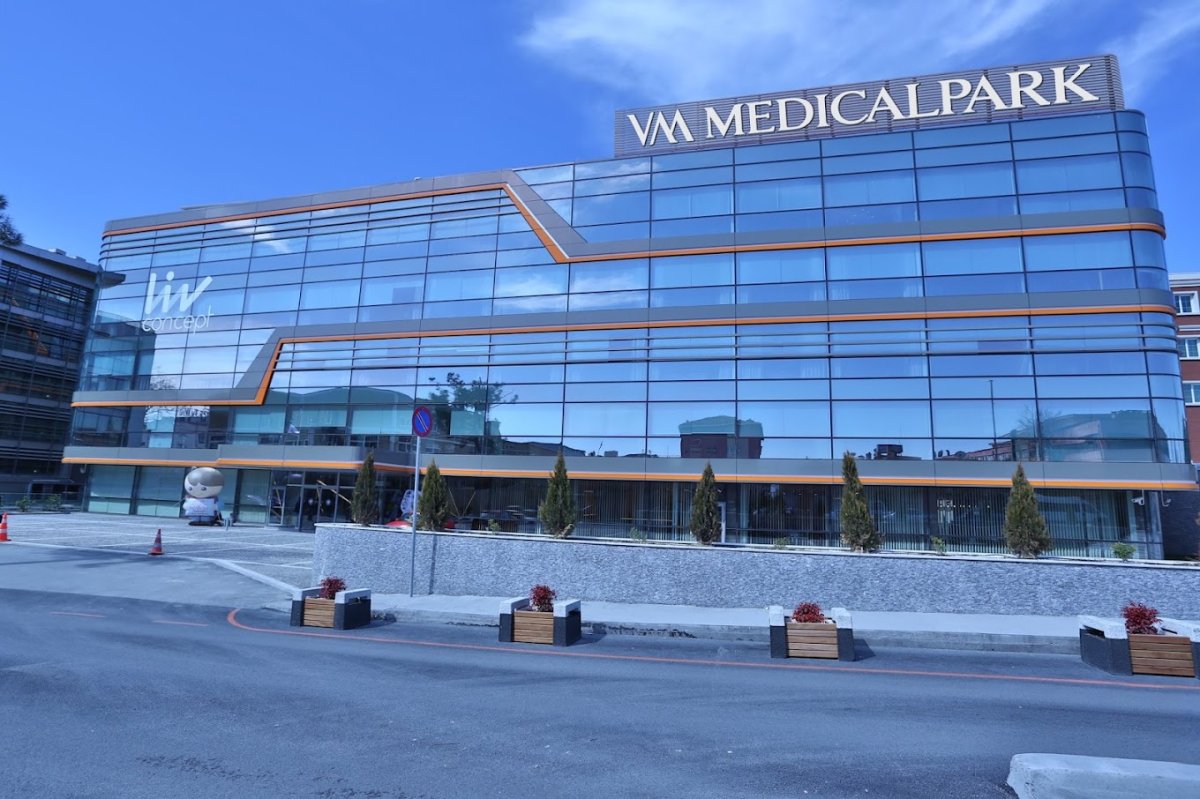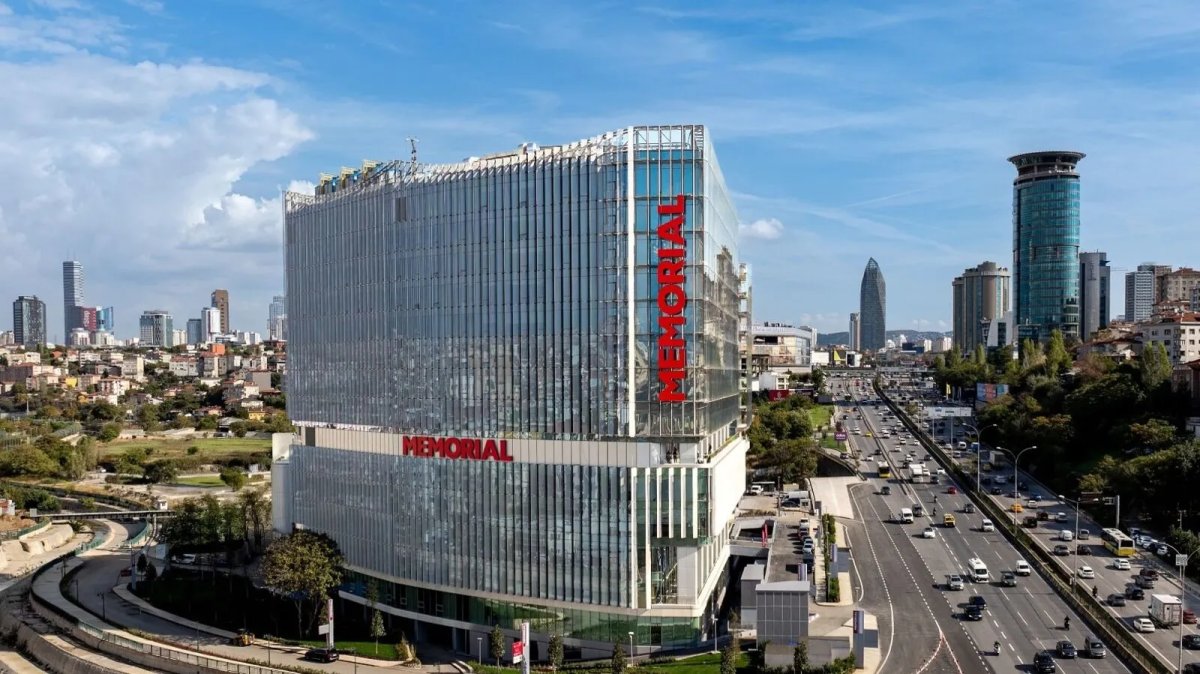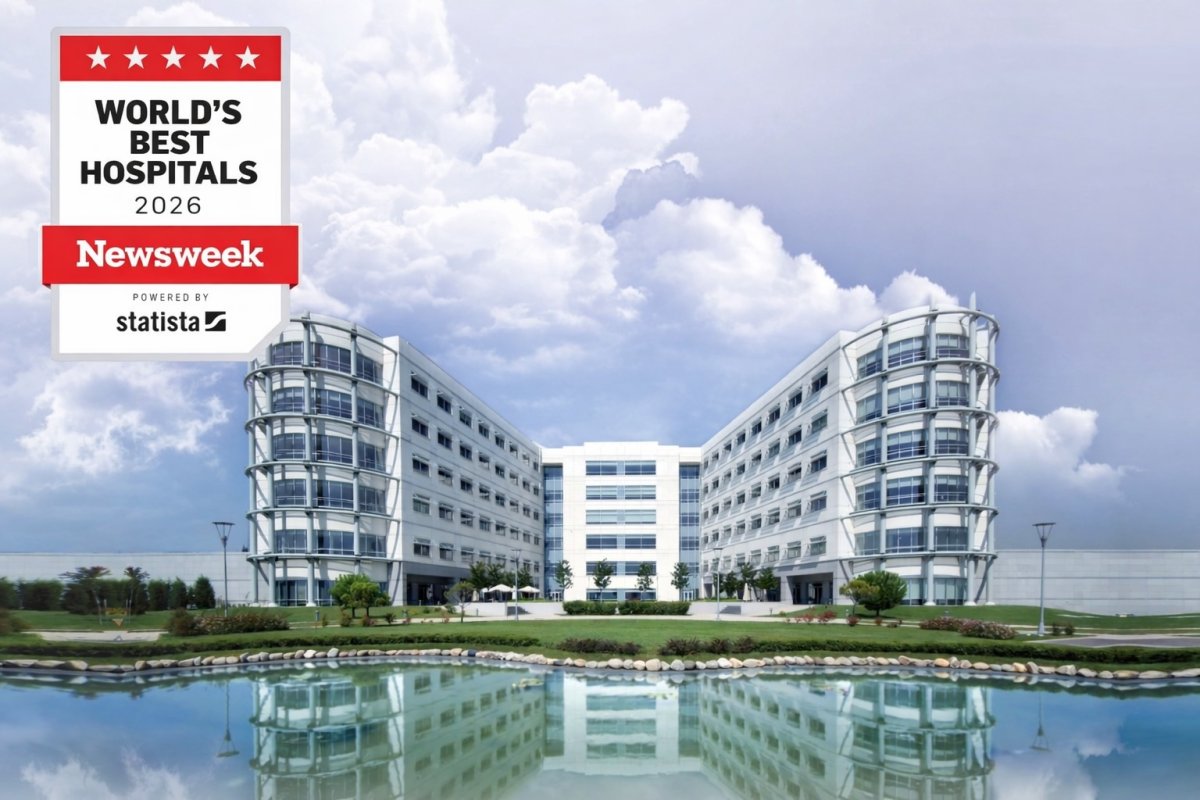
Centro médico Anadolu
Turquía, Estambul
Bulent Karagoz
33 años de experiencia

Clínica certificada por : 



Revisado médicamente por
Fahad Mawlood
El costo total del tratamiento del cáncer de esófago en Turquía varía según el plan de tratamiento. Una consulta con un oncólogo cuesta aproximadamente 113 €, una tomografía PET-CT cuesta 610 €, y la colocación de un catéter port-a-cath es de 1.690 €. Las sesiones de quimioterapia tienen un precio de 1.035 € por sesión, mientras que las sesiones de inmunoterapia cuestan 3.670 € cada una. El costo potencial para 30 sesiones de radioterapia es alrededor de 5.170 €. Además, los estudios genéticos cuestan 7.050 €, y cada ciclo del régimen de quimioterapia FOLFOX es de 1.035 €, con el tratamiento de nivolumab a un precio de 6.480 € por curso.
| España | Turquía | México | |
|---|---|---|---|
| Resección del esófago | ≈ $22,000 | de $15,000 | ≈ $14,500 |
| Radioterapia para el cáncer colorrectal | de $7,500 | de $5,000 | ≈ $6,000 |
| Radioterapia para el carcinoma de esófago | de $6,000 | de $6,000 | ≈ $6,500 |
| Quimioterapia para el cáncer de mama | de $1,700 | de $3,000 | ≈ $4,500 |
| Quimioterapia para el carcinoma de esófago | de $1,100 | de $1,700 | ≈ $4,500 |
Más de 900 procedimientos realizados: el Dr. Bülent Karagöz se especializa en cáncer de esófago en el Anadolu Medical Center, con 33 años de experiencia en oncología.

Obtuvo el tercer puesto en el examen de ingreso de oncología médica en Turquía, demostrando un dominio de primer nivel en el conocimiento del cáncer. Actualmente ejerce en el Anadolu Medical Center.

Especialista en técnicas mínimamente invasivas para el cáncer de esófago en el Anadolu Medical Center, con una amplia formación quirúrgica.

El Dr. Vafi Atalay es un cirujano oncólogo y general con 17 años de experiencia. Está especializado en cirugías de páncreas, colon, recto e hígado, y realiza procedimientos endoscópicos avanzados. Ha publicado 31 artículos en revistas nacionales e internacionales, contribuyendo significativamente a la literatura médica.
Recibió el primer premio en el Concurso de Investigación del 20º Congreso y el premio a la Mejor Investigación en el 5º Congreso de Cirujanos. Es miembro de la TSS, la
 Olena Sikoza
El tratamiento del cáncer de esófago en Turquía incluye esofagectomía, quimioterapia y radioterapia. Los centros de alto volumen utilizan el sistema robótico da Vinci para cirugía mínimamente invasiva. Los pacientes acceden a diagnósticos avanzados como PET/CT digital y radioterapia TrueBeam en instalaciones acreditadas por la JCI para garantizar una estadificación precisa.
Perspectiva del experto de Bookimed: Los centros oncológicos turcos como Anadolu Medical Center y Medipol Mega atienden a entre 65,000 y 1,000,000 de pacientes al año. Este volumen masivo permite a cirujanos como el Dr. Mehmet Zeki Gunluoglu o el Dr. Kivanc Derya Peker mantener una gran experiencia en resecciones esofágicas complejas. Los pacientes se benefician de esta experiencia a través de juntas tumorales multidisciplinarias especializadas que revisa
El tratamiento del cáncer de esófago en Turquía suele comenzar entre 1 y 3 días después de la llegada. Las consultas clínicas y las imágenes de diagnóstico a menudo ocurren de inmediato. Los hospitales privados acreditados por la JCI dan prioridad a los casos internacionales. Esto garantiza una estadificación rápida y una programación quirúrgica. La mayoría de los pacientes comienzan un plan de tratamiento completo dentro de 1 semana.
Opinión del experto de Bookimed: Los datos muestran que elegir clínicas con laboratorios de histopatología internos, como el Anadolu Medical Center o Medipol, puede ahorrar 48 horas en la estadificación. Esta velocidad es crítica para los casos de esófago donde la dificultad para tragar requiere una intervención urgente. Busque paquetes como el de Liv Hospital Ulus que incluye todas las prueb
Pregunte sobre su tipo de tumor específico, estadio exacto y si el objetivo principal es curativo o paliativo. Verifique si el plan está siendo gestionado por una junta multidisciplinaria de tumores. Confirme la secuencia de quimioterapia, radiación y cirugía utilizando tecnologías como PET/CT y el robot da Vinci.
Perspectiva de expertos de Bookimed: Los centros oncológicos turcos varían significativamente en su tecnología quirúrgica; por ejemplo, Liv Hospital Ulus ofrece específicamente sistemas robóticos da Vinci para esofagectomía. Comparar paquetes revela que algunos incluyen 16 días de estadía total (10 en hospital, 6 en hotel), mientras que otros solo cubren la cirugía en sí. Elegir un paquete más inclusivo garantiza que tenga el período de observación clínica de 10 días necesario para monitorear pos
Los pacientes siguen un programa de detección riguroso durante 5 años para controlar la recurrencia. Los chequeos ocurren cada 3 a 6 meses durante los primeros 2 años. La frecuencia se reduce a cada 6 a 12 meses durante los años 3 a 5. Las visitas anuales comienzan después de alcanzar el hito de los 5 años.
Perspectiva de expertos de Bookimed: Los centros oncológicos turcos como Anadolu Medical Center brindan juntas multidisciplinarias de tumores donde oncólogos y cirujanos revisan juntos los escaneos de seguimiento. Este enfoque colaborativo asegura que incluso los cambios menores en la deglución o el peso sean evaluados tanto para la recurrencia como para problemas postquirúrgicos benignos. Algunos centros ofrecen paquetes quirúrgicos con todo incluido de alrededor de $24,000 a $26,000 que i