Tratamiento de Cáncer de esófago en Austria — obtenga 3 coincidencias personalizadas de clínicas


Revisado médicamente por
Fahad Mawlood
Cómo funciona
¿Cuál es el precio del diagnóstico y los tratamientos de Cáncer de esófago en Austria? Descubra ahora
El costo del tratamiento del cáncer de esófago en Austria generalmente incluye diagnósticos de estadificación como tomografías PET-CT, que oscilan entre $1,200 y $1,900, y cirugías mayores como una esofagectomía, que varía de $30,000 a $55,000. Los gastos totales dependen del estadio del cáncer y de si elige un hospital universitario público o una clínica privada en Viena. Los pacientes pueden ahorrar aproximadamente entre un 20 y un 30% en comparación con la atención privada en los Estados Unidos. Los mejores centros de tratamiento se encuentran principalmente en Viena.
Costos típicos del tratamiento del cáncer de esófago en Austria
- Consulta con un oncólogo: de $260
- Gastroscopia: de $500
- Tomografía PET-CT: $1,200 – $1,900
- Biopsia: $550 – $1,400
- Revisión histopatológica: Precio a consultar
- Esofagectomía: $30,000 – $55,000
- Radioterapia para carcinoma esofágico: $9,000 – $17,500
- Quimioterapia para carcinoma esofágico: $12,000 – $20,000
- TC de tórax: Precio a consultar
- Diagnóstico oncológico complejo: Precio a consultar
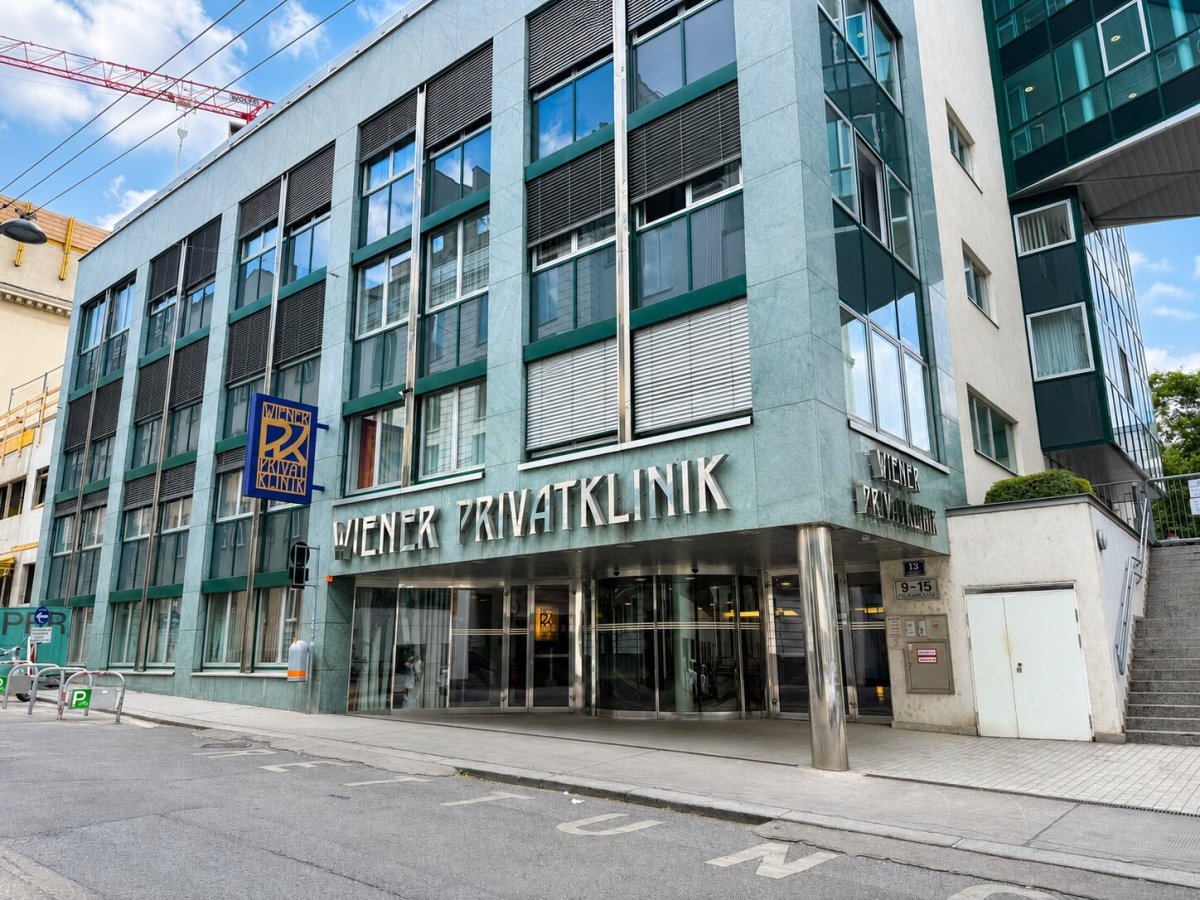
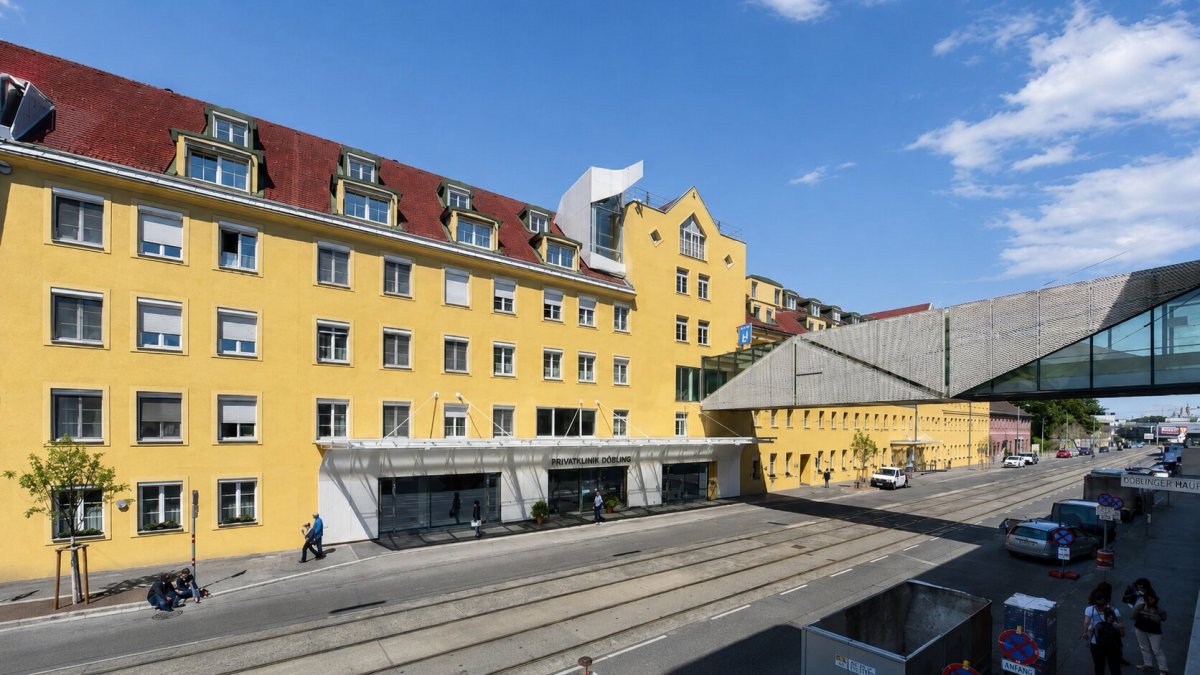
Perspectiva de los expertos de Bookimed: Los pacientes que buscan protocolos personalizados deben priorizar centros privados como Wiener Privatklinik. El profesor Christoph Zielinski ofrece terapias individualizadas respaldadas por más de 600 publicaciones científicas. Para casos complejos, grandes instalaciones como el Hospital General de Viena (AKH) ofrecen amplios recursos multidisciplinarios. El Hospital Privado Döbling es ideal para quienes priorizan la seguridad, ya que implementa estrictamente los Objetivos Internacionales de Seguridad del Paciente de la JCI.
| Austria | España | Turquía | |
|---|---|---|---|
| Resección del esófago | ≈ $26,000 | ≈ $22,000 | de $15,000 |
| Radioterapia para el cáncer colorrectal | de $6,700 | de $7,500 | de $5,000 |
| Radioterapia para el carcinoma de esófago | ≈ $9,000 | de $6,000 | de $6,000 |
| Quimioterapia para el cáncer de mama | ≈ $9,500 | de $1,700 | de $3,000 |
| Quimioterapia para el carcinoma de esófago | ≈ $12,000 | de $1,100 | de $1,700 |
Descubra las mejores clínicas de tratamiento de Cáncer de esófago en Austria: 6 opciones verificadas y Precios




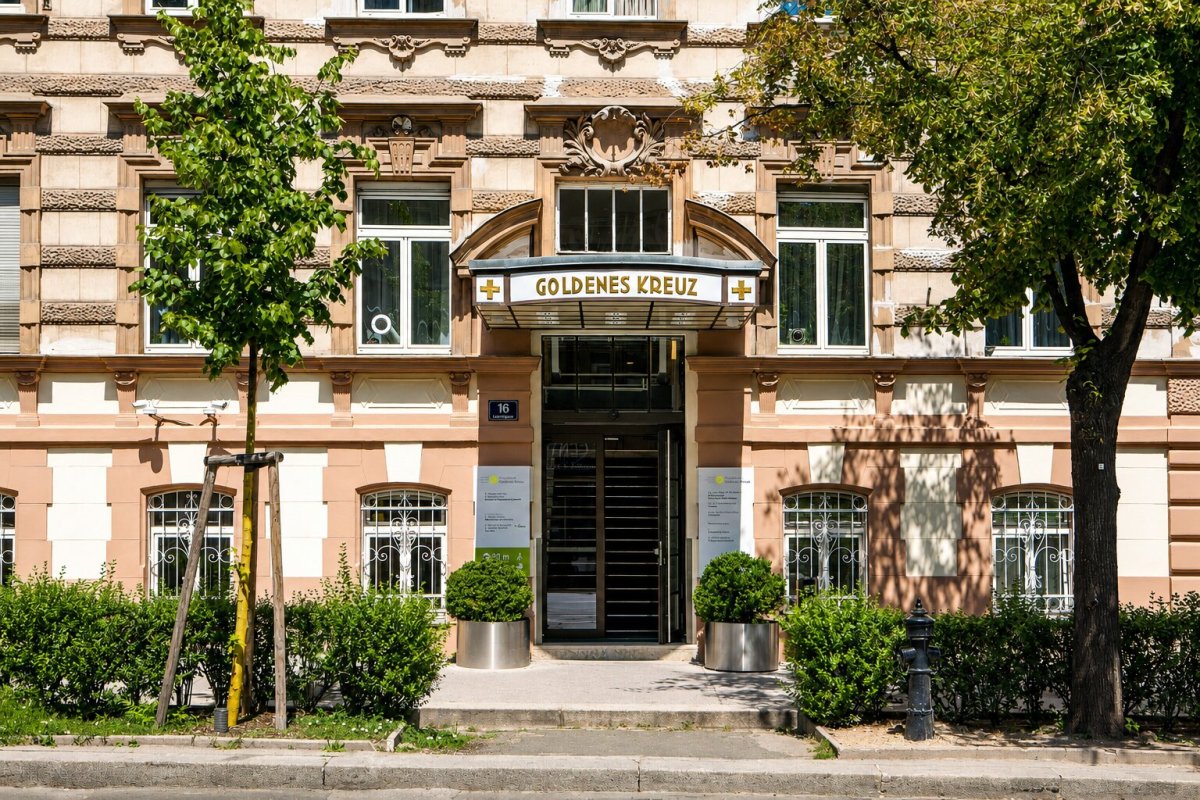
Confraternitaet & Goldenes Kreuz Private Hospital



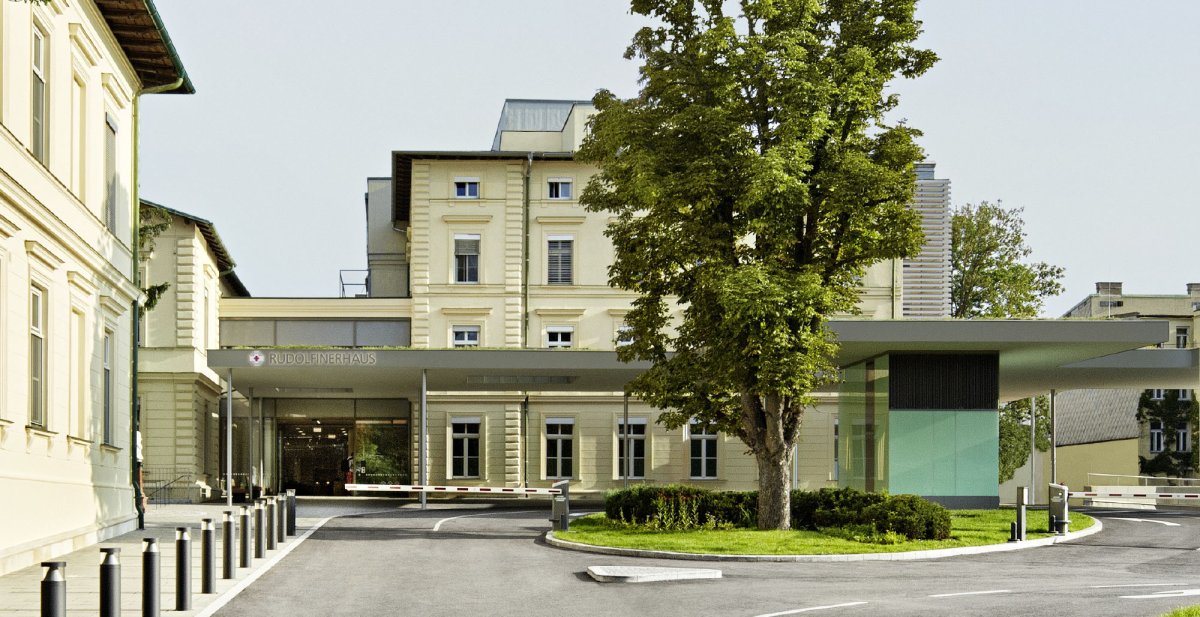
Obtenga una evaluación médica para Cáncer de esófago en Austria: consulte con doctores experimentados ahora
Ver todos los médicos
Christoph Zielinski
El Prof. Christoph Zielinski es un líder reconocido mundialmente en oncología médica, con más de 44 años de experiencia y trabajos pioneros en inmunoterapia contra el cáncer.
- Fundó y dirigió el Comprehensive Cancer Center Vienna (CCC)
- Se desempeñó como presidente del Central European Cooperative Oncology Group (CECOG)
- Ha publicado extensamente en revistas oncológicas líderes sobre terapias personalizadas contra el cáncer
- Actualmente es presidente del Vienna Cancer Center y director médico de la Wiener Privatklinik

Wolfgang Köstler
El Prof. Wolfgang Köstler es un experto líder en terapias oncológicas dirigidas, con más de dos décadas de experiencia en oncología médica.
- Especializado en cáncer de mama y ginecológico
- Subdirector de la División Clínica de Oncología de la Universidad Médica de Viena
- Se centra en la terapia sistémica individualizada contra el cáncer y la inmunoterapia
- Ha publicado investigaciones sobre el desarrollo de biomarcadores y la biología tumoral
Compartir contenido
Historias en video de pacientes de Bookimed
 Olena Sikoza
Preguntas frecuentes sobre el tratamiento de Cáncer de esófago en Austria
¿En qué se diferencia el tratamiento del cáncer de esófago en Austria del tratamiento en otros países europeos?
El tratamiento del cáncer de esófago en Austria se caracteriza por un acceso rápido a métodos terapéuticos innovadores y una elevada inversión en oncología. El país emplea un modelo quirúrgico descentralizado, sin restricciones nacionales estrictas en cuanto al volumen de intervenciones quirúrgicas. Este enfoque fomenta la colaboración regional mediante comités oncológicos interdisciplinarios y guías clínicas estandarizadas compartidas con Alemania y Suiza.
- Disponibilidad de tratamientos: Austria lidera Europa en la rápida implementación de nuevos fármacos contra el cáncer aprobados por la Agencia Europea de Medicamentos (EMA).
- Tasas de supervivencia: Las altas inversiones se traducen en algunas de las tasas de supervivencia a cinco años más elevadas de Europa.
- Modelo quirúrgico: Las redes regionales proporcionan acceso flexible a procedimientos quirúrgicos complejos sin restricciones federales sobre el volumen de procedimientos realizados.
- Centros especializados: Instituciones como el Hospital General de Viena (AKH) atienden a unos 600.000 pacientes al año.
Opinión de expertos de Bookimed: Si bien la cirugía esofágica está permitida en muchos centros médicos de Austria, la verdadera ventaja reside en la concentración de la experiencia en centros privados de Viena. Nuestros datos muestran que especialistas de renombre, como el Dr. Christo
¿Cómo se realiza el tratamiento quirúrgico del cáncer de esófago en Austria?
Los cirujanos austriacos tratan el cáncer de esófago mediante protocolos multimodales basados en la esofagectomía. Más del 78 % de los pacientes reciben quimioterapia o radioterapia neoadyuvante antes de la cirugía. Las técnicas mínimamente invasivas y robóticas son habituales en Viena. Estos métodos favorecen una recuperación más rápida y reducen el riesgo de complicaciones pulmonares.
- Abordaje quirúrgico: La mayoría de los centros prefieren el abordaje abdominotorácico de Ivor-Lewis para las resecciones en dos etapas.
- Precisión tecnológica: Los programas robóticos en instituciones académicas proporcionan resecciones de tejido y ganglios linfáticos de alta precisión.
- Métodos de reconstrucción: Los cirujanos suelen crear un tubo gástrico para reemplazar la sección del esófago que se ha extirpado.
- Protocolos de seguridad: La terapia de vacío interna permite tratar las posibles fugas por vía endoscópica sin necesidad de una nueva intervención quirúrgica importante.
Opinión de expertos de Bookimed: Los indicadores de calidad en Austria son excepcionalmente altos: los cirujanos suelen extirpar más de 30 ganglios linfáticos en una sola intervención. Esto supera los estándares internacionales de estadificación. Los datos del Hospital Privado de Döbling y del Hospital General de Viena demuestran que estos importantes centros presentan tasas de c
¿Existen técnicas avanzadas de radioterapia, como la terapia de protones?
Austria ofrece radioterapia de vanguardia para el cáncer de esófago. Centros especializados en Viena brindan radioterapia de última generación. Si bien la disponibilidad de la terapia de protones es limitada a nivel mundial, las clínicas austriacas utilizan imágenes de alta precisión. Métodos como IMRT y VMAT están ampliamente disponibles en redes hospitalarias privadas.
- Métodos de tratamiento disponibles: Las clínicas especializadas ofrecen radioterapia moderna junto con quimioterapia.
- Tecnologías clave: Las técnicas de imagen, como la PET-CT y la tomografía computarizada de tórax, proporcionan una guía de radiación precisa.
- Especialización: El profesor Christoph Zielinski ofrece tratamientos expertos e individualizados para el cáncer.
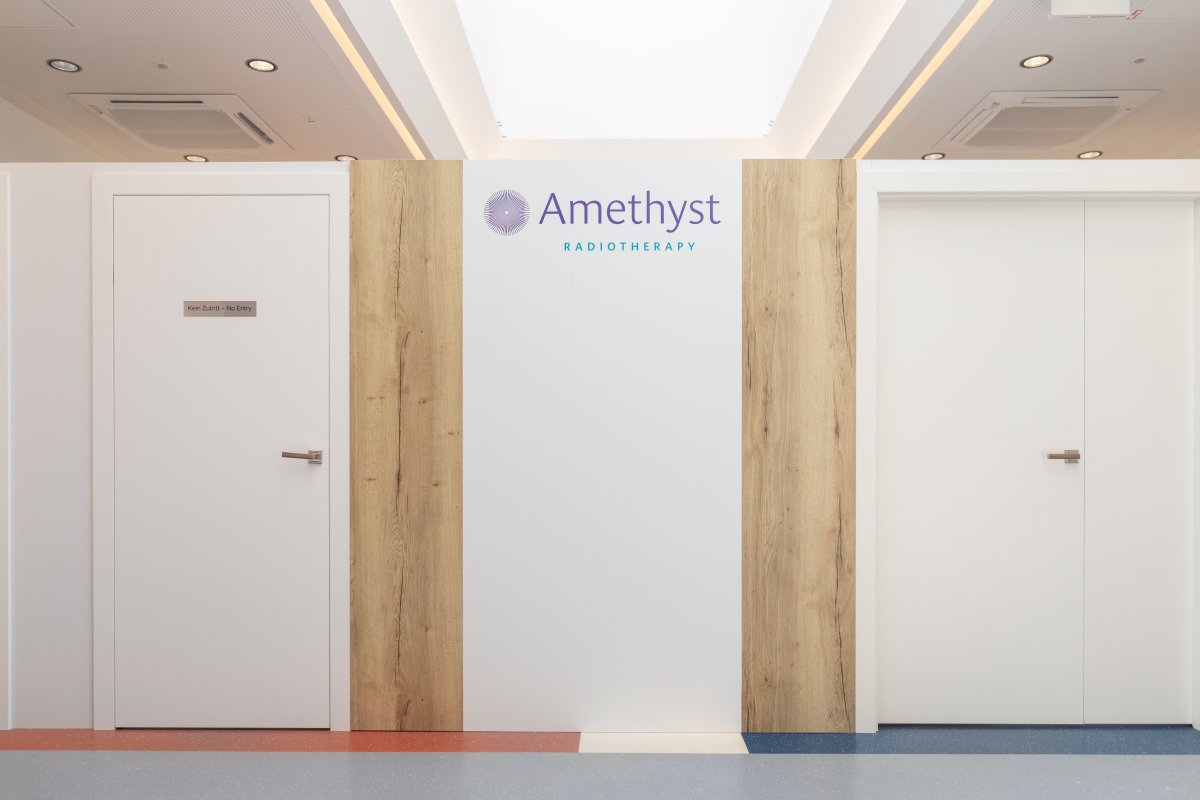
- Acceso al centro médico: Amethyst Radiotherapy Austria cuenta con equipos modernos como parte de la clínica privada Wiener Privatklinik.
Opinión experta de Bookimed: Los datos clínicos muestran que centros vieneses como la Wiener Privatklinik y el Hospital General de Viena (AKH) atienden a más de 595 000 pacientes al año. Este enorme volumen garantiza que los equipos de radioterapia cuenten con una amplia experiencia en el manejo de casos complejos. Elegir un centro con investigadores de la Universidad Médica de Viena asegura el acceso a los protocolos más recientes basados en la evidencia.
¿Cuál es el algoritmo estándar de diagnóstico y tratamiento para el cáncer de esófago en Austria?
El algoritmo de tratamiento estándar para el cáncer de esófago en Austria cumple con las estrictas directrices oncológicas de la DA-CH. El diagnóstico comienza con una endoscopia de alta resolución y una biopsia. Las técnicas de imagen multietapa, como la PET/TC y la ecografía endoscópica, confirman el estadio de la enfermedad. Cada caso fue revisado por un comité oncológico multidisciplinario antes de cualquier intervención.
- Etapa diagnóstica: la endoscopia de alta resolución con biopsia proporciona la clasificación histológica necesaria.
- Protocolo de estadificación: La tomografía computarizada (TC) y la tomografía por emisión de positrones con fluorodesoxiglucosa (FDG PET/TC) ayudan a identificar metástasis a distancia o diseminación local-regional.
- Tratamiento del adenocarcinoma: La mayoría de los pacientes reciben quimioterapia FLOT antes y después de la resección quirúrgica radical.
- Tratamiento del carcinoma de células escamosas: Los cirujanos suelen utilizar quimiorradioterapia neoadyuvante seguida de esofagectomía.
- Calendario de seguimiento: Los exámenes de seguimiento se realizan cada 3-6 meses durante los dos primeros años.
Opinión de expertos de Bookimed: Austria destaca por ofrecer atención médica especializada gracias al gran volumen de servicios que presta. Centros especializados como el Hospital Gen
¿Qué hospitales austriacos son los más conocidos por el tratamiento del cáncer de esófago?
El Hospital General de Viena (AKH) y el Hospital Privado de Viena son centros líderes en Austria para el tratamiento del cáncer de esófago. Estas instituciones ofrecen servicios de diagnóstico avanzados, como PET-CT y esofagectomía robótica. Los planes de tratamiento son elaborados por especialistas como el Dr. Christoph Zelinsky en comités oncológicos interdisciplinarios acreditados por la ISO.
- Hospital Municipal de Viena: el mayor hospital universitario con departamentos especializados para el tratamiento de enfermedades del tracto gastrointestinal.
- Clínica Privada de Viena: cuenta con un centro oncológico internacional para cirugías complejas de extirpación de tumores.
- Hospital Privado Döbling: conocido por su baja tasa de complicaciones en cirugías abdominales.
- Logros destacados: Reconocido por Newsweek como uno de los mejores hospitales del mundo en 2021 y 2026.
Opinión de expertos de Bookimed: Grandes centros como el Hospital General de Viena atienden a 595 000 pacientes al año. Este volumen es un indicador clave de la calidad de las cirugías esofágicas. Las unidades especializadas logran resultados superiores al integrar a los equipos quirúrgicos con dietistas experimentados. Esta coordinación es fundamental para abordar los problemas de deglución y reflujo en el postoperatorio.
Opinión de los pacientes: Los
¿Cómo se controla la deglución y la nutrición antes y después del tratamiento?
En Austria, el tratamiento de los trastornos de la deglución y la alimentación en el cáncer de esófago implica un enfoque multidisciplinario y activo. Los equipos clínicos utilizan gastroscopia y tomografía por emisión de positrones/tomografía computarizada (PET/CT) para planificar las intervenciones. Las estrategias incluyen ejercicios preoperatorios, dietas con textura modificada y la colocación profiláctica de sondas de alimentación para garantizar una óptima tolerancia al tratamiento y una recuperación eficaz.
- Planificación de las comidas: Los dietistas calculan los objetivos de ingesta de proteínas y realizan pruebas de detección de desnutrición antes de comenzar la quimioterapia.
- Colocación de sonda de alimentación: Los médicos pueden colocar una sonda de gastrostomía (PEG) o una sonda en Y para asegurar una hidratación adecuada durante el tratamiento.
- Rehabilitación de la deglución: Terapeutas especializados enseñan técnicas para llevar la barbilla al pecho con el fin de proteger las vías respiratorias durante la recuperación.
- Cambios graduales en la dieta: A medida que los pacientes se recuperan, pasan de líquidos y purés a alimentos sólidos blandos.
Reseña de expertos de Bookimed: Centros austriacos de referencia como la Wiener Privatklinik y el Hospital General de Viena (AKH) ofrecen acceso a profesores de oncología especializad
¿La barrera del idioma supone un obstáculo para los pacientes angloparlantes que buscan atención médica en Austria?
Las barreras lingüísticas rara vez suponen un problema para los pacientes angloparlantes en Austria. Casi el 99 % de los médicos austriacos hablan inglés con fluidez. Los principales centros de Viena, Graz y Salzburgo garantizan una comunicación fluida. El personal médico suele recibir formación internacional. Se dispone de traductores profesionales para la documentación administrativa y legal.
- Nivel de inglés del personal: Los médicos y los principales especialistas suelen tener un alto nivel de inglés.
- Ámbitos de práctica clínica: Los grandes hospitales universitarios ofrecen mejor atención en inglés que las clínicas rurales.
- Requisitos de documentación: En Alemania, la ley exige certificados médicos oficiales y documentos de consentimiento.
- Coordinación de la atención médica: Centros especializados como la Wiener Privatklinik ofrecen un tratamiento individualizado en un entorno multilingüe.
Opinión experta de Bookimed: Los datos muestran una clara correlación entre el tamaño del hospital y el dominio del inglés. El Hospital General de Viena (AKH) atiende a más de 595 000 pacientes al año y emplea a 1600 médicos. Un volumen de trabajo tan elevado exige fluidez en inglés para realizar investigaciones internacionales y tratar casos oncológicos complejos. En el Hospital Privado de Viena, muchos de los 400 médicos son profesores universitar