Cáncer de esófago Tratamiento en Tailandia — Costos 2026


Revisado médicamente por
Fahad Mawlood
¿Cuál es el precio del diagnóstico y los tratamientos de Cáncer de esófago en Tailandia? Descubra ahora
De $1,300 / 48,100฿. Las intervenciones quirúrgicas mayores, como la esofagectomía, van desde $20,000 / 740,000฿ hasta $35,000 / 1,295,000฿. Los gastos totales dependen del estadio del cáncer, el nivel del hospital y la terapia elegida. Los pacientes pueden esperar ahorros del 30-50% en comparación con los EE. UU. Los principales centros de tratamiento incluyen Bangkok y Pattaya.
Costos típicos del tratamiento del cáncer de esófago en Tailandia
- Tomografía PET/CT: de $1,300 / 48,100฿
- Biopsia: $300 / 11,100฿ – $850 / 31,500฿
- Consulta con un oncólogo: $90 / 3,300฿ – $150 / 5,600฿
- Esofagectomía: $20,000 / 740,000฿ – $35,000 / 1,295,000฿
- Radioterapia para carcinoma esofágico: $8,000 / 296,000฿ – $14,000 / 518,000฿
- Quimioterapia para carcinoma esofágico: $4,000 / 148,000฿ – $6,500 / 240,500฿
- Diagnóstico complejo de cáncer de esófago: Precio a consultar
- Revisión histopatológica: Precio a consultar
- TC de tórax: Precio a consultar
- Oncotermia: Precio a consultar
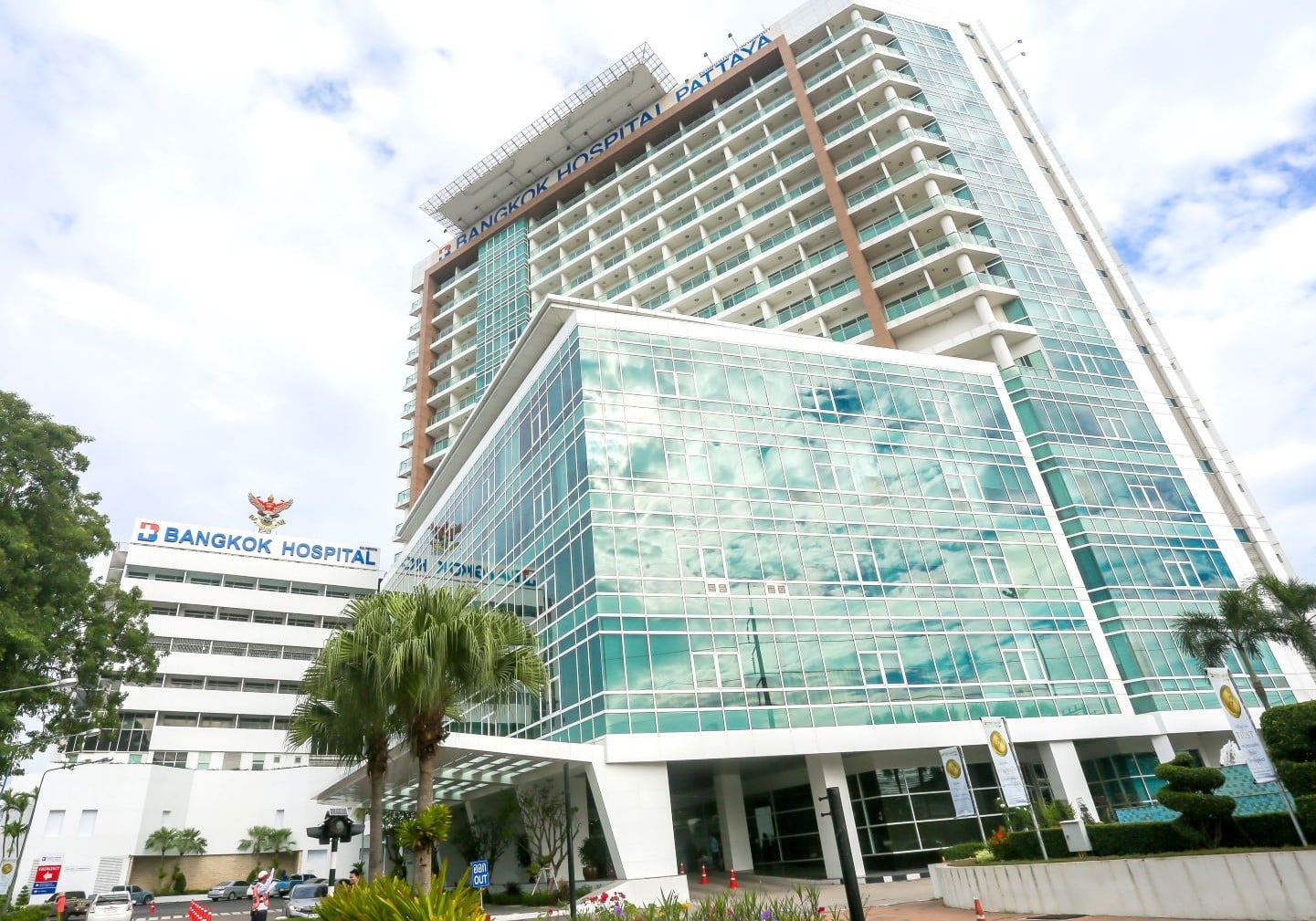
Perspectiva de los expertos de Bookimed: Los casos avanzados requieren centros de alta tecnología para obtener mejores resultados. Bumrungrad International Hospital es una opción de primer nivel para cirugía robótica y diagnósticos basados en IA. Se encuentra entre los 10 mejores hospitales del mundo y cuenta con acreditación JCI. Para experiencia regional, Bangkok Hospital Pattaya sirve como un importante centro de diagnóstico bajo los estándares JCI. Los pacientes internacionales se benefician al máximo de estos equipos multidisciplinarios para el cuidado complejo del cáncer de esófago.
| Tailandia | España | Turquía | |
|---|---|---|---|
| Resección del esófago | ≈ $18,000 / 666,000฿ | ≈ $22,000 / 814,000฿ | de $15,000 / 555,000฿ |
| Radioterapia para el cáncer colorrectal | ≈ $7,500 / 277,500฿ | de $7,500 / 277,500฿ | de $5,000 / 185,000฿ |
| Radioterapia para el carcinoma de esófago | ≈ $8,000 / 296,000฿ | de $6,000 / 222,000฿ | de $6,000 / 222,000฿ |
| Quimioterapia para el cáncer de mama | ≈ $5,000 / 185,000฿ | de $1,700 / 62,900฿ | de $3,000 / 111,000฿ |
| Quimioterapia para el carcinoma de esófago | ≈ $4,000 / 148,000฿ | de $1,100 / 40,700฿ | de $1,700 / 62,900฿ |
Sus beneficios y garantías con Bookimed
Precios directos
Bookimed no añade cargos extra a los precios de los tratamientos de Cáncer de esófago. Las tarifas proceden de las listas de precios oficiales de las clínicas. Pagará directamente en la clínica por su tratamiento a su llegada al país.
Sólo clínicas y médicos verificados
Bookimed está comprometido con su seguridad. Solo trabajamos con las clínicas que mantienen altos estándares internacionales en el tratamiento de Cáncer de esófago y cuentan con las licencias necesarias para atender a pacientes internacionales en todo el mundo.
Asistencia 24/7 gratuita
Bookimed ofrece asistencia experta gratuita. Un coordinador médico personal le apoya antes, durante y después de su tratamiento, resolviendo cualquier problema. Nunca estará solo en su viaje médico de tratamiento de Cáncer de esófago.

Su coordinador médico personal de Bookimed
- Le apoya en cada etapa
- Ayuda a elegir la clínica y el médico adecuados
- Asegura un acceso rápido y conveniente a la información
Descubra las mejores clínicas de tratamiento de Cáncer de esófago en Tailandia: 3 opciones verificadas y Precios








Compartir contenido
Historias en video de pacientes de Bookimed
 Olena Sikoza
Preguntas frecuentes sobre el tratamiento de Cáncer de esófago en Tailandia
¿Cuáles son las principales opciones de tratamiento para el cáncer de esófago que ofrecen los principales hospitales tailandeses?
Los principales hospitales tailandeses ofrecen atención multidisciplinaria para el cáncer de esófago mediante esofagectomía robótica, quimiorradioterapia y terapia neoadyuvante. Centros acreditados como el Bumrungrad International Hospital utilizan diagnósticos por PET/CT y planificación impulsada por IA. Estas instituciones combinan oncología, gastroenterología y cirugía torácica para un manejo integral del tumor.
- Técnicas quirúrgicas: Los hospitales utilizan esofagectomía robótica y laparoscópica para minimizar el tiempo de recuperación.
- Terapia integrada: Los médicos combinan quimioterapia y radioterapia como tratamiento neoadyuvante para reducir los tumores.
- Diagnósticos avanzados: Equipos especializados utilizan PET/CT y gastroscopia de alta definición para una estadificación precisa del cáncer.
- Intervenciones de apoyo: Los gastroenterólogos realizan colocación de stents endoscópicos para mantener la deglución y la ingesta nutricional.
Perspectiva del experto de Bookimed: Los centros oncológicos tailandeses como el Bumrungrad International Hospital se centran en la eficiencia de alto volumen. Atienden a más de 1 millón de pacientes anualmente en 70 departamentos especializados. Esta escala masiva les permite mantener comités de tumores específicos para casos complejos de esófago. Los pacientes se benefician de esta infraestructura
¿Qué hospitales de Bangkok son reconocidos por su atención de alta calidad contra el cáncer de esófago?
El Bumrungrad International Hospital y el Bangkok Hospital Headquarters son centros destacados para el tratamiento del cáncer de esófago. Estas instalaciones ofrecen servicios de oncología acreditados por la JCI. Utilizan diagnósticos PET/TC avanzados y cirugía robótica. Ambos hospitales brindan protocolos completos de esofagectomía y radiación para pacientes internacionales.
- Acreditación hospitalaria: Bumrungrad cuenta con la acreditación JCI y la Global Healthcare Accreditation (GHA).
- Tecnología quirúrgica: El Bangkok Hospital Headquarters ofrece cirugía asistida por robot para casos esofágicos complejos.
- Centro especializado: El Horizon Regional Cancer Center se centra específicamente en rutas oncológicas personalizadas.
- Herramientas de diagnóstico: Las instalaciones utilizan escaneos PET/TC e histopatología para una estadificación precisa del cáncer.
Opinión del experto de Bookimed: El Bumrungrad International Hospital gestiona un volumen masivo de 1.000.000 de pacientes al año. La mitad de ellos son visitantes internacionales. Este alto volumen asegura que sus 1.300 médicos mantengan sus habilidades clínicas al máximo nivel. Los grandes centros como este a menudo brindan una atención más integrada que las clínicas más pequeñas.
Consenso de los pacientes: Los pacientes valoran los hospitales donde los cirujan
¿Cuál es la tasa de éxito típica y la calidad de la atención para el tratamiento del cáncer de esófago en Tailandia?
Los centros de oncología tailandeses logran una supervivencia superior al 90 % para el cáncer de esófago en estadio temprano. Instalaciones como el Bumrungrad International Hospital cuentan con la acreditación de la Joint Commission International y clasificaciones de Newsweek. Los centros avanzados utilizan PET/TC y esofagectomía asistida por robot. Estas tecnologías garantizan una atención de alta calidad comparable a los estándares clínicos occidentales.
- Éxito en estadios tempranos: Los casos de estadio 0 reportan tasas de curación superiores al 90 % con resección.
- Precisión quirúrgica: Los centros tailandeses especializados logran tasas de eliminación completa de tumores superiores al 79 %.
- Tecnología robótica: Los hospitales de primer nivel utilizan cirugía robótica para reducir el dolor y acelerar la recuperación.
- Acreditación global: Las instalaciones mantienen los estándares de la Joint Commission International y la Global Healthcare Accreditation.
- Equipos especializados: Los consejos multidisciplinarios incluyen cirujanos torácicos, oncólogos médicos y gastroenterólogos.
Opinión del experto de Bookimed: La calidad de la atención en Tailandia está impulsada por volúmenes masivos de pacientes. El Bumrungrad International Hospital atiende a más de 1 millón de pacientes al año. Su personal maneja casos comp
¿La cirugía se realiza mediante técnicas mínimamente invasivas o robóticas?
Los centros de oncología tailandeses realizan la cirugía de cáncer de esófago utilizando técnicas mínimamente invasivas y asistidas por robot. Los cirujanos utilizan métodos laparoscópicos y toracoscópicos para extirpar tumores con alta precisión. Los principales hospitales de Bangkok y Pattaya cuentan con la acreditación JCI. Estas instalaciones se especializan en esofagectomías complejas para pacientes internacionales.
- Técnicas disponibles: Los cirujanos ofrecen esofagectomía laparoscópica, toracoscópica y asistida por robot.
- Tecnología clínica: Centros de primer nivel como Bumrungrad integran cirugía robótica e imágenes digitales.
- Estándares de acreditación: Los hospitales mantienen la Acreditación de Atención Médica Global y los protocolos de seguridad de la JCI.
- Capacidad de pacientes: Los centros principales atienden a más de 1 millón de pacientes al año con departamentos especializados.
Opinión del experto de Bookimed: Los hospitales tailandeses como el Bumrungrad International se encuentran entre los más avanzados tecnológicamente a nivel mundial. Nuestros datos muestran que estos centros manejan más de 190 nacionalidades anualmente. Este alto volumen en 70 departamentos garantiza que los equipos quirúrgicos mantengan una experiencia aguda en procedimientos oncológicos robóticos complejos. Los centros de alto volumen a menudo lo
¿Los objetivos del tratamiento son curativos o paliativos?
El tratamiento del cáncer de esófago en Tailandia persigue objetivos curativos o paliativos según el estadio. Los planes curativos para estadios tempranos suelen utilizar quimiorradioterapia neoadyuvante seguida de una esofagectomía. Los cuidados paliativos se centran en aliviar las obstrucciones para tragar mediante la colocación de stents o radioterapia dirigida cuando la curación no es posible.
- Enfoque curativo: Combina quimioterapia, radiación y cirugía para eliminar el tumor primario.
- Técnicas paliativas: Incluye stents y radioterapia para mejorar la nutrición y la calidad de vida.
- Diagnóstico avanzado: El PET/TC y la revisión histopatológica en centros acreditados por la JCI garantizan una estadificación precisa.
- Estándares de las instalaciones: Centros como el Bumrungrad International Hospital utilizan IA e imágenes digitales para la planificación.
Opinión del experto de Bookimed: Los centros de oncología tailandeses destacan por ofrecer una atención de doble vía en una sola instalación. El Bumrungrad International Hospital atiende a 500.000 pacientes internacionales anualmente utilizando 70 departamentos especializados. Esta escala permite a los pacientes transicionar sin problemas de una cirugía curativa a un apoyo paliativo si el estado clínico cambia. Los centros de alto volumen a menudo proporcionan resultados más estables p
¿Qué efectos secundarios se pueden esperar y cómo se controlan?
Los tratamientos del cáncer de esófago en Tailandia suelen causar fatiga, dificultades para tragar y pérdida de peso. Los cirujanos y oncólogos los controlan mediante un alivio proactivo del dolor y apoyo nutricional. Los centros acreditados por JCI en Bangkok y Pattaya utilizan diagnósticos avanzados como escáneres PET/TC para monitorear la recuperación y adaptar los protocolos de cuidados de apoyo.
- Apoyo para tragar: La terapia del habla y la deglución ayuda a los pacientes a pasar de líquidos a alimentos blandos de forma segura.
- Manejo nutricional: Los dietistas proporcionan planes de alto contenido calórico o sondas de alimentación temporales para prevenir una pérdida de peso peligrosa.
- Control del reflujo: Los médicos prescriben medicamentos reductores de ácido y recomiendan dormir elevados para controlar la regurgitación postquirúrgica.
- Alivio gastrointestinal: Los equipos médicos utilizan antieméticos modernos y ablandadores de heces para controlar las náuseas y el estreñimiento.
Perspectiva de experto de Bookimed: Los mejores hospitales de Tailandia, como Bumrungrad International, atienden a más de 1 millón de pacientes al año. Este volumen masivo significa que sus equipos de oncología saben exactamente cómo varían los efectos secundarios según la nacionalidad. A menudo asignan nutricionistas dedicados a los pacientes internacio
¿Cuánto tiempo deben permanecer los viajeros médicos en Tailandia después del tratamiento?
Los pacientes suelen permanecer en Tailandia de 14 a 21 días después de una cirugía de esófago. Este período garantiza la seguridad antes de los vuelos de larga distancia. Cubre la curación inicial de la herida y los chequeos postoperatorios esenciales. Los médicos deben confirmar que puede hidratarse y controlar el dolor de forma independiente antes de viajar.
- Recuperación de la cirugía: Reserve de 10 a 14 días para el monitoreo después de procedimientos complejos de esofagectomía.
- Autorización para volar: Los cirujanos requieren signos vitales estables e ingesta nutricional antes de autorizar el viaje.
- Duración de la visa: Las visas médicas a menudo otorgan de 60 a 90 días para la recuperación.
- Escáneres de seguimiento: Los escáneres PET/TC o TC postoperatorios generalmente ocurren dentro de la primera semana.
Perspectiva de experto de Bookimed: Aunque muchos esperan una salida rápida, los pacientes en centros de alto volumen como el Bumrungrad International Hospital a menudo permanecen más tiempo. Esta clínica atiende al 50% de pacientes internacionales y gestiona una alta complejidad. Los datos muestran que los procedimientos esofágicos mayores requieren 2 semanas de monitoreo local. Esto se alinea con los estándares de seguridad acreditados por JCI en las clínicas de Bangkok.
Consenso de los pacientes: Los p