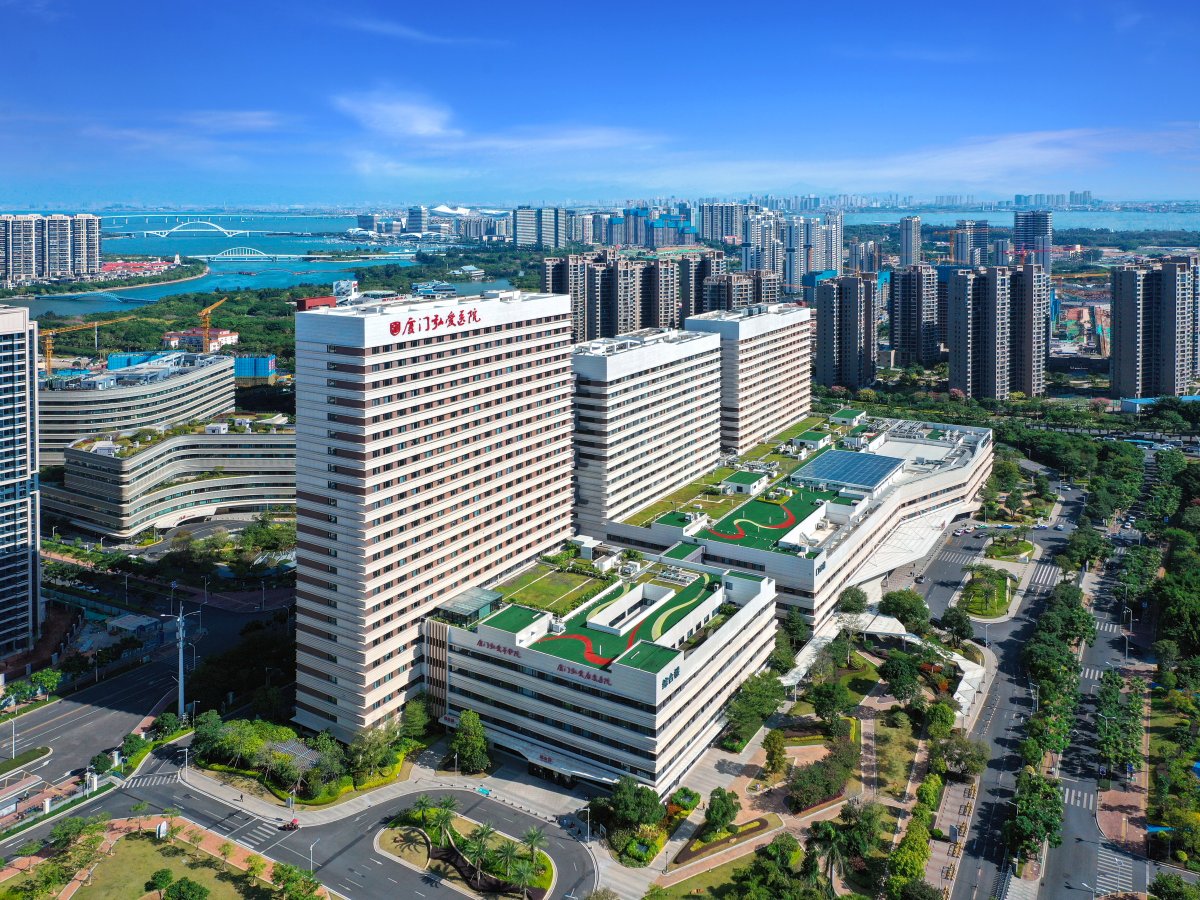
Hospital Xiamen Humanity
China, Xiamen


Revisado médicamente por
Fahad Mawlood
| China | España | Turquía | |
|---|---|---|---|
| Reparación laparoscópica de hernia inguinal | ≈ $6,400 | de $9,100 | de $4,800 |
| Cirugía de hernia inguinal | ≈ $2,800 | de $4,500 | de $4,300 |
Bookimed no añade cargos extra a los precios de los tratamientos de Hernia inguinal. Las tarifas proceden de las listas de precios oficiales de las clínicas. Pagará directamente en la clínica por su tratamiento a su llegada al país.
Bookimed está comprometido con su seguridad. Solo trabajamos con las clínicas que mantienen altos estándares internacionales en el tratamiento de Hernia inguinal y cuentan con las licencias necesarias para atender a pacientes internacionales en todo el mundo.
Bookimed ofrece asistencia experta gratuita. Un coordinador médico personal le apoya antes, durante y después de su tratamiento, resolviendo cualquier problema. Nunca estará solo en su viaje médico de tratamiento de Hernia inguinal.

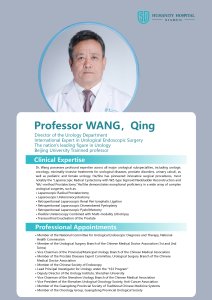
El Dr. Wang Qing es Director del Departamento de Urología y un experto internacional en cirugía endoscópica urológica. Fue pionero de la cistectomía radical laparoscópica con reconstrucción de neovejiga sigmoidea tipo WZ y de la prostatectomía según el método Wu. Su experiencia abarca la oncología urológica, la cirugía mínimamente invasiva, la patología prostática y los cálculos urinarios.
Domina la prostatectomía radical laparoscópica, la ureteroneocistostomía, la pieloplastia desmemb

La profesora Liang Xiaoxiao es Directora del Departamento y Jefa de Servicio de Neurorrehabilitación. Cuenta con una maestría en neurología. Es experta en neuromodulación para trastornos de la conciencia, la cognición y el movimiento. Su labor se centra en casos de enfermedad cerebrovascular, enfermedad de Parkinson y afecciones relacionadas. También realiza inyecciones de toxina botulínica guiadas por ecografía para el blefaroespasmo, el espasmo hemifacial, la espasticidad de las extremidade

 Olena Sikoza
En China, el único tratamiento definitivo para la hernia inguinal es la cirugía. Los métodos no quirúrgicos, como los vendajes o la medicina tradicional, solo alivian los síntomas y no corrigen el defecto físico de la pared abdominal. Las guías chinas respaldan la necesidad de intervención quirúrgica para prevenir complicaciones como la estrangulación.
Opinión de expertos de Bookimed: Los hospitales multidisciplinarios chinos, como el Hospital Humanitario de Xiamen, atienden a más de 1.000.000 de pacientes al año. Este enorme volumen garantiza equipos quirúrgicos altamente cualificados para los procedimientos rutinarios. Los grandes hospitales sin ánimo de lucro suelen priorizar los departamentos con mayor volumen de pacientes, como cirugía general. En estas modernas instalaciones, los pacientes pueden experimentar tiempos de
La cirugía mínimamente invasiva (CMI) es la técnica predominante en los hospitales chinos. Las técnicas laparoscópicas y robóticas representan hasta el 80 % de todas las intervenciones quirúrgicas. Las instituciones médicas suelen combinar la precisión de la cirugía occidental con la medicina tradicional china (MTC). Este enfoque integral busca reducir el dolor y acelerar la recuperación postoperatoria.
Opinión de los expertos de Bookimed: Si bien los centros líderes promueven las técnicas mínimamente invasivas, la cirugía plástica abierta con malla sigue siendo la predominante. Los datos de los hospitales públicos muestran que los cirujanos prefieren las técnicas abiertas por su rapidez y rentabilidad. Instituciones como el Hospital Humanitario de Xiamen atienden a 1.000.000 de pacientes al año, utilizando protocolos modernos de atención terciaria. Los pacientes que requieren atención
Por lo general, los pacientes retoman actividades ligeras, como caminar o trabajar en un escritorio, en 1 o 2 semanas. La cirugía laparoscópica de hernia inguinal en China suele permitir una recuperación más rápida. La mayoría de las personas retoman el ejercicio moderado y el levantamiento de pesas de menos de 4,5 kg en 3 o 4 semanas.
Opinión de expertos de Bookimed: El Hospital Humanitario de Xiamen atiende a más de 1.000.000 de pacientes al año, lo que lo convierte en un importante centro de atención terciaria. Este elevado volumen de pacientes suele ir acompañado de protocolos quirúrgicos estandarizados y departamentos de atención postoperatoria eficientes. Elegir un hospital multidisciplinario de alta capacidad ofrece acceso las 24 horas del día, los 7 días de la semana, a equipos de fisioterapia especializados. Este apoyo co
En China, los pacientes ancianos con hernias inguinales reciben un tratamiento especializado que considera las necesidades familiares y adopta un enfoque integral. Los cirujanos priorizan la cirugía laparoscópica para una pronta recuperación. Sin embargo, para pacientes mayores con mayor riesgo, la cirugía abierta puede ser una opción. Las decisiones médicas importantes suelen tomarse con la participación de los hijos adultos para garantizar la armonía familiar.
Opinión de expertos de Bookimed: El Hospital Humanitario de Xiamen atiende a más de 1.000.000 de pacientes anualmente en 47 departamentos. Este alto volumen de atención permite el desarrollo de protocolos mejorados para pacientes de edad avanzada. Los datos muestran que los centros especializados priorizan
El régimen de cirugía ambulatoria es un protocolo clínico en el que los pacientes se someten a cirugía y reciben el alta en un plazo de 24 horas. Para acceder al programa, se requiere un estado de salud estable, generalmente clasificado como ASA I o II. Este modelo utiliza técnicas mínimamente invasivas, como la reparación laparoscópica de la hernia inguinal, para una recuperación más rápida en casa.
Opinión de los expertos de Bookimed: En China, los hospitales terciarios sin fines de lucro, como el Hospital Humanitario de Xiamen, atienden a más de 1.000.000 de pacientes al año. Las grandes instituciones médicas suelen priorizar la cirugía ambulatoria para optimizar su capacidad de 1.000 camas. Pregunte sobre la cirugía con malla sin costuras, ya que esta técnica es el procedimiento ambulatorio más común.
Comentarios de los pacientes: Los pacientes señalan que, au
Para garantizar una cirugía de hernia inguinal segura, asegúrese de consultar con su cirujano sobre la técnica específica, el tipo de malla y la anestesia. Es fundamental hablar con él sobre las tasas de éxito y las estadísticas de recurrencia. Durante la consulta, averigüe cuándo podrá retomar sus actividades laborales, deportivas y conducir de forma segura.
Opinión de expertos de Bookimed: Si bien muchos se centran en el tamaño de los hospitales convencionales, los centros terciarios especializados, como el Hospital Humanitario de Xiamen, atienden a 1.000.000 de pacientes al año. Este alto volumen suele correlacionarse con un mayor nivel de habilidad quirúrgica en las reparaciones rutinarias de hernias. Pregunte siempre a su cirujano si realiza al menos 50 reparaciones de hernias al año. Las instituciones médicas más grandes de China suelen ofrecer un acceso más rápido a los ma