Clínica de Gastroenterología y Proctología Centro PAD
España, Madrid
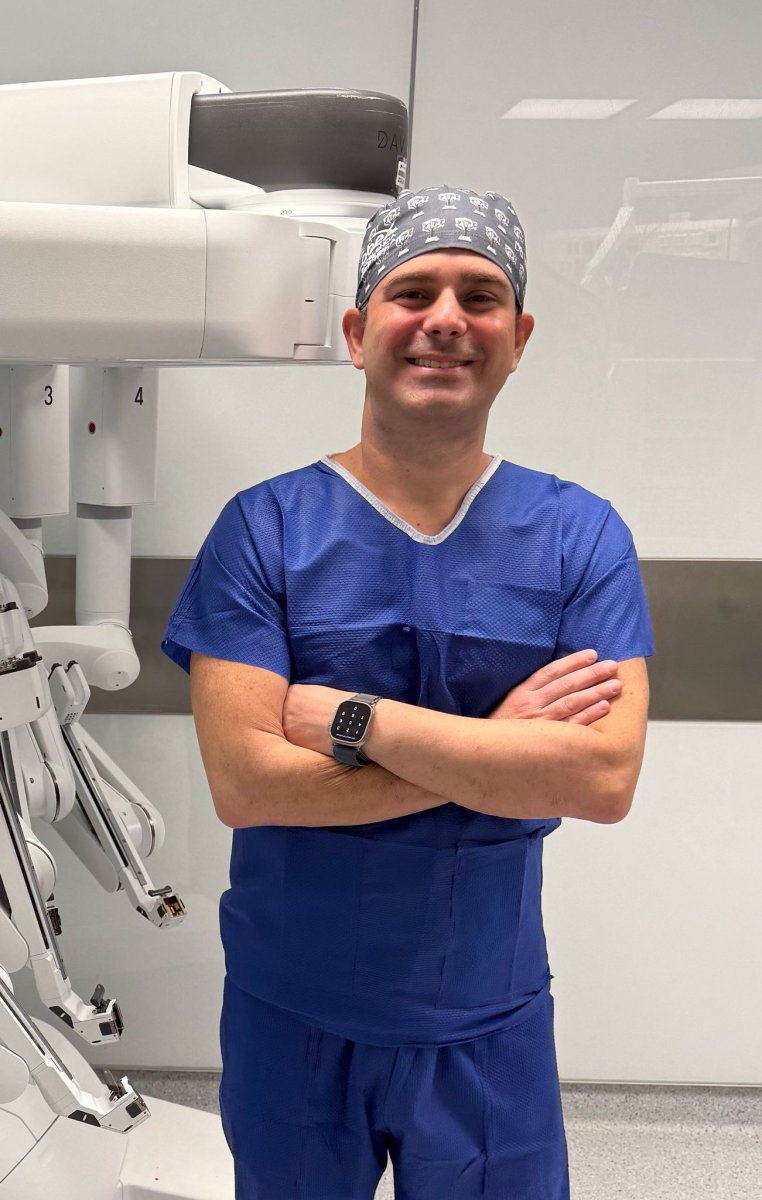
Carlos Garcia Vasquez
20 años de experiencia • 7000+ tratamientos realizados
Portafolio del cirujano
Clínica certificada por : 



Revisado médicamente por
Fahad Mawlood
| España | Turquía | México | |
|---|---|---|---|
| Reparación laparoscópica de hernia inguinal | de $9,300 | de $3,500 | ≈ $3,200 |
| Cirugía de hernia inguinal | de $7,300 | de $4,300 | de $2,800 |







Cirujano general y del aparato digestivo. Enfoque en cirugía colorrectal, proctológica y de pared abdominal mínimamente invasiva. Jefe adjunto, Hospital Universitario Infanta Elena (2021–). Cirujano asociado, Fundación Jiménez Díaz (2013–).
Acreditaciones: Doctor en Cirugía, sobresaliente cum laude (UAM). Certificado en cirugía robótica (Da Vinci X/Xi/5). Formación avanzada en cirugía general laparoscópica (IRCAD, Estrasburgo). Especialista en Cirugía General y del Aparato Digestivo (F
Más de 900 procedimientos de hernia inguinal realizados – El Dr. Centeno se especializa en cirugía laparoscópica en el Centro Médico Teknon.
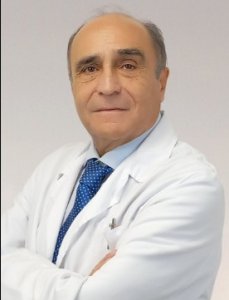
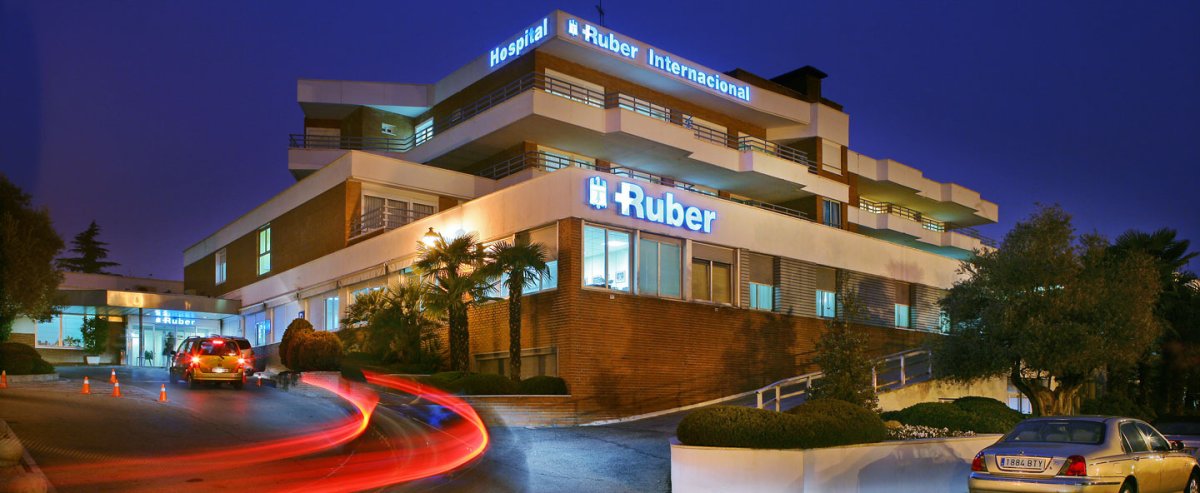
El Dr. César Canales dirige desde 2015 el Servicio de Cirugía General y del Aparato Digestivo y la Unidad de Cirugía Laparoscópica y Robótica del Hospital Ruber Internacional (Madrid). Es cirujano general y del aparato digestivo con más de 30 años de experiencia. Está especializado en cirugía laparoscópica y robótica Da Vinci para casos complejos abdominales, oncológicos y de la pared abdominal.
Doctor en Medicina (cum laude, UAM) y licenciado en Medicina (con honores, UCM). Completó l
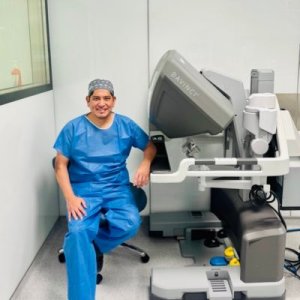
El Dr. César Lévano Linares es especialista en cirugía general y del aparato digestivo. Trabaja en el Hospital Universitario Rey Juan Carlos y en el Hospital Universitario Fundación Jiménez Díaz. Es reconocido por su labor en cirugía colorrectal laparoscópica.
Es doctor en Medicina y Cirugía por la Universidad Autónoma de Madrid. Completó un máster en cirugía colorrectal y del suelo pélvico en la Universidad de Zaragoza. Asimismo, posee un diploma en cirugía laparoscópica por la Univer
 Olena Sikoza
La cirugía abierta tradicional sigue siendo el estándar para la reparación de hernias inguinales en España. Representa aproximadamente el 94% de los casos. Las técnicas laparoscópicas están cada vez más disponibles en centros privados. Estas suelen reservarse para hernias bilaterales o recurrentes. La mayoría de los centros españoles utilizan mallas especializadas para la reparación.
Perspectiva del experto de Bookimed: Aunque la cirugía abierta es la base nacional, las clínicas privadas en Madrid y Barcelona priorizan la especialización sobre el volumen. Por ejemplo, el Centro PAD se centra específicamente en cirugía digestiva con solo dos médicos expertos. Este enfoque boutique a menudo garantiza que un especialista con doctorado como el Dr. Carlos García Vásquez realice las técnicas mínimamente invasivas más recientes. Los pacientes que buscan laparos
Los pacientes en España pueden volar generalmente de 4 a 10 días después de una operación de hernia inguinal. La cirugía laparoscópica generalmente permite viajar dentro de los 4 a 7 días. La cirugía abierta requiere esperar al menos 10 días antes de volar. Los vuelos de larga distancia pueden requerir esperar de 2 a 4 semanas.
Perspectiva del experto de Bookimed: Las clínicas españolas como el Centro PAD a menudo estructuran paquetes con una estancia hospitalaria de 1 día seguida de 2 días en un hotel local. Esta ventana de 3 días es fundamental para identificar signos tempranos de tensión. Elegir a un cirujano como el Dr. Carlos Garcia Vasquez, quien tiene más de 15 años de experiencia, puede ayudar a asegurar que la fase de curación inicial proceda sin problemas antes del viaje.
Consenso de los pacientes: Los pacientes enfatizan que, aunque la espera médica es corta, manejar equipaje pesado solo
La anestesia general no es obligatoria para la reparación de hernia inguinal en España. Muchos cirujanos ofrecen anestesia local para procedimientos de reparación abierta. Los pacientes pueden permanecer despiertos o recibir una sedación ligera para mayor comodidad. La anestesia general suele reservarse para reparaciones laparoscópicas o casos quirúrgicos muy complejos.
Opinión del experto de Bookimed: Aunque muchos eligen la cirugía laparoscópica por sus pequeñas incisiones, optar por una reparación abierta bajo anestesia local en España puede reducir significativamente su tiempo de recuperación. Los datos muestran que los pacientes que se someten a procedimientos con anestesia local a menudo regresan al trabajo en un plazo de 3 días. Los paquetes en clínicas como el Centro PAD en Madrid suelen incluir una estancia hospitalaria de 1 noche para garantizar la estabilida
Las tasas generales de recurrencia de hernias en España oscilan entre el 6,5 % y el 7,3 % para cirugías primarias. Las estimaciones a largo plazo pueden superar el 10 % en poblaciones que envejecen. Las unidades especializadas en pared abdominal y las técnicas laparoscópicas minimizan significativamente estos riesgos. Las mallas protésicas modernas siguen siendo el estándar para el refuerzo.
Perspectiva del experto de Bookimed: Aunque las tasas generales de recurrencia en España están disminuyendo, es vital seleccionar un cirujano con certificaciones específicas en pared abdominal. Por ejemplo, el Dr. Alfonso Garcia Fadrique en el Hospital Vithas Valencia Turia posee un doctorado en cirugía con honores. Su experiencia en la reparación robótica de la pared abdominal proporciona una ventaja técnica significativa pa
Barcelona y Madrid son los principales centros españoles para la cirugía de hernia de alto volumen. Estas ciudades ofrecen centros laparoscópicos especializados a menos de 20 minutos de los principales aeropuertos internacionales. Instalaciones como el Centro Médico Teknon y Ruber Internacional cuentan con acreditación JCI. Atienden a miles de pacientes internacionales cada año.
Perspectiva del experto de Bookimed: Aunque muchos eligen Barcelona por su entorno de recuperación costero, los centros de Madrid a menudo ofrecen unidades digestivas más enfocadas. El Centro PAD realiza aproximadamente 160 cirugías especializadas al año. El Dr. Carlos García Vásquez incluso posee una patente para sistemas protésicos de pared abdominal. Esto indica una profunda especialización en reconstrucciones complejas que los hospitales generales pueden no igualar.
Consenso de los pacientes: Los pacientes señalan que las