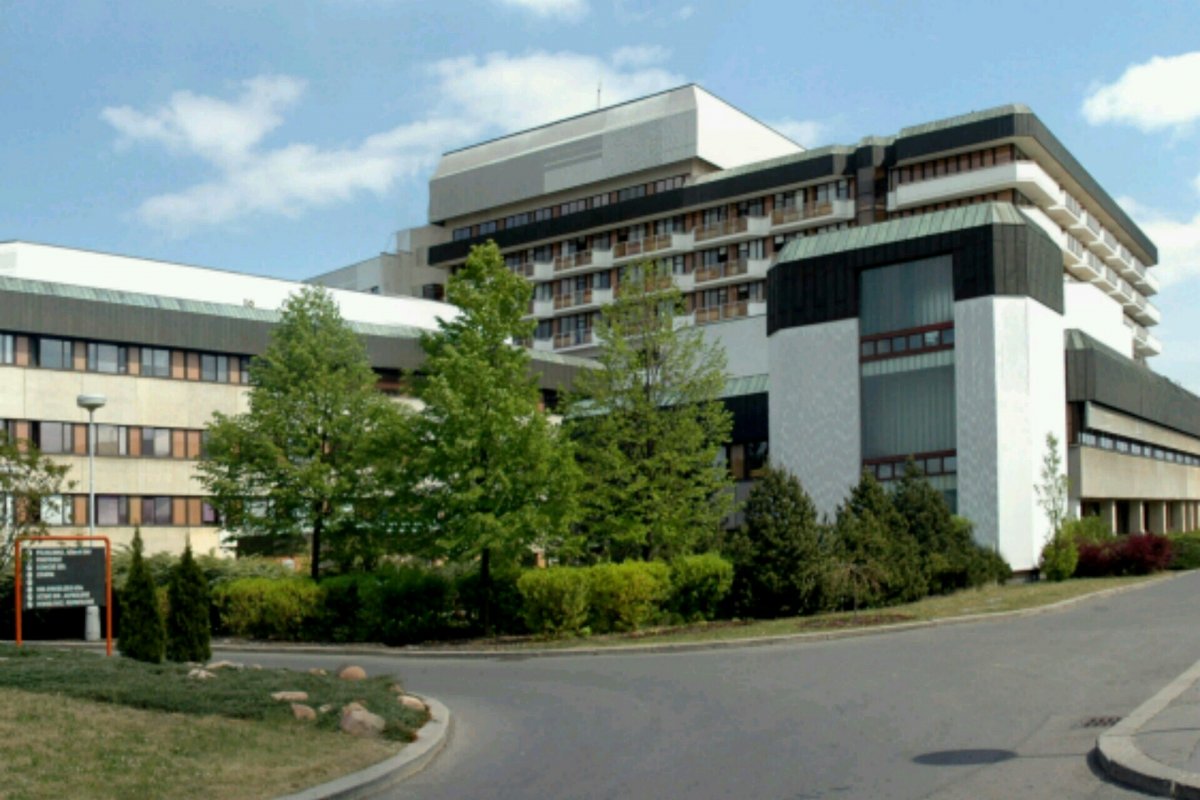
Robotic Surgery Center in St. Zdislava Hospital
República Checa, Velke Mezirici
Jaroslav Tvaruzek
36 años de experiencia

Clínica certificada por : 



Revisado médicamente por
Fahad Mawlood
El costo del tratamiento de hernia inguinal en la República Checa varía según el procedimiento elegido. La cirugía abierta tiene un precio de 1.140 €, mientras que un enfoque laparoscópico cuesta 5.225 €. Además, un paquete integral que incluye exámenes preoperatorios, cirugía bajo anestesia general y cuidado postoperatorio también comienza en 5.225 €. Cada opción de tratamiento se adapta a las necesidades específicas del paciente, asegurando un cuidado y recuperación óptimos.
| República Checa | España | Turquía | |
|---|---|---|---|
| Reparación laparoscópica de hernia inguinal | ≈ $2,300 | de $9,300 | de $3,500 |
| Cirugía de hernia inguinal | de $5,700 | de $7,300 | de $4,300 |
El Dr. Jaroslav Tvaruzek es un experto líder certificado en cirugía robótica por Intuitive Surgical, el fabricante de los robots Da Vinci, con más de 3500 cirugías robóticas realizadas.

El médico es el director del Hospital St. Zdislava y subdirector médico en el Centro de Cirugía Robótica. Especializado en cirugía bariátrica desde 2004, utiliza el robot Da Vinci para el tratamiento de la obesidad y realiza operaciones en la pared abdominal anterior, incluyendo el tensado de la piel y la eliminación de hernias.<\/p>
Con experiencia en cirugía oncológica, el médico tiene una amplia experiencia de su tiempo en el Hospital de Cirugía Oncológica en Brno. Posee una ce

 Olena Sikoza
La reparación laparoscópica de hernia inguinal está ampliamente disponible en la República Checa. Ofrece una recuperación significativamente más rápida que la cirugía abierta. Los cirujanos realizan las reparaciones a través de 3 pequeñas incisiones. La mayoría de los pacientes retoman sus actividades diarias en un plazo de 7 días. Esta técnica proporciona menos dolor inmediato y crónico en comparación con los métodos abiertos.
Perspectiva del experto de Bookimed: Aunque la cirugía abierta es común, centros checos como el Hospital St. Zdislava se especializan en laparoscopia asistida por robot. El Dr. Jaroslav Tvaruzek ha realizado más de 3.500 procedimientos utilizando el sistema Da Vinci. Esta tecnología proporciona a los cirujanos una visualización en 3D. Nuestros datos muestran que los centros de alto volumen a menudo combinan estas herramientas avanzadas con paquetes todo in
Verifique la certificación del cirujano ante la Cámara Médica Checa y busque acreditaciones SAK o JCI. Los especialistas líderes suelen realizar más de 100 reparaciones de hernia al año. Asegúrese de que el centro ofrezca técnicas laparoscópicas o robóticas para una recuperación más rápida e incluya pruebas preoperatorias integrales.
Perspectiva de expertos de Bookimed: Los centros checos como el Hospital St. Zdislava ofrecen un valor superior al combinar altos volúmenes quirúrgicos con logística todo incluido. Si bien la mayoría de las clínicas se centran en la atención local, aquellas que atienden a más de 17,000 pacientes al año suelen ofrecer traslados VIP y coordinadores especializados. Esta infraestructura es esencial para los pacientes internacionales que gestionan su recuperación lejos de casa.
Consenso de los pacientes: Los p
La mayoría de los pacientes internacionales permanecen en la República Checa de 7 a 10 días para una operación de hernia inguinal. Este plazo cubre las pruebas preoperatorias, una estancia hospitalaria de 1 a 3 días y la recuperación inicial. La mayoría de los cirujanos aprueban los viajes aéreos de 7 a 10 días después del procedimiento.
Opinión de expertos de Bookimed: Los paquetes con todo incluido en la República Checa a menudo ofrecen una ventana de recuperación más fiable que la reserva de servicios por separado. Por ejemplo, el paquete en Altoa | Czech Hospital of Beroun incluye 2 días de hospitalización seguidos de 4 días en un hotel. Esta estructura garantiza que usted permanezca bajo proximidad médica durante al menos 6 días, lo que se alinea perfectamente con la ventana de seguridad estándar para viajes internacionales.
Consenso de los p
La recuperación después de una hernioplastia en la República Checa generalmente permite una actividad ligera dentro de las 48 horas. Los pacientes generalmente regresan al trabajo de escritorio después de 7 a 10 días. Los ejercicios extenuantes y el levantamiento de objetos pesados permanecen restringidos durante 6 a 8 semanas. La mayoría de los pacientes alcanzan su capacidad física completa 3 meses después de la cirugía.
Perspectiva del experto de Bookimed: Los centros de cirugía robótica checos como el Hospital St. Zdislava ofrecen vías de recuperación más rápidas en comparación con los métodos tradicionales. El Dr. Jaroslav Tvaruzek ha realizado más de 3.500 operaciones robóticas. Estas técnicas a menudo permiten a los pacientes reanudar el levantamiento ligero de hasta 10 kg en la segunda semana. Las incisiones más pequeñas de los enfoques robóticos o laparoscópicos también significan
Las mallas ligeras y las tachuelas absorbibles son los estándares preferidos en las reparaciones laparoscópicas electivas en la República Checa. El uso de mallas de poro grande reduce las reacciones a cuerpos extraños y el riesgo de dolor crónico. Los cirujanos a menudo eligen la fijación con pegamento o mallas autoadherentes en lugar de tachuelas mecánicas para evitar la irritación de los nervios en la ingle.
Perspectiva del experto de Bookimed: Los centros de la República Checa, como el Hospital St. Zdislava, muestran una alta competencia técnica con más de 4.000 operaciones robóticas realizadas. Si bien las clínicas de alto volumen ofrecen materiales avanzados, el paquete todo incluido de 1.700 dólares en Altoa incluye un seguimiento específico. Esto garantiza que cualquier molestia postoperatoria temprana se gestione antes de que se vuelva crónica.
Consenso de los pacientes: Los pacientes señalan que las clínicas p
La cirugía de hernia en la República Checa puede retrasarse debido a infecciones activas, diabetes no controlada o presión arterial alta. Los cirujanos convierten a cirugía abierta si encuentran adherencias densas u obstrucciones técnicas. Los defectos grandes y el sangrado intraoperatorio también requieren la transición de técnicas laparoscópicas a abiertas por seguridad.
Perspectiva de expertos de Bookimed: Los centros robóticos checos como el Hospital St. Zdislava han realizado más de 4,000 operaciones. Nuestros datos muestran que los centros de alto volumen que utilizan la tecnología Da Vinci a menudo manejan casos complejos de manera más efectiva. Elegir un centro con capacidades robóticas puede reducir la probabilidad de conversión en comparación con la laparoscopia estándar.
Consenso de los pacientes: Lo
Los viajes postoperatorios para pacientes con hernia inguinal requieren priorizar la movilidad para mantener el flujo sanguíneo. Los pacientes deben caminar cada hora y usar prendas de compresión. Los tiempos de espera típicos para procedimientos abdominales oscilan entre 10 y 14 días. Este intervalo gestiona de forma segura los riesgos de expansión de gases a gran altitud.
Perspectiva de expertos de Bookimed: Las clínicas checas como el Hospital Altoa Horovice enfatizan una recuperación estructurada antes de viajar. Sus paquetes a menudo incluyen 2 días de hospitalización seguidos de 4 días en un hotel local. Este período supervisado de 6 días permite a médicos como el Dr. Petr Zeithaml realizar los exámenes de seguimiento necesarios. Este período de transición es más seguro