Hernia inguinal en Lituania: clínicas verificadas para su tratamiento


Revisado médicamente por
Fahad Mawlood
¿Cuál es el precio del diagnóstico y los tratamientos de Hernia inguinal en Lituania? Descubra ahora
| España | Turquía | |
|---|---|---|
| Reparación laparoscópica de hernia inguinal | de $9,300 | de $3,500 |
| Cirugía de hernia inguinal | de $7,300 | de $4,300 |
Sus beneficios y garantías con Bookimed
Precios directos
Bookimed no añade cargos extra a los precios de los tratamientos de Hernia inguinal. Las tarifas proceden de las listas de precios oficiales de las clínicas. Pagará directamente en la clínica por su tratamiento a su llegada al país.
Sólo clínicas y médicos verificados
Bookimed está comprometido con su seguridad. Solo trabajamos con las clínicas que mantienen altos estándares internacionales en el tratamiento de Hernia inguinal y cuentan con las licencias necesarias para atender a pacientes internacionales en todo el mundo.
Asistencia 24/7 gratuita
Bookimed ofrece asistencia experta gratuita. Un coordinador médico personal le apoya antes, durante y después de su tratamiento, resolviendo cualquier problema. Nunca estará solo en su viaje médico de tratamiento de Hernia inguinal.

Su coordinador médico personal de Bookimed
- Le apoya en cada etapa
- Ayuda a elegir la clínica y el médico adecuados
- Asegura un acceso rápido y conveniente a la información
Descubra las mejores clínicas de tratamiento de Hernia inguinal en Lituania: 2 opciones verificadas y Precios
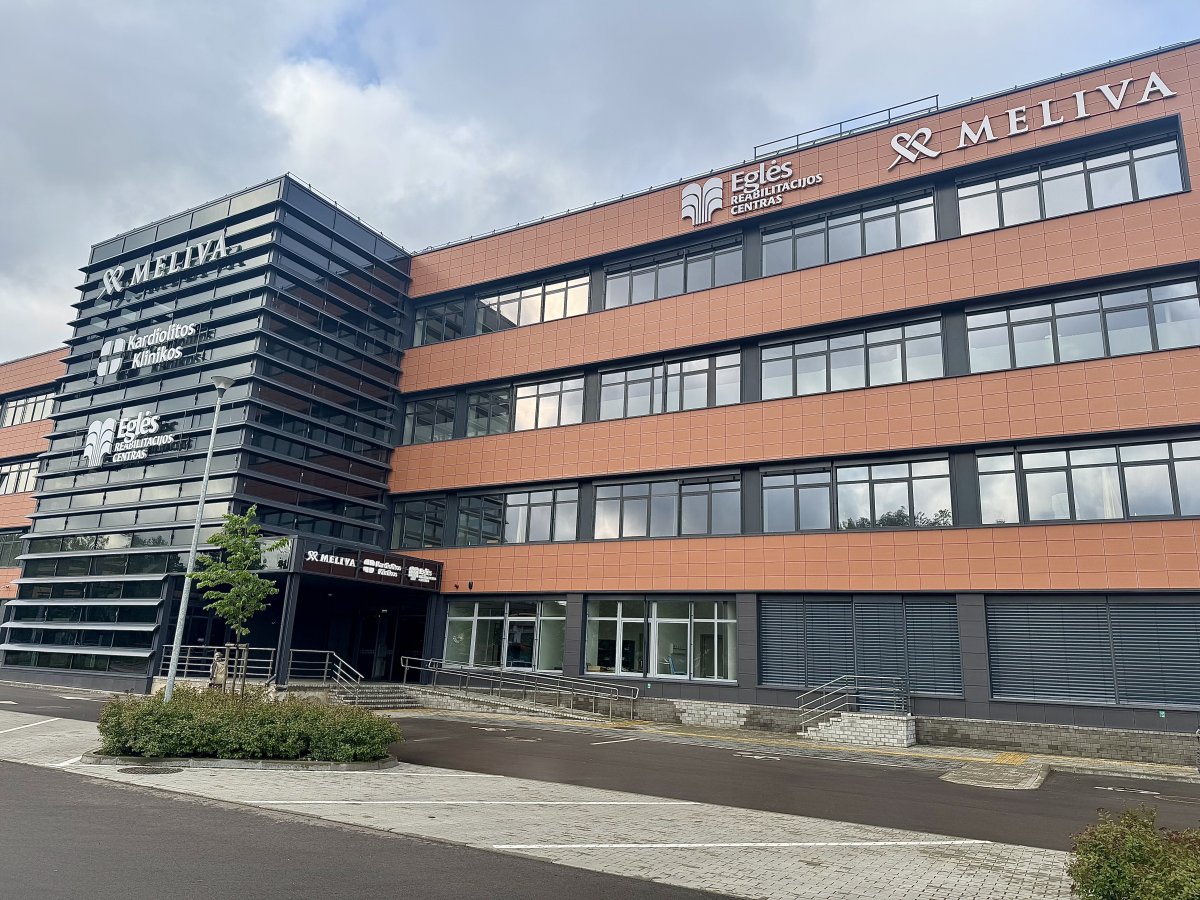



Obtenga una evaluación médica para Hernia inguinal en Lituania: consulte con doctores experimentados ahora
Ver todos los médicos
Vytautas Lipnickas
Como presidente del Comité de Auditoría de Cirugía Mínimamente Invasiva de Lituania, el Dr. Lipnickas da forma activamente a los estándares de la cirugía de hernia. Se especializa en procedimientos laparoscópicos en el Hospital Meliva Kardiolita.
- Graduado de la Facultad de Medicina del Hospital Universitario de Vilna
- Completó una residencia en cirugía laparoscópica y abdominal en el Hospital Universitario de Kaunas
- Cirujano senior en la división de cirugía general del Hospital Universitario de Vilna
- Miembro de las asociaciones europea y austriaca de hernia
- Autor de 24 artículos científicos citados en la comunidad médica
Compartir contenido
Historias en video de pacientes de Bookimed
 Olena Sikoza
Preguntas frecuentes sobre el tratamiento de Hernia inguinal en Lituania
¿Cuáles son las principales técnicas quirúrgicas utilizadas para la reparación de hernias inguinales en Lituania?
Lituania utiliza técnicas laparoscópicas TAPP y TEP, cirugía robótica da Vinci y reparaciones abiertas de Lichtenstein para la hernia inguinal. Los cirujanos utilizan principalmente mallas modernas como ProGrip o variantes 3D para garantizar una tasa de éxito del 99 %. Estos procedimientos se realizan con frecuencia como cirugías ambulatorias en clínicas acreditadas por la JCI.
- TAPP laparoscópica: Los cirujanos ingresan a la cavidad abdominal mediante pequeñas incisiones para la reparación de hernias bilaterales.
- TEP laparoscópica: Esta técnica aborda la hernia sin ingresar a la cavidad abdominal.
- Reparación de Lichtenstein: Una cirugía abierta sin tensión que utiliza una malla sintética para reforzar la pared.
- Cirugía robótica: La tecnología da Vinci de alta precisión está disponible para hernias complejas o recurrentes.
Perspectiva de expertos de Bookimed: Los datos muestran que las clínicas lituanas como el Hospital Meliva Kardiolita y el Centro de Diagnóstico y Tratamiento Médico son centros de gran volumen. Solo el Hospital Meliva Kardiolita atiende a 298.000 pacientes al año. Este volumen es significativo porque cirujanos como el Dr. Vytautas Lipnickas manejan diversos casos abdominales. Los grandes centros a menudo ofrecen mallas 3D que reflejan el equipo utilizado en Alemania o Suiza.
Consenso de los pacientes:
¿Cuánto tiempo permaneceré en el hospital y qué tan pronto puedo viajar después de una cirugía de hernia inguinal en Lituania?
Los pacientes con hernia inguinal en Lituania suelen permanecer en el hospital de 0 a 1 noche. La cirugía laparoscópica a menudo permite el alta el mismo día. Debe esperar de 7 a 14 días antes de realizar vuelos de corta distancia. Los viajes de larga distancia a menudo requieren de 3 a 6 semanas por seguridad.
- Estancia hospitalaria: Espere el alta dentro de las 24 horas para procedimientos laparoscópicos sin complicaciones.
- Técnica quirúrgica: Los métodos de mínima invasión en centros como Hila facilitan tiempos de recuperación más rápidos.
- Cronograma de vuelo: Los vuelos cortos son generalmente seguros después de 7 días de la cirugía.
- Límites de conducción: Conducir localmente es posible después de 2 a 5 días sin dolor.
- Restricciones de peso: Evite levantar más de 10 kg durante 4 a 6 semanas.
Perspectiva del experto de Bookimed: Elegir un especialista con altas credenciales académicas puede afectar la velocidad de recuperación. El Dr. Vytautas Lipnickas del Hospital Meliva Kardiolita ha publicado 24 artículos científicos. Sus más de 20 años de experiencia en laparoscopia a menudo garantizan reparaciones eficientes y mínimamente invasivas. Este nivel de experiencia generalmente conduce a un alta más temprana dentro de un día.
Consenso de los pacientes: Muchos pacientes descubren que pue
¿Qué debo preguntarle al cirujano durante mi consulta para confirmar que estoy eligiendo la técnica y la clínica adecuadas?
Confirme la experiencia del cirujano preguntando por su volumen personal de reparaciones laparoscópicas y abiertas. Infórmese sobre sus tasas específicas de recurrencia y dolor crónico a lo largo de 5 años. Verifique el estado de acreditación de la clínica por parte de la Joint Commission International (JCI). Asegúrese de que el centro ofrezca asistencia de emergencia 24/7.
- Frecuencia de procedimientos: Pregunte por el número de casos anuales personales del cirujano para hernias inguinales.
- Justificación de la técnica: Discuta por qué la cirugía laparoscópica o abierta es la mejor para su caso específico.
- Métricas de éxito: Solicite la tasa de recurrencia personal del cirujano en comparación con los promedios nacionales o internacionales.
- Seguridad de las instalaciones: Confirme que la clínica mantiene los estándares de acreditación de JCI o Temos International Healthcare.
Perspectiva del experto de Bookimed: Los centros de gran volumen en Vilna ofrecen una ventaja de seguridad significativa para los pacientes internacionales. El Hospital Meliva Kardiolita trata a 298.000 pacientes al año con 510 médicos en plantilla. Esta escala permite un enfoque especializado, con cirujanos como el Dr. Vytautas Lipnickas ocupando cargos de liderazgo en comités de auditoría de cirugía mínimamente invasiva. Elegir a un cirujano con una participación ta
¿Qué clínicas lituanas son reconocidas internacionalmente por la seguridad en cirugías de hernia inguinal y apoyo al turismo médico?
Lituania es un destino de primer nivel para cirugías seguras de hernia inguinal, contando con instalaciones acreditadas por la Joint Commission International (JCI) en Vilna. Clínicas como el Hospital Meliva Kardiolita y el Centro de Diagnóstico y Tratamiento Médico (Hila) cumplen con los estrictos estándares médicos de la Unión Europea. Ofrecen apoyo especializado para pacientes internacionales.
- Acreditación hospitalaria: Las certificaciones de JCI y Temos International garantizan estándares globales de seguridad del paciente.
- Experiencia quirúrgica: El Dr. Vytautas Lipnickas en Kardiolita cuenta con más de 20 años de experiencia.
- Volumen de pacientes: Meliva Kardiolita trata a 298,000 pacientes anualmente en 33 departamentos médicos.
- Enfoque internacional: Aproximadamente el 10% de los pacientes en Hila viajan desde el Reino Unido o Irlanda.
Perspectiva del experto de Bookimed: Aunque muchas clínicas destacan la cirugía general, los mejores resultados para hernias inguinales en Lituania provienen de centros con unidades dedicadas a la cirugía mínimamente invasiva. El Dr. Vytautas Lipnickas preside el Comité de Auditoría de Cirugía Mínimamente Invasiva de Lituania y pertenece a la Asociación Europea de Hernias. Elegir a un cirujano con estas membresías específicas enfocadas en hernias asegura que se mantenga actualizado sobre las última
¿Cómo es la recuperación día a día tras una reparación de hernia inguinal laparoscópica frente a una abierta?
La reparación laparoscópica suele permitir la actividad diaria en un plazo de 4 días, en comparación con los 10 días de la cirugía abierta. Los pacientes a menudo regresan al trabajo de escritorio para el día 7. La autorización completa para el entrenamiento de alta intensidad generalmente se otorga en la semana 4 para procedimientos laparoscópicos y en la semana 6 para los abiertos.
- Recuperación inicial: Los pacientes laparoscópicos reanudan la marcha el mismo día y reportan menos dolor inmediato.
- Regreso al trabajo: Las tareas sedentarias a menudo se reanudan dentro de los 3 a 7 días posteriores a la cirugía.
- Límites físicos: La reparación abierta requiere evitar levantar objetos pesados durante aproximadamente 6 a 12 semanas.
- Manejo de gases: Los pacientes laparoscópicos pueden sentir dolor temporal en el hombro durante 48 horas debido al gas CO2.
Perspectiva del experto de Bookimed: La calidad de la recuperación en Lituania depende significativamente del volumen quirúrgico. El Dr. Vytautas Lipnickas del Hospital Meliva Kardiolita aporta experiencia de más de 20 años en cirugía abdominal. Elegir especialistas altamente experimentados que pertenezcan a la Asociación Europea de Hernias ayuda a garantizar la tasa de supervivencia estandarizada del 99% para estos procedimientos.
Consenso de los pacientes: Los paci
¿Cuándo se elige la reparación sin malla en Lituania y cambia esto el riesgo de recaída?
Los cirujanos lituanos eligen la reparación sin malla para pacientes con sensibilidad a materiales sintéticos o infecciones activas. Este enfoque basado en tejidos evita reacciones a cuerpos extraños pero aumenta el riesgo de recaída. Los datos clínicos muestran tasas de recurrencia sin malla de alrededor del 4,2 % al 7,1 %. Las reparaciones estándar con malla mantienen tasas más bajas, por debajo del 3 %.
- Perfiles de candidatos: Ideal para hernias primarias más pequeñas y pacientes con tejido conectivo de alta calidad.
- Estándares clínicos: La reparación con malla de Lichtenstein sigue siendo el estándar principal en los centros lituanos acreditados por la JCI.
- Comparaciones de recaídas: Las técnicas sin malla conllevan un riesgo de reoperación hasta cuatro veces mayor en 8 años.
- Tiempo de recuperación: Los pacientes a menudo requieren de 4 a 6 semanas de recuperación en comparación con las 2 semanas para las mallas.
Perspectiva del experto de Bookimed: Aunque la malla es el estándar, Lituania ofrece una experiencia de alto nivel para casos complejos a través de cirujanos como el Dr. Vytautas Lipnickas. Él es presidente del Comité de Auditoría de Cirugía Mínimamente Invasiva. Elegir a un cirujano con este nivel de liderazgo garantiza el acceso a los protocolos internacionales de hernia más actuales. Esto puede ayudar a reducir los riesg
¿Qué pruebas preoperatorias deben completarse en Lituania y con qué rapidez se puede programar una cirugía?
Las clínicas privadas lituanas requieren pruebas preoperatorias de 10 a 14 días antes de la cirugía. Los centros privados como el Hospital Meliva Kardiolita y el Medical Diagnostic and Treatment Center programan los procedimientos en un plazo de 2 a 4 semanas. Este plazo es mucho más rápido que la espera de 6 a 18 meses del sistema público.
- Perfil sanguíneo: Hemograma completo, marcadores de coagulación y pruebas metabólicas de glucosa.
- Detección de infecciones: Marcadores virales obligatorios, incluidos hepatitis B, C y VIH.
- Examen cardíaco: Los electrocardiogramas de rutina controlan la salud del corazón antes de la anestesia general o local.
- Velocidad de programación: Cirujanos como el Dr. Vytautas Lipnickas ofrecen consultas y presupuestos en un plazo de 4 días.
Perspectiva del experto de Bookimed: El volumen de pacientes influye en la velocidad más que el nivel de equipamiento de la clínica. El Hospital Meliva Kardiolita atiende a 298.000 pacientes al año a pesar de tener menos departamentos que sus competidores. Este alto volumen sugiere vías logísticas optimizadas. Los pacientes a menudo aseguran fechas de cirugía dentro de la semana posterior a la finalización de las pruebas en estos centros privados especializados.
Consenso de los pacientes: Los pacientes señalan que traer resultados de laboratorio recie