Hernia inguinal Tratamiento en Corea del Sur — Costos 2026


Revisado médicamente por
Fahad Mawlood
¿Cuál es el precio del diagnóstico y los tratamientos de Hernia inguinal en Corea del Sur? Descubra ahora
| Corea del Sur | España | Turquía | |
|---|---|---|---|
| Reparación laparoscópica de hernia inguinal | de $5,000 | de $9,100 | de $4,800 |
| Cirugía de hernia inguinal | de $4,100 | de $4,500 | de $4,300 |
Sus beneficios y garantías con Bookimed
Precios directos
Bookimed no añade cargos extra a los precios de los tratamientos de Hernia inguinal. Las tarifas proceden de las listas de precios oficiales de las clínicas. Pagará directamente en la clínica por su tratamiento a su llegada al país.
Sólo clínicas y médicos verificados
Bookimed está comprometido con su seguridad. Solo trabajamos con las clínicas que mantienen altos estándares internacionales en el tratamiento de Hernia inguinal y cuentan con las licencias necesarias para atender a pacientes internacionales en todo el mundo.
Asistencia 24/7 gratuita
Bookimed ofrece asistencia experta gratuita. Un coordinador médico personal le apoya antes, durante y después de su tratamiento, resolviendo cualquier problema. Nunca estará solo en su viaje médico de tratamiento de Hernia inguinal.

Su coordinador médico personal de Bookimed
- Le apoya en cada etapa
- Ayuda a elegir la clínica y el médico adecuados
- Asegura un acceso rápido y conveniente a la información
Descubra las mejores clínicas de tratamiento de Hernia inguinal en Corea del Sur: 6 opciones verificadas y Precios
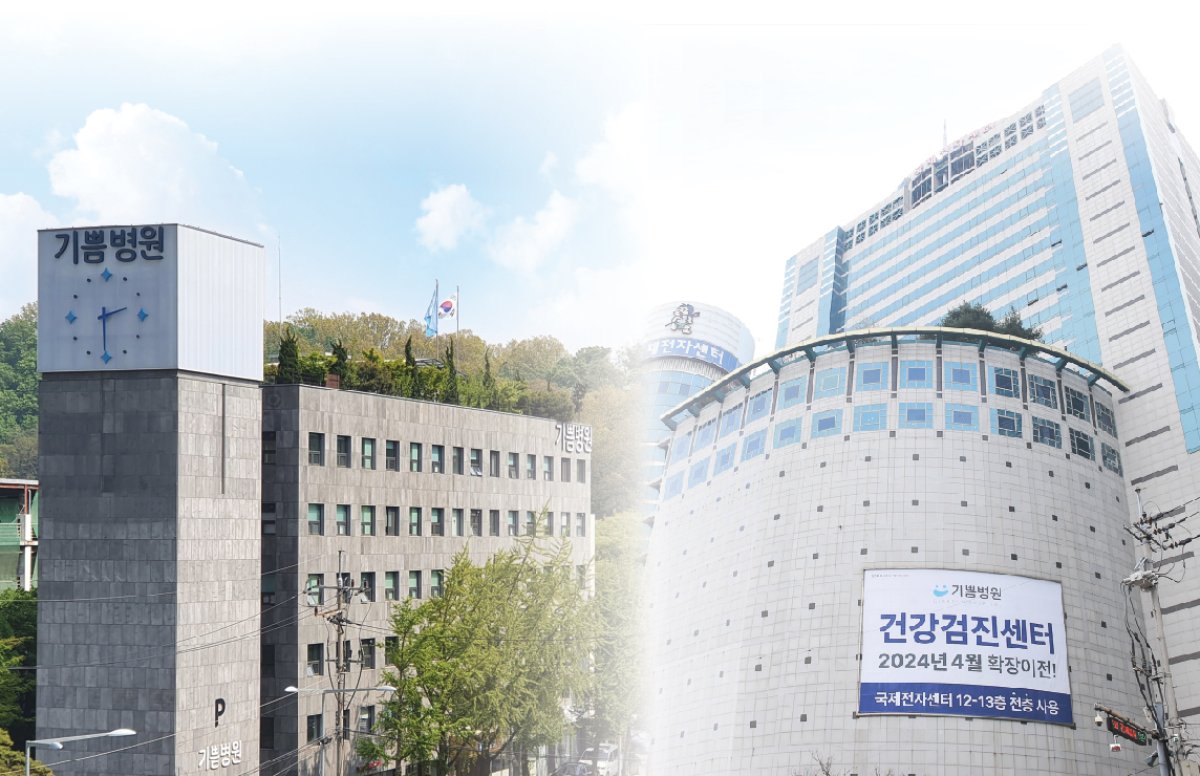










Hospital de mujeres MizMedi (MizMedi Women`s hospital)


Obtenga una evaluación médica para Hernia inguinal en Corea del Sur: consulte con doctores experimentados ahora
Ver todos los médicos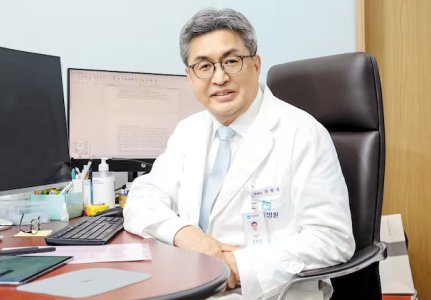
Yoon Sik Kang
El Dr. Yoon Shik Kang, M.D., Ph.D., es presidente y fundador del Hospital Gibbeum, el único hospital general de especialidad quirúrgica de Corea. El Dr. Kang es pionero en cirugía de hernia y colorrectal. Tiene más de 30 años de experiencia y ha realizado más de 40.000 operaciones, incluidas más de 20.000 reparaciones de hernia sin malla. Fue clasificado como el especialista en proctología n.º 1 por Dong‑A Ilbo. Recibió el Premio Hanmi True Medical 2016.
El Dr. Kang desarrolló la Kang
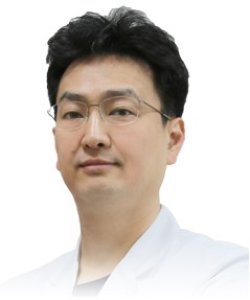
Kim Taekhyeon
El Dr. Kim Taekhyeon es cirujano gastrointestinal y jefe de Cirugía Gastrointestinal en el Hospital Naeun. Obtuvo los títulos de M.D. y M.S. en la Facultad de Medicina de la Universidad Chung‑Ang. Realizó el internado en el Hospital Sungae y la residencia de cirugía general en el Hospital Universitario Chung‑Ang. Posteriormente completó una subespecialización en cirugía gastrointestinal en el Seoul St. Mary’s Hospital. Anteriormente fue cirujano adjunto en el Gwangmyeong Sungae Hospital.
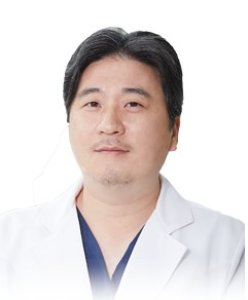
Park Sundo
El Dr. Park Sundo es especialista en cirugía general y del aparato digestivo en el Hospital Naeun. Su experiencia abarca cirugía colorrectal, proctológica, mamaria, tiroidea, laparoscópica, biliar, pancreática y pediátrica.
Sus tratamientos clave incluyen cirugía proctológica, como la hemorroidectomía y el tratamiento de las hemorroides y la fístula anal. Realiza cirugía laparoscópica para cálculos biliares (colelitiasis) y apendicitis. Su atención oncológica abarca el cáncer gástrico
Compartir contenido
Historias en video de pacientes de Bookimed
 Olena Sikoza
Preguntas frecuentes sobre el tratamiento de Hernia inguinal en Corea del Sur
¿Qué tan segura es la reparación laparoscópica de hernia inguinal en Corea del Sur?
La reparación laparoscópica de hernia inguinal en Corea del Sur es altamente segura, con una tasa de eficacia del 95%. Instalaciones como el Hospital Severance mantienen la acreditación de la Joint Commission International y utilizan sistemas de seguridad digitalizados. Los procedimientos generalmente implican incisiones mínimas, lo que garantiza la recuperación para las actividades diarias en 1 a 2 semanas.
- Tasas de éxito: Los centros médicos coreanos reportan aproximadamente un 95% de eficacia en las reparaciones de hernias.
- Seguridad avanzada: Las clínicas utilizan IA e imágenes digitales para prevenir errores médicos.
- Técnicas especializadas: Los métodos sin malla desarrollados por cirujanos reportan tasas de recurrencia inferiores al 0,2%.
- Certificaciones: Las instalaciones a menudo poseen acreditaciones KOIHA y JCI para una alta seguridad.
Perspectiva del experto de Bookimed: Si bien muchos buscan opciones laparoscópicas, la técnica patentada Kang Repair en el Hospital General Gibbeum ofrece una seguridad única para pacientes de edad avanzada. Este método sin malla utiliza anestesia local, evitando riesgos generales, y el Dr. Yoon Sik Kang ha realizado más de 20,000 procedimientos de este tipo. Este alto volumen de cirujano reduce significativamente las posibles complicaciones en comparación con los cirujanos generales.
¿Qué cualificaciones tienen los cirujanos de hernia coreanos?
Los cirujanos de hernia coreanos son cirujanos generales certificados con una formación médica rigurosa. Completan un título de medicina de 6 años seguido de una pasantía y residencia de 5 años. Muchos poseen títulos avanzados de Maestría en Ciencias o doctorados (Ph.D.) de instituciones prestigiosas como la Universidad Nacional de Seúl.
- Certificación de especialista: Los cirujanos deben estar certificados por la Sociedad Coreana de Cirugía.
- Experiencia clínica: Los expertos líderes a menudo realizan más de 20.000 cirugías durante su carrera.
- Títulos avanzados: Los mejores especialistas frecuentemente poseen títulos de M.D. y Ph.D. en medicina.
- Acreditación hospitalaria: Los cirujanos trabajan en instalaciones con acreditaciones de calidad KOIHA o JCI.
Perspectiva del experto de Bookimed: El panorama quirúrgico de Corea presenta hospitales únicos altamente especializados en lugar de solo grandes centros generales. Por ejemplo, el Hospital General Gibbeum es el único hospital de especialidad quirúrgica en el país. El Dr. Yoon Sik Kang ha realizado allí más de 40.000 procedimientos y desarrolló su propia técnica sin malla. Este nivel de especialización es raro y a menudo conduce a tasas de recurrencia muy bajas.
Consenso de los pacientes: Los pacientes señalan que es importante confirmar el volumen de casos específ
¿Qué técnica quirúrgica se prefiere y se puede elegir el tipo de malla?
Las técnicas laparoscópicas como TEP y TAPP son preferidas para una recuperación más rápida. Sin embargo, Corea del Sur también ofrece alternativas únicas sin malla. Los pacientes pueden elegir entre reparaciones sintéticas, biológicas o sin malla. Los centros especializados ofrecen cirugía asistida por robot para casos complejos utilizando el sistema da Vinci.
- Enfoque estándar: La cirugía laparoscópica representa aproximadamente el 90% de los casos modernos.
- Opción sin malla: La reparación de Kang utiliza anestesia local y no implica materiales extraños.
- Tasa de recurrencia: Las técnicas especializadas sin malla reportan una tasa de recurrencia inferior al 0,2%.
- Tiempo de recuperación: Los pacientes generalmente regresan a actividades ligeras dentro de una semana después de la cirugía.
Perspectiva del experto de Bookimed: Mientras que muchos centros globales priorizan la malla estándar, especialistas coreanos como el Dr. Yoon Sik Kang ofrecen un paquete único de "Reparación Kang" sin malla en el Hospital General Gibbeum. Esta opción con todo incluido de $6,500 es particularmente valiosa para los pacientes preocupados por el dolor crónico, que se mantiene por debajo del 0,5% con esta técnica. El paquete también incluye una tomografía computarizada y traslados al aeropuerto, lo que lo convierte en una opción altamente optimizada para pac
¿Cuál es el cronograma típico de recuperación y cuándo puedo volar a casa?
Los pacientes generalmente pueden volar a casa de 3 a 5 días después de una cirugía laparoscópica de hernia inguinal. Las técnicas especializadas sin malla en Seúl permiten una recuperación rápida y el alta el mismo día. Los vuelos de corta distancia suelen ser seguros dentro de las 48 horas. Los viajes de larga distancia requieren la autorización de un cirujano y el uso de medias de compresión.
- Estancia hospitalaria: La mayoría de los pacientes califican para el alta el mismo día o una estancia de 1 noche.
- Nivel de actividad: El trabajo de oficina y caminar suavemente son posibles dentro de 1 a 2 semanas.
- Técnica quirúrgica: La reparación de Kang sin malla utiliza anestesia local para permitir una movilización más rápida.
- Ventana de seguridad: Los riesgos de coágulos son mayores durante los 10 días posteriores a los procedimientos abdominales.
Opinión de expertos de Bookimed: Elegir centros especializados sin malla en Seúl puede reducir significativamente los riesgos de recuperación a largo plazo. El Dr. Yoon Sik Kang ha realizado más de 20,000 reparaciones con una tasa de recurrencia inferior al 0.2%. Esta técnica específica evita los riesgos de cuerpos extraños. Es especialmente beneficiosa para pacientes internacionales que deben volar poco después del tratamiento.
Consenso de los pacientes: Los pacientes inf
¿Soy candidato para una cirugía ambulatoria si tengo comorbilidades leves?
Los pacientes con comorbilidades leves suelen ser candidatos para cirugía ambulatoria en Corea del Sur. Los centros suelen aceptar a aquellos con un estado físico estable de Clase I o II. Condiciones como la hipertensión o la diabetes deben estar bien controladas antes del procedimiento. La anestesia local mejora aún más la seguridad para los grupos de mayor riesgo.
- Criterios de estabilidad: Las condiciones crónicas como el asma o la hipertensión deben estar optimizadas y médicamente estables.
- Estado físico: Los cirujanos aceptan habitualmente a pacientes de Clase ASA I y II para el alta el mismo día.
- Tipo de anestesia: Las opciones de anestesia local, como las utilizadas en el Hospital Gibbeum, aumentan la idoneidad para el tratamiento ambulatorio.
- Límites de peso: Los pacientes con un IMC inferior a 40 son generalmente candidatos si las comorbilidades están controladas.
Opinión de expertos de Bookimed: Elegir técnicas especializadas como la reparación de Kang puede ampliar la candidatura para pacientes con comorbilidades. Este método sin malla en el Hospital General Gibbeum utiliza anestesia local en lugar de general. Esto reduce el estrés sistémico para pacientes ancianos o aquellos con problemas cardíacos menores. El Dr. Yoon Sik Kang ha realizado más de 20.000 reparaciones de este tipo con una tasa de éxito del 99,8 %. Este enfoque
¿Serán visibles las cicatrices y cómo se minimizan?
Las cicatrices de hernia inguinal suelen ser mínimas gracias a las técnicas coreanas avanzadas. Los métodos laparoscópicos dejan tres marcas de menos de 1 cm. Estas a menudo se desvanecen hasta convertirse en líneas tenues en un plazo de 12 meses. Los cirujanos expertos utilizan técnicas de cierre meticulosas. Estos métodos priorizan los resultados estéticos y la rápida curación de la piel.
- Enfoque quirúrgico: Las reparaciones laparoscópicas dejan pequeñas incisiones de entre 0,5 y 1 cm.
- Reparación de Kang: Esta técnica sin malla utiliza incisiones mínimas y evita complicaciones sintéticas.
- Método de cierre: Los hospitales especializados en cirugía se centran en una recuperación rápida y en la estética.
- Cronología de recuperación: Las cicatrices suelen alcanzar su punto máximo de enrojecimiento a los 3 meses antes de suavizarse.
Perspectiva del experto de Bookimed: El Hospital General Gibbeum ofrece la técnica de reparación de Kang. Este método único evita por completo el uso de mallas sintéticas. El Dr. Yoon Sik Kang ha realizado más de 20.000 de estos procedimientos. Nuestros datos muestran que sus pacientes reportan una tasa de recurrencia inferior al 0,2%. Esta alta especialización resulta en menos complicaciones y una curación más refinada en comparación con los centros generales.
Consenso de los pacientes:
¿Qué ciudades tienen los centros de hernia de mayor volumen para turistas médicos?
Seúl es el principal centro de alto volumen para turistas médicos que buscan tratamiento de hernia en Corea del Sur. La ciudad alberga clínicas especializadas como el Gibbeum General Hospital y grandes centros académicos como el Asan Medical Center. Estas instalaciones gestionan miles de pacientes nacionales e internacionales al año utilizando técnicas quirúrgicas avanzadas.
- Asan Medical Center: Atiende a 11.800 pacientes ambulatorios diariamente. Cuenta con acreditaciones KOIHA e ISO.
- Seoul National University: Realiza más de 32.500 operaciones anualmente en 43 departamentos especializados.
- Severance Hospital: Esta instalación acreditada por la JCI gestiona 1,6 millones de pacientes ambulatorios al año en Seúl.
- Centros quirúrgicos especializados: El Gibbeum Hospital ha tratado a pacientes de más de 56 países diferentes.
Opinión de expertos de Bookimed: Mientras que los grandes hospitales universitarios manejan volúmenes masivos de pacientes, las clínicas especializadas en Seúl ofrecen una mayor intensidad específica por procedimiento. El Dr. Yoon Sik Kang, del Gibbeum General Hospital, ha realizado personalmente más de 40.000 procedimientos. Este nivel de experiencia enfocada a menudo resulta en tasas de recurrencia más bajas que en los departamentos de cirugía general.
Consenso de los pacientes: Los pacientes s