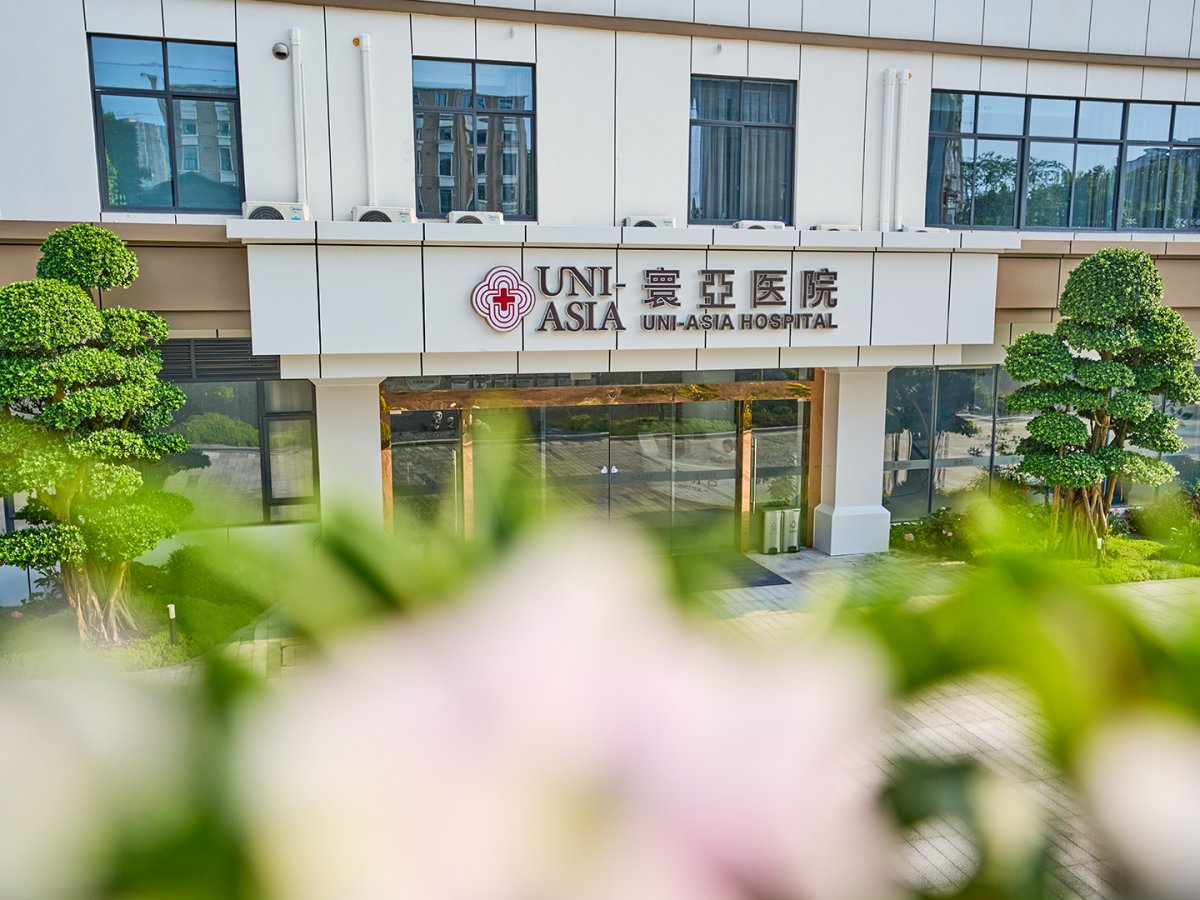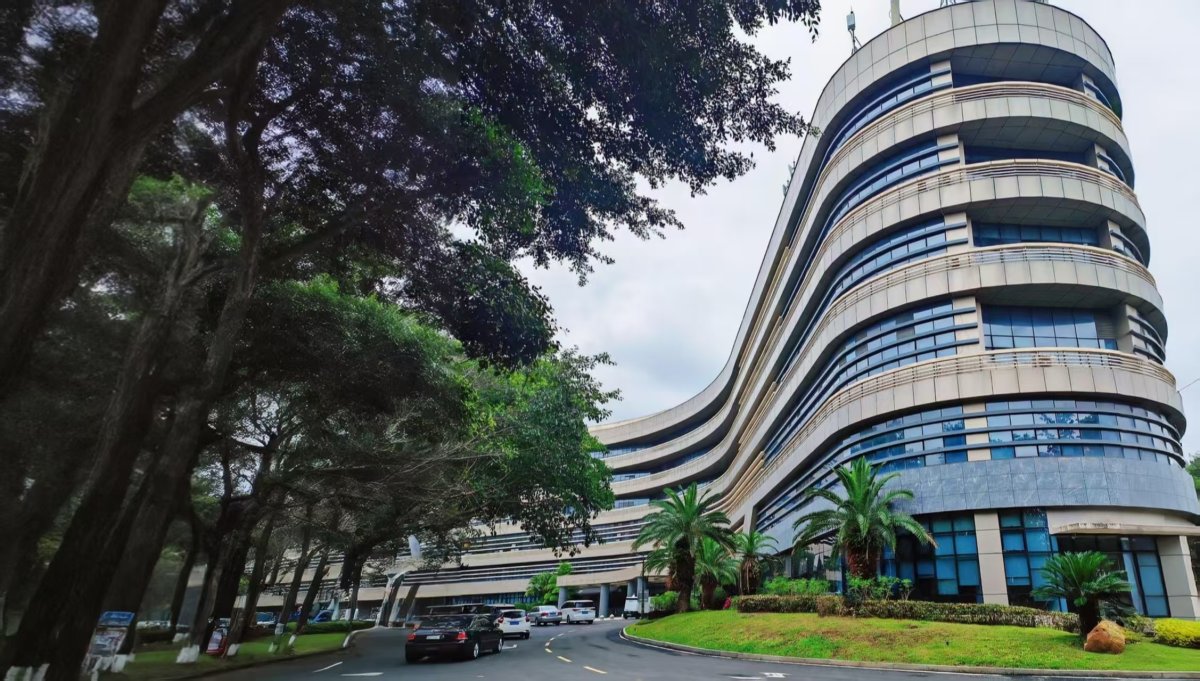
Boao International Medical Center
China, Qionghai


Revisado médicamente por
Fahad Mawlood
De $250. Las intervenciones médicas primarias, como la quimioterapia para el cáncer de mama, cuestan entre $14,800 y $31,000, mientras que la radiocirugía estereotáctica varía de $7,500 a $12,500. Los gastos totales dependen del origen de los medicamentos, el nivel del hospital y las necesidades de terapia sistémica. Los pacientes internacionales a menudo ahorran aproximadamente entre un 50% y un 70% en comparación con los EE. UU. Los principales centros de tratamiento incluyen Guangzhou, Shanghái y Pekín.
Costos típicos del tratamiento del cáncer de pulmón en etapa 4 en China
Perspectiva de expertos de Bookimed: Los pacientes en etapas avanzadas se benefician de alternativas mínimamente invasivas a la terapia sistémica tradicional. El Hospital de Cáncer Fuda se especializa en criocirugía y NanoKnife para casos complejos. Estos protocolos especializados han atendido a más de 30,000 pacientes internacionales. Las instalaciones acreditadas por la JCI en Guangzhou brindan atención de alto valor para diagnósticos en etapas tardías. Para radiación de precisión, el Hospital de Humanidad de Xiamen ofrece IMRT y SBRT expertos bajo especialistas reconocidos por el Consejo de Estado. La coordinación profesional de la ablación térmica y las habilidades intervencionistas garantiza un manejo específico de la enfermedad.
| China | España | Turquía | |
|---|---|---|---|
| Resección en cuña | ≈ $5,500 | ≈ $6,200 | de $11,100 |
| Radioterapia para el cáncer colorrectal | ≈ $11,500 | de $7,500 | de $5,000 |
| Radiocirugía estereotáxica | ≈ $7,500 | de $18,100 | de $6,400 |
| Quimioterapia para el cáncer de mama | ≈ $14,800 | de $1,700 | de $3,000 |
| Neumonectomía | ≈ $24,000 | de $22,000 | de $9,800 |
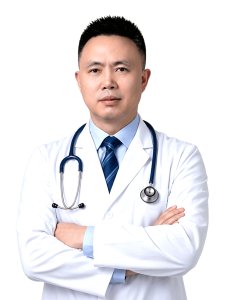
Médico jefe y profesor. Experto de nivel 1 en el Centro Oncológico del West China Hospital, Sichuan University (clasificado n.º 2 en China). Completó un posdoctorado en radiología intervencionista en el Chinese PLA General Hospital. Dirige equipos multidisciplinarios (MDT) para tumores complejos. Experto en oncología intervencionista mínimamente invasiva para cánceres de hígado, pulmón y páncreas.
Acreditaciones: Miembro del consejo, WATA. Miembro de los comités de CACA y CMDA sobre in
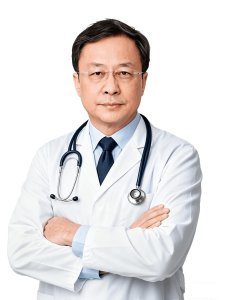
El profesor Luo Xiaoping es un radiólogo intervencionista reconocido a nivel nacional y una autoridad destacada en el oeste de China. Comenzó a realizar intervenciones vasculares pioneras a principios de la década de 1990. Ayudó a fundar el Grupo de Intervencionismo del Segundo Hospital Afiliado de la Universidad Médica de Chongqing.
Ha realizado más de 100 000 procedimientos intervencionistas, incluidos unos 4 000 casos complejos. Sus competencias clave incluyen TACE para el carcinoma
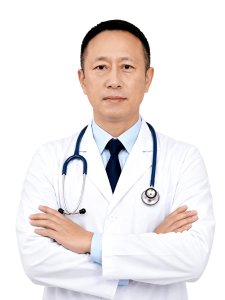
El Dr. He Weibing es pionero de la crioablación con argón‑helio en China, con más de 20 años de práctica en primera línea. Fue miembro fundador del Hospital Oncológico Fuda (Guangzhou). Cofundó su Centro de Tratamiento Tumoral Mínimamente Invasivo y fue subdirector ejecutivo. También ayudó a crear el Grupo de Ablación de la Asociación China contra el Cáncer. Ha sido operador principal en más de 10.000 procedimientos.
Se especializa en crioablación tumoral y domina la braquiterapia con
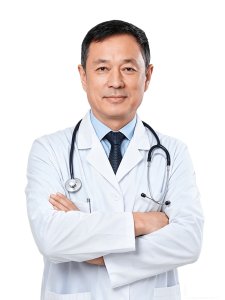
El profesor Xiao Yueyong es médico jefe del Departamento de Radiodiagnóstico del Hospital General del EPL de China. Es un experto líder en oncología intervencionista mínimamente invasiva. Es el primer presidente de WATA (2025–). Preside la Sociedad Internacional (2020–) y la Sociedad Asiática (2012–) de Crioterapia. También es subjefe del Grupo de Expertos de la NHC sobre regulaciones de ablación tumoral (2009–).
Ha realizado más de 100 000 procedimientos mínimamente invasivos guiados
 Olena Sikoza
China ofrece terapias avanzadas para el cáncer de pulmón en estadio 4, incluidos inhibidores de la tirosina quinasa específicos para mutaciones e inmunoterapias de desarrollo nacional. Los pacientes acceden a medicamentos de nueva generación como Sunvozertinib para mutaciones EGFR e intervenciones especializadas como NanoKnife o criocirugía. Los centros acreditados por la JCI en Guangzhou y Xiamen ofrecen estos protocolos de alta tecnología.
Opinión de expertos de Bookimed: El panorama oncológico de China destaca por combinar la radiología intervencionista con fármacos sistémicos. Los datos muestran que clínicas como el Fuda Cancer Hospital atienden a más de 30.000 pacientes utilizando la terapia `3C`. Esta combina criocirugía, intervención microvascular contra el cáncer e inmunoterapia combinada. Mientras que muchos países se centr
Los principales hospitales chinos para el cáncer de pulmón en etapa avanzada incluyen centros acreditados por la JCI y centros de oncología especializados en Guangzhou y Xiamen. Estas instalaciones se centran en el perfil molecular, la criocirugía y la ablación por microondas. Proporcionan alternativas para pacientes que no pueden tolerar la quimioterapia sistémica tradicional o la cirugía estándar.
Perspectiva del experto de Bookimed: Aunque muchos buscan centros públicos de renombre, los hospitales privados especializados en Guangzhou a menudo brindan un acceso más rápido a tratamientos intervencionistas. El Dr. Liuying del Jinshazhou Hospital contribuyó específicamente al consenso nacional de expertos sobre la ablación de tumores pulmonares. Estos especialistas se centran en la destrucción local del tumor cuando se desarrolla resis
Los pacientes internacionales pueden participar legalmente en ensayos clínicos para el cáncer de pulmón en China. La mayoría de las oportunidades existen dentro de Ensayos Clínicos Multirregionales (MRCT) o protocolos específicos sin restricciones étnicas. La participación requiere cumplir con perfiles estrictos de biomarcadores. Los pacientes también deben gestionar documentación legal compleja en chino y visas de residencia a largo plazo.
Opinión de expertos de Bookimed: La inscripción en ensayos clínicos es distinta del tratamiento privado en centros acreditados por la JCI. Médicos como el Dr. Liuying en el Hospital Jinshazhou participan en proyectos de investigación provinciales. Sin embargo, estos estudios ac
La Medicina Tradicional China (MTC) sirve como terapia de apoyo para el cáncer de pulmón en estadio 4. Se integra con protocolos occidentales como la quimioterapia y la inmunoterapia. El enfoque tiene como objetivo reducir la toxicidad del tratamiento. Los especialistas se centran en aumentar la inmunidad y proteger la función orgánica durante la atención oncológica avanzada.
Perspectiva del experto de Bookimed: La integración clínica en China a menudo cuenta con un liderazgo especializado. En el Hospital Jinshazhou de la Universidad de Medicina China de Guangzhou, la Dra. Liuying dirige una sala de oncología mientras posee credenciales tanto en medicina china como en ablación térmica avanzada. Esta doble experiencia permite una sincronización precisa de las terapias de MTC para apoyar intervenciones como la microondas o la crioablación sin comprometer el tratamiento principal
La aptitud para viajar a China depende de la estabilidad respiratoria y de la autorización oncológica oficial. Los vuelos de larga distancia plantean riesgos como la hipoxia y la trombosis venosa profunda para los pacientes en estadio 4. Los centros especializados en Guangzhou ofrecen alternativas mínimamente invasivas a la quimioterapia. Estas instalaciones cuentan con la acreditación de la Joint Commission International en materia de seguridad.
Perspectiva de los expertos de Bookimed: Los principales centros oncológicos de China, como el Hospital Fuda, tratan a más de 30.000 pacientes internacionales con tecnologías mínimamente invasivas específicas. Nuestros datos muestran que estas instalaciones a menudo aceptan casos en estadios avanzados que otros podrían rechazar. Utilizan más de 10 técnicas diferentes de ablación térmica
China sigue las directrices de la CSCO, que reflejan en gran medida los estándares occidentales NCCN y ESMO para el cáncer de pulmón en estadio 4. Los protocolos priorizan la terapia dirigida basada en biomarcadores y la inmunoterapia. Los centros chinos muestran tasas más altas de mutación EGFR, lo que dirige el enfoque hacia inhibidores específicos de la tirosina quinasa y regímenes de combinación agresivos.
Perspectiva de expertos de Bookimed: Los datos de instalaciones de primer nivel como el Hospital Fuda Cancer muestran un enfoque distintivo en la combinación de fármacos sistémicos con intervenciones locales avanzadas. Mientras que los protocolos occidentales a menudo se mantienen sistémicos para el estadio 4, los especialistas chinos integran frecuentemen