Divulgación publicitaria
Última actualización: 10/10/2026
Tratamiento de Etapa 4 del cáncer de pulmón en Israel — obtenga 3 coincidencias personalizadas de clínicas
¿Desea explorar más opciones?También puede consultar las 6 clínicas a continuación.


Revisado médicamente por
Fahad Mawlood
Escrito por Olena Sikoza
Сopywriter en español
Cómo funciona
Hemos transformado el proceso de búsqueda de clínicas, haciéndolo simple, rápido y personalizado.
Responda algunas preguntasComplete un breve formulario para contarnos sobre su estado de salud y necesidades médicas.
Obtenga ofertas personalizadas3 clínicas seleccionadas especialmente según sus respuestas le proporcionan planes de tratamiento personalizados y presupuestos.
Elija la mejor opciónCompare ofertas y elija la clínica que más le convenga.
También puede consultar las 6 clínicas a continuación.
820К+ pacientes han recibido asistencia desde 2014
50 países
1,500 clínicas
6K+ reseñas
3K+ médicos calificados
¿Cuál es el precio del diagnóstico y los tratamientos de Etapa 4 del cáncer de pulmón en Israel? Descubra ahora
De $700. Los gastos totales dependen del perfil genético del tumor, los ciclos de inmunoterapia y la elección del centro médico. Los pacientes a menudo encuentran ahorros del 30% al 80% en comparación con los Estados Unidos. Los mejores centros de tratamiento se encuentran en Tel Aviv, Jerusalén y Haifa.
Costos típicos del tratamiento del cáncer de pulmón en estadio 4 en Israel
- Consulta con un oncólogo: de $700
- TC de tórax: de $450
- Resección en cuña: de $16,000
Perspectiva de expertos de Bookimed: Los pacientes avanzados que requieren medicina genómica deben considerar el Centro Médico Sourasky (Ichilov). Este centro acreditado por la JCI reporta una tasa de éxito del 90% en tratamientos oncológicos. Para casos complejos, el Centro Médico Hadassah ofrece la experiencia de médicos incluidos en la lista de Forbes. Los pacientes que buscan atención quirúrgica privada de alto volumen a menudo eligen el Centro Médico Assuta. Este centro realiza más de 92,000 operaciones al año con tecnologías modernas como la cirugía robótica.
| Israel | España | Turquía | |
|---|---|---|---|
| Resección en cuña | de $16,000 | ≈ $6,200 | de $11,100 |
| Radioterapia para el cáncer colorrectal | ≈ $14,000 | de $7,500 | de $5,000 |
| Radiocirugía estereotáxica | de $19,000 | de $18,100 | de $6,400 |
| Quimioterapia para el cáncer de mama | ≈ $22,500 | de $1,700 | de $3,000 |
| Neumonectomía | ≈ $42,000 | de $22,000 | de $9,800 |
Aviso médico: Datos verificados por Bookimed a partir de October de 2026, basados en solicitudes de pacientes y cotizaciones oficiales de 85 clínicas en todo el mundo. Los costos medianos se basan en facturas reales (2024–2026) y se actualizan mensualmente. Los precios reales pueden variar.
Descubra las mejores clínicas de tratamiento de Etapa 4 del cáncer de pulmón en Israel: 6 opciones verificadas y Precios
El ranking de clínicas de Bookimed se basa en algoritmos de data science, ofreciendo una comparación confiable, transparente y objetiva. Tiene en cuenta la demanda de pacientes, las puntuaciones de reseñas (positivas y negativas), la frecuencia de actualización de opciones de tratamiento y precios, la rapidez de respuesta y las certificaciones de las clínicas.







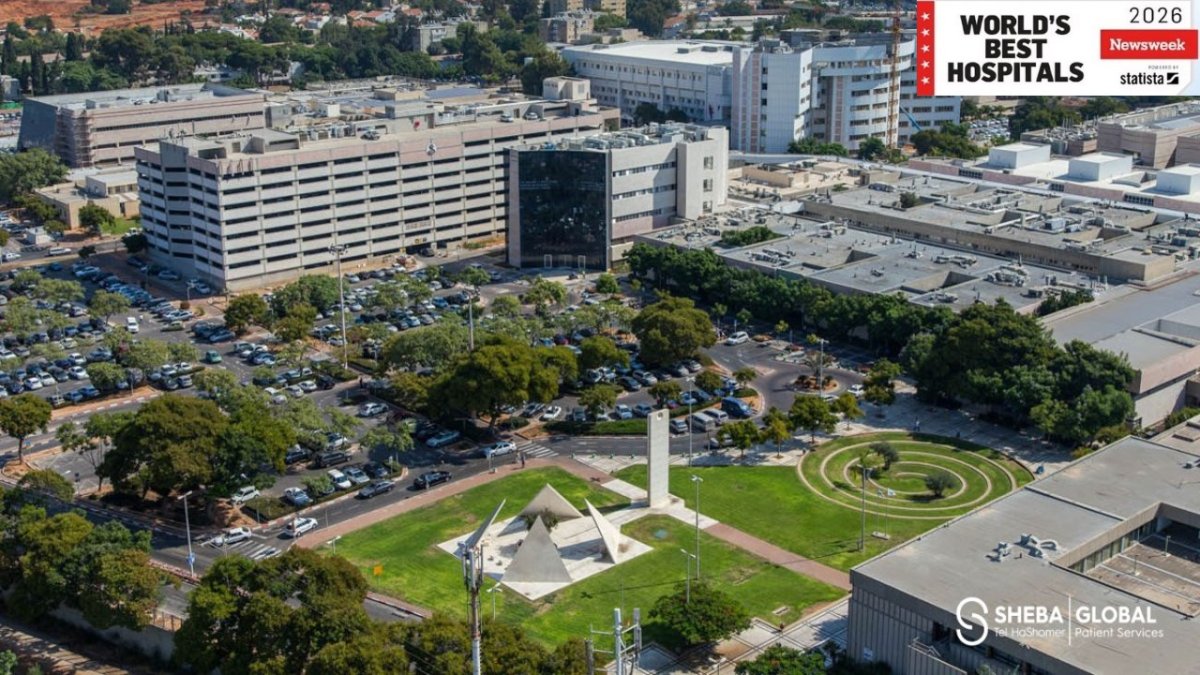






Herzliya Medical Center
Israel, Herzliya
Obtenga una evaluación médica de tratamiento de Etapa 4 del cáncer de pulmón en Israel: haga una consulta con 11 médicos experimentados ahora
Ver todos los médicos
verificado
Ari Raphael
29 años de experiencia
El Dr. Ari Raphael dirige ensayos clínicos innovadores para el cáncer de pulmón en el Centro Médico Sourasky, especializándose en perfiles genómicos e inmunoterapia.
- Investigador principal en múltiples ensayos de inmunoterapia para CPNM
- Moderador del Consejo Molecular de Tumores de la Sociedad Israelí de Cáncer de Pulmón
- Experto en biopsias líquidas y perfiles genómicos integrales
- Profesor titular en la Facultad de Medicina de la Universidad de Tel Aviv
- Miembro de IASLC y ESMO, sociedades líderes en oncología torácica

verificado
Ofer Merimsky
41 años de experiencia
Experto líder en cáncer de pulmón con más de 41 años de experiencia en el Centro Médico Sourasky. Especializado en tratamientos avanzados para el cáncer de pulmón en estadio 4.
- Jefe de la Unidad de Oncología de Tejidos Blandos y Huesos
- Miembro del grupo de Sarcoma de la ESMO y de la IASLC
- Amplia investigación y publicaciones en oncología
- Fellowship en sarcoma de tejidos blandos y huesos en el Institut Gustave Roussy
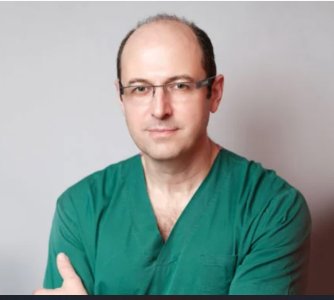
verificado
Yuri Goldes
28 años de experiencia
El Dr. Yuri Goldes es cirujano general con más de 20 años de experiencia clínica. Se especializa en cirugía gastrointestinal alta y oncológica. Es subdirector del Departamento de Cirugía General y Trasplante del Centro Médico Sheba en Tel Aviv y dirige la Unidad de Cirugía Gastrointestinal Alta. En 2025 fue incluido en la lista de los Mejores Médicos de Forbes Israel. Está entre los mejores cirujanos gastrointestinales de Israel según Forbes. En 2019 recibió el premio “Médico del Año” del Min

verificado
Menahem Ben-haim
32 años de experiencia
El Dr. Menahem Ben-haim es un cirujano de primer nivel con más de 32 años de experiencia, especializado en cánceres gastrointestinales en el Centro Médico Sourasky (Ichilov).
- Experto en cirugía de Whipple para el cáncer de páncreas
- Especializado en oncología hepática y gastrointestinal
- Realiza intervenciones complejas para cánceres avanzados
Compartir contenido
Historias en video de pacientes de Bookimed
Dayana
Combiné mis vacaciones en Antalya con un chequeo médico.
Procedimiento: Chequeo femenino
Clínica: Memorial Antalya Hospital
Igor
¡Fue genial! Traslados, alojamiento, tratamiento, todo incluido.
Procedimiento: Implante dental
Clínica: WestDent Clinic
Marina
Bookimed se encargó de todo. No tuve que preocuparme por nada.
Procedimiento: Chequeo femenino
Actualizado: 10/10/2026
Escrito por
 Olena Sikoza
Olena Sikoza
Сopywriter en español
Copywriter médica certificada responsable del contenido en español de Bookimed. Más de 7 años de experiencia en redacción sobre salud y turismo médico, con formación académica en edición científica y desarrollo de contenidos.
Revisado por Asesor médico de Bookimed

Fahad Mawlood
Editor médico y Científico de datos
Médico general. Ganador de 4 premios científicos. Sirvió en Asia Occidental. Es el ex jefe del equipo médico que soporta a pacientes de habla árabe. Ahora es responsable del procesamiento de datos y la precisión del contenido médico.
Fahad Mawlood LinkedinEsta página puede incluir información relacionada con diversas afecciones médicas, tratamientos y servicios de salud disponibles en diferentes países. Tenga en cuenta que el contenido se proporciona sólo con fines informativos y no debe interpretarse como asesoramiento médico o orientación. Por favor consulte con su médico o con un profesional médico calificado antes de comenzar o cambiar el tratamiento médico.
Todo lo que debe saber sobre tratamiento de Etapa 4 del cáncer de pulmón en Israel
Descargo de responsabilidad médica: Este artículo es solo con fines informativos y no constituye asesoramiento médico. Consulte siempre con un proveedor de atención médica calificado antes de tomar decisiones médicas. Los resultados pueden variar. Lea el descargo de responsabilidad completo
Preguntas frecuentes sobre el tratamiento de Etapa 4 del cáncer de pulmón en Israel
Estas preguntas frecuentes provienen de pacientes reales que buscan atención médica a través de Bookimed. Las respuestas son proporcionadas por coordinadores médicos experimentados y representantes autorizados de las clínicas.
¿Qué terapias avanzadas están disponibles en Israel para el cáncer de pulmón de células no pequeñas (CPCNP) en estadio 4?
Israel ofrece terapias avanzadas para el cáncer de pulmón de células no pequeñas (CPCNP) en estadio 4 centradas en la medicina de precisión. Los principales centros acreditados por la JCI utilizan inmunoterapia, fármacos dirigidos de última generación e innovaciones nacionales como Alpha DaRT. Estas tecnologías tienen como objetivo prolongar la supervivencia adaptando el tratamiento a los perfiles genéticos específicos del tumor.
- Inhibidores de puntos de control inmunitario: Los anticuerpos monoclonales incluyen pembrolizumab y nivolumab para desenmascarar las células cancerosas.
- Terapia dirigida: Los médicos utilizan la secuenciación de nueva generación para identificar mutaciones en EGFR, ALK o ROS1.
- Radiación Alpha DaRT: Esta tecnología desarrollada en Israel administra radiación alfa intersticial directamente en los tumores pulmonares.
- IA predictiva: Plataformas que analizan el plasma sanguíneo para predecir la respuesta del paciente a inmunoterapias específicas.
Perspectiva del experto de Bookimed: Si bien muchos países ofrecen inmunoterapia estándar, los centros israelíes como el Sheba Medical Center son líderes mundiales en terapia TIL (linfocitos infiltrantes de tumores). Este enfoque utiliza las propias células inmunitarias del paciente recolectadas del tumor. Los datos muestran que Sheba atiende a más de 2 millones de paciente
¿Qué papel juegan las pruebas genéticas/de biomarcadores antes de comenzar el tratamiento?
Las pruebas genéticas y de biomarcadores proporcionan una hoja de ruta molecular para el tratamiento del cáncer de pulmón en estadio 4. Estas pruebas identifican mutaciones como EGFR, ALK y ROS1. Esto permite a los oncólogos seleccionar terapias dirigidas. Estos fármacos suelen ofrecer tasas de éxito más altas y menos efectos secundarios que la quimioterapia tradicional.
- Correspondencia dirigida: Las pruebas identifican mutaciones como EGFR para emparejar a los pacientes con inhibidores específicos.
- Selección de inmunoterapia: Los niveles de PD-L1 y la carga mutacional del tumor determinan si los inhibidores de puntos de control inmunitario funcionan.
- Evitar tratamientos: Los biomarcadores revelan una posible resistencia. Esto evita el uso de fármacos tóxicos e ineficaces.
- Mapeo pronóstico: Los ensayos genómicos calculan la probabilidad de recurrencia y la rapidez con la que progresa el cáncer.
Perspectiva del experto de Bookimed: Los centros israelíes como Sheba y Sourasky a menudo realizan estas pruebas internamente. Esto reduce significativamente el tiempo de respuesta en comparación con las clínicas que subcontratan a laboratorios externos. El Dr. Ari Raphael en Sourasky incluso modera juntas moleculares de tumores. Estos especialistas se reúnen específicamente para interpretar estos complejos resultados genéticos para cada paciente
¿Se utilizan alguna vez opciones de cirugía o ablación local para el cáncer de pulmón en estadio 4 en Israel?
Los especialistas israelíes utilizan la cirugía y la ablación local para el cáncer de pulmón en estadio 4 en casos altamente selectivos. Estas intervenciones suelen dirigirse a la enfermedad oligometastásica, donde solo existen de 1 a 5 lesiones. Centros como el Sheba Medical Center utilizan estas herramientas después de que la terapia sistémica estabiliza el cáncer.
- Consolidación oligometastásica: Los cirujanos extirpan metástasis limitadas después de que la inmunoterapia o los fármacos dirigidos reducen los tumores.
- Técnicas de ablación: Los médicos utilizan la ablación por radiofrecuencia (RFA) para destruir lesiones persistentes con calor.
- Radiocirugía estereotáctica: Los especialistas administran radiación focal de alta dosis para congelar o quemar sitios tumorales localizados.
- Cirugía paliativa: Los cirujanos realizan lobectomías o colocación de stents en las vías respiratorias para aliviar síntomas graves en casos avanzados.
Perspectiva del experto de Bookimed: Los datos de centros israelíes de primer nivel como Sourasky y Sheba revelan un cambio hacia una consolidación local agresiva. Expertos como el Dr. Ofer Merimsky combinan el perfil genómico con intervenciones locales para controlar la enfermedad oligoprogresiva. Este enfoque permite a los pacientes seguir tomando medicamentos dirigidos eficaces durante más tiempo al ablaci
¿Cuáles son los hospitales e institutos oncológicos mejor valorados para el tratamiento del cáncer de pulmón en estadio 4 en Israel?
El Sheba Medical Center y el Sourasky Medical Center (Ichilov) son las opciones principales para el tratamiento del cáncer de pulmón en estadio 4 en Israel. Estos centros acreditados por la JCI ofrecen perfiles genómicos tumorales. Equipos integrados emplean inmunoterapia y ensayos clínicos para lograr una tasa de éxito del 90% en tratamientos oncológicos.
- Liderazgo experto: El Prof. Ofer Merimsky dirige la atención del cáncer de pulmón en el Sourasky Medical Center.
- Terapias avanzadas: El Sheba Medical Center se especializa en inmunoterapias CAR-T y TIL líderes a nivel mundial.
- Diagnóstico de precisión: Los protocolos de diagnóstico incluyen pruebas moleculares de EGFR, ALK, ROS1 y PD-L1.
- Capacidad de pacientes: El Sheba Medical Center trata aproximadamente a 1.900.000 pacientes cada año.
Perspectiva del experto de Bookimed: Los centros oncológicos israelíes como Sheba y Sourasky gestionan volúmenes masivos de pacientes con más de 1.800.000 visitas anuales. Esta escala proporciona a médicos como el Dr. Yaacov Lawrence experiencia a través de más de 280 publicaciones científicas. El alto volumen en centros académicos a menudo conduce a un acceso más rápido a nuevos ensayos clínicos de fase I-III.
Consenso de los pacientes: Los pacientes señalan que los grandes hospitales públicos destacan en volumen de tratamient
¿Cómo se estructura el equipo de atención de un paciente con cáncer de pulmón en estadio 4 en Israel?
La atención del cáncer de pulmón en estadio 4 en Israel sigue un modelo de comité de tumores multidisciplinario. Un oncólogo médico principal coordina un equipo de especialistas para gestionar la propagación metastásica. Esta estructura integra a genetistas, radiólogos y neumólogos para personalizar tratamientos sistémicos como la inmunoterapia y los fármacos biológicos dirigidos.
- Liderazgo central: Oncólogos médicos como el Dr. Ari Raphael dirigen los protocolos sistémicos y los estudios genómicos.
- Perfil molecular: Los patólogos y genetistas analizan las mutaciones EGFR, ALK y ROS1 para la terapia dirigida.
- Experiencia en radiación: Los radiooncólogos utilizan la radiocirugía estereotáctica para tratar lesiones metastásicas y controlar el dolor.
- Apoyo quirúrgico: Los cirujanos torácicos realizan procedimientos paliativos como drenajes, mientras que los neumólogos gestionan la función de las vías respiratorias.
- Cuidados de apoyo: Los coordinadores de enfermería, psicólogos y especialistas en cuidados paliativos abordan las cargas emocionales y físicas de los síntomas.
Perspectiva de expertos de Bookimed: Los datos revelan que los equipos de oncología israelíes están dirigidos de forma única por investigadores que cierran la brecha entre la atención clínica y la innovación de laboratorio. Por ejemplo, el Prof.
¿Qué mutaciones moleculares específicas determinan la elección de medicamentos dirigidos en los centros israelíes?
Los centros de oncología israelíes utilizan la secuenciación de nueva generación (NGS) para detectar mutaciones de EGFR, reordenamientos de ALK y fusiones de ROS1 para el cáncer de pulmón en estadio 4. Estos marcadores moleculares dictan el uso de medicamentos dirigidos como Osimertinib, Alectinib y Entrectinib. Centros como el Sheba Medical Center utilizan biopsias líquidas para una identificación rápida.
- Mutaciones de EGFR: El exón 19 y L858R desencadenan el tratamiento de primera línea con inhibidores de tercera generación como Osimertinib.
- Fusiones de ALK/ROS1: Los reordenamientos conducen a la selección de inhibidores potentes, incluidos Alectinib o Lorlatinib.
- KRAS G12C: Esta mutación específica dirige el uso de inhibidores especializados después de la progresión con inmunoterapia.
- Alteraciones de MET/RET: Marcadores raros como el salto del exón 14 de MET favorecen medicamentos como Capmatinib o Selpercatinib.
Perspectiva del experto de Bookimed: Los centros de oncología israelíes como Sourasky y Sheba integran el perfilado NGS con biopsias líquidas para acelerar el inicio del tratamiento. El Dr. Ari Raphael en Sourasky incluso lidera iniciativas genómicas nacionales centradas en la resistencia al EGFR. Esta profunda experiencia molecular explica por qué estos centros mantienen una tasa de éxito del 90 % en oncología mediante una
¿Qué servicios integrales adicionales proporcionan los hospitales para apoyar a los pacientes internacionales con cáncer de pulmón en estadio 4?
Los hospitales israelíes brindan apoyo logístico especializado, asistencia lingüística y coordinación clínica para pacientes internacionales con cáncer de pulmón en estadio 4. Las instalaciones gestionan solicitudes de visa, traslados al aeropuerto y alojamiento a largo plazo. Los equipos multidisciplinarios priorizan las pruebas genómicas rápidas y las segundas opiniones remotas para acelerar los planes de tratamiento de precisión para enfermedades metastásicas.
- Coordinación logística: El personal gestiona visas médicas, recogidas en el aeropuerto y viviendas amuebladas para estancias prolongadas.
- Asistencia lingüística: Traductores dedicados brindan apoyo las 24 horas del día, los 7 días de la semana, durante las consultas y los ciclos de quimioterapia de 3 meses.
- Acceso a ensayos clínicos: Los navegadores conectan a los pacientes con ensayos que involucran nuevas inmunoterapias y vacunas personalizadas.
- Diagnóstico avanzado: Los centros proporcionan perfiles genómicos rápidos como EGFR y ALK en un plazo de 3 a 5 días.
Perspectiva de expertos de Bookimed: Los centros oncológicos israelíes como Sheba y Sourasky priorizan las revisiones de juntas de tumores moleculares para casos internacionales. Los datos muestran que médicos especializados como el Dr. Jair Bar utilizan la investigación traslacional para superar la resistencia a la inm
¿Por qué Israel es uno de los principales destinos para la neurocirugía?
Israel es un centro líder en neurocirugía gracias a su combinación de avances médicos de alta tecnología y una experiencia quirúrgica de primer nivel. Instalaciones avanzadas como el Centro Médico Sheba utilizan sistemas de navegación basados en IA y resonancia magnética intraoperatoria en tiempo real. Centros especializados reportan una tasa de éxito del 98% en procedimientos complejos, como la craneotomía con el paciente despierto y el tratamiento de trastornos del movimiento.
- Tecnología avanzada: Las clínicas utilizan ultrasonido enfocado guiado por resonancia magnética (MRgFUS) y sistemas robóticos para realizar incisiones.
- Experiencia quirúrgica: Cirujanos como el Dr. Zvi Ram lideran asociaciones internacionales con más de 25 años de experiencia.
- Acceso rápido: Los pacientes internacionales generalmente pueden programar cirugías complejas de cerebro o columna en un plazo de 2 a 4 semanas.
- Atención médica acreditada: Grandes centros como Sourasky (Ichilov) y Assuta están acreditados por la JCI, lo que confirma su seguridad.
Opinión experta de Bookimed: Los datos muestran una clara diferencia entre las opciones de tratamiento públicas y privadas en Israel. Centros privados, como el Centro Médico Assuta, realizan más de 92.000 cirugías al año y permiten a los pacientes elegir a un cirujano líder específico. Esto supone una ventaja signi
¿Qué tipos de enfermedades neuroquirúrgicas se tratan en Israel?
Los neurocirujanos israelíes tratan una amplia gama de afecciones, desde tumores cerebrales y de médula espinal hasta trastornos funcionales complejos. Los centros especializados utilizan tecnologías de vanguardia, como el bisturí de rayos gamma, la estimulación cerebral profunda y la resonancia magnética intraoperatoria, para un diagnóstico altamente preciso de la epilepsia, la enfermedad de Parkinson y las patologías cerebrovasculares.
- Enfermedades oncológicas: tratamiento de gliomas, meningiomas y tumores hipofisarios mediante resección de la base del cráneo.
- Trastornos funcionales: tratamiento de la enfermedad de Parkinson y del temblor esencial mediante estimulación cerebral profunda.
- Patologías de columna: corrección de escoliosis, hernias discales y tumores espinales mediante sistemas robóticos.
- Tratamiento de las enfermedades cerebrovasculares: tratamiento quirúrgico de aneurismas cerebrales y malformaciones arteriovenosas mediante intervenciones endovasculares.
- Neurocirugía pediátrica: atención especializada en hidrocefalia y anomalías congénitas en centros pediátricos especializados.
Opinión experta de Bookimed: Los hospitales israelíes suelen combinar diversas especialidades para abordar casos complejos. En el Centro Médico Sourasky, neurocirujanos como el Dr. Zvi Lidar combinan neurocirugía y ortopedi
¿Qué hospitales en Israel son más conocidos por sus departamentos de neurocirugía?
Israel alberga centros neuroquirúrgicos de renombre mundial, como el Centro Médico Sourasky, el Centro Médico Sheba y el Centro Médico Hadassah. Estas instituciones son líderes mundiales en el tratamiento de tumores cerebrales complejos, enfermedades de la columna vertebral y trastornos del movimiento. Utilizan tecnologías de vanguardia como el bisturí de rayos gamma, sistemas robóticos y resonancia magnética intraoperatoria.
- Suraski (Ichilov): realiza más de 2.500 operaciones neuroquirúrgicas al año en Tel Aviv con una tasa de éxito del 98%.
- Centro Médico Sheba: clasificado entre los diez mejores hospitales del mundo, trata a 1,9 millones de pacientes al año.
- Centro Médico Hadassah: Nominado al Premio Nobel de la Paz. Líder en neurocirugía pediátrica y terapia génica.
- Centro Médico Assuta: el centro médico privado más grande de Israel. Especializado en cirugías mínimamente invasivas de columna y cerebro.
- Hospital Infantil Schneider: un centro líder en neurocirugía pediátrica que trata a 275.000 niños al año.
Opinión experta de Bookimed: Nuestros datos muestran que, si bien la mayoría de los pacientes buscan tratamiento en Tel Aviv, el Centro Médico Rambam en Haifa ofrece una atención única para neurotraumatismos. Cuenta con una unidad especializada en cuidados neurocríticos que atiende a aproximadamente un milló
Todo el contenido médico de esta página está elaborado por autores con formación médica especializada y revisado por médicos certificados en el campo correspondiente. Revisión médica por Fahad Mawlood, Editor médico y Científico de datos.
Última actualización: 10/10/2026.
- Estadísticas: Las cifras se basan en la base de datos interna de Bookimed de October 2026, que incluye el análisis de solicitudes de 12,450 pacientes en 6 clínicas acreditadas en Israel.
- Precios: La información sobre los costes es proporcionada directamente por las clínicas asociadas de Bookimed y se actualiza regularmente para reflejar las condiciones actuales del mercado en 2026. Los gastos reales pueden variar según la complejidad del caso, la experiencia del cirujano y la ubicación de la clínica.
- Datos clínicos: Los resultados de los tratamientos y los índices de satisfacción de los pacientes se recopilan de la base de datos verificada de clínicas de Bookimed y se respaldan con datos de fuentes médicas revisadas por pares como PubMed, The Lancet, JAMA y NEJM (2023–2026).
Todos los datos se proporcionan sólo con fines informativos generales y pueden no reflejar resultados o experiencias individuales.
Todo el contenido médico de esta página está elaborado por autores con formación médica especializada y revisado por médicos certificados en el campo correspondiente. Revisión médica por Fahad Mawlood, Editor médico y Científico de datos.
Última actualización: 10/10/2026.
- Estadísticas: Las cifras se basan en la base de datos interna de Bookimed de October 2026, que incluye el análisis de solicitudes de 12,450 pacientes en 6 clínicas acreditadas en Israel.
- Precios: La información sobre los costes es proporcionada directamente por las clínicas asociadas de Bookimed y se actualiza regularmente para reflejar las condiciones actuales del mercado en 2026. Los gastos reales pueden variar según la complejidad del caso, la experiencia del cirujano y la ubicación de la clínica.
- Datos clínicos: Los resultados de los tratamientos y los índices de satisfacción de los pacientes se recopilan de la base de datos verificada de clínicas de Bookimed y se respaldan con datos de fuentes médicas revisadas por pares como PubMed, The Lancet, JAMA y NEJM (2023–2026).
Todos los datos se proporcionan sólo con fines informativos generales y pueden no reflejar resultados o experiencias individuales.