Etapa 4 del cáncer de pulmón en España: las 6 mejores clínicas para su tratamiento


Revisado médicamente por
Fahad Mawlood
Cómo funciona
¿Cuál es el precio del diagnóstico y los tratamientos de Etapa 4 del cáncer de pulmón en España? Descubra ahora
De $340
Costos típicos del tratamiento del cáncer de pulmón en estadio 4 en España
- Consulta con un oncólogo: de $340
- Cirugía de cáncer de pulmón: de $29,900
- Radiocirugía estereotáctica: de $18,100
- Neumonectomía: de $22,000
- Radioterapia: de $7,500
- Quimioterapia: de $1,700
Perspectiva de expertos de Bookimed: Los pacientes que buscan medicina de precisión avanzada deben priorizar los centros con unidades de oncología especializadas. El Dr. Antonio Cubillo Gracián en el Hospital Universitario HM Sanchinarro dirige un programa pionero de biopsia líquida para terapias personalizadas. Para casos complejos, el Centro Médico Teknon, acreditado por la JCI, ofrece intervenciones quirúrgicas de alta tecnología en Barcelona. Aquellos que requieren radioterapia especializada encuentran valor en GenesisCare, que utiliza tecnología CyberKnife en una red global de clínicas especializadas.
| España | Turquía | México | |
|---|---|---|---|
| Resección en cuña | ≈ $6,200 | de $11,100 | de $20,000 |
| Radioterapia para el cáncer colorrectal | de $7,500 | de $5,000 | ≈ $6,500 |
| Radiocirugía estereotáxica | de $18,100 | de $6,400 | ≈ $9,500 |
| Quimioterapia para el cáncer de mama | de $1,700 | de $3,000 | ≈ $4,500 |
| Neumonectomía | de $22,000 | de $9,800 | de $35,000 |
Descubra las mejores clínicas de tratamiento de Etapa 4 del cáncer de pulmón en España: 6 opciones verificadas y Precios









GenesisCare Clinics

Hospital Universitario HM Sanchinarro
Antonio Cubillo Gracián



Obtenga una evaluación médica para Etapa 4 del cáncer de pulmón en España: consulte con doctores experimentados ahora
Ver todos los médicosAntonio Cubillo Gracián
El Dr. Antonio Cubillo Gracián dirige la investigación de posgrado en oncología, formando a futuros especialistas en HM CIOCC y USP CEU.
- Director de investigación de posgrado en oncología clínica y aplicada
- Tutor de programas del Servicio de Oncología Médica
- Enseña oncología en múltiples disciplinas médicas
- Organiza cursos internacionales sobre neoplasias digestivas
Compartir contenido
Historias en video de pacientes de Bookimed
 Olena Sikoza
Preguntas frecuentes sobre el tratamiento de Etapa 4 del cáncer de pulmón en España
¿Es curable el cáncer de pulmón en estadio 4 y cuál es el panorama del tratamiento en España?
El cáncer de pulmón en estadio 4 generalmente se considera incurable pero manejable como una condición crónica. Los centros españoles acreditados por la JCI utilizan pruebas moleculares para mutaciones de EGFR, ALK y ROS1 para guiar terapias dirigidas. Opciones avanzadas como la inmunoterapia y la radiocirugía estereotáctica guiada por MR-Linac prolongan significativamente la supervivencia y preservan la calidad de vida.
- Diagnóstico avanzado: Las pruebas moleculares identifican mutaciones para una terapia dirigida personalizada.
- Equipamiento de precisión: Las clínicas utilizan sistemas CyberKnife, Gamma Knife ICON y Da Vinci Xi.
- Especialistas dedicados: El Dr. Bartolome Oliver realiza más de 200 procedimientos de radiocirugía al año.
- Paquetes de tratamiento: Las sesiones de radiocirugía dirigida pueden costar aproximadamente 17.000 $ en centros especializados.
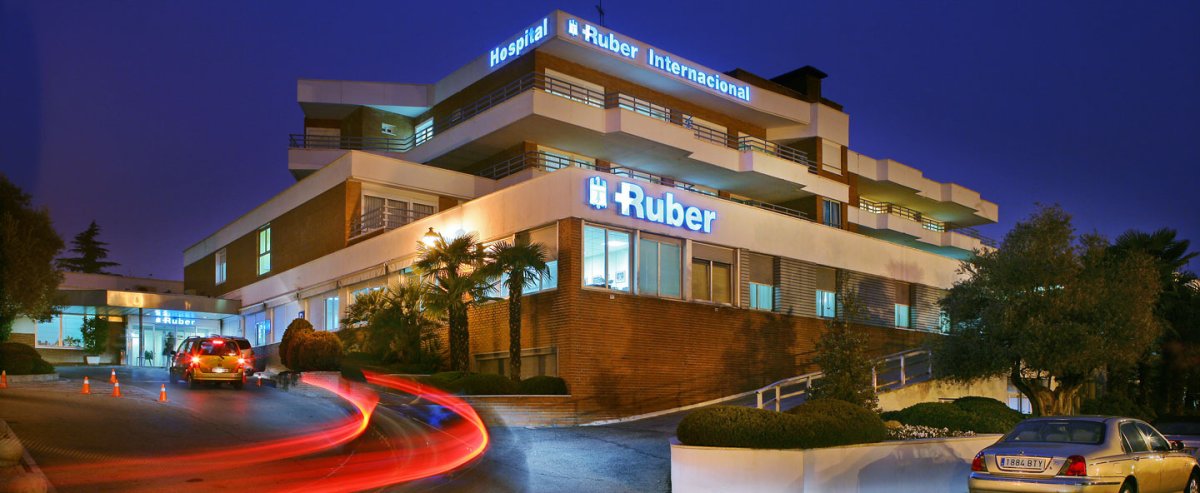
Perspectiva del experto de Bookimed: Los centros de oncología españoles como el Centro Médico Teknon y el Hospital Ruber Internacional se encuentran entre los mejores rankings de Forbes y Newsweek por una razón específica. Nuestros datos muestran que estas instalaciones integran la patología molecular directamente con unidades de radiación como el MR-Linac. Esto permite a los médicos ajustar las dosis de radiación en tiempo real a medida que los tumores se desplazan. Esta precisió
¿Qué tratamientos sistémicos avanzados están disponibles de forma rutinaria en España?
España proporciona acceso rutinario a tratamientos sistémicos avanzados, incluyendo inmunoterapia, terapias moleculares dirigidas y productos biológicos. Los centros oncológicos especializados en Madrid y Barcelona utilizan protocolos aprobados por la UE para el cáncer de pulmón en estadio 4. Las pruebas diagnósticas para biomarcadores EGFR, ALK y ROS1 guían estas rutas de tratamiento personalizadas.
- Terapia dirigida: Emplea inhibidores para mutaciones genéticas de EGFR, ALK y ROS1.
- Inmunoterapia: Utiliza anticuerpos monoclonales como pembrolizumab para estimular las respuestas inmunitarias.
- Radiofármacos: Incluye Lutecio-177 y Actinio-225 para atacar lesiones metastásicas.
- Radiación de precisión: Utiliza MR-Linac, CyberKnife y Truebeam para el control no invasivo de tumores.
Perspectiva del experto de Bookimed: La red oncológica de España está altamente concentrada, con Madrid y Barcelona albergando múltiples centros acreditados por la JCI. Aunque el acceso público a productos biológicos de alto costo está estrictamente regulado, centros privados como el Centro Médico Teknon o el Hospital Ruber Internacional ofrecen terapias farmacológicas en un plazo de 1 a 3 semanas. Los pacientes que requieren radiocirugía compleja deben tener en cuenta que el especialista Dr. Bartolome Oliver realiza más de 200 operaciones al año, utilizando a menu
¿Por qué es obligatorio el perfil genético y molecular antes de iniciar la terapia?
El perfil genético y molecular identifica alteraciones genéticas específicas que impulsan la enfermedad metastásica. Esto garantiza que los tratamientos seleccionados realmente funcionen, evitando la exposición a fármacos ineficaces. El perfilado empareja a los pacientes con terapias dirigidas que requieren un ajuste molecular preciso para interferir con las proteínas mutadas.
- Precisión dirigida: El perfilado encuentra mutaciones accionables como EGFR, ALK y ROS1 para fármacos inhibidores.
- Protección contra toxicidad: Las pruebas previenen la inflamación pulmonar grave causada por la administración de inmunoterapia en ciertos biomarcadores.
- Mapeo de resistencia: Identificar escudos estructurales como los genes RAS mutados evita semanas de tratamiento desperdiciado.
- Secuenciación estratégica: Analizar los niveles de PD-L1 determina si la inmunoterapia o la quimioterapia es la primera línea más segura.
Perspectiva del experto de Bookimed: Los centros oncológicos españoles a menudo combinan el perfilado molecular con sistemas de administración avanzados como MR-Linac o CyberKnife, que se encuentran en el Centro Médico Teknon. Nuestros datos muestran que, aunque las pruebas pueden tardar 14 días, es la única forma de acceder a protocolos especializados. El Dr. Bartolome Oliver utiliza estos diagnósticos precisos para guiar más de 200 proced
¿Qué alteraciones genéticas se analizan y qué fármacos dirigidos están financiados y activos en España?
España exige la financiación nacional para las pruebas de alteraciones en EGFR, ALK, ROS1, BRAF, KRAS, RET y MET en el cáncer de pulmón en estadio 4. Los fármacos activos financiados incluyen Osimertinib, Alectinib y Entrectinib. Estas terapias están estrictamente reguladas bajo el Catálogo Nacional de Biomarcadores español para garantizar un acceso equitativo.
- Pruebas moleculares: La salud pública cubre NGS para EGFR, ALK, ROS1, BRAF, RET y MET.
- Terapias para EGFR: Los fármacos activos financiados incluyen Osimertinib, Erlotinib, Gefitinib y Afatinib para inhibir mutaciones.
- Inhibidores de ALK: Alectinib, Brigatinib y Lorlatinib son tratamientos de primera y segunda línea totalmente financiados.
- Alteraciones raras: Selpercatinib (RET), Tepotinib (MET) y Larotrectinib (NTRK) están activos bajo criterios estrictos.
Perspectiva del experto de Bookimed: Aunque los protocolos de prueba son nacionales, los pacientes en centros de gran volumen como HM Sanchinarro u Hospital Ruber Internacional a menudo acceden a los resultados más rápido a través de unidades de patología integradas. Nuestros datos muestran que estas instalaciones gestionan más de 100.000 consultas anuales combinadas. Este volumen les permite mantener equipos avanzados como resonancia magnética de 3 Teslas y máquinas de radioterapia especializadas, asegurando que el tratamiento comie
¿Qué hospitales y centros oncológicos son más conocidos para el manejo del cáncer de pulmón en estadio 4?
España es un destino líder para el manejo del cáncer de pulmón en estadio 4, contando con centros acreditados por la JCI como el Centro Médico Teknon y el Hospital Ruber Internacional. Estas instalaciones ofrecen secuenciación genómica avanzada y atención multidisciplinaria. Los pacientes acceden a tratamientos especializados, incluyendo radiocirugía TrueBeam, terapias dirigidas e inmunoterapia dentro de unidades oncológicas integradas.
- Unidades oncológicas especializadas: HM Hospitales opera 4 centros integrales dedicados específicamente a la oncología avanzada.
- Radiocirugía avanzada: El Centro Médico Teknon utiliza sistemas guiados por MR-Linac para una focalización tumoral de alta precisión.
- Credenciales de expertos: El Dr. Bartolome Oliver en Teknon realiza más de 200 operaciones especializadas al año.
- Diagnóstico molecular: Los centros españoles priorizan las pruebas de EGFR, ALK y ROS1 para un tratamiento personalizado.
Perspectiva del experto de Bookimed: España alberga 83 centros oncológicos en nuestra plataforma, pero grupos de grandes redes como HM Hospitales destacan al atender a 400,000 pacientes al año. Este volumen masivo asegura que médicos como el Dr. Antonio Cubillo Gracián en HM Sanchinarro mantengan altos niveles de experiencia. Los pacientes a menudo ahorran tiempo eligiendo centros en Madrid o Barcelona, donde los c
¿Cuál es el cronograma típico desde la derivación hasta el primer tratamiento en España?
Las vías oncológicas españolas suelen iniciar el primer tratamiento dentro de los 48 a 69 días posteriores a una derivación especializada. Los casos de cáncer urgentes suelen ser atendidos por especialistas en un plazo de 14 días. La confirmación diagnóstica, incluidas las pruebas patológicas y moleculares esenciales, suele seguir en otros 19 días. La atención sanitaria privada acelera significativamente estos plazos.
- Derivación al especialista: Las marcas de urgencia suelen garantizar una consulta en un plazo de 11 a 14 días.
- Confirmación diagnóstica: Los resultados patológicos y moleculares suelen llegar en un plazo de 14 a 19 días.
- Inicio del tratamiento: Las primeras sesiones de terapia generalmente comienzan de 33 a 35 días después del diagnóstico.
- Velocidad del sistema privado: Las redes privadas a menudo evitan los retrasos en las derivaciones para comenzar la atención en cuestión de semanas.
Perspectiva de expertos de Bookimed: España ocupa el sexto lugar a nivel mundial en solicitudes médicas, en gran parte debido a centros de alta capacidad como HM Nou Delfos y HM Sanchinarro. Estas instalaciones gestionan más de 400.000 pacientes al año y utilizan tecnología como la imagen EOS para acelerar la estadificación. Según nuestra experiencia, elegir un centro con un especialista certificado por la ESMO como el Dr. Bartolome Oliver e
¿Pueden los turistas inscribirse en ensayos clínicos de nuevos agentes?
Los turistas internacionales pueden inscribirse legalmente en ensayos clínicos en España. La elegibilidad para la investigación depende de criterios médicos y no de la ciudadanía. Centros españoles como el Hospital Universitario HM Sanchinarro participan en la investigación oncológica clínica. Los pacientes deben cumplir protocolos estrictos y gestionar una logística compleja para participar.
- Elegibilidad del protocolo: La inclusión depende de marcadores tumorales específicos como EGFR o ALK.
- Requisitos de seguimiento: Los ensayos de fase 1 y 2 requieren visitas frecuentes y rígidas al hospital.
- Responsabilidad financiera: Los ensayos cubren los medicamentos en investigación, pero los pacientes pagan por la atención estándar.
- Documentación legal: Se necesitan visados médicos especializados para ensayos que superen los 90 días.
Perspectiva del experto de Bookimed: España ocupa el sexto lugar a nivel mundial en solicitudes médicas, lo que demuestra una gran capacidad administrativa para pacientes internacionales. Centros como el Hospital Universitario HM Sanchinarro cuentan con médicos, incluido el Dr. Antonio Cubillo Gracián, que dirigen programas de investigación oncológica. Estas conexiones académicas a menudo proporcionan vías de inscripción más claras que las clínicas privadas más pequeñas. Los pacientes deben verificar si el centro