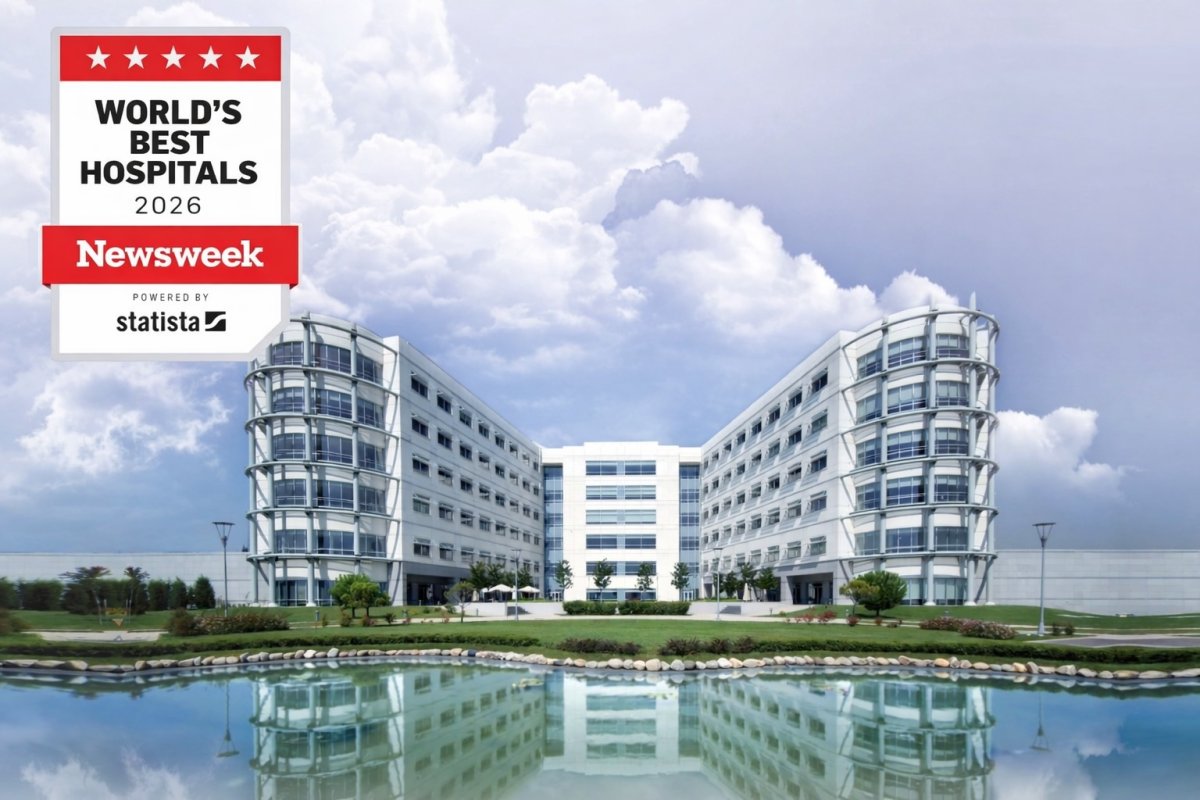
Centro médico Anadolu
Turquía, Estambul
Bulent Karagoz
33 años de experiencia

Clínica certificada por : 



Revisado médicamente por
Fahad Mawlood
El costo del tratamiento del cáncer de pulmón en etapa 4 en Turquía varía según el plan de tratamiento específico. Una consulta inicial con un oncólogo puede costar alrededor de 142 €, mientras que una resonancia magnética del cerebro con contraste es aproximadamente 615 €. Las exploraciones PET-CT tienen un precio de unos 662 €, y las revisiones patológicas avanzadas, incluidos los marcadores genéticos e inmunitarios, pueden alcanzar los 1.182 €. La terapia dirigida está disponible por 5.394 €. Los cursos de quimioterapia comienzan en 4.732 € para el primer ciclo, con ciclos posteriores costando 4.542 € cada uno. El plan de tratamiento se personaliza tras una evaluación detallada por parte del equipo médico.
El médico es un oncólogo médico turco altamente experimentado, especializado en sarcoma, linfoma, cáncer de páncreas, pulmón y mama. Con más de 20 años de experiencia, el médico se centra en la biología tumoral, la inmunología tumoral, la inmunoterapia del cáncer y las terapias dirigidas. Desde 2019, el médico ha estado sirviendo como oncólogo médico en el Centro Médico Anadolu y anteriormente ocupó roles de liderazgo en la Facultad de Medicina de la Universidad Okan de Estambul y en el Hospi

La Dra. Eda Tanrikulu es una oncóloga médica líder en el Anadolu Medical Center, especializada en el uso de quimioterapia y nuevos protocolos de tratamiento.
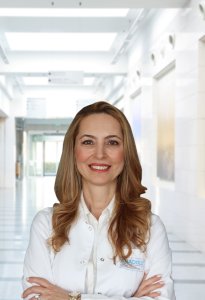
La Dra. Banu Atalar es oncóloga radioterápica con certificación de especialidad (Turquía, 2004). Es catedrática en la Universidad Acibadem MAA (2018–presente) y médica en Anadolu Medical Center (2026–presente). Se formó en Estambul y en Cerrahpaşa. En 2011 completó una beca de investigación clínica en Stanford en radiocirugía estereotáctica. Su práctica se centra en tumores del SNC, torácicos y gastrointestinales. Aproximadamente el 75% de su actividad clínica implica SRS y SRS adaptativa gui
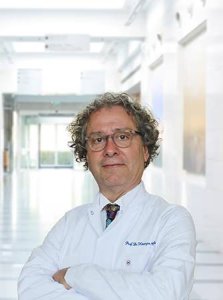
El Prof. Hüseyin Baloğlu es especialista en patología en el Centro Médico Anadolu, en Gebze, Kocaeli, Turquía. Se centra en la patología molecular y quirúrgica, y en la biopsia y el diagnóstico de tumores.
Formación y acreditaciones: Médico (MD), Escuela de Medicina de GATA (1986). Especialidad en Patología, GATA (1992). Profesor asociado (Doçent), GATA (2004). Investigador visitante en el Albert Einstein College of Medicine (Nueva York) y la Universidad de Heidelberg.
Logros: a
 Olena Sikoza
Los centros de oncología turcos ofrecen tratamientos estándar para el cáncer de pulmón en estadio 4, incluidos quimioterapia, terapia dirigida e inmunoterapia. Los equipos médicos utilizan perfiles genéticos para mutaciones como EGFR, ALK y ROS1 para seleccionar medicamentos precisos. Los centros a menudo poseen la acreditación de la Joint Commission International (JCI) y mantienen los estándares de tratamiento estadounidenses.
Perspectiva del experto de Bookimed: Los centros de oncología turcos como Anadolu Medical Center y Medipol Mega atienden hasta 1,000,000 de pacientes al año. Este volumen masivo permite a las clínicas mantener tecnologías de alto costo como el MR Linac y los sistemas da Vinci. Estas herramientas a menudo se incluyen en paquetes quirúrgicos que cuestan entre $12,000 y $19,000. Estos paquetes incluyen frecuentemente estadías en hoteles y traslados VIP, proporcionando un mejor
La terapia basada en biomarcadores y guiada por moléculas está ampliamente disponible en Turquía para el cáncer de pulmón en estadio 4. Los centros de oncología avanzada proporcionan pruebas para mutaciones de EGFR, ALK, ROS1 y PD-L1. La secuenciación de nueva generación (NGS) permite un perfil genético integral. Estas pruebas aseguran que los pacientes reciban terapias dirigidas personalizadas o inmunoterapia.
Perspectiva del experto de Bookimed: El Anadolu Medical Center destaca en oncología de precisión debido a su afiliación con el Hospital Johns Hopkins. Nuestros datos muestran que sus especialistas a menudo combinan la investigación en biología tumoral con la práctica clínica. Este vínculo garantiza que los pacientes accedan a protocolos de pruebas moleculares que reflejan los de los mejores centros de cáncer de Estados Unidos.
<Los centros de oncología turcos reportan tasas de supervivencia a 5 años para el cáncer de pulmón en etapa 4 de entre el 5% y el 10%. Los protocolos modernos de quimioinmunoterapia muestran tasas de respuesta global de aproximadamente el 52.8%. La supervivencia media para casos avanzados alcanza los 12.3 meses, respaldada por pruebas moleculares para mutaciones EGFR y ALK.
Opinión de experto de Bookimed: El Anadolu Medical Center mantiene una asociación estratégica con el Johns Hopkins Hospital para casos oncológicos complejos. Esta colaboración permite a los pacientes acceder a protocolos internacionales. Nuestros datos muestran que cirujanos especializados como el Dr. Adnansayar ofrecen cirugía robótica y toracoscópica mínimamente invasiva. Estas técnicas avanzadas ayudan a preservar la función pulmonar incluso en casos complejos.
Consens
El cáncer de pulmón en etapa 4 es manejable como una condición crónica mediante inmunoterapia y terapias dirigidas. Aunque rara vez es curable, los pacientes a menudo logran una remisión a largo plazo o una enfermedad estable durante varios años. El éxito depende de las pruebas moleculares de mutaciones como EGFR o ALK para guiar planes de tratamiento personalizados.
Opinión de experto de Bookimed: Los centros de oncología líderes en Turquía, como el Anadolu Medical Center, utilizan afiliaciones con instituciones estadounidenses de primer nivel como Johns Hopkins para aplicar protocolos internacionales. Los datos muestran que estos centros de alto volumen a men
La cirugía es una opción para pacientes seleccionados con cáncer de pulmón de células no pequeñas en estadio 4. Se utiliza principalmente en enfermedades oligometastásicas, cuando la propagación del cáncer es limitada. Los cirujanos pueden extirpar el tumor pulmonar primario y las lesiones distantes. Este enfoque requiere la evaluación de un equipo médico multidisciplinario.
Opinión de expertos de Bookimed: Los centros oncológicos turcos muestran una clara tendencia a combinar cirujanos con certificación FETCS y paneles de diagnóstico avanzados. Por ejemplo, el Anadolu Medical Center utiliza protocolos afiliados a Johns Hopkins y marcadores genéticos EGFR/ALK. Este enfoque basado en datos garantiza que la operación solo se realice cuando los p
Los turistas médicos en Turquía suelen comenzar el tratamiento del cáncer de pulmón en estadio 4 dentro de 1 a 3 días después de su llegada. Los centros privados realizan rápidamente consultas iniciales y revisiones de imágenes. Iniciar la terapia de inmediato requiere expedientes médicos completos, incluidas láminas de patología y resultados de pruebas moleculares para verificar el estado de la mutación.
Perspectiva del experto de Bookimed: La velocidad de coordinación depende en gran medida de su documentación digital. El Centro Médico Anadolu atiende a más de 65,000 pacientes al año y mantiene una asociación con el Hospital Johns Hopkins. Nuestros datos sugieren que, siempre que se proporcionen las láminas de patología para su revisión, estos centros de alto volumen pueden evitar el retraso diagnósti
Los médicos de habla inglesa son el estándar en los principales centros oncológicos turcos especializados en cáncer de pulmón en estadio 4. Las instalaciones acreditadas por la JCI, como el Anadolu Medical Center y el Memorial Şişli Hospital, emplean a muchos especialistas certificados por juntas europeas. Estos proveedores realizan con frecuencia becas en instituciones prestigiosas como el MD Anderson Cancer Center en los EE. UU.
Perspectiva de expertos de Bookimed: Si bien los médicos suelen hablar inglés con fluidez, pueden ocurrir brechas de comunicación con el personal auxiliar. Revisar 390 clínicas turcas muestra que aquellas con más de 60,000 solicitudes anuales generalmente ofrecen coordinadores privados. Estos especialistas actúan como un puente constante entre los p