Pólipos del tracto gastrointestinal Tratamiento en Alemania — Costos 2026


Revisado médicamente por
Fahad Mawlood
¿Cuál es el precio del diagnóstico y los tratamientos de Pólipos del tracto gastrointestinal en Alemania? Descubra ahora
De $400. Los gastos totales dependen del tamaño del pólipo, los resultados de la histopatología y la duración de la estancia hospitalaria. Los pacientes pueden ahorrar aproximadamente entre un 40 y un 60% en comparación con los EE. UU. Las principales ciudades para este tratamiento incluyen Hamburgo, Berlín y Fráncfort.
Costos típicos del tratamiento de pólipos del tracto gastrointestinal en Alemania
- Consulta con un gastroenterólogo: de $170
- Gastroscopia: de $400
- Colonoscopia con biopsia: de $1,400
- Colonoscopia con extirpación de pólipos: Precio a consultar
- Extirpación de pólipos gástricos: $1,300 – $2,500
- Análisis bioquímico de sangre: de $96
- Análisis extendido de sangre: de $150
- Coagulograma: de $40
- ECG: $50 – $60
Perspectiva de los expertos de Bookimed: Para casos complejos, elegir centros certificados como el Centro Médico de Solingen, el primer centro colorrectal certificado de Europa, garantiza altos estándares quirúrgicos. Los pacientes que requieren endoscopia intervencionista avanzada se benefician de especialistas como el Dr. Siegbert Rossol en la Clínica Nordwest, que ofrece tecnología de ultrasonido 3D. El Hospital Asklepios Barmbek es una excelente opción para pacientes internacionales, clasificado como uno de los principales destinos mundiales por la Medical Travel Quality Alliance (MTQA).
Sus beneficios y garantías con Bookimed
Precios directos
Bookimed no añade cargos extra a los precios de los tratamientos de Pólipos del tracto gastrointestinal. Las tarifas proceden de las listas de precios oficiales de las clínicas. Pagará directamente en la clínica por su tratamiento a su llegada al país.
Sólo clínicas y médicos verificados
Bookimed está comprometido con su seguridad. Solo trabajamos con las clínicas que mantienen altos estándares internacionales en el tratamiento de Pólipos del tracto gastrointestinal y cuentan con las licencias necesarias para atender a pacientes internacionales en todo el mundo.
Asistencia 24/7 gratuita
Bookimed ofrece asistencia experta gratuita. Un coordinador médico personal le apoya antes, durante y después de su tratamiento, resolviendo cualquier problema. Nunca estará solo en su viaje médico de tratamiento de Pólipos del tracto gastrointestinal.

Su coordinador médico personal de Bookimed
- Le apoya en cada etapa
- Ayuda a elegir la clínica y el médico adecuados
- Asegura un acceso rápido y conveniente a la información
Descubra las mejores clínicas de tratamiento de Pólipos del tracto gastrointestinal en Alemania: 31 opciones verificadas y Precios




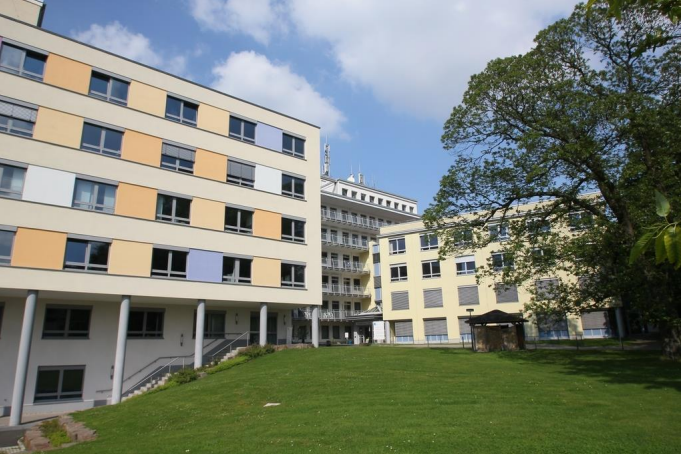
Bethanien Clinic





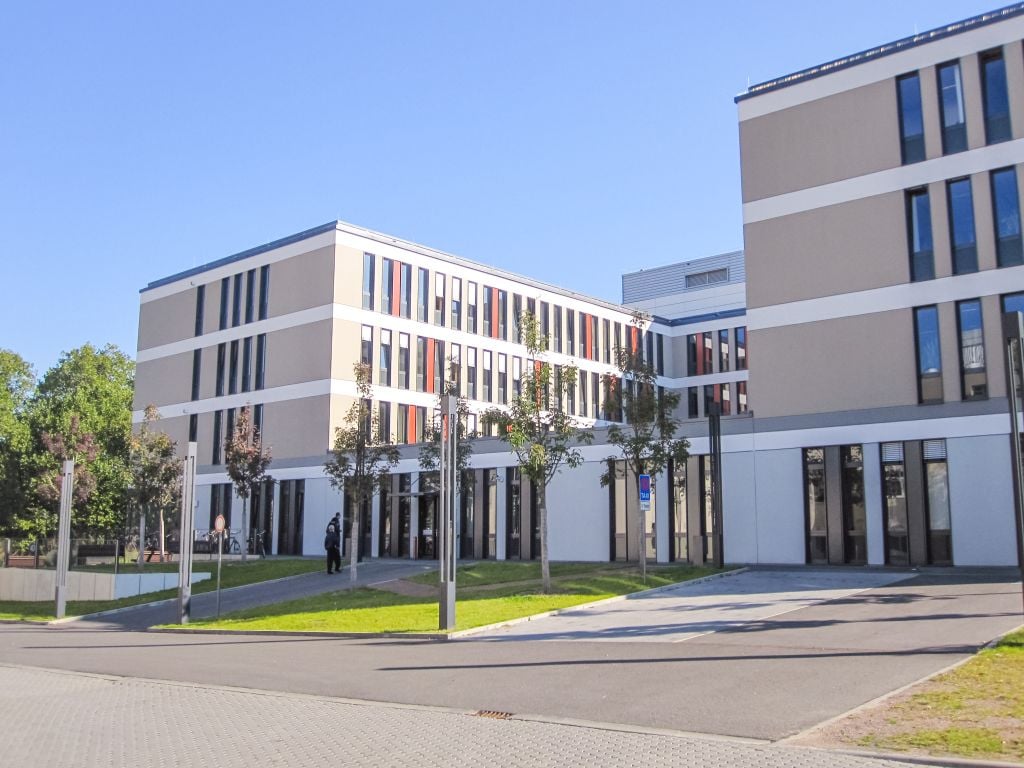

District hospital Burghausen

Hospital in the Pfeiffer`s foundations
Obtenga una evaluación médica para Pólipos del tracto gastrointestinal en Alemania: consulte con doctores experimentados ahora
Ver todos los médicos
Peter Schenker
Cirujano jefe del primer centro certificado de cáncer colorrectal de Alemania – El Dr. Schenker se especializa en cirugía oncológica gastrointestinal mínimamente invasiva.
- _doctor_6594_años_ de experiencia en cirugía visceral
- Dirige el Departamento de Cirugía del Hospital Académico de Solingen
- Pionero en métodos quirúrgicos modernos y recuperación postoperatoria
- Formado en cirugía de páncreas y trasplantes
- Investigador y conferenciante activo en oncología gastrointestinal

Viktor Alexander Krol
Jefe de Gastroenterología y del Centro de Tratamiento de la Obesidad – El Dr. Krol se especializa en tratamientos endoscópicos y quirúrgicos avanzados para enfermedades gastrointestinales.
- Dirige el Centro de Tratamiento de la Obesidad certificado en el St. Martinus-Krankenhaus de Düsseldorf
- Utiliza las últimas técnicas endoscópicas y bariátricas para la salud gastrointestinal
- Especializado tanto en gastroenterología como en medicina interna
- Lidera equipos multidisciplinarios para una atención personalizada al paciente

Siegbert Rossol
36 años especializado en gastroenterología – El Dr. Rossol maneja casos complejos de pólipos en la Clínica Nordwest utilizando técnicas endoscópicas avanzadas.
- Experto en resección endoscópica de pólipos intestinales (EMR/ESD)
- Miembro del Consejo Europeo de Gastroenterología
- Miembro de las principales sociedades de enfermedades hepáticas y digestivas
- Formado en el Instituto de Estudios Hepáticos del King's College de Londres

Martin Claßen
Clasificado entre los mejores gastroenterólogos de Alemania por la revista Focus. El Dr. Claßen se especializa en afecciones gástricas pediátricas en la clínica Links der Weser.
- Jefe del Departamento de Gastroenterología Pediátrica desde 1982
- Especializado en gastroenterología infantil en el Hospital Universitario de Frankfurt
- Miembro de la Sociedad Europea de Gastroenterología Pediátrica
- Experto en enfermedades inflamatorias intestinales en pacientes jóvenes
Compartir contenido
Historias en video de pacientes de Bookimed
 Olena Sikoza
Preguntas frecuentes sobre el tratamiento de Pólipos del tracto gastrointestinal en Alemania
¿El tratamiento requerirá cirugía abierta tradicional?
La mayoría de los pólipos del tracto gastrointestinal en Alemania se tratan sin cirugía abierta tradicional. Los gastroenterólogos especialistas suelen realizar una resección endoscópica durante una colonoscopia o gastroscopia. Estas técnicas mínimamente invasivas implican la eliminación de pólipos a través del endoscopio. La cirugía abierta se reserva para casos muy grandes o complejos.
- Técnicas endoscópicas: Procedimientos como la EMR y la ESD eliminan los pólipos sin incisiones externas.
- Experiencia especializada: El Dr. Siegbert Rossol realiza resecciones endoscópicas avanzadas para el cáncer intestinal.
- Alternativas quirúrgicas: La cirugía robótica mínimamente invasiva está disponible en el Hospital Universitario de Aquisgrán.
- Estancia hospitalaria: La extirpación endoscópica simple a menudo permite el alta el mismo día y una recuperación mínima.
Perspectiva del experto de Bookimed: Aunque muchos piensan que la cirugía es la única solución, los hospitales universitarios alemanes priorizan las técnicas de preservación de órganos. Los datos muestran que centros de primer nivel como la Clínica Universitaria de Leipzig atienden a más de 430.000 pacientes al año. A menudo combinan la ecografía intervencionista con la terapia endoscópica para evitar procedimientos abiertos. Si una clínica se centra en la robótica, como el complejo de Ren
¿Cuál es la tasa de éxito típica de los procedimientos de extirpación de pólipos en Alemania?
Las clínicas alemanas logran tasas de éxito de entre el 90 % y el 95 % en la extirpación endoscópica de pólipos gastrointestinales. Los centros especializados realizan habitualmente extirpaciones completas en una sola sesión. Las técnicas avanzadas como la disección submucosa endoscópica (DSE) ofrecen tasas de éxito superiores al 90 % manteniendo niveles de recurrencia inferiores al 2 %.
- Eficacia del procedimiento: El éxito de la polipectomía gástrica alcanza aproximadamente el 95 % en los hospitales alemanes especializados.
- Resección avanzada: La resección mucosa endoscópica (RME) logra un éxito inicial en más del 90 % de los casos.
- Estándares de calidad: Las clínicas alemanas mantienen la seguridad con tasas de supervivencia superiores al 99 % en intervenciones complejas.
- Baja recurrencia: Las lesiones estándar de tamaño pequeño a mediano generalmente no muestran recrecimiento después de la escisión completa.
Perspectiva de expertos de Bookimed: Clínicas como la Nordwest Clinic y el Medical Center de Solingen atienden a más de 60.000 pacientes al año. Este gran volumen permite a médicos como el Dr. Siegbert Rossol, miembro del European Board of Gastroenterology con más de 30 años de experiencia, perfeccionar técnicas complejas de RME y DSE. Los grandes centros académicos como la Charité – Universitätsmedizin Berlin utilizan tecnología
¿Qué tan confiables son las pruebas patológicas realizadas en pólipos extirpados?
Las pruebas patológicas tienen una precisión del 94% cuando se combinan con la visualización endoscópica. Siguen siendo el estándar de oro para el diagnóstico de pólipos. Patólogos especializados analizan la arquitectura celular para identificar cambios precancerosos. Los centros académicos alemanes garantizan aún más la fiabilidad mediante una segunda interpretación obligatoria para muestras de tejido complejas.
- Evaluación celular: Los patólogos determinan el subtipo exacto y el riesgo de malignidad futura.
- Análisis de márgenes: Las pruebas confirman márgenes limpios para asegurar que no quede tejido anormal.
- Interpretación experta: Miembros del European Board of Gastroenterology interpretan casos difíciles.
- Seguimiento estandarizado: Los resultados dictan los intervalos de seguimiento de la colonoscopia de 1 a 10 años.
Perspectiva del experto de Bookimed: La fiabilidad en Alemania está vinculada al volumen institucional y a la certificación. Clínicas como el Nordrhein-Westfalen Complex gestionan 145.000 pacientes al año. Cuentan con la acreditación de la Sociedad Alemana del Cáncer. Este volumen asegura que los patólogos vean miles de subtipos raros anualmente. Esta experiencia reduce el riesgo de clasificación errónea en comparación con los centros de bajo volumen.
Consenso de los pacientes: Los pacientes conf
¿Qué centros médicos alemanes son reconocidos por el tratamiento de alta calidad de pólipos gastrointestinales?
Centros médicos alemanes de primer nivel como Charité Berlin y la Clínica Nordwest ofrecen un tratamiento de alta calidad para los pólipos gastrointestinales mediante técnicas endoscópicas avanzadas. Estas instalaciones se especializan en la resección mucosa endoscópica y la disección submucosa. Mantienen estándares estrictos certificados por la Sociedad Alemana del Cáncer y las clasificaciones de los mejores hospitales del mundo de Newsweek.
- Técnicas especializadas: Los cirujanos utilizan la disección submucosa endoscópica para extirpar pólipos complejos o planos.
- Credenciales de expertos: Especialistas como el Prof. Dr. Siegbert Rossol tienen más de 30 años de experiencia.
- Centros de alto volumen: El complejo clínico de Renania del Norte-Westfalia trata aproximadamente a 145.000 pacientes cada año.
- Oncología certificada: El Hospital Municipal de Solingen es un centro colorrectal líder certificado en Europa.
Perspectiva del experto de Bookimed: Si bien los hospitales universitarios como Charité atienden a casi 850.000 pacientes al año, los centros certificados más pequeños como Solingen ofrecen un entorno más enfocado para la cirugía gastrointestinal. Estos centros especializados fueron de los primeros en Alemania en recibir la certificación colorrectal. Proporcionan experiencia de alto volumen sin los largos tiempos de espera que a me
¿Cuánto tiempo debo permanecer en Alemania para el tratamiento?
El tratamiento de pólipos gastrointestinales en Alemania requiere normalmente una estancia de 3 a 7 días para diagnósticos y procedimientos menores. La mayoría de los pacientes se someten a una endoscopia o colonoscopia ambulatoria con extirpación inmediata de pólipos. Los casos complejos que utilizan resección mucosa endoscópica pueden requerir de 1 a 2 noches de vigilancia hospitalaria.
- Procedimientos rutinarios: La colonoscopia con polipectomía simple a menudo permite el alta el mismo día o al día siguiente.
- Resección compleja: Las técnicas avanzadas como EMR o ESD suelen requerir 48 horas de observación.
- Resultados de patología: El análisis de la biopsia suele tardar de 3 a 5 días hábiles en finalizarse.
- Seguridad en los viajes: Los pacientes deben esperar al menos 24 horas después de la sedación antes de volar a casa.
Perspectiva de expertos de Bookimed: Los datos de centros de primer nivel como la Clínica Nordwest y el Centro Médico de Solingen muestran una clara distinción entre las estancias diagnósticas y quirúrgicas. Si bien las pruebas estándar son ambulatorias, las clínicas que realizan más de 60.000 procedimientos al año suelen sugerir un margen de 3 días para los pacientes internacionales. Esto tiene en cuenta los tiempos de respuesta de la patología, que pueden determinar si es necesaria una limpieza secundaria y más inte
¿El equipo clínico hablará inglés?
El inglés es ampliamente hablado por los médicos en los equipos clínicos alemanes, particularmente en hospitales universitarios y grandes centros médicos. La mayoría de los médicos senior y especialistas poseen certificaciones internacionales o se han formado en el extranjero. Aunque el personal de enfermería puede tener niveles variables de fluidez, la comunicación médica generalmente se realiza en inglés.
- Experiencia médica: Médicos como el Dr. Siegbert Rossol a menudo poseen certificaciones europeas.
- Centros académicos: Instalaciones como la Charité de Berlín o el Hospital Universitario de Aquisgrán priorizan la comunicación internacional.
- Documentación clínica: Los formularios vitales y los documentos de consentimiento están frecuentemente disponibles en traducciones al inglés.
- Personal de apoyo: Las clínicas de alto volumen a menudo emplean coordinadores bilingües para ayudar a los pacientes internacionales.
Perspectiva del experto de Bookimed: Los datos muestran que, aunque más de 400 médicos en centros como el Centro Médico de Solingen hablan inglés, persisten los cuellos de botella administrativos. Los hospitales universitarios como la Charité de Berlín pueden tener tiempos de procesamiento más largos para las solicitudes internacionales debido a su alto volumen. Los pacientes deben elegir clínicas con departamentos internaciona
¿Con qué frecuencia serán necesarios los exámenes de detección repetidos después de la extirpación de pólipos?
Los intervalos de detección repetida en Alemania suelen oscilar entre 3 y 10 años después de la extirpación de pólipos. El momento específico depende del número, el tamaño y el tipo microscópico del tejido encontrado. La mayoría de los pacientes con 1 o 2 lesiones pequeñas regresan después de 7 a 10 años.
- Período de seguimiento: Los intervalos se extienden a 10 años para lesiones hiperplásicas pequeñas de bajo riesgo.
- Hallazgos de alto riesgo: Los casos con más de 3 pólipos o displasia requieren exámenes de detección cada 3 años.
- Pólipos grandes: Las lesiones de más de 20 mm pueden requerir controles repetidos en un plazo de 6 meses.
- Preparación intestinal: La visibilidad inadecuada o las colonoscopias incompletas a menudo provocan una repetición en el plazo de 1 año.
Perspectiva de expertos de Bookimed: Las clínicas alemanas como el Medical Center en Solingen y la Clínica Nordwest atienden a más de 60.000 pacientes al año. Nuestros datos muestran que los mejores gastroenterólogos alemanes, como el Dr. Siegbert Rossol, a menudo utilizan resecciones endoscópicas precisas como EMR o ESD. Estas técnicas avanzadas garantizan la extirpación completa de lesiones complejas. Este enfoque exhaustivo a menudo permite intervalos más largos y seguros entre los exámenes de detección repetidos en comparación con los procedimientos estándar.
¿Qué hospitales en Alemania tienen las calificaciones más altas en neurocirugía?
Alemania alberga algunos de los departamentos de neurocirugía más prestigiosos del mundo, liderados por la Charité – Universitätsmedizin Berlin y el Hospital Universitario de Heidelberg. Estos centros destacan en el tratamiento de tumores cerebrales complejos y enfermedades cerebrovasculares. Para maximizar la eficacia de sus procedimientos, utilizan tecnologías de vanguardia como la resonancia magnética intraoperatoria y la neuronavegación asistida por computadora.
- Charité Berlín: Realiza más de 5000 cirugías al año. La clínica está dirigida por el reconocido neurocirujano Dr. Peter Vaikoczy.
- Centro Médico Solingen: El Dr. Ralf Buhl ha realizado más de 4.000 cirugías, incluidas cirugías de columna mínimamente invasivas.
- Clínica Asklepios Nord: equipada con el único sistema de resonancia magnética intraoperatoria bilateral de Alemania para garantizar precisión quirúrgica en tiempo real durante la extirpación del tumor.
- Clínica Nordwest: reconocida por la revista Newsweek como un hospital líder por su innovación en tecnología de ultrasonido 3D.
Opinión experta de Bookimed: Los datos muestran que elegir centros con un alto volumen quirúrgico suele llevar a recomendaciones de tratamiento más conservadoras. En el Centro Médico Solingen, que atiende a más de 60.000 pacientes al año, los cirujanos suelen sugerir fisioterapia en lugar de cirugía
¿Cuáles son las tasas de éxito de los procedimientos neuroquirúrgicos complejos en Alemania?
En Alemania, los procedimientos neuroquirúrgicos de alta complejidad demuestran una seguridad excepcional. Las tasas de éxito en las fusiones espinales alcanzan el 99 %. La tasa de supervivencia en las resecciones de tumores cerebrales primarios es del 97 %. La independencia funcional es alta. Más del 82 % de los pacientes reciben el alta inmediatamente después del tratamiento. Los centros alemanes priorizan la preservación de la función neurológica mediante técnicas modernas de mapeo.
- Resección de tumores: los cirujanos logran una resección tumoral completa en el 87,2% de los casos de metástasis cerebrales.
- Éxito en el tratamiento de enfermedades vasculares: los hospitales alemanes informan de una tasa de supervivencia del 98,7% para aneurismas no rotos.
- Mejora del estado neurológico: casi el 43% de los pacientes experimentan una mejora de los parámetros funcionales después de resecciones complejas.
- Seguridad de las intervenciones quirúrgicas: En grandes centros quirúrgicos, las tasas de supervivencia de los pacientes después de la cirugía de columna son del 98-99%.
Opinión experta de Bookimed: Cirujanos experimentados como el Dr. Uwe Köhler, de la Clínica Asklepios Altona, realizan más de 2000 cirugías al año. Los datos muestran que estos especialistas mantienen tasas de éxito de hasta el 90 %, incluso en los tumores cerebrales más comp
¿Qué tecnologías avanzadas suelen estar disponibles en las clínicas neuroquirúrgicas alemanas?
Las clínicas neuroquirúrgicas alemanas incorporan regularmente instrumentos digitales de alta precisión y visualización en tiempo real a la práctica quirúrgica. Entre las tecnologías clave se encuentra la neuronavegación computarizada para cirugías de cerebro y médula espinal. Instituciones como la Clínica Asklepios Nord utilizan la resonancia magnética intraoperatoria para verificar la extirpación de tumores en tiempo real. Estos sistemas proporcionan a los cirujanos navegación GPS 3D.
- Neuronavegación: proporciona visualización 3D y seguimiento de instrumentos en tiempo real para lograr precisión quirúrgica hasta el nivel submilimétrico.
- Imágenes intraoperatorias: sistemas como iMRI y O-arm CT permiten la confirmación inmediata de una resección exitosa.
- Neuromonitorización: Monitorea las funciones motoras y sensoriales durante la cirugía para proteger el sistema nervioso.
- Diagnóstico de fluorescencia: se utiliza el colorante 5-ALA para resaltar los bordes del tumor para una eliminación más completa.
- Asistencia robótica: Sistemas como el Da Vinci mejoran la precisión en procedimientos complejos y mínimamente invasivos.
Opinión experta de Bookimed: Grandes centros como la Charité – Universitätsmedizin de Berlín realizan más de 4000 procedimientos neuroquirúrgicos al año, lo que crea un entorno rico en datos para p