Pólipos del tracto gastrointestinal en Turquía: las 32 mejores clínicas para su tratamiento


Revisado médicamente por
Fahad Mawlood
Cómo funciona
¿Cuál es el precio del diagnóstico y los tratamientos de Pólipos del tracto gastrointestinal en Turquía? Descubra ahora
El costo del tratamiento de pólipos del tracto gastrointestinal en Turquía varía según el plan de tratamiento específico. Un paquete de diagnóstico integral de gastroenterología, que incluye consulta, análisis de sangre, estudios de imagen, procedimientos endoscópicos y biopsia, generalmente oscila entre 3.800 € y 7.600 €. En algunos casos, puede ser necesaria una resección anterior por laparoscopia con una estancia hospitalaria de 5 a 7 días, costando alrededor de 10.500 €. Para procedimientos más extensos, como la operación de Whipple, el costo puede alcanzar hasta 15.200 €. El plan de tratamiento se personaliza tras una evaluación exhaustiva por parte del proveedor de atención médica.
| España | Turquía | México | |
|---|---|---|---|
| Eliminación de pólipos gástricos | de $3,500 | de $450 | ≈ $1,500 |
Descubra las mejores clínicas de tratamiento de Pólipos del tracto gastrointestinal en Turquía: 32 opciones verificadas y Precios







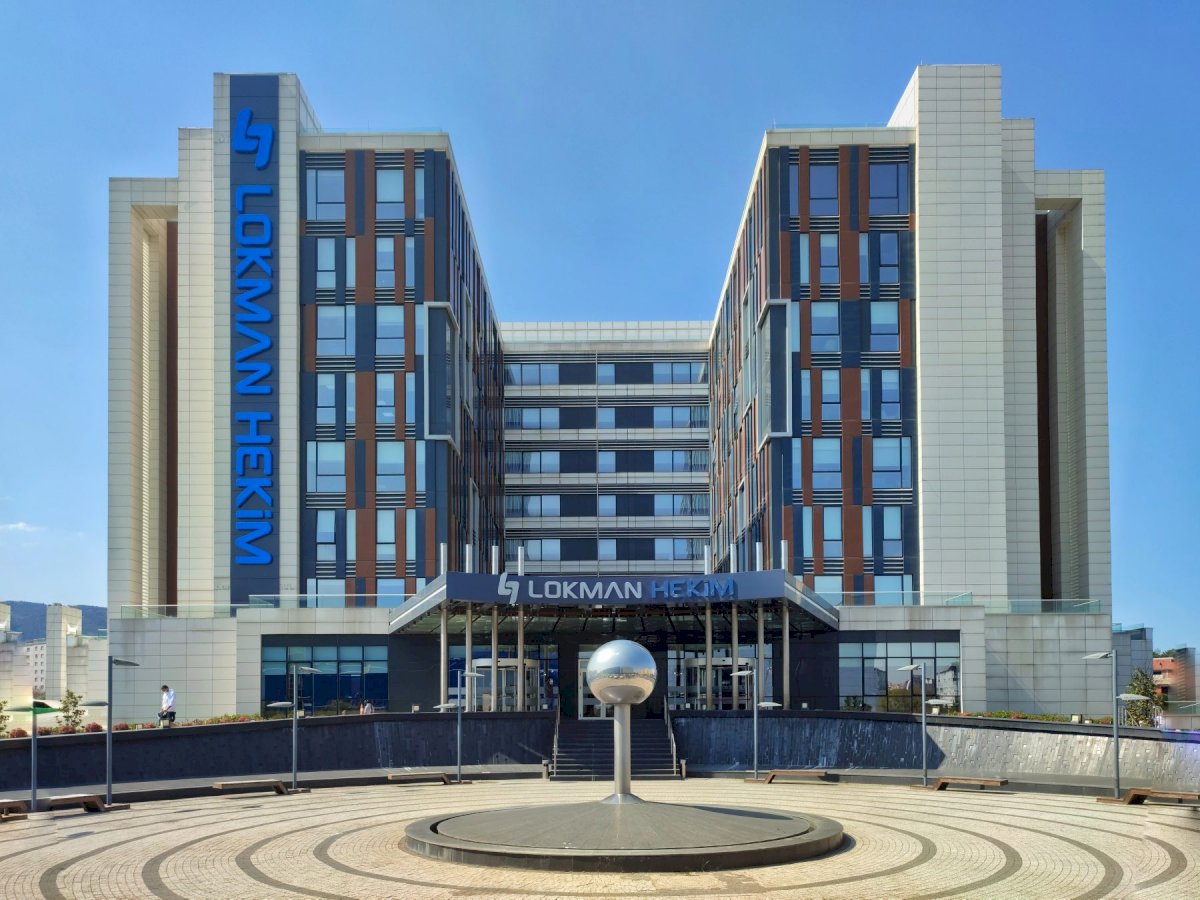
Hospital Lokman Hekim de Estambul (Lokman Hekim Istanbul Hospital)



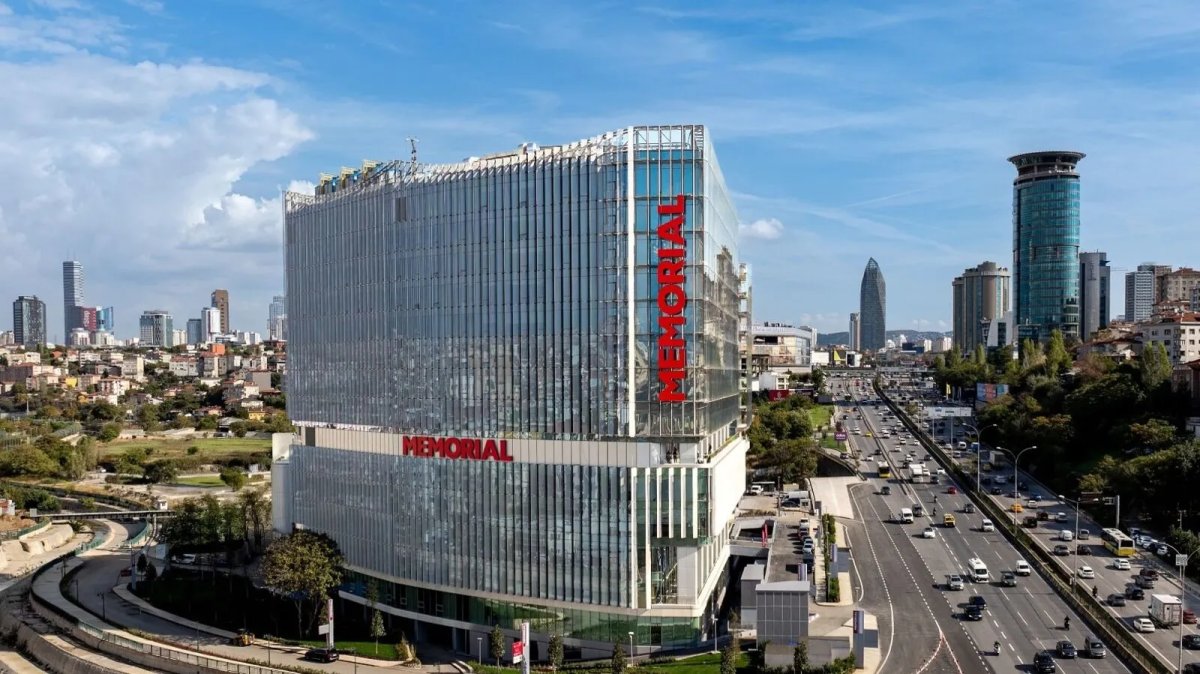
Memorial Göztepe Hospital
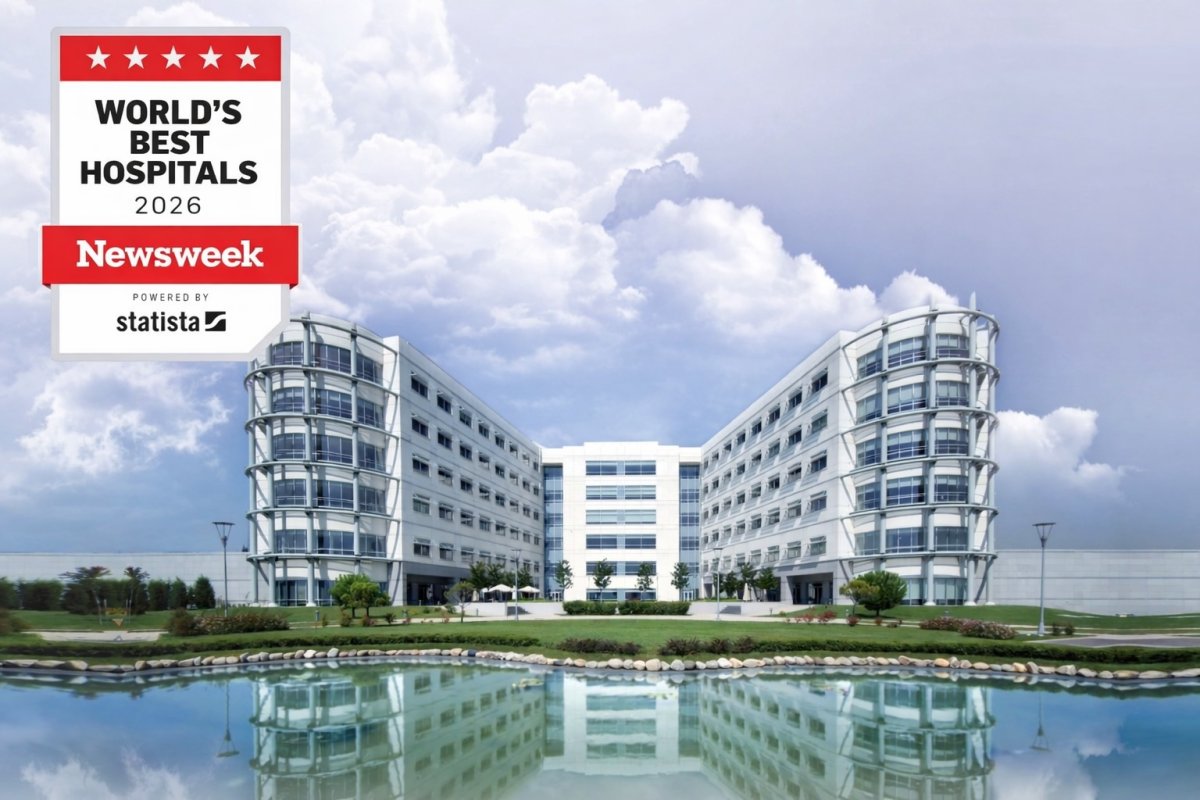




Obtenga una evaluación médica de tratamiento de Pólipos del tracto gastrointestinal en Turquía: haga una consulta con 38 médicos experimentados ahora
Ver todos los médicos
Mehmet Guler
El Prof. Mehmet Guler es un cirujano altamente cualificado con más de _doctor_9532_ años de experiencia en el campo, que actualmente ejerce en el complejo hospitalario Medical Park Antalya.
- Posee cátedras tras una extensa formación académica y clínica
- Especializado en cirugía general con títulos avanzados
- Miembro de varias instituciones médicas prestigiosas
- Dedicado tanto a la práctica clínica como a la educación médica

Mete Akin
El Dr. Mete Akin se especializa en gastroenterología en el complejo hospitalario Medical Park Antalya, con una amplia formación en pólipos gastrointestinales.
- Más de _doctor_9537_años_ centrado en gastroenterología y medicina interna
- Formación de subespecialidad en gastroenterología en la Universidad Süleyman Demirel
- Profesor asistente en la División de Gastroenterología de la Universidad Akdeniz
- Miembro de las principales instituciones médicas de Turquía

Aziz Kemal Emek
Profesor en la Universidad de Akdeniz – El Dr. Emek aporta precisión académica a los tratamientos de pólipos gastrointestinales en Medical Park Antalya.
- Especializado en cirugía general en la Universidad de Ankara
- Profesor en la Facultad de Medicina de la Universidad de Akdeniz
- Miembro de la Asociación Nacional de Cirugía
- Afiliado a la Fundación de Salud del Mediterráneo

Bilal Ergul
El Dr. Bilal Ergul es un pionero en gastroenterología, conocido por tratamientos innovadores como la miotomía endoscópica peroral (POEM).
- Autor de cerca de 100 publicaciones en gastroenterología
- Especializado en devolver la esperanza y mejorar la vida de los pacientes mediante el tratamiento
- Trabaja en el Hospital de la Universidad Lokman Hekim en Ankara
Compartir contenido
Historias en video de pacientes de Bookimed
 Olena Sikoza
Preguntas frecuentes sobre el tratamiento de Pólipos del tracto gastrointestinal en Turquía
¿Qué métodos se utilizan para eliminar los pólipos gastrointestinales y cómo se manejan los casos avanzados?
Los pólipos gastrointestinales se eliminan mediante endoscopios durante una colonoscopia o gastroscopia a través de técnicas como la polipectomía con asa y la biopsia. Los casos avanzados requieren resección mucosa endoscópica (RME) o disección submucosa endoscópica (DSE). Los crecimientos grandes o cancerosos pueden requerir cirugía laparoscópica o abierta para asegurar la eliminación completa.
- Técnicas endoscópicas: La polipectomía con asa y la biopsia con pinza eliminan los pólipos pequeños durante las pruebas de detección estándar.
- Resección avanzada: Las técnicas de RME y DSE eliminan los crecimientos grandes, planos o cancerosos en etapa temprana.
- Intervención quirúrgica: La cirugía laparoscópica trata los pólipos demasiado grandes para ser eliminados por endoscopia.
- Cirugía oncológica: La cirugía abdominal abierta o la proctocolectomía manejan los casos de cáncer avanzado o síndromes genéticos.
Perspectiva del experto de Bookimed: Elegir un hospital con unidades de endoscopia avanzadas es vital para los casos complejos. Por ejemplo, el Hisar Hospital Intercontinental ofrece la eliminación de pólipos gástricos guiada por EUS desde 1.100 $. Este enfoque especializado permite al Dr. Tarik Akar tratar las lesiones mediante imágenes precisas que las clínicas estándar podrían no tener.
Consenso de los pacientes:
¿Es necesaria la hospitalización tras la extirpación de pólipos en Turquía?
La hospitalización en Turquía depende del tipo y la complejidad de la extirpación del pólipo. Las polipectomías endoscópicas rutinarias para pólipos gástricos o de colon son procedimientos ambulatorios estándar. Estos generalmente permiten el alta el mismo día. Las resecciones de tumores oncológicos complejos pueden requerir una estancia hospitalaria de hasta 4 días.
- Procedimientos ambulatorios: Una polipectomía gástrica o de colon estándar suele durar de 30 a 60 minutos.
- Recuperación hospitalaria: Las resecciones oncológicas importantes a menudo requieren una estancia hospitalaria de 4 días para observación.
- Técnicas especializadas: Médicos como el Dr. Tarik Akar utilizan técnicas endoscópicas guiadas por EUS para pólipos gástricos.
- Estándares de las instalaciones: La mayoría de las extirpaciones ocurren en centros acreditados por la JCI como el Hisar Hospital Intercontinental o Memorial Şişli.
Opinión del experto de Bookimed: Los pacientes pueden encontrar una diferencia de valor significativa entre los costos de los procedimientos individuales y los paquetes quirúrgicos. Una extirpación básica de pólipo gástrico cuesta aproximadamente 1.100 $. Por el contrario, los paquetes de resección oncológica compleja alcanzan alrededor de 8.800 $. Estos paquetes quirúrgicos a menudo incluyen traslados VIP y 4 días de hospitalización para garant
¿Por qué los pacientes internacionales eligen Turquía para el tratamiento de pólipos gastrointestinales?
Los pacientes internacionales eligen Turquía para el tratamiento de pólipos gastrointestinales para acceder a una atención acreditada por la JCI a costos significativamente más bajos. Las instalaciones turcas utilizan técnicas endoscópicas avanzadas, como la extracción guiada por EUS. Los centros de gran volumen a menudo tratan a más de 250 000 pacientes al año. Los gastroenterólogos expertos mantienen los estándares de tratamiento estadounidenses y europeos a través de afiliaciones internacionales.
- Rentabilidad: La extirpación de pólipos gástricos puede costar alrededor de $1,100 en hospitales privados líderes.
- Diagnóstico avanzado: Las clínicas ofrecen endoscopia con cápsula y resonancia magnética de 3 Teslas asistida por IA para una detección precisa.
- Experiencia especializada: Cirujanos como el Dr. Tarik Akar se especializan en ESD para cánceres gastrointestinales tempranos.
- Integración académica: Centros líderes como el Centro Médico Anadolu mantienen afiliaciones con Johns Hopkins Medicine.
Perspectiva del experto de Bookimed: Los datos de Bookimed muestran una distinción clara entre la extirpación endoscópica simple y la resección compleja. Los paquetes como los del Hospital Hisar se centran en 1-3 pólipos por aproximadamente $1,100. Por el contrario, Turan Turan Health Group ofrece resecciones oncológicas integrales por alrededo
¿Qué ciudades turcas se consideran los principales centros de gastroenterología de calidad y extirpación de pólipos?
Estambul, Ankara y Antalya son los principales centros turcos de gastroenterología y extirpación moderna de pólipos. En estas ciudades se encuentran clínicas acreditadas por la JCI, especializadas en disección submucosa endoscópica (ESD) y EMR. Centros líderes, como Memorial Şişli y Anadolu Medical Center, utilizan protocolos afiliados a Johns Hopkins para casos gastrointestinales complejos.
- Potencial médico de Estambul: Más de 150 médicos tratan a pacientes internacionales en la clínica acreditada por la JCI, VM Medical Park.
- Atención especializada en Ankara: El hospital universitario Lokman Hekim en Ankara demuestra altas tasas de éxito en resecciones quirúrgicas complejas.
- Métodos modernos de resección: Los centros líderes ofrecen métodos endoscópicos bajo control de EUS (ecoendoscopia) y resección mucosa endoscópica (EMR).
- Enfoque clínico de Antalya: El hospital Memorial Antalya cuenta con departamentos especializados en oncología médica y cirugía general.
Opinión de expertos de Bookimed: Aunque Estambul recibe el mayor flujo de pacientes, los hospitales universitarios de Ankara suelen ser una opción más fiable para casos complejos. En Lokman Hekim, el Dr. Bilal Ergül ha publicado 100 trabajos científicos sobre gastroenterología. La elección de centros universitarios garantiza el acceso a especialistas que combinan la práctica clíni
¿Qué cambios en el estilo de vida posteriores al tratamiento se recomiendan para reducir el riesgo de formación de nuevos pólipos?
Reducir el riesgo de formación de nuevos pólipos requiere aumentar la ingesta de fibra dietética mediante verduras y cereales integrales, limitando estrictamente las carnes rojas y procesadas. Los expertos enfatizan un peso corporal saludable, actividad física regular y el cese completo del tabaquismo. El cumplimiento estricto de las colonoscopias de vigilancia prescritas sigue siendo esencial para la salud digestiva a largo plazo.
- Ingesta dietética: Priorice las legumbres y frutas ricas en fibra para mejorar la motilidad y la salud intestinal.
- Consumo de carne: Reduzca la carne de res, cerdo y embutidos procesados para minimizar la irritación de la mucosa.
- Actividad física: Realice ejercicio constante, como caminar, para mejorar la salud metabólica.
- Programa de vigilancia: Siga los intervalos de colonoscopia recomendados por el médico, generalmente cada 3 a 5 años.
Perspectiva de expertos de Bookimed: Los centros de gastroenterología turcos enfatizan el control del síndrome metabólico general por encima de listas dietéticas estrechas. Especialistas como el Dr. Tarik Akar o el Dr. Yilmaz Bilgic a menudo vinculan la prevención de pólipos con el control del azúcar en sangre y el colesterol. Los datos de las clínicas turcas muestran un enfoque multidisciplinario donde la medicina interna y la gastroenterología se coordinan para abordar est