Pólipos del tracto gastrointestinal en Corea del Sur: las 10 mejores clínicas para su tratamiento


Revisado médicamente por
Fahad Mawlood
¿Cuál es el precio del diagnóstico y los tratamientos de Pólipos del tracto gastrointestinal en Corea del Sur? Descubra ahora
El costo del tratamiento de pólipos del tracto gastrointestinal en la República de Corea generalmente incluye una gastroscopia diagnóstica que oscila entre $150 y $210. Aunque no se enumeran códigos de procedimiento específicos para la polipectomía, la consulta con un gastroenterólogo suele costar entre $55 y $75. Los gastos totales dependen del nivel del hospital y de la sedación requerida. Los pacientes internacionales a menudo ahorran entre un 40 y un 60% en comparación con los costos médicos en EE. UU. Seúl e Incheon son los centros principales para estos procedimientos.
Costos típicos del tratamiento de pólipos del tracto gastrointestinal en la República de Corea
- Consulta con un gastroenterólogo: $55 – $75
- Gastroscopia: $150 – $210
- Análisis de sangre extendido: de $200
- ECG: de $30
Perspectiva de los expertos de Bookimed: Los pacientes que buscan experiencia clínica de alto volumen deberían considerar el Asan Medical Center. Maneja más de 65,000 operaciones anuales con un enfoque multidisciplinario. Para aquellos que priorizan la tecnología avanzada, el Hospital Universitario Nacional de Seúl Bundang (SNUBH) utiliza el sistema digital BESTcare para diagnósticos precisos. Para procedimientos endoscópicos especializados, el Hospital Na-Eun brinda acceso a directores como Cheon Won Seok, quien se enfoca en extirpaciones complejas como la disección submucosa endoscópica.
| Corea del Sur | España | Turquía | |
|---|---|---|---|
| Eliminación de pólipos gástricos | de $240 | ≈ $1,300 | de $450 |
Sus beneficios y garantías con Bookimed
Precios directos
Bookimed no añade cargos extra a los precios de los tratamientos de Pólipos del tracto gastrointestinal. Las tarifas proceden de las listas de precios oficiales de las clínicas. Pagará directamente en la clínica por su tratamiento a su llegada al país.
Sólo clínicas y médicos verificados
Bookimed está comprometido con su seguridad. Solo trabajamos con las clínicas que mantienen altos estándares internacionales en el tratamiento de Pólipos del tracto gastrointestinal y cuentan con las licencias necesarias para atender a pacientes internacionales en todo el mundo.
Asistencia 24/7 gratuita
Bookimed ofrece asistencia experta gratuita. Un coordinador médico personal le apoya antes, durante y después de su tratamiento, resolviendo cualquier problema. Nunca estará solo en su viaje médico de tratamiento de Pólipos del tracto gastrointestinal.

Su coordinador médico personal de Bookimed
- Le apoya en cada etapa
- Ayuda a elegir la clínica y el médico adecuados
- Asegura un acceso rápido y conveniente a la información
Descubra las mejores clínicas de tratamiento de Pólipos del tracto gastrointestinal en Corea del Sur: 10 opciones verificadas y Precios











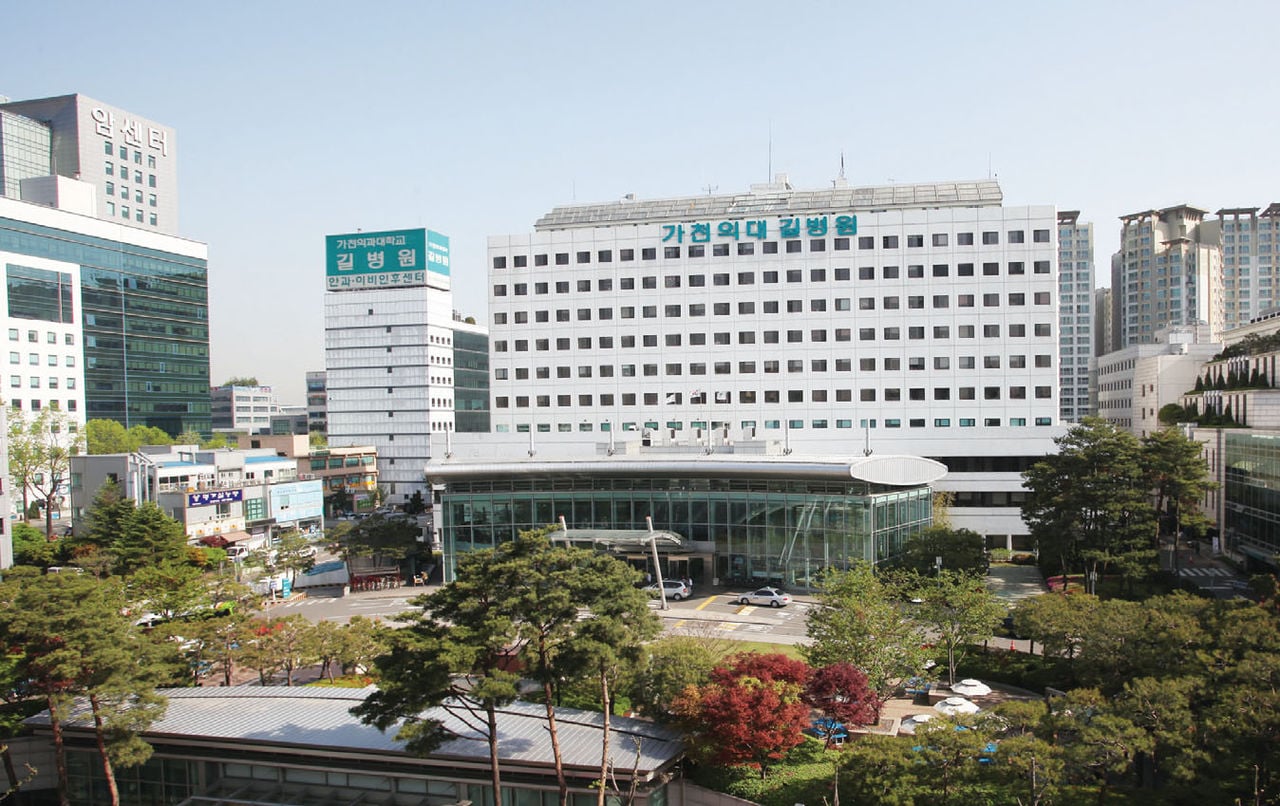




Bumin Hospital Seoul


Obtenga una evaluación médica para Pólipos del tracto gastrointestinal en Corea del Sur: consulte con doctores experimentados ahora
Ver todos los médicos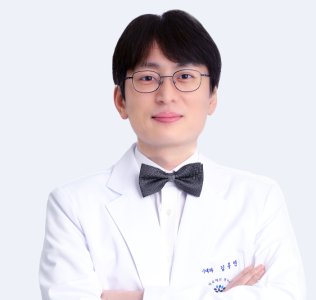
Kim Jong Yeon
El profesor Kim Jong-yeon es gastroenterólogo en el Hospital Myongji. Trata enfermedades del esófago, estómago, colon e hígado, incluyendo cirrosis y hepatitis. Realiza endoscopia terapéutica, como la polipectomía endoscópica. También se desempeña como subdirector del Centro Internacional de Atención Médica.
Es miembro del Centro de Insuficiencia Hepática. Trabaja con equipos de hepatología, cáncer de hígado y trasplantes para proporcionar atención coordinada para enfermedades hepática
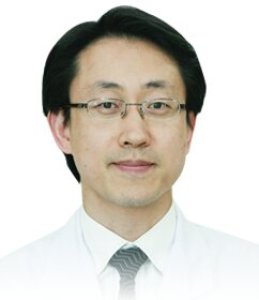
Cheon Wonseok
El Dr. Cheon Wonseok es Jefe de Gastroenterología en el Hospital Na-Eun. Trata trastornos gastrointestinales. Realiza endoscopia digestiva alta, colonoscopia, polipectomía y disección endoscópica submucosa (ESD). Maneja el cáncer gástrico y esofágico y la infección por Helicobacter pylori. También trata enfermedades hepáticas y enfermedad inflamatoria intestinal, incluidas la enfermedad de Crohn y la colitis ulcerosa. Ofrece endoscopia por cápsula del intestino delgado.
Acreditaciones:
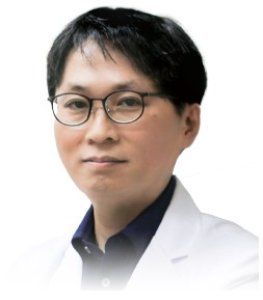
Kim Taegyun
El Dr. Kim Taegyun es gastroenterólogo. Se centra en enfermedades y cánceres pancreatobiliares, entre ellos pancreatitis, quistes y cáncer de páncreas, colecistitis, cálculos biliares (colelitiasis) y cáncer de las vías biliares. También realiza endoscopia avanzada, incluida la CPRE (ERCP). Trata tumores gastrointestinales, pólipos de estómago y colon, cáncer gástrico y tumores submucosos (SMT).
Educación y formación: MD, Facultad de Medicina de la Universidad Nacional de Jeonbuk. Maes
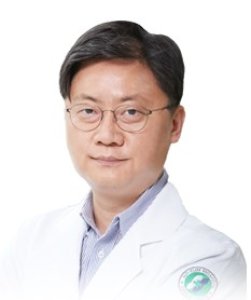
Pak Seongjin
El Dr. Pak Seongjin es gastroenterólogo. Se centra en la endoscopia y en procedimientos avanzados como gastroscopia, colonoscopia, polipectomía y ESD. También trata enfermedades digestivas y hepáticas, incluidas la cirrosis, la pancreatitis, la hepatitis y la infección por Helicobacter pylori.
Obtuvo los títulos de MD y MS en Medicina Interna en la Universidad Chung-Ang. Completó su residencia en medicina interna y la subespecialidad en gastroenterología en el Hospital de la Universida
Compartir contenido
Historias en video de pacientes de Bookimed
 Olena Sikoza
Preguntas frecuentes sobre el tratamiento de Pólipos del tracto gastrointestinal en Corea del Sur
¿Cómo se tratan habitualmente los pólipos gastrointestinales en Corea del Sur?
Los médicos surcoreanos tratan los pólipos gastrointestinales mediante resección endoscópica mínimamente invasiva durante los exámenes de diagnóstico. Las técnicas estándar incluyen la polipectomía con asa fría para crecimientos pequeños y la resección mucosa endoscópica para lesiones más grandes. Los centros especializados utilizan la disección submucosa endoscópica para casos complejos a fin de garantizar la extirpación completa del tejido precanceroso.
- Pólipos pequeños: Los especialistas utilizan pinzas frías o asas para crecimientos de menos de 9 mm.
- Pólipos grandes: Los expertos realizan una resección mucosa endoscópica para pólipos de entre 10 mm y 19 mm.
- Extirpación avanzada: Los cirujanos utilizan la disección submucosa endoscópica para lesiones planas o complejas de más de 26 mm.
- Cuidados post-procedimiento: Los patólogos analizan todo el tejido extirpado para determinar los plazos de seguimiento.
Perspectiva del experto de Bookimed: Corea del Sur ocupa un lugar destacado a nivel mundial en atención gastrointestinal debido al enorme volumen de pruebas de detección. Los principales centros, como el Hospital de la Universidad Nacional de Seúl, atienden a más de 10.000 pacientes al día. Esta densidad permite a los endoscopistas coreanos dominar disecciones complejas que en otros lugares podrían requerir cirugía abierta. Los paquet
¿Qué seguimiento se recomienda después de la extirpación de pólipos en Corea del Sur?
El seguimiento en Corea del Sur sigue las directrices de la Sociedad Coreana de Endoscopia Gastrointestinal (KSGE) basadas en la patología y el tamaño de los pólipos. Los pacientes de alto riesgo con pólipos de más de 10 mm o adenomas múltiples requieren un seguimiento en un plazo de 3 años. Los casos de bajo riesgo suelen volver a los 5 años para una colonoscopia o gastroscopia de control.
- Hallazgos de alto riesgo: El seguimiento se realiza en un plazo de 3 años para adenomas con displasia de alto grado o componentes vellosos.
- Resultados de bajo riesgo: Los pacientes con 1-2 adenomas tubulares pequeños suelen recibir una recomendación de seguimiento a 5 años.
- Extirpación fragmentada: La resección por piezas de pólipos grandes requiere un chequeo a los 6 meses por seguridad.
- Calidad del procedimiento: Los intervalos se acortan si la preparación intestinal es deficiente o si la extirpación del pólipo fue potencialmente incompleta.
Perspectiva del experto de Bookimed: La infraestructura digital en centros como el Hospital Bundang de la Universidad Nacional de Seúl (SNUBH) reduce los errores de diagnóstico mediante el seguimiento automatizado de datos. Aunque las directrices sugieren de 3 a 5 años, los especialistas coreanos suelen recomendar calendarios de detección ligeramente más proactivos. Los centros de gran volumen como el Centro Mé
¿Es posible que un pólipo sea descubierto y extirpado el mismo día durante una sola visita?
Los pólipos gastrointestinales pueden ser descubiertos y extirpados durante la misma visita en la República de Corea. Los especialistas utilizan endoscopios especializados con canales quirúrgicos para realizar una polipectomía inmediata. Este enfoque elimina la necesidad de sedaciones, preparaciones o múltiples citas hospitalarias por separado.
- Integración del procedimiento: Los médicos utilizan asas o pinzas a través del endoscopio para una extirpación instantánea.
- Técnicas avanzadas: Centros como el Severance Hospital utilizan la disección submucosa endoscópica para pólipos complejos.
- Niveles de experiencia: Gastroenterólogos certificados como la Dra. Ye Jin Lee se especializan en endoscopia gastrointestinal.
- Protocolos de seguridad: La extirpación inmediata depende de su consentimiento previo al procedimiento y de los riesgos de sangrado actuales.
Perspectiva del experto de Bookimed: Los hospitales digitales coreanos como el Seoul National University Bundang Hospital realizan más de 30.000 operaciones al año. Sus sistemas integrados de registros médicos electrónicos significan que los resultados de diagnóstico y el historial quirúrgico son accesibles al instante. Esta infraestructura permite a los cirujanos decidir sobre la extirpación el mismo día con mayor certeza clínica que los sistemas manuales.
Consenso de los pa
¿Está disponible y es efectiva la sedación consciente para los procedimientos de extirpación de pólipos en Corea del Sur?
La sedación consciente es estándar y altamente efectiva para la extirpación de pólipos en Corea del Sur. Conocida localmente como endoscopia con sueño, se utiliza en más del 93% de los casos. Los especialistas usan propofol o midazolam para garantizar la comodidad del paciente. Este método permite a los médicos realizar extirpaciones precisas el mismo día, inmediatamente después de la detección.
- Protocolos disponibles: Las clínicas utilizan sedación basada en propofol o midazolam para garantizar procedimientos sin dolor.
- Seguridad clínica: La Sociedad Coreana de Endoscopia Gastrointestinal exige una estricta monitorización del oxígeno y la presión arterial.
- Precisión en la detección: La sedación mantiene a los pacientes quietos, lo que aumenta significativamente el éxito en la detección y extirpación de pólipos.
- Tratamiento el mismo día: Los médicos realizan las extirpaciones durante el examen inicial para evitar múltiples citas.
Perspectiva del experto de Bookimed: Corea del Sur se especializa en diagnósticos digitalizados de alto volumen. El Hospital Severance y el Hospital de la Universidad Nacional de Seúl atienden a millones de pacientes anualmente. Esta escala masiva significa que los protocolos de sedación están excepcionalmente refinados. Los datos de Bookimed muestran que centros líderes como el Centro Médico Asan realizan más
¿Cuánto tiempo debo esperar antes de volar después de la extirpación de un pólipo?
Los pacientes generalmente pueden volar entre veinticuatro y cuarenta y ocho horas después de la extirpación de pólipos pequeños. Los pólipos más grandes de más de diez milímetros requieren una espera de siete a catorce días. Este retraso permite que el sitio quirúrgico sane. También minimiza los riesgos de la presión de la cabina y las hemorragias internas tardías.
- Pólipos pequeños: Viajar suele ser seguro dentro de las 24 a 48 horas posteriores a procedimientos menores.
- Pólipos grandes: Espere de 7 a 14 días si el pólipo superaba los 10 milímetros.
- Hemorragia interna: Los riesgos alcanzan su punto máximo de 5 a 7 días después del procedimiento durante la fase de curación.
- Expansión de gases: Los gases intestinales se expanden un 30% a la altitud de vuelo, causando una presión abdominal severa.
Perspectiva de expertos de Bookimed: Los centros surcoreanos como el Asan Medical Center utilizan sistemas digitales avanzados para monitorear la recuperación. Especialistas como el Dr. Cheon Won Seok a menudo realizan disecciones submucosas endoscópicas para casos complejos. Estas técnicas precisas pueden requerir períodos de observación más largos que los exámenes estándar antes de realizar viajes aéreos seguros.
Consenso de los pacientes: Los pacientes señalan que la sedación persistente se siente más restrictiva que e
¿Qué hospitales tienen más experiencia en el tratamiento de pólipos gastrointestinales complejos?
Los principales hospitales universitarios de Corea del Sur destacan en la extirpación de pólipos gastrointestinales complejos, grandes o planos sin necesidad de cirugía mayor. Estos centros utilizan la disección submucosa endoscópica (ESD) y la resección mucosa endoscópica (EMR). Entre las instituciones clave se encuentran el Asan Medical Center, el Severance Hospital y el Seoul National University Hospital en Seúl.
- Asan Medical Center: Más de 65.000 operaciones anuales con gran éxito en oncología compleja y gastrointestinal.
- Severance Hospital: Centro acreditado por la JCI que trata a más de 1,6 millones de pacientes ambulatorios al año con unidades endoscópicas avanzadas.
- SNU Bundang Hospital: Primer hospital digital de Corea, que utiliza sistemas para minimizar los errores médicos durante los procedimientos.
- Técnicas especializadas: Disponibilidad de disección submucosa endoscópica (ESD) avanzada para la extirpación de pólipos difíciles y de gran escala.
Perspectiva del experto de Bookimed: Aunque muchos centros locales realizan exámenes de rutina, los casos complejos requieren hospitales terciarios de gran volumen como el Asan Medical Center o el SNUH. Estas instalaciones gestionan más de 10.000 pacientes al día. Este volumen masivo garantiza que cirujanos como el Dr. Cheon Won Seok o la Dra. Min Jung Park mantengan la alta precisió