Tratamiento de Pólipos del tracto gastrointestinal en Tailandia — obtenga 3 coincidencias personalizadas de clínicas


Revisado médicamente por
Fahad Mawlood
Cómo funciona
¿Cuál es el precio del diagnóstico y los tratamientos de Pólipos del tracto gastrointestinal en Tailandia? Descubra ahora
De $900 / 33,300฿. Una gastroscopia diagnóstica estándar cuesta entre $350 / 13,000฿ y $520 / 19,200฿, mientras que una colonoscopia con extirpación de pólipos cuesta entre Precio a consultar y Precio a consultar. Los gastos totales dependen del tamaño, número y ubicación de los pólipos. Los pacientes internacionales suelen encontrar ahorros del 40-60% en comparación con los EE. UU. Los principales centros médicos incluyen Bangkok y Pattaya.
Costos típicos del tratamiento de pólipos del tracto gastrointestinal en Tailandia
- Consulta con un gastroenterólogo: $70 / 2,600฿ – $130 / 4,800฿
- Gastroscopia: $350 / 13,000฿ – $520 / 19,200฿
- Colonoscopia con biopsia: $550 / 20,400฿ – $950 / 35,200฿
- Endoscopia por cápsula: $1,600 / 59,200฿ – $2,800 / 103,600฿
- Análisis bioquímico de sangre: de $150 / 5,600฿
- Análisis extendido de sangre: de $100 / 3,700฿
- Coagulograma: $30 / 1,100฿ – $50 / 1,900฿
- ECG: $19 / 700฿ – $50 / 1,900฿
- Extirpación de pólipos gástricos: de $900 / 33,300฿
- Colonoscopia con extirpación de pólipos: Precio a consultar
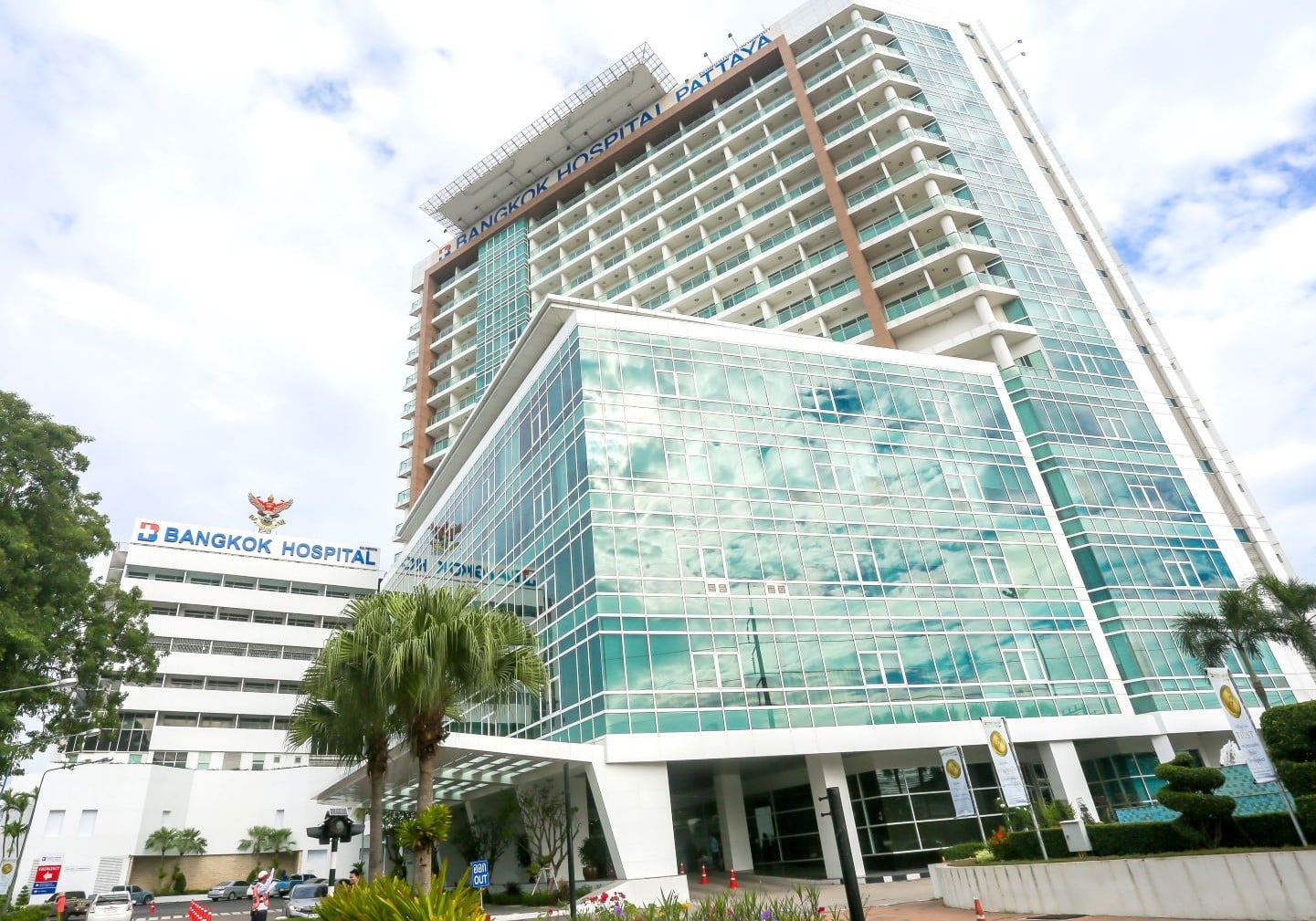
Perspectiva de expertos de Bookimed: Para casos complejos, los centros acreditados por la JCI como el Bumrungrad International Hospital ofrecen un valor superior a través de imágenes digitales avanzadas. Los pacientes que requieran atención especializada deben buscar expertos como el Dr. Pichai Kittipanyaworakul, hepatólogo formado en la Universidad Mahidol. Si necesita exámenes de rutina, el Hospital Sikarin ofrece servicios de gastroenterología de alto volumen adaptados para pacientes internacionales. Las instalaciones en Pattaya, como el Bangkok Hospital Pattaya, ofrecen estándares de diagnóstico de alto nivel para los viajeros de la costa.
| Tailandia | España | Turquía | |
|---|---|---|---|
| Eliminación de pólipos gástricos | de $900 / 33,300฿ | de $3,500 / 129,500฿ | de $450 / 16,700฿ |
Descubra las mejores clínicas de tratamiento de Pólipos del tracto gastrointestinal en Tailandia: 5 opciones verificadas y Precios












MedConsult Bangkok Medical Clinic




Obtenga una evaluación médica para Pólipos del tracto gastrointestinal en Tailandia: consulte con doctores experimentados ahora
Ver todos los médicos
Pichai Kittipanyaworakul
Pichai Kittipanyaworakul, M.D., es internista. Se especializa en gastroenterología y hepatología.
Formación: Doctor en Medicina (M.D.), Facultad de Medicina, Universidad de Chiang Mai.
Acreditaciones: Diploma en Medicina Interna, Hospital Conmemorativo Chulalongkorn, Sociedad de la Cruz Roja Tailandesa. Diploma en Medicina Interna (Gastroenterología y Hepatología), Facultad de Medicina del Hospital Ramathibodi, Universidad Mahidol.
Compartir contenido
Historias en video de pacientes de Bookimed
 Olena Sikoza
Preguntas frecuentes sobre el tratamiento de Pólipos del tracto gastrointestinal en Tailandia
¿Cuál es el tratamiento estándar para los pólipos gastrointestinales en Tailandia?
El tratamiento estándar para los pólipos gastrointestinales en Tailandia es la extirpación endoscópica durante una colonoscopia o gastroscopia. Las clínicas especializadas en Bangkok y Pattaya utilizan la polipectomía para resecar los pólipos de inmediato. Este enfoque previene eficazmente el cáncer colorrectal y garantiza una recuperación rápida en 24 horas.
- Polipectomía endoscópica: Los cirujanos utilizan un asa de alambre para extirpar los pólipos durante la detección.
- Técnicas de extracción: Los métodos incluyen biopsia en caliente, biopsia en frío y resección con asa para crecimientos más grandes.
- Confirmación diagnóstica: El tejido resecado se somete a pruebas de patología para determinar si es canceroso.
- Estándares clínicos: Instalaciones acreditadas como el Bumrungrad International Hospital siguen los protocolos JCI para endoscopia.
Perspectiva del experto de Bookimed: Tailandia atrae casos complejos porque centros como Bumrungrad International y Bangkok Hospital Pattaya integran imágenes digitales avanzadas y asistencia robótica. Con más de 1.300 médicos en sus sedes, estos hospitales a menudo proporcionan resultados de patología más rápidamente que las clínicas regionales más pequeñas. Si tiene antecedentes familiares de pólipos, elegir una instalación acreditada por la JCI en Bangkok garantiza el acceso a programas de seguimi
¿Están los hospitales tailandeses cualificados para realizar polipectomías avanzadas?
Los principales hospitales tailandeses están altamente cualificados para realizar polipectomías avanzadas utilizando técnicas como la resección mucosa endoscópica y la disección submucosa. Los centros de Bangkok cuentan con la acreditación de la Joint Commission International y utilizan imágenes asistidas por IA para mayor precisión. Las instalaciones líderes mantienen unidades de endoscopia intervencionista dedicadas a procedimientos gastrointestinales complejos.
- Técnicas disponibles: Los especialistas realizan disecciones submucosas endoscópicas y procedimientos de resección de pólipos sésiles grandes.
- Enfoque tecnológico: Las instalaciones utilizan imágenes de banda estrecha (NBI) y endoscopios asistidos por IA para el análisis de tejidos.
- Credenciales hospitalarias: Instituciones como Bumrungrad y Sikarin mantienen los estándares médicos de la Joint Commission International.
- Formación de especialistas: Los médicos a menudo tienen diplomas en gastroenterología de las universidades Mahidol o Chulalongkorn.
Opinión de los expertos de Bookimed: Aunque muchas clínicas ofrecen exámenes básicos, elija centros como Bumrungrad que tratan a más de 1.000.000 de pacientes al año. Un gran volumen de pacientes a menudo se correlaciona con mejores resultados en procedimientos complejos de disección submucosa endoscópica. Las clínicas más pequeñas
¿Qué sucede si se descubre que un pólipo extirpado es canceroso?
Encontrar cáncer en un pólipo extirpado significa que tiene cáncer en etapa temprana. Los patólogos examinan los márgenes para ver si tejido sano rodea las células malignas. Si los márgenes están limpios y las células no son agresivas, la polipectomía puede ser el único tratamiento necesario para los pacientes en Tailandia.
- Márgenes limpios: No aparecen células cancerosas en el borde cortado del pólipo extirpado.
- Márgenes positivos: Las células cancerosas cerca del borde pueden requerir una cirugía de colectomía parcial.
- Características agresivas: La invasión profunda o las células de alto grado a menudo provocan resecciones quirúrgicas adicionales.
- Pruebas de estadificación: Los médicos utilizan tomografías computarizadas o resonancias magnéticas para verificar si hay propagación en los ganglios linfáticos.
Perspectiva de Bookimed: Los principales centros tailandeses, como el Hospital Internacional Bumrungrad y el Hospital Sikarin, ofrecen laboratorios de patología acreditados por la JCI para un análisis preciso de los márgenes. Nuestros datos muestran que los mejores gastroenterólogos, como el Dr. Pichai Kittipanyaworakul, brindan revisiones multidisciplinarias para casos complejos. Esto garantiza que la cirugía solo se recomiende si es estrictamente necesaria de acuerdo con las pautas internacionales de estadificación.
¿Qué debo esperar el día de la extirpación de pólipos?
El día de la extirpación de pólipos en Tailandia, espere un procedimiento ambulatorio el mismo día que dura de 30 a 60 minutos. Recibirá sedación antes de que los cirujanos utilicen un colonoscopio o histeroscopio para la extracción. La mayoría de los pacientes se recuperan en una unidad especializada durante una hora antes de recibir el alta.
- Preparación al llegar: Las enfermeras verifican los signos vitales y colocan una vía intravenosa para líquidos y sedación.
- Consulta de expertos: Gastroenterólogos como el Dr. Pichai Kittipanyaworakul revisan el historial médico antes del procedimiento.
- Diagnóstico avanzado: Las instalaciones acreditadas por JCI a menudo realizan análisis de sangre y ECG antes de comenzar.
- Monitoreo posoperatorio: El personal supervisa su recuperación durante 60 minutos mientras los efectos de la anestesia desaparecen.
Opinión del experto de Bookimed: Los hospitales tailandeses como Bumrungrad International atienden a más de 1 millón de pacientes al año y priorizan la eficiencia. Nuestros datos muestran que los centros de alto volumen a menudo programan biopsias de diagnóstico simultáneamente con las extracciones. Esto evita un segundo procedimiento y ahorra en costos de anestesia. Compruebe siempre si su centro incluye los líquidos preoperatorios en el paquete estándar.
Consenso de los pacientes:
¿Con qué frecuencia necesitaré una endoscopia de seguimiento después de una polipectomía en Tailandia?
Los intervalos de endoscopia de seguimiento después de una polipectomía en Tailandia varían de 1 a 10 años. El momento depende del número, tamaño y patología de los pólipos extirpados. Las características de alto riesgo, como 5 o más adenomas o lesiones de más de 10 mm, requieren un procedimiento de repetición dentro de 1 a 3 años.
- Bajo riesgo: El seguimiento suele ser a los 10 años para 1–2 adenomas tubulares pequeños de menos de 10 mm.
- Riesgo moderado: La vigilancia ocurre en 3–5 años para 3–4 adenomas pequeños o pólipos serrados.
- Alto riesgo: Se necesita una endoscopia de repetición en 3 años para adenomas de más de 10 mm.
- Preparación subóptima: Una limpieza intestinal deficiente puede requerir un procedimiento de repetición dentro de 1 año o menos.
Opinión del experto de Bookimed: Los mejores centros de Tailandia, como Bumrungrad International y el Hospital Sikarin, mantienen la acreditación JCI para la seguridad. Los datos muestran que estos centros atienden a más de 1 millón de pacientes al año. Los pacientes internacionales deben asegurarse de obtener el informe de patología original. Este documento es esencial para que su médico local verifique si la resección fue completa.
Consenso de los pacientes: Los pacientes señalan que el momento del seguimiento depende principalmente de los resultados finales de laborator
¿La extirpación de pólipos en Tailandia se realiza bajo sedación o anestesia general?
La extirpación de pólipos en Tailandia se realiza principalmente bajo sedación intravenosa monitoreada. Este enfoque garantiza la comodidad del paciente y el alivio del dolor mientras se mantiene la respiración natural. La anestesia general se reserva para casos complejos, incluyendo pólipos excepcionalmente grandes o procedimientos que involucran el revestimiento uterino durante una histeroscopia.
- Tipo de anestesia: Los centros generalmente utilizan sedación intravenosa monitoreada para pólipos gástricos o de colon de rutina.
- Duración típica: El tratamiento es un procedimiento ambulatorio que permite el alta en pocas horas.
- Excepciones clínicas: La anestesia general se utiliza para pólipos gastrointestinales profundos o de difícil acceso.
- Estándares de acreditación: Gestionado por instalaciones de la Joint Commission International (JCI) que utilizan equipos de anestesiología experimentados.
Perspectiva del experto de Bookimed: Tailandia ocupa el séptimo lugar a nivel mundial en nuestra red de solicitudes médicas. Los centros de alto volumen como el Hospital Sikarin tratan a más de 250.500 pacientes al año. Este volumen masivo garantiza que los equipos gastrointestinales tengan una amplia experiencia en polipectomías basadas en sedación. Los paquetes de extirpación de pólipos gástricos en Bangkok suelen oscilar entre $3,000 y $5,000.