Pólipos del tracto gastrointestinal en Polonia: las 3 mejores clínicas para su tratamiento


Revisado médicamente por
Fahad Mawlood
Cómo funciona
¿Cuál es el precio del diagnóstico y los tratamientos de Pólipos del tracto gastrointestinal en Polonia? Descubra ahora
De $160. Los gastos totales dependen del número de pólipos y de los requisitos de anestesia. Los pacientes suelen ahorrar entre un 40 y un 70% en comparación con los costos en EE. UU. Varsovia, Cracovia y Jelenia Góra son las ciudades líderes para estos procedimientos.
Costos típicos del tratamiento de pólipos del tracto gastrointestinal en Polonia
- Consulta con un gastroenterólogo: de $90
- Gastroscopia: de $160
- Endoscopia por cápsula: de $220
- Análisis de sangre extendido: de $650
- ECG: de $28
- Extirpación de pólipos gástricos: $550 – $1,000
Perspectiva de los expertos de Bookimed: Los pacientes que buscan atención gastroenterológica compleja se benefician de centros multidisciplinarios como el Hospital Universitario de Cracovia. Este centro trata a más de 450,000 pacientes al año con equipos técnicos avanzados. Para los pacientes internacionales, la Clínica KCM ofrece programas de paquetes especializados en Jelenia Góra. Sus protocolos con certificación ISO garantizan altos estándares para quienes viajan desde el Reino Unido o Alemania. Elegir ciudades regionales más pequeñas puede reducir aún más los costos manteniendo la calidad.
Descubra las mejores clínicas de tratamiento de Pólipos del tracto gastrointestinal en Polonia: 3 opciones verificadas y Precios




Hospital Universitario de Cracovia
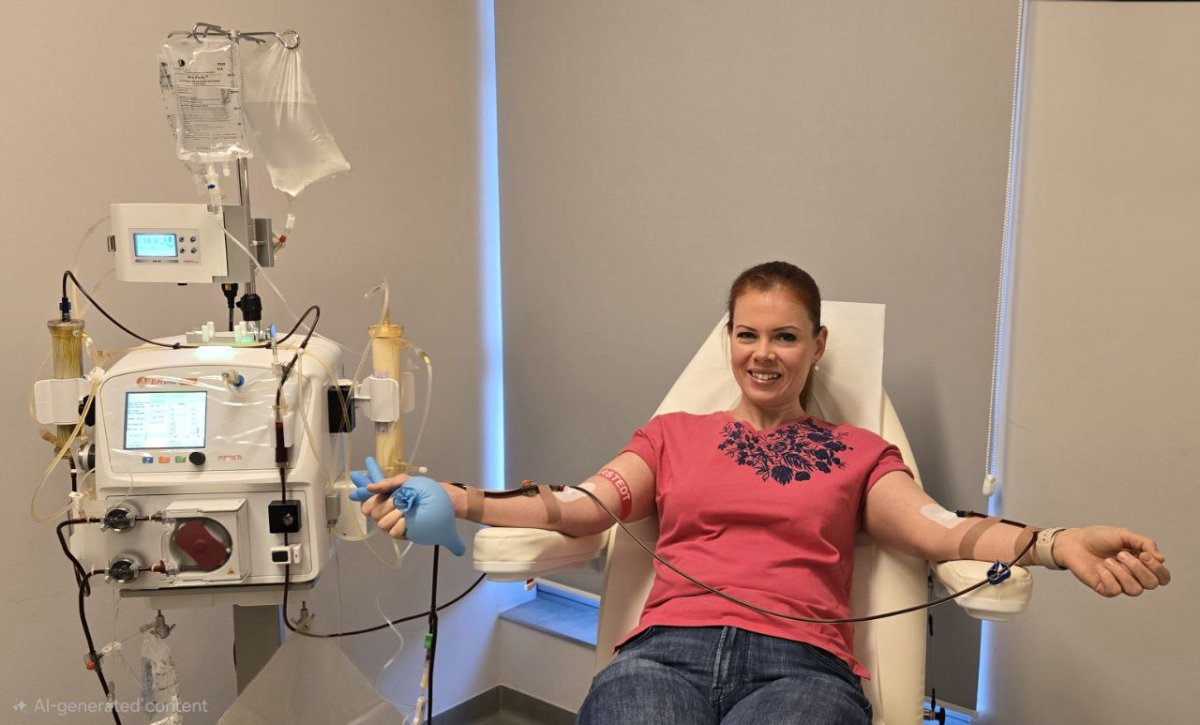
DNTRIPLED Medical Services Centro De Aféresis Terapéutica

Rmed Kopernika
Obtenga una evaluación médica para Pólipos del tracto gastrointestinal en Polonia: consulte con doctores experimentados ahora
Ver todos los médicos
Marcin Olender
Bartosz Malek
Compartir contenido
Historias en video de pacientes de Bookimed
 Olena Sikoza
Preguntas frecuentes sobre el tratamiento de Pólipos del tracto gastrointestinal en Polonia
¿Cómo se eliminan los pólipos gastrointestinales en las clínicas polacas?
Las clínicas polacas eliminan los pólipos gastrointestinales principalmente mediante métodos endoscópicos como la polipectomía, que a menudo se realiza durante una gastroscopia o colonoscopia de rutina. Los especialistas utilizan herramientas de precisión para extirpar los crecimientos mientras los pacientes están bajo sedación. Este enfoque garantiza una alta tasa de éxito en la eliminación de lesiones benignas sin necesidad de cirugía invasiva.
- Técnicas de eliminación: Los cirujanos utilizan pinzas de biopsia, asas frías o asas de electrocauterización para extirpar los pólipos.
- Confirmación diagnóstica: Cada pólipo extraído se somete a un análisis patológico para determinar su estructura celular exacta.
- Comodidad del paciente: Los procedimientos suelen utilizar sedación consciente o anestesia general para garantizar una experiencia sin dolor.
- Métodos avanzados: Los pólipos más grandes o planos pueden requerir una resección mucosa endoscópica (RME) para su eliminación segura.
Perspectiva del experto de Bookimed: Los datos muestran una diferencia de capacidad significativa entre las clínicas privadas y los grandes centros académicos. Mientras que la Clínica KCM en Jelenia Gora se centra en paquetes internacionales, el Hospital Universitario de Cracovia atiende a 455.000 pacientes al año. Elegir un centro de gran volumen suele ser mejor
¿Sentiré dolor durante una polipectomía gastrointestinal?
Los pacientes no sienten dolor durante una polipectomía gastrointestinal porque el revestimiento interno del tracto carece de receptores de dolor. Las clínicas polacas utilizan sedación intravenosa o anestesia leve. Esto asegura que usted permanezca relajado o dormido mientras los cirujanos extirpan los pólipos mediante técnicas mínimamente invasivas.
- Control de la sedación: Los proveedores de anestesia administran medicamentos por vía intravenosa para garantizar una comodidad total.
- Extirpación indolora: Los médicos utilizan asas para cortar los pólipos sin activar las señales de dolor del sistema nervioso.
- Experiencia sensorial: Los pacientes conscientes pueden sentir una ligera presión o movimiento a medida que el endoscopio maniobra.
- Estado posterior al procedimiento: Se produce hinchazón o gases temporales debido al aire utilizado para inflar el tracto.
Perspectiva del experto de Bookimed: Polonia es un destino de alto nivel para la gastroenterología, con el Hospital Universitario de Cracovia atendiendo a más de 450,000 pacientes anualmente. Aunque existen centros más pequeños, elegir grandes hospitales académicos brinda acceso a especialistas altamente experimentados como el Dr. Wlodzimierz Zych. Estos especialistas a menudo lideran programas nacionales de detección, asegurando una alta precisión en la detección y extirpación segu
¿Qué sucede con el pólipo gastrointestinal después de ser extirpado?
Tras su extirpación, un pólipo gastrointestinal se somete a un análisis histopatológico preciso para determinar su naturaleza celular. Los cirujanos colocan el tejido en una solución conservante de inmediato. Posteriormente, los especialistas cortan y tiñen la muestra para su examen microscópico. Este proceso identifica si el crecimiento es benigno, precanceroso o maligno.
- Conservación del tejido: Los especialistas colocan la muestra en formalina para mantener la estructura celular.
- Análisis microscópico: Los patólogos examinan cortes finos de 3 a 5 micras bajo gran aumento.
- Clasificación clínica: Los resultados clasifican el tejido como hiperplásico, adenomatoso o que contiene células cancerosas activas.
- Plazo de resultados: Los informes de patología finales en Polonia suelen tardar de 3 a 10 días.
Perspectiva del experto de Bookimed: Polonia ofrece un gran volumen de servicios de gastroenterología con más de 450.000 pacientes tratados anualmente en centros importantes como el Hospital Universitario de Cracovia. Los datos muestran que especialistas experimentados como el Dr. Wlodzimierz Zych a menudo combinan el cribado con la extirpación inmediata. Este enfoque garantiza que incluso los pólipos asintomáticos lleguen a los laboratorios de patología sin necesidad de un segundo procedimiento.
Consenso de los pacientes:
¿Cuánto tiempo debo permanecer en Polonia para este procedimiento?
La extirpación de pólipos gastrointestinales en Polonia suele requerir una estancia de 1 a 3 días. Los procedimientos de diagnóstico bajo sedación suelen permitir el alta el mismo día. Si los cirujanos extirpan pólipos grandes, los pacientes deben permanecer en Polonia durante 48 a 72 horas. Este período garantiza la seguridad antes de viajar en avión.
- Duración del procedimiento: La polipectomía durante una colonoscopia dura aproximadamente de 30 a 60 minutos.
- Estancia hospitalaria: La mayoría de las extirpaciones de pólipos de rutina se realizan de forma ambulatoria.
- Período de observación: Las clínicas recomiendan permanecer cerca durante 24 horas después de la sedación.
- Autorización para viajar: Los cirujanos suelen autorizar los vuelos de 2 a 3 días después del procedimiento.
Perspectiva de expertos de Bookimed: Los datos sobre el volumen de pacientes muestran que el Hospital Universitario de Cracovia trata a más de 450.000 pacientes al año. Los grandes centros académicos como este son más adecuados para la extirpación de pólipos complejos. Estas instalaciones ofrecen laboratorios de patología avanzados que procesan los resultados de las biopsias internamente. Las clínicas más pequeñas son excelentes para exámenes de rutina y estancias de diagnóstico rápidas.
Consenso de los pacientes: Los pacientes destacan
¿Qué tan alta es la calidad de la neurocirugía en Polonia?
La neurocirugía en Polonia ofrece atención de alta calidad en centros con certificación JCI e ISO. Los neurocirujanos polacos se adhieren a estrictos estándares de formación adoptados por la Unión Europea. Muchos han completado becas en Estados Unidos o Alemania. Tecnologías avanzadas, como CyberKnife, Gamma Knife y sistemas robóticos, están ampliamente disponibles en centros privados.
- Cualificaciones especializadas: Los médicos suelen ser miembros de la Asociación Europea de Sociedades de Neurocirugía.
- Tecnologías avanzadas: Las clínicas utilizan sistemas CyberKnife y ultrasonido enfocado guiado por resonancia magnética para el tratamiento cerebral no invasivo.
- Volumen clínico: Centros líderes como el Hospital Universitario de Cracovia tratan a más de 455.000 pacientes al año.
- Cirujanos experimentados: El Dr. Maciej Bujko del Hospital Carolina ha realizado más de 2.500 cirugías por su cuenta.
Opinión experta de Bookimed: Los datos muestran una fuerte correlación entre la especialización de una clínica y el origen de sus pacientes. La Clínica KCM atiende a más de 700 pacientes internacionales al año. Se especializa en cirugía de columna mínimamente invasiva. Este volumen de trabajo le permite ofrecer paquetes de servicios especializados, que a menudo incluyen bloques de diagnóstico e implantes específicos, como el DIAM de Medtronic.
¿Cuáles son las cualificaciones de los neurocirujanos polacos?
Los neurocirujanos polacos son especialistas altamente cualificados que han completado al menos 13 años de rigurosa formación médica. Esto incluye seis años de estudios de medicina, 13 meses de prácticas y seis años de residencia. Deben aprobar el Examen Estatal de Especialización (PES) y suelen estar certificados por la Asociación Europea de Sociedades de Neurocirugía (EANS).
- Educación: Los médicos reciben educación médica (medicina) después de 6 años de estudio en la universidad.
- Especialización: La residencia incluye 6 años de formación modular en neurocirugía clínica y neurorradiología.
- Volumen quirúrgico: Los residentes a menudo realizan más de 1.000 cirugías, lo que excede el volumen de capacitación promedio en otras regiones.
- Certificados: Muchos especialistas son miembros de AO Spine o de la Sociedad Polaca de Cirugía de Columna.
Opinión experta de Bookimed: Los datos muestran que los neurocirujanos polacos suelen especializarse en tecnologías altamente especializadas, como el sistema ApiFix o el sistema de endoscopia lumbar SED-YESS. Especialistas como el Dr. Stanisław Kwek, de la Clínica KCM, combinan la investigación postdoctoral con una práctica quirúrgica activa. Esta combinación de profundos conocimientos académicos y un alto volumen quirúrgico los hace especialmente eficaces en cirugías de columna complejas y mínimamente in
¿Cuáles son las mejores clínicas neuroquirúrgicas en Polonia?
Entre las mejores clínicas neuroquirúrgicas de Polonia se encuentran el Hospital Carolina, la Clínica KCM y centros académicos de primer nivel como el Hospital Universitario de Cracovia. Estas instituciones ofrecen tratamientos de vanguardia para enfermedades de la columna vertebral y el cerebro que cumplen con los estándares de calidad ISO y emplean a especialistas miembros de organizaciones internacionales como AO Spine.
- Hospital Carolina: Centro Médico de Excelencia FIFA, especializado en cirugías de columna complejas y mínimamente invasivas.
- Clínica KCM: Reconocida internacionalmente por la calidad de sus procedimientos endoscópicos de columna, atendiendo a más de 700 pacientes internacionales anualmente.
- Hospital Universitario de Cracovia: un gran centro multidisciplinario que realiza más de 800 operaciones neuroquirúrgicas al año desde 1788.
- Luxmed: un reconocido centro médico privado en Varsovia especializado en cirugía de columna avanzada para pacientes internacionales.
Opinión experta de Bookimed: Si bien muchos buscan los hospitales más grandes, los datos muestran que clínicas como el Hospital Carolina ofrecen mayor eficiencia para cirugías electivas. Con más de 40 médicos especialistas en este centro de 30 camas, la proporción médico-paciente es significativamente mayor que en los centros universitarios públicos. Esto se traduc
¿Qué procedimientos neuroquirúrgicos se realizan con más frecuencia en Polonia?
En Polonia, la neurocirugía se centra principalmente en cirugías de columna y extirpación de tumores cerebrales. Los hospitales realizan con frecuencia microdiscectomías, fusiones espinales y estimulación cerebral profunda. Centros como el Hospital Carolina y la Clínica KCM utilizan técnicas mínimamente invasivas para tratar hernias discales, lesiones de columna y trastornos neurológicos complejos.
- Cirugía de columna: La discectomía y la laminectomía son tratamientos comunes para los discos herniados.
- Neurooncología: Los especialistas realizan cirugías para extirpar tumores cerebrales utilizando equipos modernos como la tecnología CyberKnife.
- Neurocirugía funcional: la estimulación cerebral profunda (ECP) se utiliza ampliamente para los trastornos del movimiento.
- Técnicas mínimamente invasivas: Los cirujanos utilizan técnicas endoscópicas para descomprimir la columna y tratar tumores pituitarios.
Opinión experta de Bookimed: Polonia se ha convertido en un centro de estabilización espinal especializada. Clínicas como el Hospital Carolina colaboran con equipos deportivos nacionales, lo que refleja su alto nivel de experiencia en el tratamiento de lesiones espinales complejas. Nuestros datos muestran que estas instituciones suelen integrar la rehabilitación directamente en el tratamiento quirúrgico. Esta combinación reduce el riesgo de compl
¿Está disponible la rehabilitación neurológica?
La rehabilitación neurológica está ampliamente disponible en Polonia a través de centros especializados y hospitales multidisciplinarios. Los programas abarcan la recuperación tras un accidente cerebrovascular, una lesión medular y enfermedades degenerativas. Instituciones como el Hospital Karolina de Varsovia y la Clínica KCM ofrecen terapia supervisada. La mayoría de los programas neuroquirúrgicos incluyen una evaluación inicial de rehabilitación postoperatoria.
- Terapias disponibles: Los programas incluyen neurofisioterapia, terapia ocupacional y terapia del habla.
- Instituciones líderes: El Hospital Carolina y el Centro Médico ENEL-MED en Varsovia ofrecen rehabilitación.
- Personal calificado: Neurofisioterapeutas especializados trabajan con neurocirujanos para crear planes de tratamiento individualizados.
- Alcance: La rehabilitación tiene como objetivo restaurar la movilidad, el equilibrio y las funciones cognitivas después de intervenciones quirúrgicas complejas.
Opinión experta de Bookimed: Los datos muestran que las clínicas con una gran afluencia de pacientes internacionales, como la Clínica KCM, suelen incluir rehabilitación básica en sus paquetes quirúrgicos. Esto supone una ventaja significativa, ya que coordinar la neurorrehabilitación de forma independiente en Polonia puede ser complicado. Elegir una clínica con un especialista e
¿Quiénes son los mejores neurocirujanos en Polonia?
Entre los neurocirujanos polacos más destacados se encuentran el Dr. Yuri Kseniuk y el Dr. Maciej Bujko, del Hospital Karolinska de Varsovia. Estos especialistas se especializan en cirugía de columna mínimamente invasiva y técnicas endoscópicas. Cuentan con certificaciones internacionales y son miembros de la Sociedad Polaca de Cirugía de Columna y de EUROSPINE.
- Dr. Yuriy Ksenyuk: experto en cirugía endoscópica de columna en el Hospital Carolina. Dos veces ganador del concurso internacional Vexim.
- Dr. Maciej Bujko: Instructor Internacional de Endoscopia en el Hospital Carolina. Ha realizado más de 2500 procedimientos, incluyendo la extirpación de tumores cerebrales.
- Profesor Stanislav Kvek: especialista de la Clínica KCM. Más de 30 años de experiencia en descompresión láser moderna.
- Dr. Radoslav Michalik: Especialista en implantación de discos artificiales y oncología espinal en el Hospital Karolina.
Opinión experta de Bookimed: Los datos demuestran una alta concentración de especialistas altamente cualificados en Varsovia. Tan solo el Hospital Carolina cuenta con más de 40 especialistas con doble certificaciones en neurocirugía y ortopedia. Este enfoque interdisciplinario es poco común y permite un tratamiento más preciso de casos complejos que afectan tanto a nervios como a huesos.
Opinión del paciente: Los pacie