Pólipos del tracto gastrointestinal Tratamiento en Lituania — Costos 2026


Revisado médicamente por
Fahad Mawlood
¿Cuál es el precio del diagnóstico y los tratamientos de Pólipos del tracto gastrointestinal en Lituania? Descubra ahora
| España | Turquía | |
|---|---|---|
| Eliminación de pólipos gástricos | de $3,500 | de $450 |
Sus beneficios y garantías con Bookimed
Precios directos
Bookimed no añade cargos extra a los precios de los tratamientos de Pólipos del tracto gastrointestinal. Las tarifas proceden de las listas de precios oficiales de las clínicas. Pagará directamente en la clínica por su tratamiento a su llegada al país.
Sólo clínicas y médicos verificados
Bookimed está comprometido con su seguridad. Solo trabajamos con las clínicas que mantienen altos estándares internacionales en el tratamiento de Pólipos del tracto gastrointestinal y cuentan con las licencias necesarias para atender a pacientes internacionales en todo el mundo.
Asistencia 24/7 gratuita
Bookimed ofrece asistencia experta gratuita. Un coordinador médico personal le apoya antes, durante y después de su tratamiento, resolviendo cualquier problema. Nunca estará solo en su viaje médico de tratamiento de Pólipos del tracto gastrointestinal.

Su coordinador médico personal de Bookimed
- Le apoya en cada etapa
- Ayuda a elegir la clínica y el médico adecuados
- Asegura un acceso rápido y conveniente a la información
Descubra las mejores clínicas de tratamiento de Pólipos del tracto gastrointestinal en Lituania: 2 opciones verificadas y Precios



Compartir contenido
Historias en video de pacientes de Bookimed
 Olena Sikoza
Preguntas frecuentes sobre el tratamiento de Pólipos del tracto gastrointestinal en Lituania
¿Cómo se tratan o eliminan los pólipos gastrointestinales?
Los especialistas tratan los pólipos gastrointestinales mediante su extirpación durante procedimientos endoscópicos mínimamente invasivos. Los médicos suelen eliminar todos los pólipos encontrados durante las pruebas de detección rutinarias, como las colonoscopias. Las técnicas incluyen el uso de asas de alambre o fórceps para cortar los crecimientos. La mayoría de los procedimientos se realizan bajo sedación para comodidad del paciente.
- Polipectomía rutinaria: Los médicos utilizan asas de alambre especializadas o pinzas diminutas durante la endoscopia.
- Resección avanzada: Los especialistas realizan EMR o ESD para pólipos planos grandes o complejos.
- Electrocauterización: La corriente eléctrica corta el tejido y sella los vasos sanguíneos para prevenir hemorragias.
- Intervención quirúrgica: La cirugía laparoscópica se reserva para lesiones muy grandes o cancerosas.
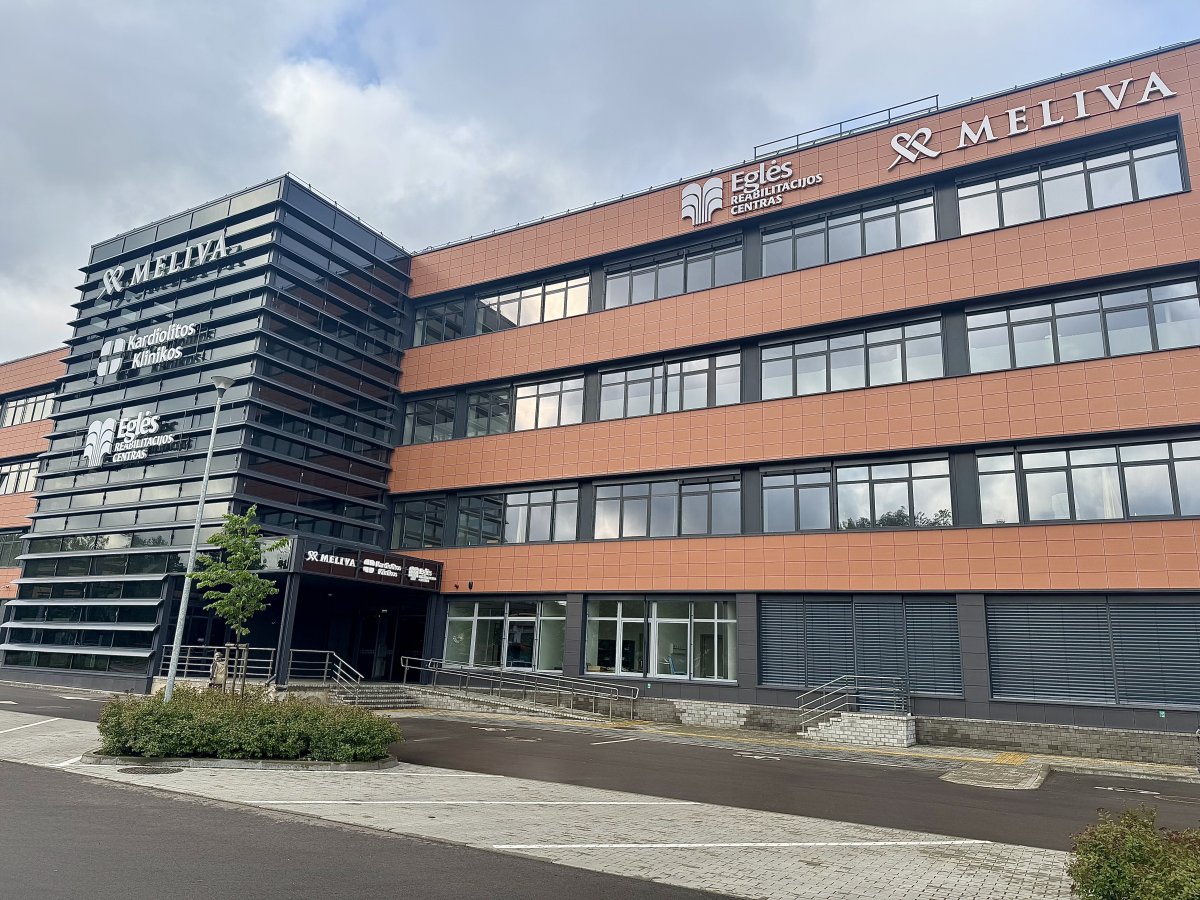
Perspectiva del experto de Bookimed: Los pacientes en Lituania se benefician de una experiencia médica altamente concentrada en Vilna. El Hospital Meliva Kardiolita por sí solo atiende a 298.000 pacientes cada año en 33 departamentos. Este volumen masivo sugiere que los especialistas realizan polipectomías comunes a diario. Una alta rotación de pacientes suele correlacionarse con una seguridad procedimental refinada y un procesamiento patológico eficiente.
Consen
¿Son todos los pólipos gastrointestinales cancerosos?
La mayoría de los pólipos gastrointestinales no son cancerosos. Solo del 5% al 10% se transforman eventualmente en cáncer. Este proceso lento suele tardar de 10 a 15 años. Los médicos clasifican los pólipos como no neoplásicos, precancerosos o malignos. La extirpación de pólipos benignos durante el cribado previene el desarrollo futuro de cáncer.
- Riesgo precanceroso: Los pólipos adenomatosos pueden acumular mutaciones genéticas con el tiempo.
- Indicadores de alto riesgo: Los pólipos de 10 mm o más conllevan un mayor riesgo de malignidad.
- Patrones de crecimiento: Las estructuras vellosas son más agresivas que las formas microscópicas tubulares.
- Significado de la cantidad: Encontrar 3 o más pólipos a menudo aumenta la frecuencia de la vigilancia.
Perspectiva del experto de Bookimed: Los indicadores de calidad en Lituania están vinculados a grandes volúmenes de pacientes y a los estándares JCI. El Medical Diagnostic and Treatment Center atiende a 60.000 pacientes al año en 53 departamentos. Las clínicas a gran escala como el Hospital Meliva Kardiolita gestionan 298.000 pacientes al año. Estos centros de gran volumen suelen ofrecer resultados de patología más rápidos porque cuentan con una amplia infraestructura de diagnóstico.
Consenso de los pacientes: Los pacientes enfatizan que un pólipo es solo una descripción, n
¿Duele la extirpación de pólipos?
La extirpación de pólipos es generalmente indolora. Los revestimientos gastrointestinales carecen de terminaciones nerviosas que detecten el dolor. Las clínicas lituanas utilizan sedación o anestesia para la comodidad del paciente. No sentirá sensaciones de corte o ardor. La mayoría de los procedimientos se realizan sin complicaciones. Las sensaciones posteriores al procedimiento suelen ser leves y manejables.
- Opciones de anestesia: Las clínicas utilizan sedación consciente o anestesia general.
- Sensación interna: Los revestimientos del colon y del estómago no pueden sentir dolor.
- Molestias posteriores al procedimiento: Los pacientes pueden experimentar gases leves o hinchazón.
- Periodo de recuperación: La mayoría de las personas reanudan sus actividades normales en un plazo de 24 horas.
Perspectiva del experto de Bookimed: Los indicadores de calidad en Lituania están vinculados a la infraestructura y el volumen de las clínicas. El Hospital Meliva Kardiolita atiende a 298.000 pacientes al año. Este alto volumen sugiere procesos optimizados para diagnósticos de rutina. El Centro de Diagnóstico y Tratamiento Médico atiende a 1 de cada 10 pacientes del extranjero. Su enfoque especializado en la rehabilitación sugiere un protocolo bien desarrollado para la recuperación posterior al procedimiento.
Consenso de los pacientes:
¿Qué cuidados de seguimiento necesitaré después de la extirpación de un pólipo?
El cuidado de seguimiento después de la extirpación de un pólipo gastrointestinal implica ajustes dietéticos a corto plazo, el monitoreo de los resultados de patología y exámenes de detección programados. La mayoría de los pacientes reciben los informes de histología en un plazo de 2 semanas. Estos resultados determinan si es necesaria una colonoscopia de seguimiento en 1, 5 o 10 años para garantizar la salud a largo plazo.
- Ajuste dietético: Transición de alimentos blandos a una dieta normal en un plazo de 24 a 48 horas.
- Seguridad de los medicamentos: Confirme con su equipo médico cuándo reanudar los anticoagulantes o los AINE.
- Nivel de actividad: Evite levantar objetos pesados o realizar ejercicio extenuante durante aproximadamente 7 días después de la cirugía.
- Seguimiento de patología: Los resultados de patología del laboratorio dictan la frecuencia de todos los exámenes de detección futuros.
Perspectiva de expertos de Bookimed: Clínicas como el Hospital Meliva Kardiolita y el Centro de Diagnóstico y Tratamiento Médico en Vilna atienden a más de 340.000 pacientes combinados anualmente. Este alto volumen significa que sus laboratorios de patología procesan las biopsias rápidamente. En Lituania, los centros acreditados por la JCI a menudo proporcionan resultados de histología más rápido que las clínicas regionales más pequeñas. Esta vel
¿Cuál es el estándar de atención en gastroenterología en Lituania?
La gastroenterología en Lituania sigue los altos estándares de la Unión Europea. El país ofrece diagnósticos avanzados y extirpación de pólipos mínimamente invasiva en instalaciones acreditadas por la Joint Commission International (JCI). Los centros especializados utilizan videoendoscopios de alta definición y seguimiento de biomarcadores multiperfil para evaluaciones clínicas precisas.
- Certificaciones de calidad: Las clínicas cuentan con acreditaciones JCI, ISO 9001:2015 y Temos International Healthcare.
- Personal quirúrgico experto: Más de 500 médicos trabajan en centros importantes como el Hospital Meliva Kardiolita.
- Diagnóstico avanzado: Los centros ofrecen endoscopias por cápsula, biopsias dirigidas y ecografías detalladas de órganos internos.
- Volumen de pacientes internacionales: Instalaciones como el Medical Diagnostic and Treatment Center atienden a 60.000 pacientes al año.
Perspectiva de expertos de Bookimed: Nuestros datos muestran que las clínicas privadas lituanas están diseñadas para un turismo médico de alta eficiencia. El Medical Diagnostic and Treatment Center informa que 1 de cada 10 pacientes proviene del extranjero. Estas instalaciones a menudo combinan pruebas de diagnóstico y consultas médicas en cronogramas de un solo día para adaptarse a los horarios internacionales. Esta velocidad es una ventaja significativa sob
¿Puedo evitar que los pólipos gastrointestinales vuelvan a aparecer?
No siempre se puede evitar que los pólipos gastrointestinales vuelvan a aparecer. La vigilancia endoscópica regular sigue siendo la forma más eficaz de detectar recurrencias. Aunque la extirpación de un pólipo evita que vuelva a crecer, a menudo se forman otros nuevos en otros lugares. Mantener una dieta rica en fibra y un peso saludable también reduce el riesgo.
- Intervalos de vigilancia: Los médicos suelen recomendar exámenes de seguimiento en un plazo de 3 a 5 años.
- Criterios de alto riesgo: Los pacientes con pólipos adenomatosos tienen un riesgo de recurrencia del 30% al 40%.
- Manejo médico: El tratamiento de las infecciones por H. pylori puede evitar que ciertos pólipos estomacales vuelvan a aparecer.
- Factores de estilo de vida: Reducir el consumo de carnes rojas y alcohol disminuye la probabilidad de nuevos crecimientos.
Perspectiva de expertos de Bookimed: Las clínicas de Vilna, como el Hospital Meliva Kardiolita y el Centro de Diagnóstico y Tratamiento Médico, enfatizan el diagnóstico combinado. Operan más de 80 departamentos en conjunto. Los datos muestran que los grandes centros privados en Lituania priorizan el tratamiento de más de 40.000 pacientes al año. Este alto volumen conduce a una clasificación más precisa de los pólipos durante la extirpación inicial. Los informes de patología precisos en estos centros acreditados por