Tratamiento de Hernia umbilical en Alemania — obtenga 3 coincidencias personalizadas de clínicas


Revisado médicamente por
Fahad Mawlood
Cómo funciona
¿Cuál es el precio del diagnóstico y los tratamientos de Hernia umbilical en Alemania? Descubra ahora
| Alemania | España | Turquía | |
|---|---|---|---|
| Reparación laparoscópica de hernia umbilical | ≈ $3,600 | de $6,400 | de $5,200 |
| Reparación de hernia umbilical | de $8,800 | de $6,200 | de $3,300 |
Descubra las mejores clínicas de tratamiento de Hernia umbilical en Alemania: 16 opciones verificadas y Precios
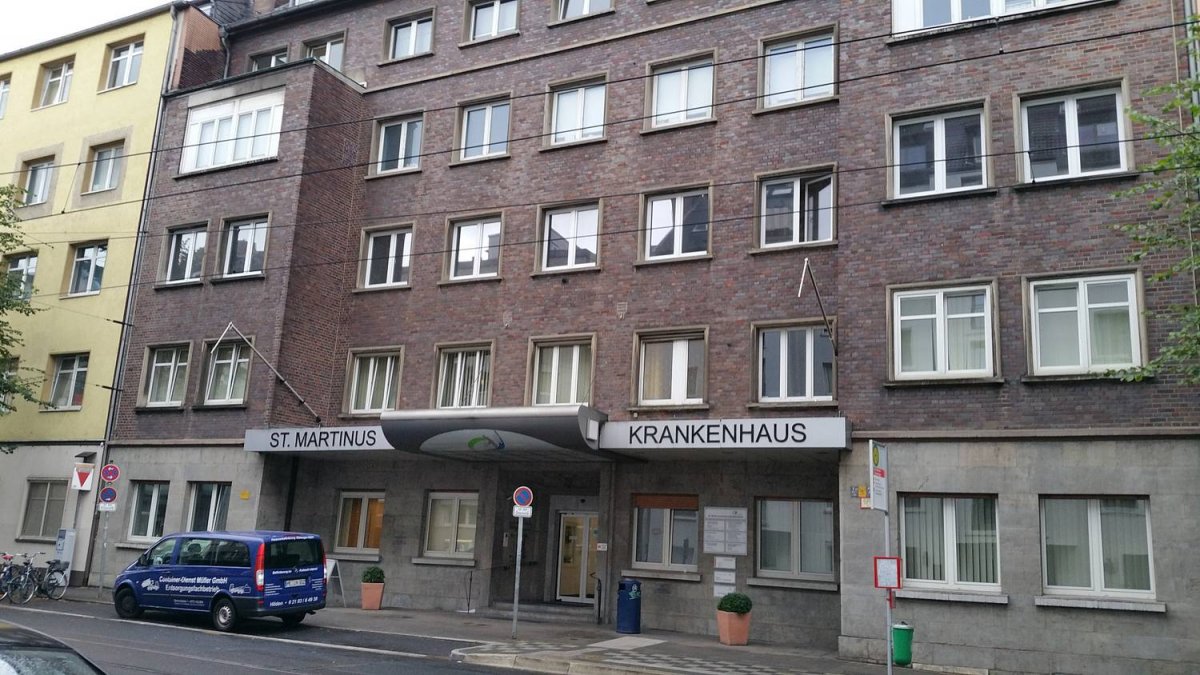





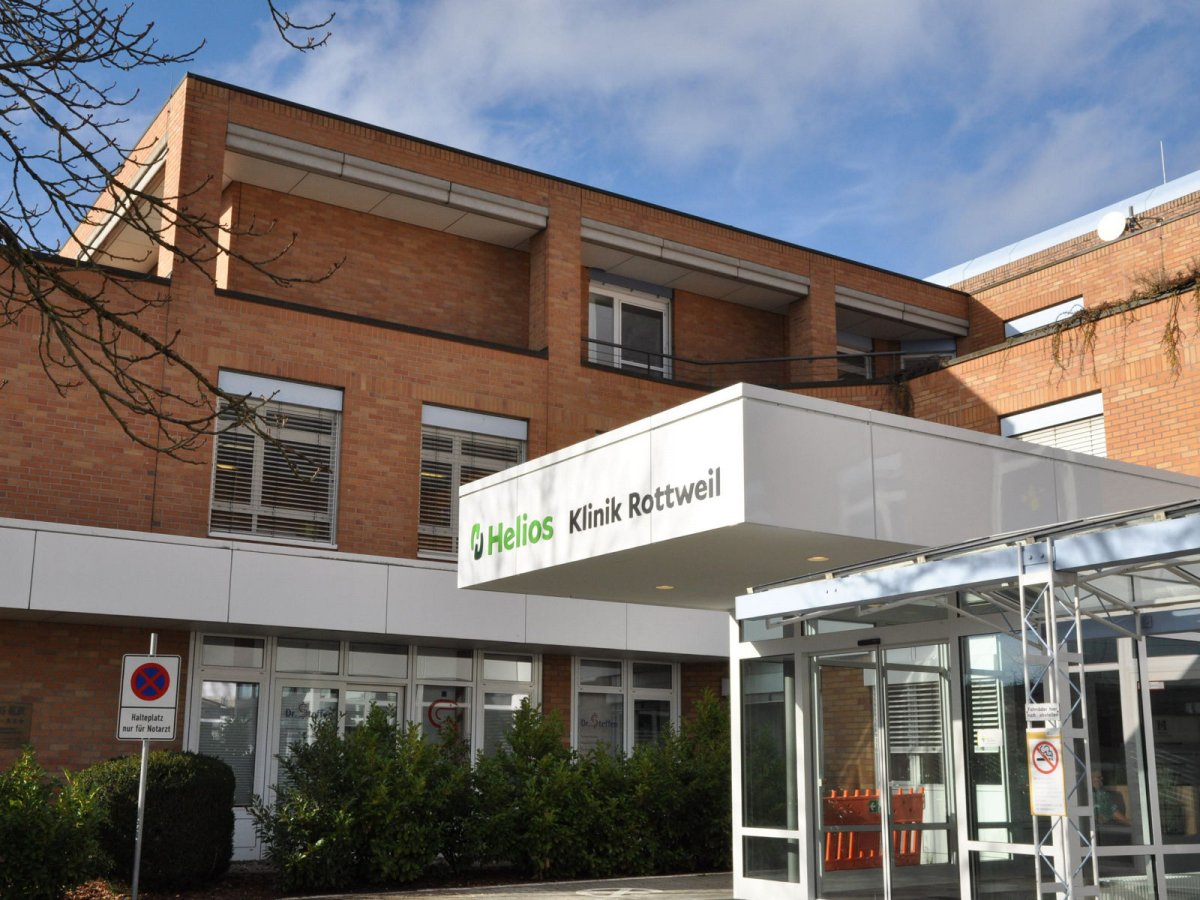





St. Marienstift Clinic

Hospital in the Pfeiffer`s foundations




Obtenga una evaluación médica para Hernia umbilical en Alemania: consulte con doctores experimentados ahora
Ver todos los médicos
Peter Schenker
El Prof. Schenker se especializa en cirugía de hernia mínimamente invasiva en el Hospital Académico de Solingen, introduciendo técnicas modernas para una mejor recuperación.
- Especialización clínica adicional en cirugía mínimamente invasiva y de hernia
- Cirujano jefe del Departamento de Cirugía en Solingen
- Miembro de la Asociación Médica Alemana
- Experto en cirugía oncológica gastrointestinal

Viktor Alexander Krol
El Dr. Viktor Alexander Krol dirige los departamentos de Gastroenterología y Medicina Interna en el St. Martinus-Krankenhaus de Düsseldorf, especializándose en tratamientos gastrointestinales avanzados.
- Director del centro certificado de tratamiento de la obesidad
- Experto en cirugía bariátrica y pérdida de peso endoscópica
- Utiliza las últimas tecnologías de diagnóstico y tratamiento
- Proporciona atención integral para casos gastrointestinales complejos
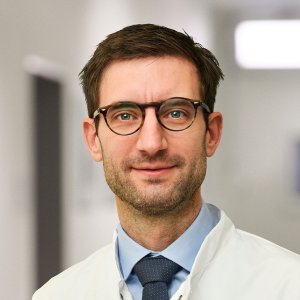
Florian Gebauer Chief Of General And Visceral Surgery
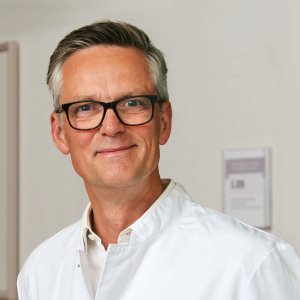
Wolfgang Schröder
Compartir contenido
Historias en video de pacientes de Bookimed
 Olena Sikoza
Preguntas frecuentes sobre el tratamiento de Hernia umbilical en Alemania
¿Qué técnicas quirúrgicas ofrecen los centros alemanes para las hernias umbilicales?
Los centros médicos alemanes ofrecen reparaciones avanzadas de hernia umbilical, incluidas las técnicas especializadas MILOS y PUMP. Los cirujanos también realizan procedimientos laparoscópicos IPOM y asistidos por robot para casos complejos. Estos enfoques priorizan pequeñas incisiones y la colocación de malla en posición sublay. Las instalaciones alemanas mantienen una tasa de éxito del 95% al 98% a través de registros nacionales de calidad.
- Técnica MILOS: Coloca una malla grande a través de una pequeña incisión de 3 centímetros detrás del músculo.
- Procedimiento PUMP: Corrige hernias de 2 a 4 centímetros colocando la malla detrás del músculo recto.
- IPOM laparoscópica: Utiliza pequeñas incisiones para colocar la malla directamente dentro de la cavidad abdominal.
- Reparación asistida por robot: Emplea sistemas da Vinci para la reconstrucción de alta precisión de defectos abdominales más grandes.
Perspectiva de expertos de Bookimed: Clínicas alemanas como el Medical Center en Solingen y la Clínica Nordwest atienden a más de 60,000 pacientes al año. Este alto volumen permite a cirujanos como el Dr. Peter Schenker mantener una experiencia excepcional en cirugía visceral y de hernia. Elegir un centro con departamentos robóticos especializados a menudo garantiza el acceso a reconstrucciones de la pared abdominal más refinadas que las unidades
¿Se utiliza siempre una malla en la cirugía de adultos y existe una opción sin malla?
Las clínicas alemanas ofrecen opciones tanto con malla como sin malla para la reparación de hernias umbilicales. La cirugía sin malla utiliza un cierre de sutura primaria para defectos pequeños de menos de 2 cm. Aunque la malla reduce significativamente las tasas de recurrencia, los cirujanos en Alemania ofrecen técnicas basadas en tejidos para pacientes con tejido natural fuerte o infecciones activas.
- Criterios de los candidatos: Ideal para hernias simples de menos de 2 cm en pacientes delgados y activos.
- Técnicas de sutura: Los cirujanos utilizan puntos fuertes y permanentes para asegurar las capas musculares naturales entre sí.
- Riesgo de recurrencia: Las reparaciones con sutura conllevan un riesgo de recurrencia entre un 10 % y un 30 % mayor que las que utilizan malla.
- Experiencia clínica: Centros como el Centro Médico de Solingen se especializan en cirugía visceral y de hernia compleja.
Perspectiva del experto de Bookimed: Los centros quirúrgicos alemanes demuestran una alta especialización en la reparación de la pared abdominal, con el Centro Médico Rechts der Isar realizando 40 000 operaciones al año. Este alto volumen permite a los cirujanos adaptar con precisión los tipos de reparación a la anatomía individual. Nuestros datos muestran que los mejores cirujanos jefe, como el Dr. Peter Schenker, mantienen un enfoque especializado
¿Cuál es el cronograma típico de recuperación después de una cirugía de hernia umbilical en Alemania?
La recuperación después de una cirugía de hernia umbilical en Alemania suele durar de 4 a 6 semanas para una cicatrización completa de los tejidos. La mayoría de los pacientes reanudan sus actividades diarias ligeras en un plazo de 1 a 2 semanas. Los plazos específicos dependen del tamaño de la hernia y de si los cirujanos utilizaron técnicas laparoscópicas o abiertas.
- Estancia hospitalaria: Las reparaciones menores suelen ser procedimientos ambulatorios que permiten el alta en pocas horas.
- Regreso al trabajo: Las clínicas alemanas suelen emitir una baja médica de 1 a 2 semanas para trabajos de oficina.
- Actividad física: Los pacientes deben evitar levantar más de 5 a 10 kg durante 2 a 4 semanas.
- Capacidad total: El trabajo manual pesado y los deportes de alto impacto suelen reanudarse después de 6 a 8 semanas.
Perspectiva de expertos de Bookimed: Clínicas alemanas como el Medical Center en Solingen y el complejo clínico de Renania del Norte-Westfalia enfatizan la movilización temprana para mejorar los resultados. Nuestros datos muestran que los centros de gran volumen que realizan miles de cirugías al año suelen priorizar los métodos mínimamente invasivos. Estas técnicas generalmente permiten a los pacientes volver al trabajo de oficina en 7 días, significativamente más rápido que la cirugía abierta tradicional.
Consenso
¿Qué ciudades o clínicas son los centros líderes en reparación de hernias en Alemania?
Alemania alberga centros de hernia líderes en Múnich, Fráncfort, Berlín y Solingen. Estas instalaciones cuentan con certificaciones de la Sociedad Alemana de Hernias (DHG). Cirujanos especializados utilizan técnicas laparoscópicas y robóticas para reparaciones umbilicales. Las mejores clínicas mantienen altos estándares de seguridad, respaldados por clasificaciones de las revistas Newsweek y Focus.
- Cirujanos expertos: El Dr. Peter Schenker en Solingen se especializa en reparaciones de hernias mínimamente invasivas.
- Certificaciones clínicas: La Clínica Nordwest en Fráncfort mantiene certificaciones TÜV y clasificaciones superiores en la revista Focus.
- Centros de alto volumen: El Centro Médico Rechts der Isar en Múnich trata a 321.000 pacientes al año.
- Tecnología avanzada: El Centro Médico en Solingen utiliza sistemas robóticos para correcciones umbilicales precisas.
Perspectiva de expertos de Bookimed: El volumen de pacientes sirve como un indicador fiable de la competencia quirúrgica en Alemania. Los datos clínicos muestran que centros como el Complejo Clínico de Renania del Norte-Westfalia atienden a 145.000 pacientes al año. Elegir estas redes de alta capacidad garantiza el acceso a cirujanos que realizan miles de procedimientos de pared abdominal. Esta experiencia es vital para casos umbilicales complejos que requieren una colocación
¿Reciben los pacientes internacionales reembolso por tratamientos en Alemania?
Los pacientes internacionales no reciben automáticamente un reembolso por tratamientos en Alemania. La cobertura financiera depende del estatus de residencia y de las pólizas de seguro específicas. Los residentes de la UE pueden utilizar la Tarjeta Sanitaria Europea para emergencias. Los tratamientos programados requieren una autorización previa de las aseguradoras del país de origen para obtener el reembolso.
- Atención de emergencia en la UE: Utilice la Tarjeta Sanitaria Europea para tratamientos proporcionados por el sistema público.
- Tratamiento programado en la UE: Solicite un formulario S2 para cubrir los costos a través de los sistemas legales.
- Facturación privada: Los pacientes fuera de la UE generalmente pagan por adelantado según las estructuras de tarifas alemanas.
- Documentación obligatoria: Solicite facturas detalladas con códigos de diagnóstico específicos para las reclamaciones de seguros.
Opinión del experto de Bookimed: Centros de gran volumen como el Medical Center en Solingen y la Clínica Nordwest atienden a más de 60.000 pacientes al año y cuentan con oficinas de facturación dedicadas. Estos departamentos son vitales porque proporcionan los códigos ICD y de procedimientos detallados necesarios para las reclamaciones de seguros privados. Mientras que cirujanos como el Dr. Peter Schenker se centran en la reparación clínica
¿Cuánto tiempo debo restringir la actividad física y el ejercicio después de la operación?
Los pacientes suelen retomar actividades ligeras como caminar inmediatamente después de una cirugía de hernia umbilical en Alemania. El levantamiento de pesas y el ejercicio extenuante requieren restricciones durante 4 a 6 semanas. Las técnicas mínimamente invasivas a menudo permiten un retorno más rápido a deportes de bajo impacto en un plazo de 2 semanas.
- Movimiento temprano: Se recomienda caminar a diario para prevenir coágulos sanguíneos y estimular la curación.
- Límites de peso: Los cirujanos suelen restringir el levantamiento de objetos de más de 5 kilogramos durante 4 semanas.
- Protección del núcleo: Los ejercicios abdominales de alta intensidad suelen posponerse de 6 a 12 semanas.
- Retorno profesional: El trabajo de oficina se reanuda en 1 semana, mientras que el trabajo físico requiere 6 semanas.
Perspectiva de expertos de Bookimed: Las clínicas alemanas como Nordwest o Nordrhein-Westfalen utilizan fijaciones de malla avanzadas que permiten una movilización más temprana. Aunque muchos asumen que el reposo es lo mejor, nuestros datos muestran que las clínicas que atienden a más de 60,000 pacientes al año enfatizan la "recuperación activa". Cirujanos como el Dr. Peter Schenker sugieren que caminar constantemente es el factor principal para prevenir complicaciones de tejido cicatricial postoperatorio.
Consenso de los p
¿En qué se diferencia el enfoque pediátrico en Alemania?
El enfoque pediátrico en Alemania prioriza el seguimiento formalizado del desarrollo y la atención médica conservadora y no invasiva. Los pediatras especializados gestionan el tratamiento a través de exámenes estandarizados llamados U-Untersuchungen. Los cirujanos enfatizan el confort psicológico mediante el uso de anestesia de acción corta y entornos hospitalarios adaptados a los niños para minimizar la ansiedad institucional y el estrés emocional.
- Exámenes sistemáticos: Los pediatras realizan un seguimiento del desarrollo a través de 11 chequeos obligatorios (U-Untersuchungen) hasta los 14 años.
- Conservación clínica: Los médicos a menudo observan las hernias umbilicales pediátricas para ver si se cierran espontáneamente antes de recomendar una cirugía.
- Trauma mínimo: Los departamentos utilizan diagnósticos no invasivos y anestesia regional para garantizar una recuperación sin dolor.
- Experiencia certificada: Especialistas como el Dr. Peter Schenker en el Medical Center de Solingen ofrecen atención para hernias.
Perspectiva de expertos de Bookimed: Las clínicas alemanas enfatizan la especialización de alto volumen para mantener la calidad. Por ejemplo, el Medical Center Rechts der Isar realiza 40 000 operaciones anuales y trata a 2 000 niños. Esta escala permite a los departamentos mantener subespecialidades pediátricas estrechas. Los p
¿Qué hospitales en Alemania tienen las calificaciones más altas en neurocirugía?
Alemania alberga algunos de los departamentos de neurocirugía más prestigiosos del mundo, liderados por la Charité – Universitätsmedizin Berlin y el Hospital Universitario de Heidelberg. Estos centros destacan en el tratamiento de tumores cerebrales complejos y enfermedades cerebrovasculares. Para maximizar la eficacia de sus procedimientos, utilizan tecnologías de vanguardia como la resonancia magnética intraoperatoria y la neuronavegación asistida por computadora.
- Charité Berlín: Realiza más de 5000 cirugías al año. La clínica está dirigida por el reconocido neurocirujano Dr. Peter Vaikoczy.
- Centro Médico Solingen: El Dr. Ralf Buhl ha realizado más de 4.000 cirugías, incluidas cirugías de columna mínimamente invasivas.
- Clínica Asklepios Nord: equipada con el único sistema de resonancia magnética intraoperatoria bilateral de Alemania para garantizar precisión quirúrgica en tiempo real durante la extirpación del tumor.
- Clínica Nordwest: reconocida por la revista Newsweek como un hospital líder por su innovación en tecnología de ultrasonido 3D.
Opinión experta de Bookimed: Los datos muestran que elegir centros con un alto volumen quirúrgico suele llevar a recomendaciones de tratamiento más conservadoras. En el Centro Médico Solingen, que atiende a más de 60.000 pacientes al año, los cirujanos suelen sugerir fisioterapia en lugar de cirugía
¿Cuáles son las tasas de éxito de los procedimientos neuroquirúrgicos complejos en Alemania?
En Alemania, los procedimientos neuroquirúrgicos de alta complejidad demuestran una seguridad excepcional. Las tasas de éxito en las fusiones espinales alcanzan el 99 %. La tasa de supervivencia en las resecciones de tumores cerebrales primarios es del 97 %. La independencia funcional es alta. Más del 82 % de los pacientes reciben el alta inmediatamente después del tratamiento. Los centros alemanes priorizan la preservación de la función neurológica mediante técnicas modernas de mapeo.
- Resección de tumores: los cirujanos logran una resección tumoral completa en el 87,2% de los casos de metástasis cerebrales.
- Éxito en el tratamiento de enfermedades vasculares: los hospitales alemanes informan de una tasa de supervivencia del 98,7% para aneurismas no rotos.
- Mejora del estado neurológico: casi el 43% de los pacientes experimentan una mejora de los parámetros funcionales después de resecciones complejas.
- Seguridad de las intervenciones quirúrgicas: En grandes centros quirúrgicos, las tasas de supervivencia de los pacientes después de la cirugía de columna son del 98-99%.
Opinión experta de Bookimed: Cirujanos experimentados como el Dr. Uwe Köhler, de la Clínica Asklepios Altona, realizan más de 2000 cirugías al año. Los datos muestran que estos especialistas mantienen tasas de éxito de hasta el 90 %, incluso en los tumores cerebrales más comp
¿Qué tecnologías avanzadas suelen estar disponibles en las clínicas neuroquirúrgicas alemanas?
Las clínicas neuroquirúrgicas alemanas incorporan regularmente instrumentos digitales de alta precisión y visualización en tiempo real a la práctica quirúrgica. Entre las tecnologías clave se encuentra la neuronavegación computarizada para cirugías de cerebro y médula espinal. Instituciones como la Clínica Asklepios Nord utilizan la resonancia magnética intraoperatoria para verificar la extirpación de tumores en tiempo real. Estos sistemas proporcionan a los cirujanos navegación GPS 3D.
- Neuronavegación: proporciona visualización 3D y seguimiento de instrumentos en tiempo real para lograr precisión quirúrgica hasta el nivel submilimétrico.
- Imágenes intraoperatorias: sistemas como iMRI y O-arm CT permiten la confirmación inmediata de una resección exitosa.
- Neuromonitorización: Monitorea las funciones motoras y sensoriales durante la cirugía para proteger el sistema nervioso.
- Diagnóstico de fluorescencia: se utiliza el colorante 5-ALA para resaltar los bordes del tumor para una eliminación más completa.
- Asistencia robótica: Sistemas como el Da Vinci mejoran la precisión en procedimientos complejos y mínimamente invasivos.
Opinión experta de Bookimed: Grandes centros como la Charité – Universitätsmedizin de Berlín realizan más de 4000 procedimientos neuroquirúrgicos al año, lo que crea un entorno rico en datos para p