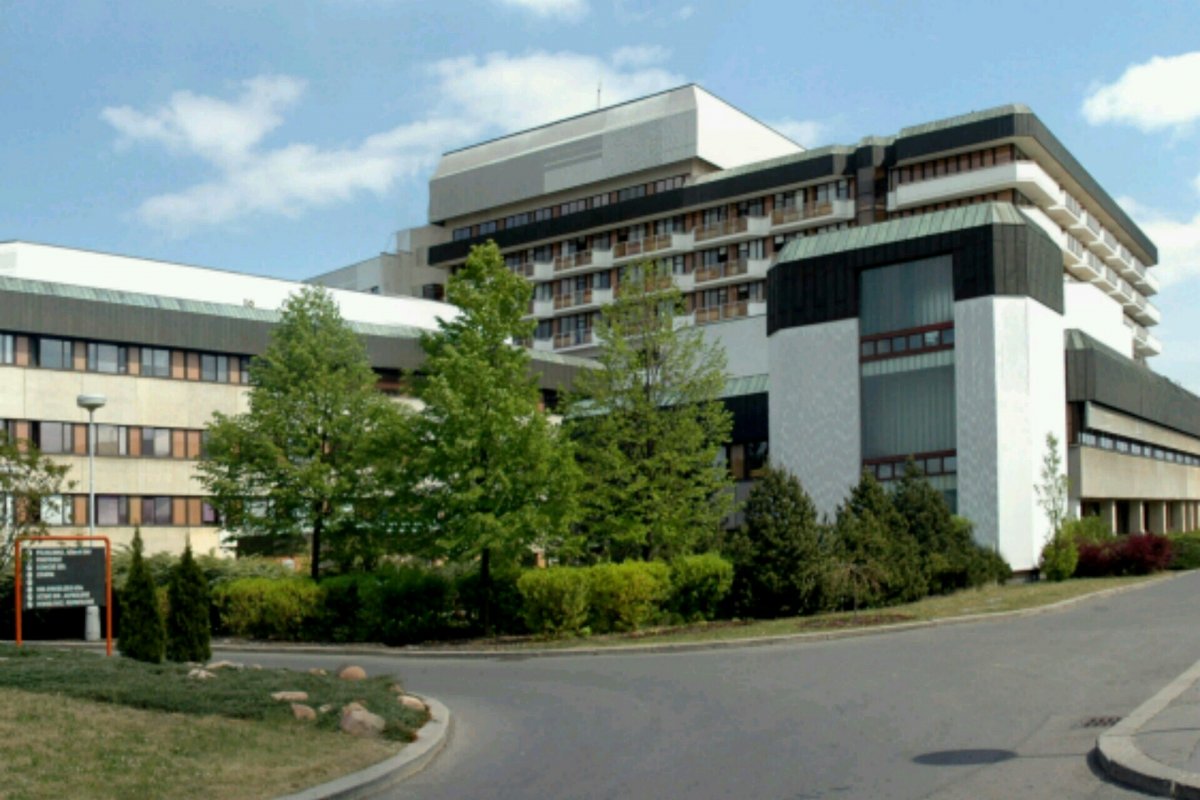
Robotic Surgery Center in St. Zdislava Hospital
República Checa, Velke Mezirici
Clínica certificada por : 




Revisado médicamente por
Fahad Mawlood
| República Checa | España | Turquía | |
|---|---|---|---|
| Reparación laparoscópica de hernia umbilical | ≈ $1,900 | ≈ $3,200 | de $5,200 |
| Reparación de hernia umbilical | de $3,300 | de $6,200 | de $3,800 |

El Dr. Tvaruzek ha realizado más de 3.500 cirugías robóticas, especializándose en técnicas mínimamente invasivas en el Hospital St. Zdislava.

 Olena Sikoza
Las clínicas checas realizan la reparación de hernias umbilicales mediante técnicas laparoscópicas, robóticas y abiertas tradicionales. Centros como el Altoa Czech Hospital of Horovice y el Nemocnice Na Homolce utilizan la colocación de mallas especializadas y protocolos mínimamente invasivos. Estos métodos priorizan el refuerzo de la pared abdominal para garantizar la estabilidad a largo plazo y una recuperación rápida.
Perspectiva de expertos de Bookimed: La República Checa destaca por sus centros robóticos de gran volumen, como el Hospital St. Zdislava. El Dr. Jaroslav Tvaruzek ha realizado personalmente más de 3.500 procedimientos robóticos. Esta experiencia concentrada significa que los pacientes con hernias complejas o recurrentes a menudo reciben una reconstrucción robótica. Estos enfoques robóticos suelen permitir la colocación de la
Los cirujanos checos son especialistas altamente calificados que deben cumplir con los estrictos estándares médicos de la Unión Europea. Completan un título de medicina de seis años seguido de una residencia quirúrgica intensiva. La mayoría mantiene la certificación de la junta y membresías en la Sociedad Europea de Hernia para garantizar la experiencia en técnicas mínimamente invasivas.
Perspectiva del experto de Bookimed: La República Checa destaca en la atención robótica especializada y la recuperación integrada. El Centro de Cirugía Robótica del Hospital St. Zdislava ha completado más de 4,000 operaciones. Este volumen indica un alto nivel de maestría técnica. Los paquetes a menudo incluyen cuatro días de hotel y traslados VIP por alrededor de $2,700. Esta configuración garantiza que los pacientes tengan supervisión prof
La mayoría de los pacientes pasan de 1 a 2 días en un hospital checo después de una operación de hernia umbilical. Debe planificar una estancia total de 7 a 10 días en el país. Esto permite tiempo para las pruebas preoperatorias, el procedimiento y una visita de seguimiento para la retirada de los puntos.
Perspectiva de expertos de Bookimed: Las clínicas checas como el Hospital Altoa Horovice a menudo combinan 2 noches de hospital con 4 noches de hotel en un solo paquete por aproximadamente 2.700 $. Esta estructura es altamente eficiente porque garantiza que permanezca cerca de su cirujano, como el Dr. Petr Zeithaml, durante la primera semana crítica, cuando los controles de las heridas son más vitales.
Consenso de los pacientes: Los pacientes señalan que, aunque la cirugía es rápida, tareas como caminar y cargar equipaje son incómodas durante va
Los residentes del Reino Unido y de la UE pueden recibir un reembolso por el tratamiento de hernia umbilical en la República Checa a través de acuerdos recíprocos específicos. Los pacientes del Reino Unido utilizan la Tarjeta Sanitaria Global (GHIC) para atención no planificada. Los residentes de la UE utilizan la Tarjeta Sanitaria Europea (TSE) en instalaciones con contrato estatal como el Nemocnice Na Homolce.
Perspectiva de expertos de Bookimed: Los centros de la República Checa se especializan en soluciones de alta tecnología como el sistema robótico Da Vinci. Por ejemplo, el Dr. Jaroslav Tvaruzek ha realizado más de 3.500 cirugías robóticas. Si bien las aseguradoras públicas cubren la reparación básica de hernias, rara vez reembolsan los costes excedentes de las técnicas robóticas. Los pacientes a menudo eligen paquetes con todo incluido de a
La recuperación después de una cirugía de hernia umbilical requiere evitar la presión abdominal alta durante 4 a 6 semanas. Los pacientes deben restringir el levantamiento de objetos pesados y el ejercicio extenuante para proteger la reparación. Los viajes en avión suelen ser seguros después de 2 semanas para procedimientos laparoscópicos. La conducción de vehículos está restringida durante 72 horas.
Perspectiva de expertos de Bookimed: Las clínicas checas a menudo incluyen estancias prolongadas en paquetes quirúrgicos para garantizar la seguridad de la recuperación inmediata. Por ejemplo, Altoa en el Hospital de Horovice incluye 2 días de hospitalización más 4 noches de hotel. Este período supervisado de 6 días ayuda a los pacientes a superar la ventana de alto riesgo para problemas de movilidad posoperatoria antes de volar.
Consenso de los pacientes: Los pacientes señalan que manejar movimientos repentinos como estornudar es más fácil al soste