Hernia umbilical en Polonia: las 5 mejores clínicas para su tratamiento


Revisado médicamente por
Fahad Mawlood
Cómo funciona
¿Cuál es el precio del diagnóstico y los tratamientos de Hernia umbilical en Polonia? Descubra ahora
| Polonia | España | Turquía | |
|---|---|---|---|
| Reparación laparoscópica de hernia umbilical | ≈ $1,700 | de $6,500 | de $5,200 |
| Reparación de hernia umbilical | de $2,300 | de $6,200 | de $3,300 |
Descubra las mejores clínicas de tratamiento de Hernia umbilical en Polonia: 5 opciones verificadas y Precios





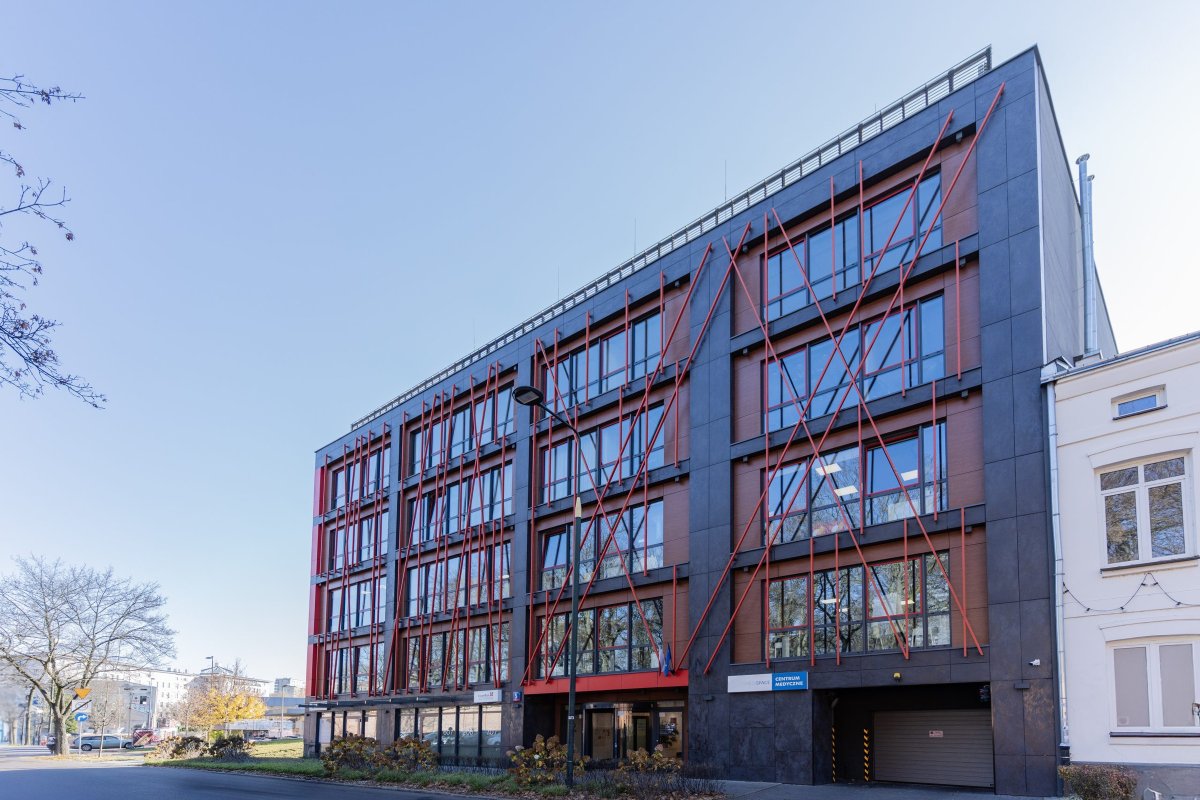
MediSpace (Centrum Medyczne MediSpace)




Obtenga una evaluación médica de tratamiento de Hernia umbilical en Polonia: haga una consulta con 18 médicos experimentados ahora
Ver todos los médicos
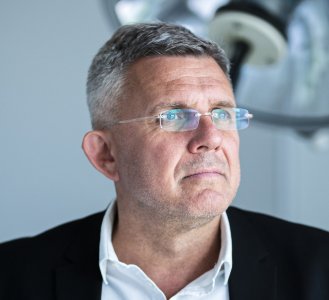
Antoni Krajewski
El Dr. Antoni Krajewski se graduó en la Universidad Médica de Łódź. Completó su especialización en el Departamento de Cirugía General, Vascular y Oncológica del Hospital Especializado Międzyleski en Varsovia. Sigue ejerciendo allí.
Su trabajo abarca la cirugía general y la medicina y cirugía estética. Perfecciona sus habilidades mediante formación internacional y simposios científicos.
Comparte su experiencia como formador en medicina estética. En colaboración con el Centro de E
Piotr Ciszewski

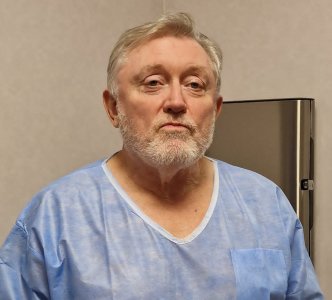
Adriana Nowak
La Dra. Adriana Nowak se graduó en la Primera Facultad de Medicina de la Universidad Médica de Varsovia. Completó la especialización en cirugía general en el Departamento de Cirugía General, Vascular y Oncológica del Hospital Especializado Międzyleski. Sigue ejerciendo allí.
Realiza procedimientos quirúrgicos generales y estéticos. También trata heridas crónicas con terapia de presión negativa. Asiste regularmente a cursos de formación, talleres y congresos científicos. Es miembro de l
Wojciech Gackowski
Reseñas
Todas las reseñasCompartir contenido
Historias en video de pacientes de Bookimed
 Olena Sikoza
Preguntas frecuentes sobre el tratamiento de Hernia umbilical en Polonia
¿Requieren todas las hernias umbilicales en adultos cirugía?
No todas las hernias umbilicales en adultos requieren cirugía inmediata. Las protuberancias pequeñas y asintomáticas a menudo se someten a una espera vigilante. Sin embargo, las hernias en adultos nunca sanan por sí solas. Aproximadamente el 65% requiere eventualmente una intervención quirúrgica a medida que aumentan de tamaño. Los expertos recomiendan la reparación electiva para hernias que implican dolor persistente o limitaciones en el estilo de vida.
- Espera vigilante: El monitoreo es adecuado para hernias pequeñas de menos de 1 a 2 centímetros.
- Indicadores quirúrgicos: El dolor persistente o los defectos en crecimiento hacen necesaria la reparación quirúrgica electiva.
- Síntomas de emergencia: La decoloración repentina o las náuseas intensas requieren atención médica inmediata.
- Estándares modernos: Las clínicas polacas utilizan técnicas laparoscópicas y mallas sin tensión para la reparación.
Perspectiva del experto de Bookimed: Aunque muchos pacientes asumen que la cirugía es urgente, los datos de clínicas polacas como el The Holy Family High Specialty Hospital sugieren un enfoque en los resultados funcionales. Especialistas como el Dr. Krzysztof Freygant priorizan métodos sin tensión con malla para reducir las tasas de recurrencia. Curiosamente, Polonia ocupa el segundo lugar a nivel mundial en Bookimed para solicitudes quirúrgicas.
¿Cuál es la diferencia entre la reparación abierta y laparoscópica de una hernia umbilical?
La reparación abierta de hernia umbilical utiliza una única incisión más grande cerca del ombligo para reforzar directamente la pared abdominal. La reparación laparoscópica utiliza de 2 a 4 pequeños puertos de acceso y una cámara para tratar el defecto desde el interior. Los métodos laparoscópicos suelen ofrecer una recuperación más rápida y menores riesgos de infección superficial.
- Perfil de incisión: La reparación abierta requiere un corte más grande, mientras que la laparoscopia utiliza pequeños puertos para la cámara.
- Tipo de anestesia: La cirugía laparoscópica requiere anestesia general. La reparación abierta puede utilizar sedación local.
- Periodo de recuperación: Los pacientes suelen volver a su actividad completa en un plazo de 1 a 2 semanas tras la laparoscopia.
- Enfoque quirúrgico: La reparación abierta accede a la hernia desde el frente, mientras que la laparoscopia trabaja internamente.
Opinión del experto de Bookimed: Aunque la laparoscopia suele preferirse para una recuperación rápida, los cirujanos polacos de gran volumen, como el Dr. Krzysztof Freygant, utilizan con frecuencia el método sin tensión con malla de plástico. Este estándar garantiza la estabilidad de la pared a largo plazo. Las modernas instalaciones polacas, como el Hospital de la Sagrada Familia, permiten la recuperación en suites con aire acondicionado. Este
¿Se utilizará una malla y reduce esto la recurrencia?
Los cirujanos en Polonia utilizan una malla quirúrgica en la mayoría de las reparaciones de hernia umbilical para reforzar la pared abdominal. Este método sin tensión reduce los riesgos de recurrencia hasta en un 50% en comparación con los puntos de sutura solos. La mayoría de las clínicas polacas siguen estándares modernos para garantizar resultados seguros y a largo plazo para los pacientes.
- Prevención de recurrencias: El refuerzo con malla reduce las tasas de recurrencia de aproximadamente el 50% a menos del 15%.
- Reparación sin tensión: La malla actúa como un puente para distribuir la presión a través de los músculos.
- Integración tisular: El tejido natural crece dentro del andamio para fortalecer permanentemente el área.
- Estándar de atención: Los especialistas polacos suelen utilizar mallas para hernias que superan un tamaño muy pequeño.
Perspectiva del experto de Bookimed: Mientras que muchos países priorizan el volumen, los centros quirúrgicos polacos como el The Holy Family High Specialty Hospital utilizan protocolos de GVM Care & Research. Esto conecta la atención regional con una red de 50 hospitales europeos. El Dr. Krzysztof Freygant y otros jefes de departamento enfatizan estos estándares quirúrgicos internacionales para mantener altos niveles de seguridad.
Consenso de los pacientes: Los pacientes
¿Cuál es el cronograma típico de recuperación después de una reparación de hernia umbilical?
La recuperación después de una reparación de hernia umbilical suele tomar de 3 a 6 semanas para una actividad completa. Los pacientes a menudo regresan a casa el mismo día. El dolor y la hinchazón alcanzan su punto máximo dentro de las 72 horas. La mayoría de las personas reanudan el trabajo de oficina en 1 semana. Los cirujanos generalmente autorizan levantar objetos pesados después de 6 semanas.
- Movilidad inicial: Caminar suavemente comienza dentro de las 24 horas para prevenir coágulos sanguíneos.
- Cronograma laboral: Los trabajos de oficina a menudo son manejables de 3 a 7 días después de la cirugía.
- Límites de levantamiento: Evite levantar más de 10 libras (aprox. 4.5 kg) durante las primeras 4 a 6 semanas.
- Seguridad al conducir: Los pacientes reanudan la conducción una vez que no tienen dolor y no toman medicamentos narcóticos.
Perspectiva del experto de Bookimed: Si bien el tiempo de recuperación es estándar, la técnica quirúrgica varía entre los centros polacos de alto volumen. El Dr. Krzysztof Freygant en el Hospital de la Sagrada Familia utiliza métodos de malla plástica sin tensión. El Prof. Jacek Sobocki en Varsovia ofrece enfoques robóticos y laparoscópicos. Seleccionar un especialista con más de 40 años de experiencia asegura que la reparación resista la presión central durante la etapa tardía de la recuperación.
¿Cuánto tiempo debo permanecer en Polonia después de la cirugía?
Los pacientes deben planificar permanecer en Polonia de 5 a 10 días después del tratamiento de hernia umbilical. Este plazo garantiza que los médicos puedan controlar las complicaciones quirúrgicas tempranas. Los cirujanos deben confirmar que la incisión es estable y que el dolor está controlado antes de que usted vuele. Este margen de tiempo también reduce el riesgo de trombosis venosa profunda.
- Tipo de procedimiento: La reparación laparoscópica a menudo permite viajar después de 5 días.
- Técnica quirúrgica: La reparación con malla sin tensión requiere monitoreo de hinchazón o seroma.
- Autorización médica: Los cirujanos emiten un certificado de aptitud para volar después de la inspección de la herida.
- Ventana de seguridad: Las primeras 72 horas conllevan el mayor riesgo de complicaciones agudas.
Perspectiva del experto de Bookimed: Polonia es un centro de gran volumen para la cirugía general. El Hospital de Alta Especialidad de la Sagrada Familia trata a 4.000 pacientes al año. Nuestros datos muestran que las clínicas en ciudades como Rzeszow ofrecen habitaciones de recuperación de alto nivel. Estas instalaciones ofrecen habitaciones para 2 personas con Internet y supervisión médica. Los pacientes a menudo eligen estos entornos en lugar de hoteles durante los primeros días después de la operación. Esto permite el acceso inmediato a ciruj
¿Puede una hernia umbilical reaparecer después de la reparación?
Las hernias umbilicales pueden reaparecer después de la reparación, con una tasa de reoperación a 10 años de entre el 12 % y el 15 %. El riesgo de recurrencia disminuye significativamente cuando los cirujanos utilizan una malla de grado médico en lugar de solo suturas. Los especialistas polacos utilizan métodos sin tensión para reforzar el tejido abdominal débil y prevenir fallos futuros.
- Método de reparación: Las reparaciones solo con suturas fallan entre un 10 % y un 30 % más a menudo que las reparaciones reforzadas con malla.
- Tamaño del defecto: Los espacios de más de 2 centímetros requieren una malla para manejar la tensión de la pared abdominal.
- Esfuerzo físico: Levantar objetos pesados o la tos crónica poco después de la cirugía pueden comprometer los tejidos en proceso de curación.
- Factores de curación: El tabaquismo y la diabetes no controlada debilitan los enlaces de colágeno necesarios para una cicatriz fuerte.
Perspectiva del experto de Bookimed: Polonia ha ascendido al segundo puesto mundial en turismo médico debido a su gran volumen de experiencia quirúrgica. En el Hospital de Alta Especialidad de la Sagrada Familia, cirujanos como el Dr. Krzysztof Freygant priorizan el método de malla plástica sin tensión. Esta técnica aborda la causa raíz de la recurrencia al eliminar la tensión de la incisión de la pared abdominal.
<¿Qué tan alta es la calidad de la neurocirugía en Polonia?
La neurocirugía en Polonia ofrece atención de alta calidad en centros con certificación JCI e ISO. Los neurocirujanos polacos se adhieren a estrictos estándares de formación adoptados por la Unión Europea. Muchos han completado becas en Estados Unidos o Alemania. Tecnologías avanzadas, como CyberKnife, Gamma Knife y sistemas robóticos, están ampliamente disponibles en centros privados.
- Cualificaciones especializadas: Los médicos suelen ser miembros de la Asociación Europea de Sociedades de Neurocirugía.
- Tecnologías avanzadas: Las clínicas utilizan sistemas CyberKnife y ultrasonido enfocado guiado por resonancia magnética para el tratamiento cerebral no invasivo.
- Volumen clínico: Centros líderes como el Hospital Universitario de Cracovia tratan a más de 455.000 pacientes al año.
- Cirujanos experimentados: El Dr. Maciej Bujko del Hospital Carolina ha realizado más de 2.500 cirugías por su cuenta.
Opinión experta de Bookimed: Los datos muestran una fuerte correlación entre la especialización de una clínica y el origen de sus pacientes. La Clínica KCM atiende a más de 700 pacientes internacionales al año. Se especializa en cirugía de columna mínimamente invasiva. Este volumen de trabajo le permite ofrecer paquetes de servicios especializados, que a menudo incluyen bloques de diagnóstico e implantes específicos, como el DIAM de Medtronic.
¿Cuáles son las cualificaciones de los neurocirujanos polacos?
Los neurocirujanos polacos son especialistas altamente cualificados que han completado al menos 13 años de rigurosa formación médica. Esto incluye seis años de estudios de medicina, 13 meses de prácticas y seis años de residencia. Deben aprobar el Examen Estatal de Especialización (PES) y suelen estar certificados por la Asociación Europea de Sociedades de Neurocirugía (EANS).
- Educación: Los médicos reciben educación médica (medicina) después de 6 años de estudio en la universidad.
- Especialización: La residencia incluye 6 años de formación modular en neurocirugía clínica y neurorradiología.
- Volumen quirúrgico: Los residentes a menudo realizan más de 1.000 cirugías, lo que excede el volumen de capacitación promedio en otras regiones.
- Certificados: Muchos especialistas son miembros de AO Spine o de la Sociedad Polaca de Cirugía de Columna.
Opinión experta de Bookimed: Los datos muestran que los neurocirujanos polacos suelen especializarse en tecnologías altamente especializadas, como el sistema ApiFix o el sistema de endoscopia lumbar SED-YESS. Especialistas como el Dr. Stanisław Kwek, de la Clínica KCM, combinan la investigación postdoctoral con una práctica quirúrgica activa. Esta combinación de profundos conocimientos académicos y un alto volumen quirúrgico los hace especialmente eficaces en cirugías de columna complejas y mínimamente in
¿Cuáles son las mejores clínicas neuroquirúrgicas en Polonia?
Entre las mejores clínicas neuroquirúrgicas de Polonia se encuentran el Hospital Carolina, la Clínica KCM y centros académicos de primer nivel como el Hospital Universitario de Cracovia. Estas instituciones ofrecen tratamientos de vanguardia para enfermedades de la columna vertebral y el cerebro que cumplen con los estándares de calidad ISO y emplean a especialistas miembros de organizaciones internacionales como AO Spine.
- Hospital Carolina: Centro Médico de Excelencia FIFA, especializado en cirugías de columna complejas y mínimamente invasivas.
- Clínica KCM: Reconocida internacionalmente por la calidad de sus procedimientos endoscópicos de columna, atendiendo a más de 700 pacientes internacionales anualmente.
- Hospital Universitario de Cracovia: un gran centro multidisciplinario que realiza más de 800 operaciones neuroquirúrgicas al año desde 1788.
- Luxmed: un reconocido centro médico privado en Varsovia especializado en cirugía de columna avanzada para pacientes internacionales.
Opinión experta de Bookimed: Si bien muchos buscan los hospitales más grandes, los datos muestran que clínicas como el Hospital Carolina ofrecen mayor eficiencia para cirugías electivas. Con más de 40 médicos especialistas en este centro de 30 camas, la proporción médico-paciente es significativamente mayor que en los centros universitarios públicos. Esto se traduc
¿Qué procedimientos neuroquirúrgicos se realizan con más frecuencia en Polonia?
En Polonia, la neurocirugía se centra principalmente en cirugías de columna y extirpación de tumores cerebrales. Los hospitales realizan con frecuencia microdiscectomías, fusiones espinales y estimulación cerebral profunda. Centros como el Hospital Carolina y la Clínica KCM utilizan técnicas mínimamente invasivas para tratar hernias discales, lesiones de columna y trastornos neurológicos complejos.
- Cirugía de columna: La discectomía y la laminectomía son tratamientos comunes para los discos herniados.
- Neurooncología: Los especialistas realizan cirugías para extirpar tumores cerebrales utilizando equipos modernos como la tecnología CyberKnife.
- Neurocirugía funcional: la estimulación cerebral profunda (ECP) se utiliza ampliamente para los trastornos del movimiento.
- Técnicas mínimamente invasivas: Los cirujanos utilizan técnicas endoscópicas para descomprimir la columna y tratar tumores pituitarios.
Opinión experta de Bookimed: Polonia se ha convertido en un centro de estabilización espinal especializada. Clínicas como el Hospital Carolina colaboran con equipos deportivos nacionales, lo que refleja su alto nivel de experiencia en el tratamiento de lesiones espinales complejas. Nuestros datos muestran que estas instituciones suelen integrar la rehabilitación directamente en el tratamiento quirúrgico. Esta combinación reduce el riesgo de compl