Hernia umbilical en Lituania: clínicas verificadas para su tratamiento


Revisado médicamente por
Fahad Mawlood
¿Cuál es el precio del diagnóstico y los tratamientos de Hernia umbilical en Lituania? Descubra ahora
| España | Turquía | |
|---|---|---|
| Reparación laparoscópica de hernia umbilical | de $6,500 | de $5,200 |
| Reparación de hernia umbilical | de $6,200 | de $3,300 |
Sus beneficios y garantías con Bookimed
Precios directos
Bookimed no añade cargos extra a los precios de los tratamientos de Hernia umbilical. Las tarifas proceden de las listas de precios oficiales de las clínicas. Pagará directamente en la clínica por su tratamiento a su llegada al país.
Sólo clínicas y médicos verificados
Bookimed está comprometido con su seguridad. Solo trabajamos con las clínicas que mantienen altos estándares internacionales en el tratamiento de Hernia umbilical y cuentan con las licencias necesarias para atender a pacientes internacionales en todo el mundo.
Asistencia 24/7 gratuita
Bookimed ofrece asistencia experta gratuita. Un coordinador médico personal le apoya antes, durante y después de su tratamiento, resolviendo cualquier problema. Nunca estará solo en su viaje médico de tratamiento de Hernia umbilical.

Su coordinador médico personal de Bookimed
- Le apoya en cada etapa
- Ayuda a elegir la clínica y el médico adecuados
- Asegura un acceso rápido y conveniente a la información
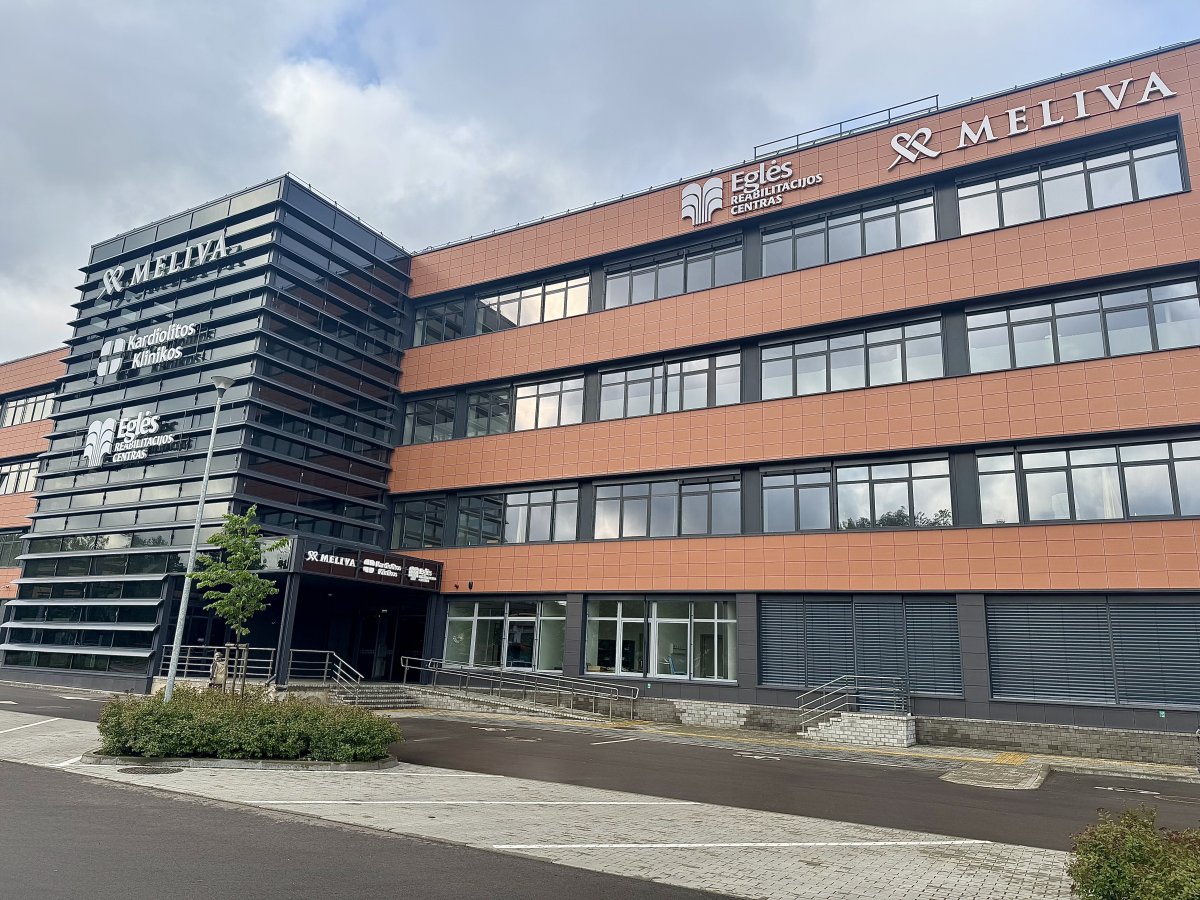
Descubra las mejores clínicas de tratamiento de Hernia umbilical en Lituania: 2 opciones verificadas y Precios



Compartir contenido
Historias en video de pacientes de Bookimed
 Olena Sikoza
Preguntas frecuentes sobre el tratamiento de Hernia umbilical en Lituania
¿Realmente necesito cirugía para una hernia umbilical en adultos, o desaparecerá por sí sola?
Las hernias umbilicales en adultos nunca desaparecen por sí solas. Son el resultado de una brecha estructural en la pared abdominal. Mientras que en los bebés pueden sanar espontáneamente, los adultos requieren intervención quirúrgica para una reparación permanente. Sin cirugía, la abertura suele ensancharse a medida que los músculos abdominales se debilitan con el tiempo.
- Espera vigilante: Las hernias pequeñas, indoloras y reducibles pueden monitorearse bajo supervisión médica.
- Riesgos potenciales: Las hernias no reparadas enfrentan un riesgo del 4% de estrangulamiento en un plazo de cinco años.
- Necesidad quirúrgica: El tratamiento es necesario si las hernias causan dolor o crecen significativamente.
- Signos de emergencia: Busque atención inmediata ante bultos duros, dolorosos o descoloridos acompañados de náuseas.
Perspectiva de expertos de Bookimed: Los principales centros médicos de Lituania brindan atención de alta capacidad. El Hospital Meliva Kardiolita atiende a 298,000 pacientes al año con más de 500 médicos. El Centro de Diagnóstico y Tratamiento Médico cuenta con las acreditaciones JCI y Temos International Healthcare. Estas certificaciones dobles sugieren un enfoque en la seguridad estandarizada y el servicio optimizado. Los grandes volúmenes de pacientes en estas instalaciones indican una amplia experiencia quirúrgica en rep
¿Cuáles son los signos de emergencia que indican que necesito una cirugía inmediata?
Los signos de emergencia de una hernia umbilical incluyen un bulto que queda atrapado y no puede ser empujado hacia adentro. Busque cirugía inmediata si experimenta dolor abdominal repentino y severo o un abdomen duro como una piedra. Los vómitos persistentes y la incapacidad para expulsar gases también señalan una obstrucción intestinal potencialmente mortal.
- Apariencia del bulto: La hernia se vuelve firme, roja, morada u oscura.
- Obstrucción intestinal: Náuseas y vómitos combinados con hinchazón.
- Cambios físicos: Dolor repentino y creciente que no disminuye.
- Síntomas sistémicos: Desarrollo de fiebre o latidos cardíacos rápidos.
Perspectiva del experto de Bookimed: Los datos de pacientes de los principales centros de Vilna muestran que los pacientes internacionales a menudo eligen instalaciones acreditadas por la JCI para reparaciones complejas. Los grandes hospitales como el Hospital Meliva Kardiolita tratan a más de 298,000 pacientes cada año. Su alto volumen sugiere que los equipos quirúrgicos experimentados son mejores para detectar signos tempranos de estrangulamiento de tejido. Esta experiencia ayuda a garantizar que el 95% de los procedimientos se realicen sin complicaciones.
Consenso de los pacientes: Los pacientes señalan que un bulto que se vuelve morado o negro es una señal de advertencia crítica. Much
¿Qué técnicas quirúrgicas utilizan las clínicas lituanas para reparar una hernia umbilical?
Las clínicas lituanas utilizan reparación con malla laparoscópica, hernioplastia abierta y reparación con sutura primaria para las hernias umbilicales. Los especialistas en instalaciones acreditadas por la JCI a menudo combinan estas técnicas con la corrección de la diástasis de rectos. Las técnicas avanzadas como SCOLA aseguran una cicatrización mínima mientras refuerzan la pared abdominal con mallas sintéticas de alta gama.
- Reparación laparoscópica: Los cirujanos utilizan incisiones diminutas y técnicas IPOM para hernias complejas o recurrentes.
- Sutura primaria: Este enfoque corrige defectos pequeños de menos de 2 cm sin usar malla sintética.
- Hernioplastia abierta: Se coloca una malla de polipropileno permanente para reducir la tensión en defectos de hernia de tamaño mediano.
- Técnica SCOLA: La plicatura muscular endoscópica repara los músculos abdominales separados a través de una incisión en la línea del bikini.
Perspectiva de expertos de Bookimed: Los indicadores de calidad en Lituania están vinculados al volumen institucional y a los estándares internacionales. El Hospital Meliva Kardiolita atiende a 298,000 pacientes anualmente y mantiene la acreditación JCI. Este alto volumen de pacientes sugiere que los cirujanos tienen una amplia experiencia con varios tamaños de hernia. Clínicas como el Centro de Diagnóstico y Tratamiento Médi
¿Por qué los cirujanos en Lituania prefieren usar una malla en lugar de solo puntos de sutura?
Los cirujanos en Lituania prefieren las mallas porque refuerzan la pared abdominal sin causar tensión. Este método reduce las tasas de recurrencia al 1%–12% en comparación con el 18% con puntos de sutura. Las clínicas especializadas en Vilna siguen las directrices de la European Hernia Society para garantizar la durabilidad de la reparación a largo plazo y la comodidad del paciente.
- Riesgo de recurrencia: La malla reduce las tasas de fracaso del 18% con puntos de sutura a tan solo el 1%.
- Recuperación sin tensión: El parche cubre los huecos sin tirar de los bordes musculares, minimizando el dolor postoperatorio.
- Soporte estructural: La malla porosa actúa como un andamio para que el tejido natural crezca dentro de ella.
- Eficiencia del procedimiento: El uso de parches preformados a menudo resulta en tiempos operatorios más cortos y menos anestesia.
Perspectiva del experto de Bookimed: Las señales de calidad en Lituania son excepcionalmente fuertes para un centro regional. Con más de 700 médicos en instalaciones acreditadas por la JCI como Meliva Kardiolita y el Medical Diagnostic Center, la escala es masiva. Estos centros atienden a más de 300,000 pacientes al año. El alto volumen de pacientes internacionales del Reino Unido y Escandinavia sugiere que los estándares quirúrgicos lituanos para la colocación de mallas cumplen con las estricta
¿Cuánto tiempo debo permanecer en Lituania después de mi cirugía?
Los pacientes suelen permanecer en Lituania de 5 a 7 días después de una reparación de hernia umbilical. Este plazo permite a los cirujanos controlar la incisión en busca de hinchazón o acumulación de líquido. La mayoría de las personas requieren de 1 a 2 noches de atención hospitalaria antes de trasladarse a un hotel local.
- Observación hospitalaria: Permanezca de 1 a 2 noches en el hospital para el control del dolor.
- Cita de seguimiento: Programe una revisión de la herida de 3 a 5 días después de su procedimiento.
- Técnica quirúrgica: La reparación laparoscópica a menudo permite viajar antes que la cirugía abierta tradicional.
- Certificado de viaje: Solicite un certificado de aptitud para volar a su cirujano antes de abordar su vuelo.
Perspectiva de expertos de Bookimed: Aunque clínicas como el Hospital Meliva Kardolita y el Centro de Diagnóstico y Tratamiento Médico son grandes, mantienen una alta eficiencia. Con más de 500 médicos en Kardolita, programar su revisión de seguimiento suele ser muy flexible. Los pacientes a menudo coordinan su vuelo de regreso para el día 6 para asegurarse de que el examen físico esté completo. Esto evita el estrés de manejar posibles hinchazones menores o problemas de drenaje una vez de regreso a casa.
Consenso de los pacientes: Los pacientes señalan que el dolor a menudo alcanza s
¿Cuál es el cronograma de recuperación y cuándo puedo volver a levantar objetos pesados?
La recuperación después del tratamiento de una hernia umbilical generalmente permite volver a realizar tareas diarias ligeras en un plazo de 14 días. La mayoría de los cirujanos en Lituania levantan las restricciones estrictas de peso después de 6 semanas para las reparaciones laparoscópicas. El levantamiento de pesas o los ejercicios compuestos de alta intensidad generalmente requieren de 3 a 6 meses para una curación completa.
- Curación inicial: Siga un límite estricto de 10 a 15 libras (aprox. 4,5 a 6,8 kg) durante 2 semanas.
- Progresión de la actividad: Caminar y realizar estiramientos ligeros ayudan a mantener la circulación durante el primer mes.
- Hito quirúrgico: La fuerza de la fascia generalmente se recupera significativamente entre 6 y 12 semanas después de la cirugía.
- Aumento de peso: Aumente la carga de entrenamiento solo un 10% cada 2 semanas después de recibir el alta.
Perspectiva de expertos de Bookimed: Clínicas como el Medical Diagnostic and Treatment Center enfatizan programas de rehabilitación especializados. Estos centros se centran en la recuperación supervisada para evitar esfuerzos físicos tempranos. Este enfoque es vital, ya que las clínicas lituanas a menudo tratan a pacientes con estilos de vida físicamente exigentes. Los datos muestran que 1 de cada 10 pacientes que viajan a Vilna provienen del extranjero. A menu
¿Las reparaciones de hernia umbilical dejan cicatrices notables?
Las reparaciones de hernia umbilical en Lituania dejan cicatrices mínimas. Los cirujanos suelen ocultar las incisiones dentro de los pliegues naturales del ombligo. Aunque la manipulación del tejido causa algunas marcas permanentes, los resultados son discretos. Los métodos laparoscópicos utilizan pequeñas punciones que se vuelven apenas visibles con el tiempo.
- Colocación de la incisión: Los cirujanos realizan cortes a lo largo del borde del ombligo para imitar los contornos naturales.
- Opciones mínimamente invasivas: Las reparaciones laparoscópicas utilizan de tres a cuatro incisiones diminutas de menos de 12 milímetros.
- Cronología de curación: Las cicatrices suelen aplanarse y adquirir tonos de piel en el plazo de un año.
- Cuidado a largo plazo: La protección solar constante evita la decoloración oscura permanente durante hasta 12 meses.
Perspectiva de expertos de Bookimed: Nuestros datos reflejan que las clínicas acreditadas por la JCI en Vilna, como el Hospital Meliva Kardiolita, priorizan la precisión quirúrgica avanzada. Estas instituciones atienden a casi 300.000 pacientes al año y emplean equipos multidisciplinarios. El gran volumen de pacientes en Lituania a menudo se traduce en técnicas estéticas refinadas para cerrar incisiones, incluso en reparaciones complejas. Elegir una clínica con un alto volumen quirúrgico garantiza que e