Hernia umbilical en Corea del Sur: las 6 mejores clínicas para su tratamiento


Revisado médicamente por
Fahad Mawlood
¿Cuál es el precio del diagnóstico y los tratamientos de Hernia umbilical en Corea del Sur? Descubra ahora
| Corea del Sur | España | Turquía | |
|---|---|---|---|
| Reparación laparoscópica de hernia umbilical | ≈ $3,200 | de $6,400 | de $5,200 |
| Reparación de hernia umbilical | de $1,400 | de $6,200 | de $3,300 |
Sus beneficios y garantías con Bookimed
Precios directos
Bookimed no añade cargos extra a los precios de los tratamientos de Hernia umbilical. Las tarifas proceden de las listas de precios oficiales de las clínicas. Pagará directamente en la clínica por su tratamiento a su llegada al país.
Sólo clínicas y médicos verificados
Bookimed está comprometido con su seguridad. Solo trabajamos con las clínicas que mantienen altos estándares internacionales en el tratamiento de Hernia umbilical y cuentan con las licencias necesarias para atender a pacientes internacionales en todo el mundo.
Asistencia 24/7 gratuita
Bookimed ofrece asistencia experta gratuita. Un coordinador médico personal le apoya antes, durante y después de su tratamiento, resolviendo cualquier problema. Nunca estará solo en su viaje médico de tratamiento de Hernia umbilical.

Su coordinador médico personal de Bookimed
- Le apoya en cada etapa
- Ayuda a elegir la clínica y el médico adecuados
- Asegura un acceso rápido y conveniente a la información
Descubra las mejores clínicas de tratamiento de Hernia umbilical en Corea del Sur: 6 opciones verificadas y Precios
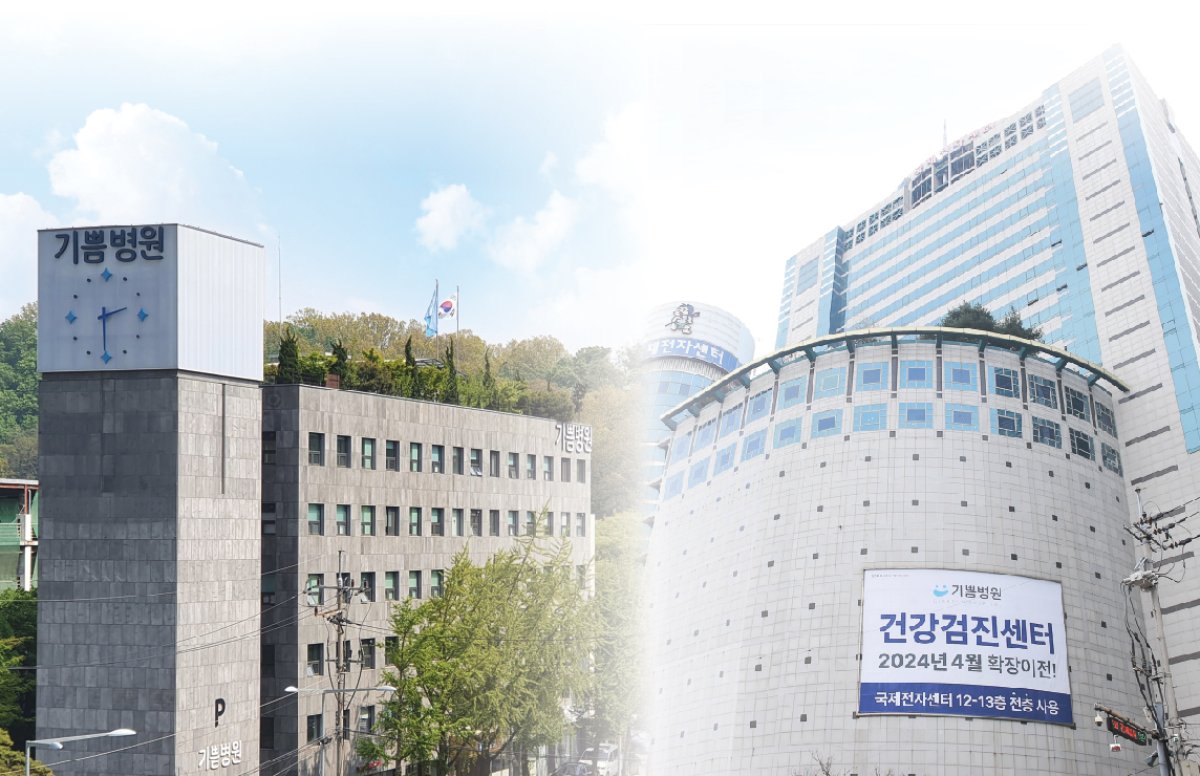










Hospital de mujeres MizMedi (MizMedi Women`s hospital)


Obtenga una evaluación médica para Hernia umbilical en Corea del Sur: consulte con doctores experimentados ahora
Ver todos los médicos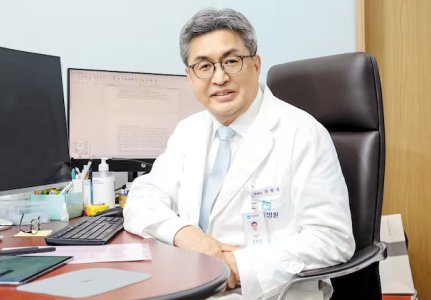
Yoon Sik Kang
El Dr. Yoon Shik Kang, M.D., Ph.D., es presidente y fundador del Hospital Gibbeum, el único hospital general de especialidad quirúrgica de Corea. El Dr. Kang es pionero en cirugía de hernia y colorrectal. Tiene más de 30 años de experiencia y ha realizado más de 40.000 operaciones, incluidas más de 20.000 reparaciones de hernia sin malla. Fue clasificado como el especialista en proctología n.º 1 por Dong‑A Ilbo. Recibió el Premio Hanmi True Medical 2016.
El Dr. Kang desarrolló la Kang
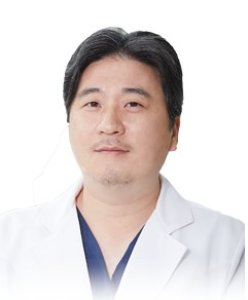
Park Sundo
El Dr. Park Sundo es especialista en cirugía general y del aparato digestivo en el Hospital Naeun. Su experiencia abarca cirugía colorrectal, proctológica, mamaria, tiroidea, laparoscópica, biliar, pancreática y pediátrica.
Sus tratamientos clave incluyen cirugía proctológica, como la hemorroidectomía y el tratamiento de las hemorroides y la fístula anal. Realiza cirugía laparoscópica para cálculos biliares (colelitiasis) y apendicitis. Su atención oncológica abarca el cáncer gástrico
Compartir contenido
Historias en video de pacientes de Bookimed
 Olena Sikoza
Preguntas frecuentes sobre el tratamiento de Hernia umbilical en Corea del Sur
¿Corea ofrece reparación de hernia umbilical sin malla (solo tejido)?
Corea del Sur ofrece reparación especializada de hernia umbilical sin malla. Los cirujanos utilizan la técnica Kang Repair para la reconstrucción utilizando únicamente tejido. Este enfoque evita los implantes sintéticos mediante el uso del propio tejido del paciente. Está disponible en centros quirúrgicos especializados en Seúl para pacientes internacionales.
- Técnica utilizada: La reparación Kang utiliza una pequeña incisión, a menudo de menos de 3 cm en total.
- Tipo de anestesia: Los especialistas suelen realizar estos procedimientos con anestesia local por seguridad.
- Resultados clínicos: Las tasas de recurrencia reportadas para este método sin malla son inferiores al 0,2%.
- Tiempo de recuperación: La mayoría de los pacientes califican para el alta el mismo día y un rápido retorno a la actividad.
Perspectiva de expertos de Bookimed: Mientras que muchos hospitales generales priorizan las mallas, el Gibbeum General Hospital se enfoca casi exclusivamente en protocolos sin malla. El Dr. Yoon Sik Kang ha realizado más de 20,000 reparaciones de este tipo. Este alto volumen contribuye a su tasa reportada de dolor crónico de menos del 0.5%.
Consenso del paciente: Los pacientes señalan que la reparación sin malla no siempre es la opción predeterminada. Debe preguntar específicamente si el tamaño de su hernia permite un enf
¿Cuál es la tasa de éxito (recurrencia) de la reparación de hernia umbilical en Corea?
La reparación de hernia umbilical en Corea mantiene altas tasas de éxito entre el 95% y el 98%. Las técnicas especializadas sin malla, como la reparación de Kang, reportan tasas de recurrencia inferiores al 0.2%. Los centros quirúrgicos avanzados utilizan métodos laparoscópicos y robóticos para minimizar las complicaciones y garantizar la durabilidad a largo plazo para los pacientes adultos.
- Tasas de éxito: Los procedimientos modernos con malla logran resultados entre el 95% y el 98%.
- Técnica de reparación de Kang: La cirugía especializada sin malla reporta tasas de recurrencia inferiores al 0.2%.
- Experiencia quirúrgica: Los cirujanos certificados a menudo poseen experiencia de más de 20,000 procedimientos.
- Estándares de acreditación: Las principales instalaciones cuentan con el respaldo de KOIHA y JCI por su seguridad.
Perspectiva del experto de Bookimed: Corea ofrece una alternativa única a las reparaciones estándar con malla. El Dr. Yoon Sik Kang, del Hospital General Gibbeum, desarrolló una técnica especializada sin malla. Ha realizado más de 20,000 reparaciones con una tasa de recurrencia inferior al 0.2%. Esto es significativamente menor que el 10% al 30% observado en los métodos tradicionales de sutura solamente. Elegir un hospital especializado en lugar de una instalación general a menudo proporciona acceso a estos protocolos de
¿Definitivamente necesitaré cirugía o se puede tratar una hernia umbilical de forma conservadora?
Las hernias umbilicales pequeñas e indoloras a menudo permiten una espera vigilante bajo supervisión médica. Mientras que la mayoría de los niños se recuperan sin intervención a los 5 años, los adultos requieren frecuentemente reparación quirúrgica. Las estadísticas muestran que el 65% de las hernias sintomáticas en adultos terminan en cirugía para prevenir futuras emergencias médicas.
- Criterios de espera vigilante: La espera vigilante es apropiada si el bulto es pequeño, indoloro y reductible.
- Factores desencadenantes de cirugía: La cirugía se vuelve necesaria si la hernia aumenta de tamaño o causa dolor local persistente.
- Indicadores de emergencia: El enrojecimiento, el tejido firme o los vómitos señalan un estrangulamiento que requiere intervención médica inmediata.
- Procedimientos avanzados: Los especialistas en Seúl ofrecen la reparación de Kang sin malla para minimizar los riesgos de cuerpos extraños.
Opinión experta de Bookimed: Si bien las pautas generales permiten el monitoreo, los centros quirúrgicos de Corea del Sur, como el Hospital Gibbeum, enfatizan la intervención temprana con técnicas especializadas. El Dr. Yoon Sik Kang ha realizado 20,000 reparaciones sin malla con una tasa de recurrencia inferior al 0.2%. Elegir procedimientos especializados sin malla puede reducir significativamente el riesgo de dolor crónico en compa
¿Cuánto tiempo dura la recuperación después de una cirugía de hernia umbilical en Corea?
La recuperación tras una cirugía de hernia umbilical en Corea permite habitualmente volver a las actividades diarias ligeras en un plazo de 3 a 14 días. La mayoría de los pacientes retoman el ejercicio intenso o levantar objetos pesados después de 4 a 6 semanas. Las técnicas mínimamente invasivas y los procedimientos especializados sin malla suelen acelerar este proceso.
- Recuperación inicial: La vuelta al trabajo de oficina o a las rutinas ligeras suele llevar de 3 a 7 días.
- Actividad física: Se recomienda caminar inmediatamente, mientras que trotar suavemente es seguro después de 2 a 3 semanas.
- Curación completa: El tejido madura por completo y la fuerza central regresa después de aproximadamente 6 a 8 semanas.
- Estancia hospitalaria: Los centros especializados a menudo proporcionan 1 día de hospitalización para el seguimiento y el control del dolor.
Perspectiva del experto de Bookimed: Aunque muchos hospitales utilizan mallas sintéticas, cirujanos coreanos especializados como el Dr. Yoon Sik Kang han realizado más de 20.000 reparaciones sin malla. Este método reporta una tasa de recurrencia inferior al 0,2 %. El uso de anestesia local en lugar de sedación general acorta aún más la fase de recuperación postoperatoria inmediata.
Consenso de los pacientes: Los pacientes encuentran que los primeros días son los más
¿Es necesario dominar el idioma coreano para recibir tratamiento de hernia umbilical en Corea?
No se requiere dominio del idioma coreano para el tratamiento de hernia umbilical en la República de Corea. Los principales hospitales de Seúl ofrecen coordinadores médicos dedicados y traductores profesionales para pacientes internacionales. Estos servicios cubren cada paso, desde las consultas iniciales y las pruebas preoperatorias hasta las conversaciones sobre anestesia y las pautas de alta.
- Departamentos internacionales: Centros de Seúl como el Gibbeum General Hospital atienden habitualmente a pacientes de 56 países.
- Asistencia lingüística: Intérpretes profesionales apoyan las consultas sobre medicamentos, el consentimiento quirúrgico y las instrucciones específicas de cuidados postoperatorios.
- Experiencia quirúrgica: Cirujanos como el Dr. Yoon Sik Kang han realizado más de 40.000 intervenciones a pacientes internacionales.
- Paquetes integrales: Las opciones con todo incluido cubren pruebas de diagnóstico, imágenes, medicamentos y enfermería las 24 horas en inglés.
Opinión del experto de Bookimed: Si bien los grandes hospitales universitarios están 100 % digitalizados, los centros especializados más pequeños a menudo ofrecen un apoyo lingüístico más personalizado. Por ejemplo, el Gibbeum General Hospital ha perfeccionado su técnica de reparación Kang para pacientes de 56 naciones diferentes. Este alto volumen de casos internacionale