Tratamiento de Hernia umbilical en España — obtenga 3 coincidencias personalizadas de clínicas


Revisado médicamente por
Fahad Mawlood
Cómo funciona
¿Cuál es el precio del diagnóstico y los tratamientos de Hernia umbilical en España? Descubra ahora
| España | Turquía | México | |
|---|---|---|---|
| Reparación laparoscópica de hernia umbilical | ≈ $3,200 | de $5,200 | ≈ $3,600 |
| Reparación de hernia umbilical | de $6,200 | de $3,300 | de $2,300 |
Descubra las mejores clínicas de tratamiento de Hernia umbilical en España: 10 opciones verificadas y Precios










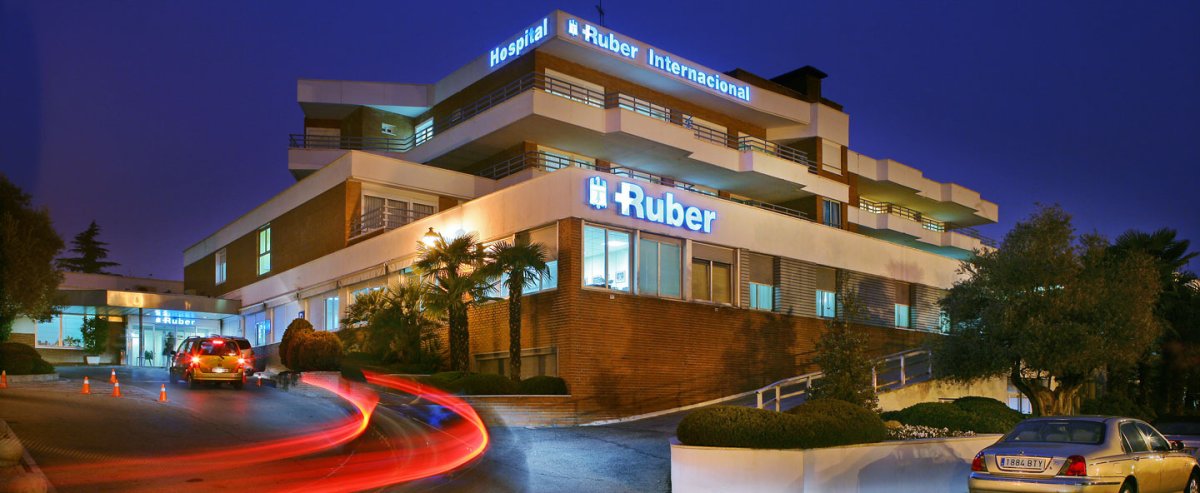


Hospital Sant Joan de Déu Barcelona









Dr. Santos Jiménez de los Galanes
Obtenga una evaluación médica de tratamiento de Hernia umbilical en España: haga una consulta con 6 médicos experimentados ahora
Ver todos los médicos
Javier Herrero Jover
El Dr. Javier Herrero Jover es un cirujano plástico certificado en el Centro Médico Teknon de Barcelona. Es pionero en planificación quirúrgica virtual y utiliza simulación 3D para obtener resultados precisos. El Dr. Herrero Jover fundó Alma IT Systems para desarrollar software de imagen médica específico para el paciente. Ha realizado más de 10.000 procedimientos quirúrgicos a lo largo de su carrera.
- Especializado en rinoplastia primaria y secundaria, rejuvenecimiento facial y c
Carlos Garcia Vasquez
Cirujano general y del aparato digestivo. Enfoque en cirugía colorrectal, proctológica y de pared abdominal mínimamente invasiva. Jefe adjunto, Hospital Universitario Infanta Elena (2021–). Cirujano asociado, Fundación Jiménez Díaz (2013–).
Acreditaciones: Doctor en Cirugía, sobresaliente cum laude (UAM). Certificado en cirugía robótica (Da Vinci X/Xi/5). Formación avanzada en cirugía general laparoscópica (IRCAD, Estrasburgo). Especialista en Cirugía General y del Aparato Digestivo (F

Xavier Centeno Fornies
Especializado en hernias con más de _doctor_8374_ años de experiencia – el Dr. Centeno fue pionero en técnicas laparoscópicas en el Centro Médico Teknon.
- Formación de subespecialidad en cirugía colorrectal en Mayo Clinic, EE. UU.
- Acreditado por la ERAS-Society para protocolos de recuperación mejorada
- Miembro de la Sociedad Americana de Cirujanos de Colon y Recto
- Enseña fisioterapia uroginecoproctológica en la Universidad Blanquerna
Cesar Canales Bedoya
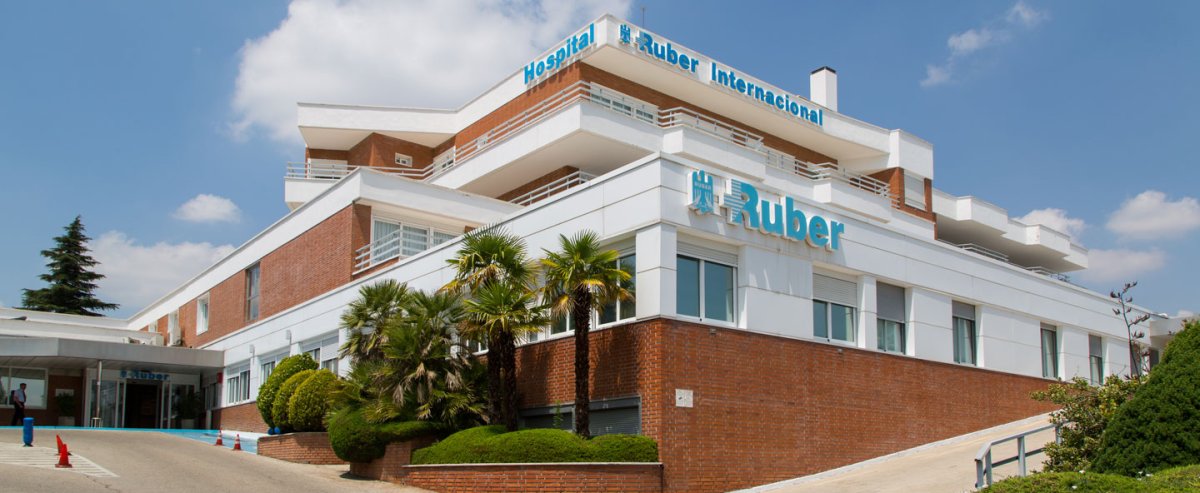
El Dr. César Canales dirige desde 2015 el Servicio de Cirugía General y del Aparato Digestivo y la Unidad de Cirugía Laparoscópica y Robótica del Hospital Ruber Internacional (Madrid). Es cirujano general y del aparato digestivo con más de 30 años de experiencia. Está especializado en cirugía laparoscópica y robótica Da Vinci para casos complejos abdominales, oncológicos y de la pared abdominal.
Doctor en Medicina (cum laude, UAM) y licenciado en Medicina (con honores, UCM). Completó l
Compartir contenido
Historias en video de pacientes de Bookimed
 Olena Sikoza
Preguntas frecuentes sobre el tratamiento de Hernia umbilical en España
¿Es obligatoria la cirugía para una hernia umbilical en adultos?
La cirugía no es estrictamente obligatoria para todas las hernias umbilicales en adultos. Los médicos a menudo recomiendan una espera vigilante si el bulto es pequeño e indoloro. Sin embargo, las hernias en adultos no pueden sanar de forma natural. La reparación se vuelve necesaria si la hernia crece, causa dolor persistente o queda atrapada fuera de la pared abdominal.
- Monitoreo asintomático: Las hernias pequeñas y reducibles sin dolor pueden requerir solo observación médica regular.
- Reparación electiva: Se aconseja la cirugía si la hernia interfiere con las actividades diarias o el ejercicio.
- Indicadores de emergencia: El dolor repentino, las náuseas o los cambios en el color de la piel requieren intervención quirúrgica inmediata.
- Solución permanente: La corrección quirúrgica mediante técnicas laparoscópicas o robóticas es el único tratamiento definitivo.
Perspectiva de expertos de Bookimed: Centros españoles como el Centro PAD y el Hospital Ruber Internacional se especializan en la reparación de hernias asistida por robot utilizando las plataformas Da Vinci X/Xi. Los datos muestran que las clínicas en Madrid y Barcelona a menudo integran estos sistemas robóticos para mejorar la precisión y acortar los tiempos de recuperación. Por ejemplo, el Dr. Carlos García Vásquez incluso posee una patente para sistemas de implantación de prótesis
¿Qué técnicas quirúrgicas se realizan habitualmente en España?
Los centros quirúrgicos españoles se especializan en reparaciones avanzadas de la pared abdominal para hernias umbilicales. Los especialistas utilizan técnicas laparoscópicas, robóticas y abiertas para garantizar una estabilidad a largo plazo. La mayoría de los procedimientos implican un refuerzo con malla para prevenir la recurrencia. Centros como el Centro Médico Teknon y el Hospital Ruber Internacional siguen estrictos estándares de la Joint Commission International.
- Reparación laparoscópica: Enfoque mínimamente invasivo que utiliza 3 pequeñas incisiones para insertar una malla quirúrgica.
- Cirugía asistida por robot: Los cirujanos del Centro PAD utilizan sistemas Da Vinci para reparaciones complejas de alta precisión.
- Reparación abierta sin tensión: Método estándar para hernias pequeñas que implica una sola incisión y una malla.
- Protocolos de recuperación rápida: Los centros especializados priorizan el alta ambulatoria y minimizan las cicatrices y el dolor postoperatorio.
Opinión de experto de Bookimed: Aunque muchos buscan la tecnología más reciente, la verdadera ventaja de España es la especialización. Médicos como el Dr. Cesar Canales Bedoya y el Dr. Carlos Garcia Vasquez poseen patentes y son autores en cirugía de la pared abdominal. Elegir un cirujano con más de 25 años de experiencia suele ser más eficaz para hernias complejas
¿Cuánto dura la estancia típica en el país al viajar a España para una cirugía?
Las estancias típicas para cirugías en España oscilan entre 2 y 21 días, dependiendo de la complejidad del procedimiento y las necesidades de recuperación. Las intervenciones menores, como la reparación de una hernia umbilical, a menudo requieren solo de 3 a 7 días. Las cirugías ortopédicas o cardíacas mayores requieren de 14 a 21 días por seguridad.
- Estancia por reparación de hernia: Los pacientes suelen permanecer en España de 3 a 7 días para su recuperación.
- Ventana para cirugía mayor: Los procedimientos complejos como los reemplazos de cadera requieren estancias de 14 a 21 días.
- Período de hospitalización: La atención hospitalaria suele durar de 1 a 5 días, dependiendo del procedimiento.
- Autorización para volar: Los cirujanos deben emitir un certificado formal antes de que los pacientes regresen a casa de forma segura en avión.
Perspectiva de expertos de Bookimed: España ocupa el cuarto lugar a nivel mundial en solicitudes de pacientes en nuestra plataforma, en gran parte debido a centros de alto volumen como el Hospital Quirón Barcelona, que atiende a 40.000 pacientes al año. Si bien muchos planean una estancia de 1 semana, cirujanos como el Dr. César Canales Bedoya utilizan sistemas robóticos Da Vinci que pueden mejorar significativamente la movilidad temprana. Elegir técnicas robóticas o laparoscópicas en centros especializados e
¿Cuándo es seguro volar después de una reparación de hernia umbilical?
Es seguro volar de 2 a 4 semanas después de una reparación de hernia umbilical. Los tiempos de recuperación individuales dependen de la técnica quirúrgica específica utilizada. Los pacientes deben recibir la autorización directa de su cirujano antes de volar. Los tejidos internos requieren más tiempo para sanar que las incisiones cutáneas superficiales.
- Recuperación laparoscópica: Los vuelos cortos requieren una espera de 2 semanas. Los vuelos de larga distancia requieren 4 semanas.
- Cronograma de reparación abierta: Espere de 3 a 4 semanas para viajes de corta distancia. Permita 6 semanas.
- Restricciones de actividad: Evite levantar equipaje de más de 10 libras (aprox. 4,5 kg) durante 4 a 6 semanas.
- Seguridad en el vuelo: Use medias de compresión y camine cada hora para prevenir coágulos sanguíneos.
Perspectiva del experto de Bookimed: Los centros españoles como el Centro PAD y el Centro Médico Teknon se centran en protocolos de recuperación rápida. Si bien muchas fuentes sugieren una espera de 4 semanas, cirujanos como el Dr. Cesar Canales Bedoya utilizan sistemas robóticos Da Vinci. Estas técnicas de precisión a menudo permiten una movilización más temprana. Si viaja a Madrid o Barcelona, elija una clínica con acreditación JCI para garantizar que los estándares de seguridad postoperatorios cumplan con las pautas internacionales de avia
¿Necesitaré quedarme a pasar la noche en el hospital después de la cirugía?
Los pacientes que se someten a un tratamiento de hernia umbilical en España generalmente regresan a casa el mismo día. Los especialistas en centros como el Centro PAD y el Centro Médico Teknon utilizan técnicas laparoscópicas y robóticas mínimamente invasivas. Estos métodos priorizan una recuperación rápida y, por lo general, permiten el alta entre 2 y 4 horas después de la cirugía.
- Tipo de procedimiento: La mayoría de las reparaciones de hernias en España se realizan como cirugías ambulatorias.
- Periodo de recuperación: Los pacientes suelen permanecer en el área de recuperación de 2 a 4 horas.
- Criterios de seguridad: El alta requiere signos vitales estables y un dolor manejable mediante medicación oral.
- Requisitos de movilidad: Debe ser capaz de caminar y usar el baño de forma independiente.
- Casos complejos: Las hernias grandes o las reconstrucciones robóticas pueden requerir ocasionalmente una noche de hospitalización.
Perspectiva del experto de Bookimed: Los centros españoles como el Centro PAD utilizan protocolos de recuperación rápida y sistemas robóticos Da Vinci. Estas herramientas de precisión a menudo reducen significativamente el trauma interno en comparación con la cirugía abierta tradicional. Este cambio tecnológico significa que incluso las hernias complejas a menudo pueden tratarse sin necesidad de
¿Cuáles son las restricciones de levantamiento postoperatorio que afectarán el check-out del hotel y el manejo de equipaje en el aeropuerto?
Los pacientes que se recuperan de una reparación de hernia umbilical en España deben evitar levantar más de 4,5 kg (10 libras) durante 4 a 6 semanas. Este límite de peso es menor que el de una maleta de mano estándar. Levantar equipaje a los compartimentos superiores o tirar de maletas pesadas ejerce presión sobre la malla abdominal y el sitio quirúrgico.
- Límite de peso: Evite levantar, empujar o tirar de más de 4,5 kg durante 6 semanas.
- Levantamiento por encima de la cabeza: Nunca levante maletas a los compartimentos superiores durante la fase inicial de recuperación.
- Movimientos de esfuerzo: Evite girar o realizar movimientos bruscos con los brazos al maniobrar maletas en los aeropuertos.
- Estrategias de asistencia: Solicite servicio de silla de ruedas o asistencia de botones para manejar todo el equipaje pesado.
Perspectiva del experto de Bookimed: España ocupa el cuarto lugar a nivel mundial en solicitudes quirúrgicas, atrayendo a talentos de primer nivel como el Dr. Cesar Canales Bedoya, quien cuenta con certificaciones en cirugía robótica. A pesar de las técnicas avanzadas, nuestros datos muestran que los pacientes a menudo subestiman la tensión de las maletas con ruedas. Las reparaciones robóticas y laparoscópicas en centros como el Centro PAD permiten una movilidad más rápida. Sin embargo, la presión sobre la pared abdominal sigu