Hernia umbilical en México: las 4 mejores clínicas para su tratamiento


Revisado médicamente por
Fahad Mawlood
¿Cuál es el precio del diagnóstico y los tratamientos de Hernia umbilical en México? Descubra ahora
| España | Turquía | México | |
|---|---|---|---|
| Reparación laparoscópica de hernia umbilical | de $6,400 | de $5,200 | ≈ $3,600 |
| Reparación de hernia umbilical | de $6,200 | de $3,300 | de $2,300 |
Sus beneficios y garantías con Bookimed
Precios directos
Bookimed no añade cargos extra a los precios de los tratamientos de Hernia umbilical. Las tarifas proceden de las listas de precios oficiales de las clínicas. Pagará directamente en la clínica por su tratamiento a su llegada al país.
Sólo clínicas y médicos verificados
Bookimed está comprometido con su seguridad. Solo trabajamos con las clínicas que mantienen altos estándares internacionales en el tratamiento de Hernia umbilical y cuentan con las licencias necesarias para atender a pacientes internacionales en todo el mundo.
Asistencia 24/7 gratuita
Bookimed ofrece asistencia experta gratuita. Un coordinador médico personal le apoya antes, durante y después de su tratamiento, resolviendo cualquier problema. Nunca estará solo en su viaje médico de tratamiento de Hernia umbilical.

Su coordinador médico personal de Bookimed
- Le apoya en cada etapa
- Ayuda a elegir la clínica y el médico adecuados
- Asegura un acceso rápido y conveniente a la información
Descubra las mejores clínicas de tratamiento de Hernia umbilical en México: 4 opciones verificadas y Precios
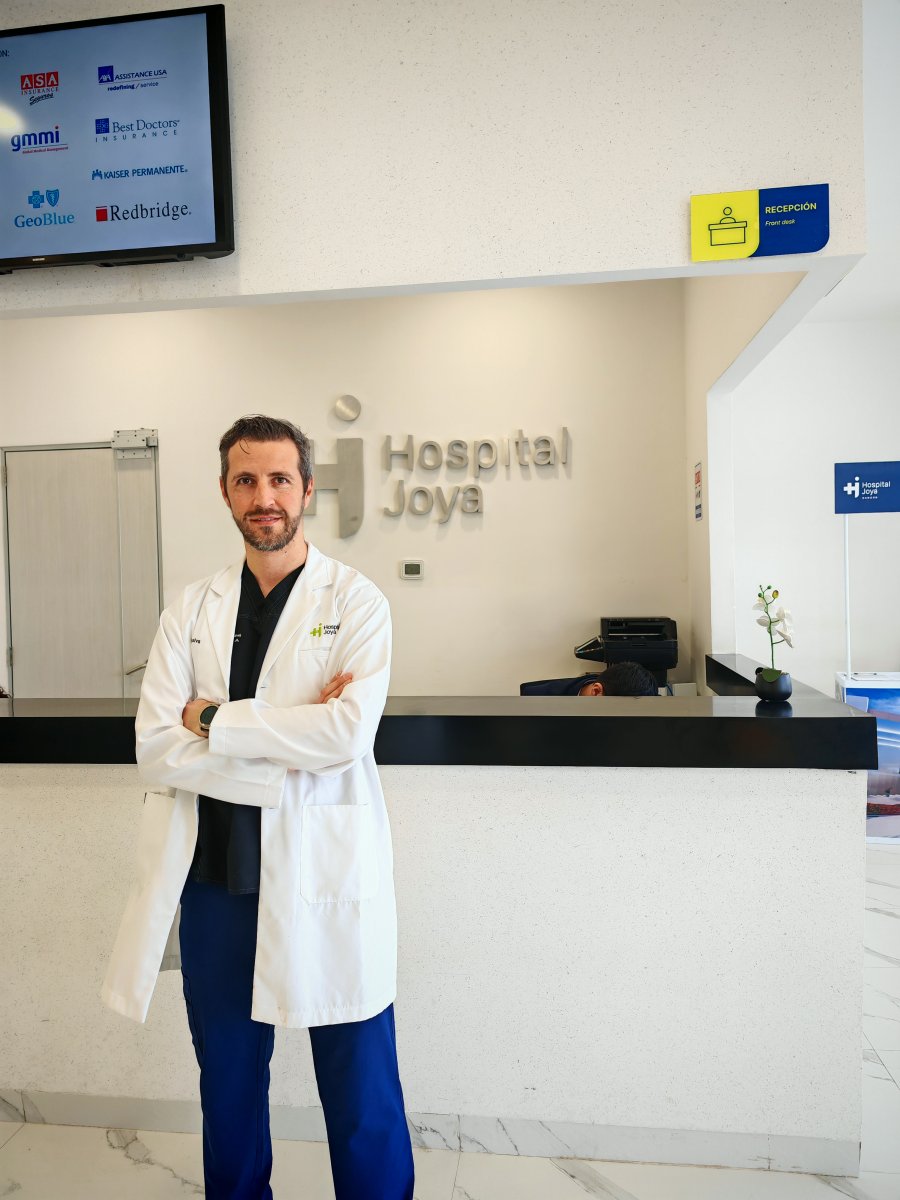



Advance Health Medical Center
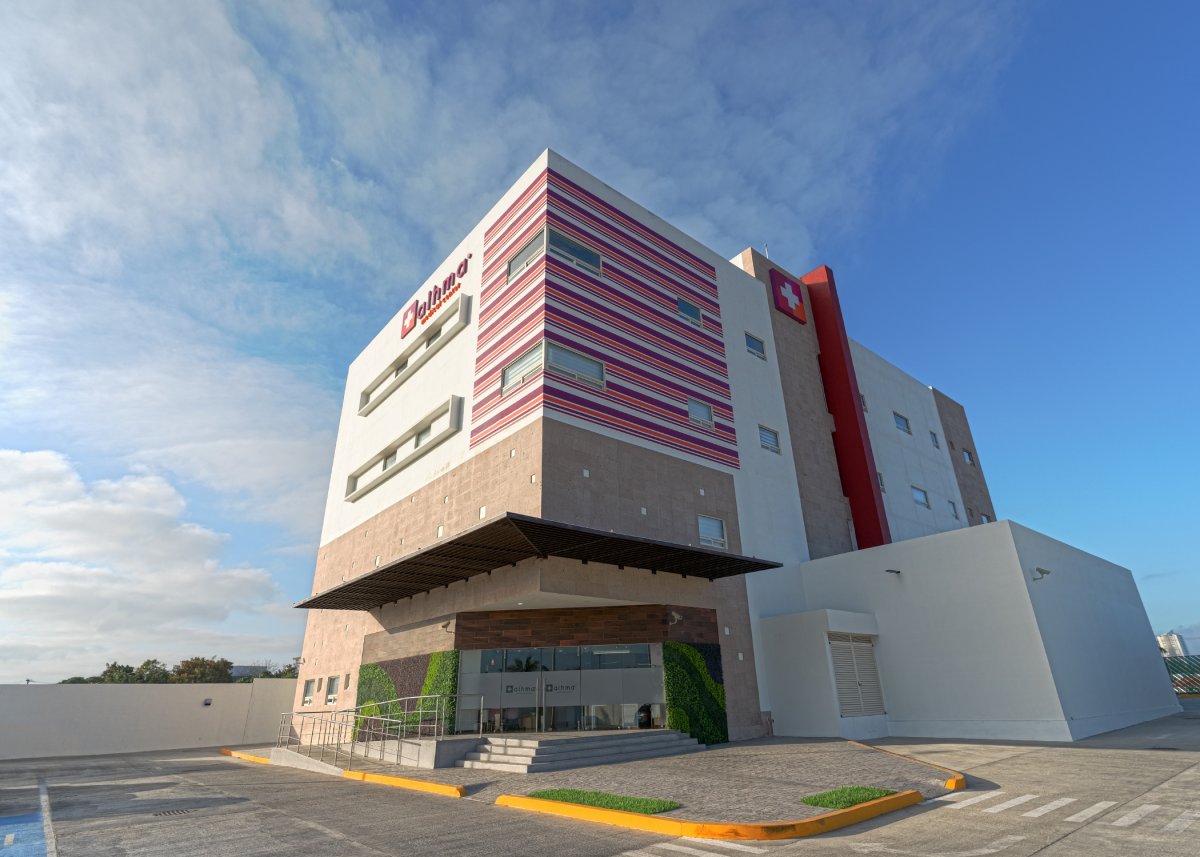
Hospital Alhma



Obtenga una evaluación médica para Hernia umbilical en México: consulte con doctores experimentados ahora
Ver todos los médicos
Enrique Pliego Esquivel
El Dr. Enrique Pliego Esquivel se especializa en cirugía bariátrica y metabólica con 10 años de experiencia, centrándose en condiciones relacionadas con la obesidad y la atención personalizada.
- Miembro de la Sociedad Americana de Cirugía Metabólica y Bariátrica
- Certificado por el Consejo Mexicano de Cirugía de la Obesidad
- Experto en el manejo de complicaciones de la cirugía bariátrica
- Gran enfoque en la comunicación con el paciente y el tratamiento individualizado

Gabriel Campos
Con más de 20 años de amplia experiencia clínica, el médico se especializa en cirugía general y oncológica. A lo largo de una carrera dedicada, el médico se ha centrado en proporcionar una atención quirúrgica integral, gestionar casos oncológicos complejos y realizar una amplia gama de procedimientos quirúrgicos generales con un compromiso hacia los resultados del paciente y la excelencia quirúrgica.
Compartir contenido
Historias en video de pacientes de Bookimed
 Olena Sikoza
Preguntas frecuentes sobre el tratamiento de Hernia umbilical en México
¿Están los cirujanos mexicanos calificados para la reparación de hernias umbilicales?
Los cirujanos mexicanos están altamente calificados para la reparación de hernias umbilicales. Muchos poseen certificaciones del Consejo Mexicano de Cirugía General y del American College of Surgeons. Los centros líderes en Tijuana y Cancún mantienen acreditaciones internacionales JCI e ISO para garantizar la seguridad del paciente y la calidad de la atención.
- Credenciales de los cirujanos: Los especialistas a menudo poseen becas del Consejo Mexicano de Cirugía de la Obesidad.
- Estándares hospitalarios: Los mejores centros utilizan sistemas de gestión de calidad JCI, GHA e ISO 9001:2015.
- Tecnología avanzada: Clínicas como el Hospital Cyntar Tijuana utilizan la plataforma robótica OMNIBOT para mayor precisión.
- Alto volumen: La experiencia de las instalaciones abarca más de 30 años y miles de procedimientos quirúrgicos exitosos.
Perspectiva del experto de Bookimed: Los cirujanos mexicanos de alto rendimiento a menudo poseen certificaciones duales en cirugía general y bariátrica. El Dr. Arturo Martínez en el Hospital Cyntar Tijuana es reconocido como Cirujano de Excelencia por la Surgical Review Corporation. Esta experiencia específica es valiosa porque las reparaciones de hernia requieren frecuentemente habilidades laparoscópicas avanzadas utilizadas en cirugías abdominales complejas.
Consenso de pacientes: Los paci
¿Es seguro realizarse una reparación de hernia umbilical en México?
La reparación de hernia umbilical en México es segura cuando es realizada por cirujanos certificados por el Consejo Mexicano de Cirugía General. Las instalaciones acreditadas en Tijuana y Cancún mantienen tasas de infección cercanas al 1% al 3%. Esto coincide con los puntos de referencia de seguridad internacionales para procedimientos laparoscópicos mínimamente invasivos.
- Credenciales de los cirujanos: Especialistas como el Dr. Arturo Martinez cuentan con la certificación del Consejo Mexicano de Cirugía General.
- Estándares de las instalaciones: Los mejores hospitales mantienen la acreditación de la Joint Commission International (JCI) y la Global Healthcare Accreditation (GHA).
- Tecnología quirúrgica: Las clínicas utilizan plataformas avanzadas como el sistema robótico OMNIBOT para reparaciones de alta precisión.
- Estándares internacionales: Las instalaciones a menudo utilizan mallas aprobadas por la FDA y siguen protocolos de gestión de calidad certificados por ISO.
Perspectiva del experto de Bookimed: Mientras muchos se centran en las calificaciones generales de los hospitales, los mejores resultados se correlacionan con cirujanos que poseen certificaciones dobles. Nuestros datos muestran que los cirujanos mexicanos de alto rendimiento, como el Dr. Enrique Pliego Esquivel, a menudo mantienen membresías en organismos internacionales com
¿Qué técnica quirúrgica se utiliza con mayor frecuencia para las hernias umbilicales en México?
Las técnicas quirúrgicas laparoscópicas y abiertas son los métodos principales para la reparación de hernias umbilicales en México. Los enfoques laparoscópicos mínimamente invasivos son los preferidos para hernias más grandes y una recuperación más rápida. Las clínicas mexicanas utilizan frecuentemente mallas de refuerzo para fortalecer la pared abdominal y garantizar el éxito de la reparación a largo plazo.
- Enfoque laparoscópico: Los cirujanos utilizan pequeñas incisiones para insertar cámaras y herramientas quirúrgicas de alta precisión.
- Técnica abierta: Una pequeña incisión cerca del ombligo permite la reparación manual directa.
- Refuerzo con malla: Las guías médicas recomiendan el uso de malla para defectos mayores a 1 centímetro para reducir las recurrencias.
- Sutura primaria: Este método sin malla se reserva normalmente para defectos muy pequeños en la pared abdominal.
Perspectiva del experto de Bookimed: Los centros de gran volumen en México a menudo combinan la cirugía general con departamentos especializados en GI para mejorar los resultados. Por ejemplo, el Hospital Cyntar Tijuana cuenta con más de 20 médicos y la plataforma robótica OMNIBOT. Este nivel de tecnología suele ser más accesible en centros que atienden a más de 1,000 pacientes internacionales al año.
Consenso de los pacientes: Los pacientes se
¿Cuánto tiempo se espera de recuperación después de una reparación de hernia umbilical por laparoscopia en México?
La reparación de hernia umbilical por laparoscopia en México requiere aproximadamente 14 días para la rehabilitación inicial y el regreso al trabajo de escritorio. Los pacientes deben planear una estancia de 7 días en México para la vigilancia postoperatoria. La recuperación completa para ejercicios extenuantes o levantar objetos pesados generalmente toma de 6 a 8 semanas para asegurar que los tejidos profundos sanen.
- Planificación del viaje: Una estancia de 7 días permite realizar los chequeos quirúrgicos postoperatorios esenciales.
- Reanudación de la actividad: Caminar suavemente suele comenzar dentro de las 24 horas para promover la circulación.
- Recuperación inicial: Las molestias y la fatiga generalmente alcanzan su punto máximo durante los primeros 3 días.
- Limitaciones físicas: Evite levantar más de 10 libras (4.5 kg) durante al menos 6 semanas.
Perspectiva del experto de Bookimed: Los pacientes pueden encontrar atención especializada en instalaciones como el Hospital Cyntar Tijuana, que cuenta con las acreditaciones JCI y Global Healthcare Accreditation (GHA). El Dr. Arturo Martínez en este centro tiene más de 20 años de experiencia en cirugía laparoscópica avanzada. Elegir una clínica con acreditación GHA garantiza que la instalación cumple con estándares específicos para la gestión de pacientes internacionales y la seguridad post
¿Cuánto tiempo deben planear quedarse los turistas médicos en México después de una reparación de hernia umbilical?
Los turistas médicos deben planear una estancia de 4 a 7 días en México después de una reparación de hernia umbilical. Este plazo permite a los cirujanos controlar la estabilidad y realizar exámenes de seguimiento esenciales. Por lo general, los pacientes necesitan al menos 48 horas de recuperación antes de poder transitar por aeropuertos o realizar vuelos largos con seguridad.
- Observación hospitalaria: La mayoría de las clínicas mexicanas requieren una noche en el hospital para la vigilancia postoperatoria.
- Impacto de la técnica: Las reparaciones laparoscópicas pueden permitir viajar en un plazo de 48 horas en comparación con la cirugía abierta.
- Revisión postoperatoria: Los cirujanos suelen programar una evaluación presencial de 3 a 5 días después del procedimiento.
- Hitos físicos: Debe ser capaz de caminar cómodamente y manejar la presión abdominal antes de regresar a casa.
Perspectiva del experto de Bookimed: Elegir clínicas en Tijuana o Cancún a menudo simplifica la logística de recuperación para los norteamericanos. El Hospital Cyntar Tijuana cuenta con más de 30 años de experiencia y una coordinación transfronteriza especializada. Esto ayuda a gestionar la transición del centro de 18 camas a los hoteles cercanos. Sus acreditaciones JCI y GHA verifican altos estándares de seguridad para los pacientes internacionales durante la críti