Estenosis espinal Tratamiento en México — Costos 2026


Revisado médicamente por
Fahad Mawlood
¿Cuál es el precio del diagnóstico y los tratamientos de Estenosis espinal en México? Descubra ahora
Spinal stenosis treatment cost in Mexico typically depends on whether the patient requires decompression or complex stabilization. While diagnostic imaging like an MRI runs _diag_457_price_from_ to _diag_457_price_to_, primary surgical options such as lumbar laminectomy and stabilization surgery single level range from $9,000 to $14,500. Total expenses vary based on hardware needs and hospital tier, offering 50-70% savings compared to the US. Top destinations include Mexicali, Guadalajara, and Cancun.
Typical Spinal Stenosis Treatment Costs in Mexico
- MRI of one area: _diag_457_price_from_ – _diag_457_price_to_
- Consultation with a neurosurgeon: _diag_80_price_from_ – _diag_80_price_to_
- Lumbar laminectomy and stabilization surgery single level: $9,000 – $14,500
- Cervical laminectomy and stabilization surgery single level: $9,000 – $14,500
- Open midline decompression with ligament reconstruction: $9,500 – $14,500
Bookimed Expert Insight: Patients with complex multi-level stenosis should consider centers like GDL High Specialty Neurosurgery. They focus exclusively on spine cases, treating 690 patients annually. For those seeking US-standard care near the border, Hospital de la Familia is ideal. Their neurosurgeons, such as Dr. Roberto Hernandez-Pena, hold US fellowships and collaborate on every surgery. This dual-surgeon approach enhances safety for major spinal stabilizations.
| España | Turquía | México | |
|---|---|---|---|
| Laminectomía lumbar y estabilización de un nivel | ≈ $11,500 | de $4,800 | ≈ $9,000 |
| Laminectomía cervical con estabilización de un nivel | de $28,100 | ≈ $7,500 | ≈ $9,000 |
| Descompresión abierta de la línea media de la columna vertebral con reconstrucción de ligamentos | ≈ $9,500 | ≈ $5,500 | ≈ $9,500 |
Sus beneficios y garantías con Bookimed
Precios directos
Bookimed no añade cargos extra a los precios de los tratamientos de Estenosis espinal. Las tarifas proceden de las listas de precios oficiales de las clínicas. Pagará directamente en la clínica por su tratamiento a su llegada al país.
Sólo clínicas y médicos verificados
Bookimed está comprometido con su seguridad. Solo trabajamos con las clínicas que mantienen altos estándares internacionales en el tratamiento de Estenosis espinal y cuentan con las licencias necesarias para atender a pacientes internacionales en todo el mundo.
Asistencia 24/7 gratuita
Bookimed ofrece asistencia experta gratuita. Un coordinador médico personal le apoya antes, durante y después de su tratamiento, resolviendo cualquier problema. Nunca estará solo en su viaje médico de tratamiento de Estenosis espinal.

Su coordinador médico personal de Bookimed
- Le apoya en cada etapa
- Ayuda a elegir la clínica y el médico adecuados
- Asegura un acceso rápido y conveniente a la información
Descubra las mejores clínicas de tratamiento de Estenosis espinal en México: 2 opciones verificadas y Precios



GDL Neurocirugía de Alta Especialidad
Obtenga una evaluación médica para Estenosis espinal en México: consulte con doctores experimentados ahora
Ver todos los médicos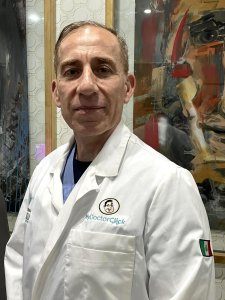
Dr Roberto Hernandez-pena
El Dr. Roberto Hernandez-Pena es neurocirujano. Obtuvo su título de médico en la Universidad Autónoma de Baja California y completó la residencia en neurocirugía en la Ciudad de México, seguida de una subespecialidad en neurología y neurocirugía en Phoenix, Arizona.
Forma parte de un equipo de neurocirugía de dos cirujanos junto con el Dr. Nestor Rodriguez, quien realizó una subespecialidad en Río de Janeiro, Brasil. Juntos aportan más de 18 años de experiencia quirúrgica y son reconoc

Karim Noe Zamora Amezcua
El Dr. Karim Noe Zamora Amezcua es neurocirujano en GDL High Specialty Neurosurgery en Guadalajara. Trata afecciones del cerebro y la columna vertebral en adultos y niños. El Dr. Zamora Amezcua realiza neurocirugía vascular y neurooncología. Ejerce en una clínica que atiende aproximadamente a 700 pacientes al año.
- Trata tumores cerebrales, adenomas hipofisarios y neuromas acústicos.
- Gestiona afecciones vasculares, incluyendo aneurismas cerebrales y enfermedad de Moyamoya.

Matilde Rodríguez

Eslie Perez
Jefe de Enseñanza en el Hospital Regional de Puerto Vallarta – El Dr. Pérez combina la experiencia médica con un enfoque en la educación.
- Médico general con _doctor_8330_ años_ de práctica privada
- Especializado en procedimientos quirúrgicos mínimamente invasivos
- Certificado en biomagnetismo por el Instituto Superior de Biomagnetismo
- Experiencia en tratamientos dermatológicos avanzados
Compartir contenido
Historias en video de pacientes de Bookimed
 Olena Sikoza
Preguntas frecuentes sobre el tratamiento de Estenosis espinal en México
¿Es seguro someterse a una cirugía de columna por estenosis en México?
La cirugía de columna por estenosis en México es segura cuando la realizan neurocirujanos certificados en instalaciones privadas acreditadas. Los principales hospitales de Mexicali y Guadalajara cumplen con los estándares del Consejo de Salubridad General de México. Las técnicas modernas, como la cirugía de columna mínimamente invasiva, ayudan a garantizar altas tasas de supervivencia y éxito.
- Acreditación hospitalaria: La acreditación CSG del Consejo de Salubridad General garantiza protocolos de seguridad rigurosos.
- Credenciales del cirujano: Especialistas como el Dr. Roberto Hernandez-pena cuentan con becas de neurocirugía de instituciones estadounidenses.
- Tecnología avanzada: Los centros de renombre utilizan imágenes de alta tecnología como el O-arm para una descompresión espinal precisa.
- Monitoreo de la recuperación: Los pacientes generalmente permanecen en el país de 5 a 10 días después de la cirugía.
Opinión de expertos de Bookimed: Los datos muestran que elegir clínicas en ciudades fronterizas como el Hospital de la Familia en Mexicali ofrece una ventaja de seguridad única para los pacientes estadounidenses. Estas instalaciones especializadas a menudo cuentan con equipos neuroquirúrgicos especializados, como el Dr. Roberto Hernandez-pena y el Dr. Nestor Rodriguez, quienes han practicado juntos durante más de 15 años. Esta estabil
¿Cómo puedo verificar que mi cirujano de columna mexicano esté debidamente calificado?
Verifique a un cirujano de columna mexicano confirmando dos licencias profesionales (cédulas). Estas incluyen un título de medicina general y una licencia de especialidad. Los cirujanos también deben estar certificados por consejos nacionales. Utilice la base de datos oficial de la SEP y el portal de CONACEM para validar estas credenciales en línea.
- Licencias profesionales: Confirme que el cirujano posea una Cédula Profesional y una Cédula de Especialidad emitidas por el gobierno.
- Certificación del consejo: Verifique el estado con el Consejo Mexicano de Ortopedia o el Consejo de Neurocirugía.
- Acreditación hospitalaria: Seleccione cirujanos que practiquen en instalaciones con certificaciones de seguridad CSG o JCI.
- Búsqueda de credenciales: Utilice la base de datos oficial de la SEP para verificar las licencias utilizando el nombre completo del médico.
Perspectiva de expertos de Bookimed: Busque equipos quirúrgicos que combinen formación mexicana e internacional. En el Hospital de la Familia, el Dr. Roberto Hernández-Peña y el Dr. Néstor Rodríguez ofrecen más de 15 años de experiencia. Sus credenciales incluyen becas de Phoenix, Arizona, y Río de Janeiro. Esta combinación de certificación local y formación global a menudo indica una mayor competencia en procedimientos espinales avanzados.
¿Qué tratamientos no quirúrgicos para la estenosis espinal puedo recibir en México antes de considerar una cirugía?
Los tratamientos no quirúrgicos para la estenosis espinal en México incluyen medicina regenerativa, manejo del dolor dirigido y fisioterapia especializada. Muchos centros utilizan células madre mesenquimales y plasma rico en plaquetas para reducir la inflamación. Los médicos también emplean inyecciones epidurales de esteroides y terapia de descompresión para aliviar la presión nerviosa sin necesidad de cirugía.
- Terapia regenerativa: Las células madre mesenquimales y el plasma rico en plaquetas promueven la reparación de tejidos.
- Manejo del dolor: Las inyecciones epidurales de esteroides y la crioablación bloquean eficazmente las señales de dolor.
- Rehabilitación física: El fortalecimiento central enfocado y la hidroterapia reducen la presión de carga sobre la columna.
- Métodos de descompresión: Las técnicas manuales o mecánicas crean espacio para los nervios comprimidos.
Perspectiva de expertos de Bookimed: Aunque muchos buscan tratamientos en los principales centros urbanos, la ciudad fronteriza de Mexicali ofrece ventajas únicas para el cuidado de la columna. El Hospital de la Familia brinda acceso a neurocirujanos especializados como el Dr. Roberto Hernández-Peña, quien cuenta con una beca de Phoenix, Arizona. Esta proximidad a la frontera con EE. UU. a menudo significa que las clínicas mantienen altos estándares de seguridad, como la
¿Cuánto tiempo debo permanecer en México después de una laminectomía por estenosis espinal?
La mayoría de los pacientes pasan de 7 a 10 días en México después de una laminectomía por estenosis espinal. Este plazo garantiza de 1 a 3 días de hospitalización y varios días de seguimiento en un hotel. Los cirujanos verifican la cicatrización de la herida y la movilidad antes de autorizar a los pacientes para viajes aéreos internacionales.
- Duración de la hospitalización: La estancia quirúrgica suele durar de 1 a 3 noches para el seguimiento postoperatorio.
- Recuperación en hotel: Planifique de 5 a 7 días en un hotel local para la atención de seguimiento.
- Seguridad en el vuelo: Los cirujanos suelen autorizar a los pacientes estables para vuelos cortos después de 7 a 10 días.
- Viajes de larga distancia: Los vuelos prolongados pueden requerir una espera de 2 a 6 semanas para prevenir coágulos.
Perspectiva del experto de Bookimed: Los datos clínicos de GDL High Specialty Neurosurgery muestran que atienden a aproximadamente 690 pacientes al año. Los centros de alto volumen a menudo utilizan equipos neuroquirúrgicos especializados para agilizar la recuperación. En el Hospital de la Familia, el Dr. Roberto Hernández-Pena opera dentro de un equipo de dos cirujanos. Este enfoque colaborativo puede reducir el tiempo operatorio y respalda el estándar de alta hospitalaria de 1 a 3 días.
Consenso de los pacientes: Los pacie
¿Qué se incluye normalmente en un paquete de cirugía de estenosis espinal con todo incluido en México?
Los paquetes de estenosis espinal con todo incluido en México agrupan los honorarios quirúrgicos, la anestesia y los costos de las instalaciones en un solo precio. Estos planes suelen cubrir los honorarios del neurocirujano, habitaciones de hospital privadas y diagnósticos preoperatorios como resonancias magnéticas. La mayoría incluye traslados terrestres y servicios de coordinación para garantizar un viaje médico sin problemas para los pacientes internacionales.
- Equipo médico: Cubre neurocirujanos certificados, cirujanos asistentes y el equipo completo de anestesiología.
- Uso de instalaciones: Incluye tarifas de quirófano y herramientas especializadas como imágenes de fluoroscopia con arco en C.
- Diagnóstico clínico: Agrupa análisis de laboratorio preoperatorios esenciales, ECG y radiografías de columna necesarias.
- Estancia hospitalaria: Proporciona 2-3 noches en habitación privada con enfermería y comidas.
Perspectiva del experto de Bookimed: Si bien muchas clínicas ofrecen atención general de la columna, elegir equipos especializados como los de GDL High Specialty Neurosurgery garantiza una experiencia de alto volumen. Esta clínica trata a 690 pacientes al año. En lugares como Mexicali, equipos como los del Dr. Roberto Hernandez-Pena y el Dr. Nestor Rodriguez combinan más de 15 años de experiencia. Este enfoque colaborativo a menudo co