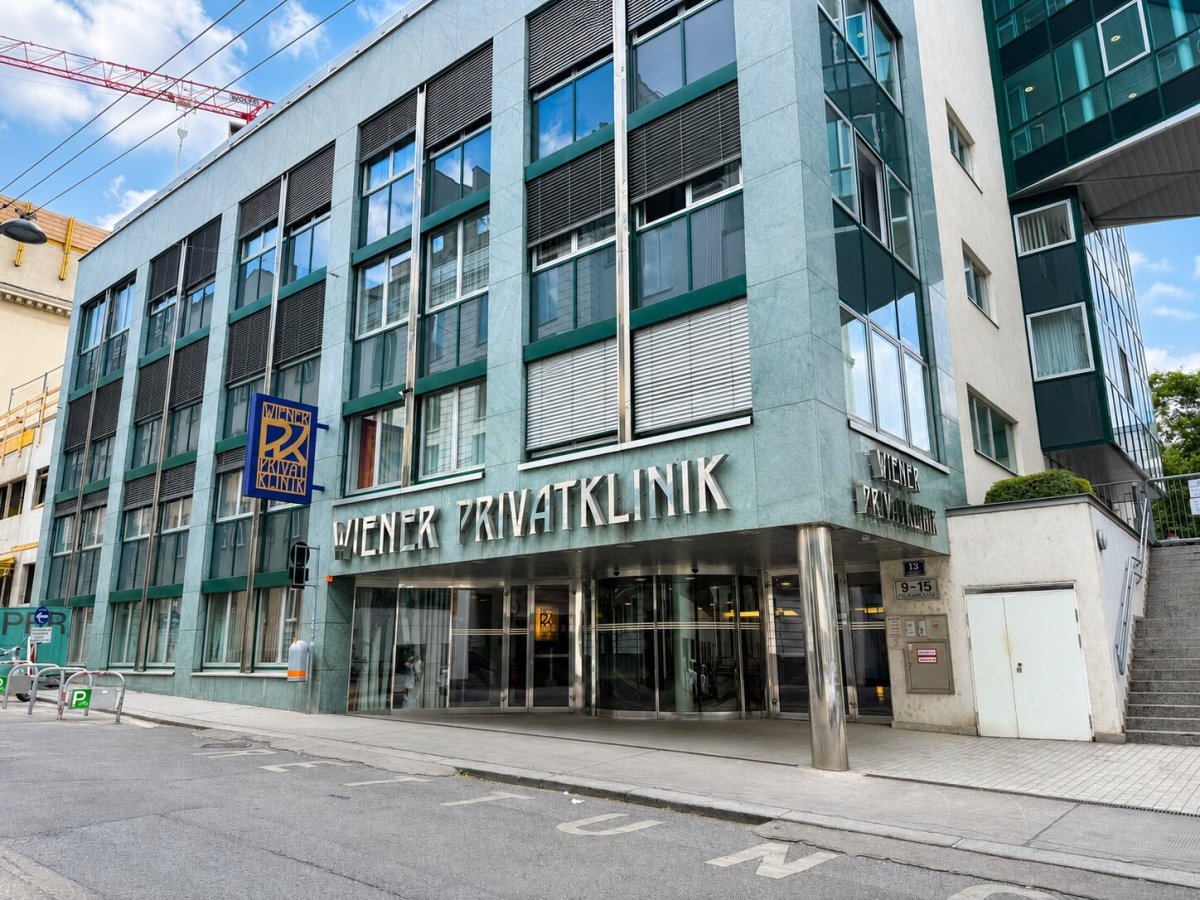
Clínica privada Wiener (Wiener Privatklinik)
Austria, Viena
Manfred Muehlbauer
41 años de experiencia

Clínica certificada por : 





Revisado médicamente por
Fahad Mawlood
Spinal stenosis treatment cost in Austria typically runs from $14,500 to $22,500 for single-level stabilization surgeries. Total expenses depend on the intervention complexity, clinic tier, and chosen surgical approach. Patients often save approximately 20-30% compared to equivalent private care in the United States. Leading medical centers for spine surgery are primarily located in Vienna.
Typical Spinal Stenosis Treatment Costs in Austria
Bookimed Expert Insight: Patients seeking high-precision care benefit from clinics using CT-guided neurosurgical planning. Wiener Privatklinik (WPK) is ideal for international patients, offering Newsweek-ranked excellence and ISO 9001:2015 certification. Senior consultants like Manfred Muehlbauer specialize in microsurgical decompression and complex spine reconstructions. This approach is best for patients requiring stabilization alongside decompression to ensure long-term spinal mobility.
| Austria | España | Turquía | |
|---|---|---|---|
| Laminectomía lumbar y estabilización de un nivel | ≈ $14,500 | de $31,400 | de $4,800 |
| Laminectomía cervical con estabilización de un nivel | ≈ $16,500 | de $28,100 | de $14,000 |
| Descompresión abierta de la línea media de la columna vertebral con reconstrucción de ligamentos | ≈ $11,500 | ≈ $9,500 | ≈ $5,500 |
Bookimed no añade cargos extra a los precios de los tratamientos de Estenosis espinal. Las tarifas proceden de las listas de precios oficiales de las clínicas. Pagará directamente en la clínica por su tratamiento a su llegada al país.
Bookimed está comprometido con su seguridad. Solo trabajamos con las clínicas que mantienen altos estándares internacionales en el tratamiento de Estenosis espinal y cuentan con las licencias necesarias para atender a pacientes internacionales en todo el mundo.
Bookimed ofrece asistencia experta gratuita. Un coordinador médico personal le apoya antes, durante y después de su tratamiento, resolviendo cualquier problema. Nunca estará solo en su viaje médico de tratamiento de Estenosis espinal.

El Dr. Muehlbauer se especializa en microcirugía espinal y neurocirugía mínimamente invasiva, con décadas de experiencia en la Wiener Privatklinik.
 Olena Sikoza
Entre los principales centros austriacos para el tratamiento quirúrgico de la estenosis espinal se encuentran la Wiener Privatklinik y el Hospital Rudolfinerhaus de Viena. Estas instituciones se especializan en descompresión microquirúrgica y estabilización mínimamente invasiva. Los cirujanos utilizan tomografía computarizada intraoperatoria y neuromonitorización para garantizar la seguridad. La mayoría de las clínicas cuentan con la certificación ISO o figuran entre los mejores hospitales según Newsweek.
Análisis de Bookimed: Los datos muestran una alta concentración de especialistas académicos en las clínicas privadas de Viena. Más de 400 médicos de la Clínica Privada de Viena también imparten clases en la Universidad Médica de Viena. Esto garantiza que los pacientes reciban protocolos quirúrgicos de nivel universitario en un entorno p
Austria emplea un enfoque conservador y de alta calidad para el tratamiento de la estenosis espinal, con el objetivo de aliviar el dolor y restaurar la función física. El tratamiento incluye fisioterapia especializada, inyecciones de esteroides guiadas por imágenes y manejo interdisciplinario del dolor. Centros especializados en Viena y otros países utilizan las normas ISO para brindar atención no invasiva para enfermedades degenerativas de la columna vertebral.
Opinión de expertos de Bookimed: Si bien muchas clínicas
La recuperación tras una cirugía de estenosis espinal en Austria suele permitir caminar en 24-48 horas. La mayoría de los pacientes alcanzan una recuperación básica en 3-6 meses. En el caso de cirugías complejas de fusión espinal, la integración ósea completa y la actividad física intensiva suelen requerir de 6 a 12 meses.
Opinión de expertos de Bookimed: Elegir a un especialista como el profesor Manfred Mühlbauer de la Wiener Privatklinik ofrece una clara ventaja. Con más de 30 años de experiencia, estos expertos utilizan la precisión microquirúrgica. Este enfoque suele ayudar a los pacientes a mantener una mejor movilidad. Observamos que las clínicas con certificación ISO tienden a ofrecer protocolos de cuidados postoperatorios más estructurados.
Comentarios de los pacientes: Los pacientes destacan que caminar a diario desde el prime
La clínica austriaca de estenosis espinal en Viena está dirigida por neurocirujanos y ortopedistas certificados. Entre sus figuras clave se encuentran el Dr. Manfred Mühlbauer y el Dr. Josef Grohs. Utilizan la descompresión microquirúrgica y la estabilización mínimamente invasiva. Estos métodos preservan la movilidad de la columna vertebral y garantizan un tratamiento altamente eficaz.
Opinión de expertos de Bookimed: Si bien Viena cuenta con cirujanos altamente cualificados, varios especialistas de renombre trabajan tanto en hospitales universitarios públicos como en clínicas privadas. El Dr. Manfred Mühlbauer es profesor visitante en la Universidad Médica de Viena y, al mismo tiempo, ejerce su profesión en la Clínica Privada de Viena. Esta doble función garantiza que los pacientes reciban atención médica con base científica en un entor
En las clínicas austriacas, se recomienda la intervención quirúrgica para la estenosis espinal en presencia de deterioro neurológico o problemas graves de movilidad. En la mayoría de los casos, el tratamiento comienza con seis meses de terapia conservadora. La cirugía está indicada para pacientes que no han respondido a los tratamientos no invasivos o que presentan inestabilidad estructural de la columna vertebral y debilidad muscular progresiva.
Opinión de expertos de Bookimed: Los indicadores de calidad en centros como la Wiener Privatklinik se deben a menudo a su afiliación con la Universidad Médica de Viena. Muchos médicos de renombre, incluido el Dr. Manfred Mühlbauer, son profesores de dicha universidad. Esta afiliación académica garantiza que las clínicas prioricen los protocolos no invasivos, como la microcirugía, sobre las fusiones espinales agresivas. Los pacien
Los hospitales austriacos garantizan la seguridad de las cirugías de columna vertebral de acuerdo con los requisitos federales y las acreditaciones internacionales. Las instituciones médicas se adhieren a la Ley Federal de Calidad de la Atención Sanitaria, que garantiza una eficacia clínica constante. Los neurocirujanos especializados realizan las intervenciones en instalaciones con certificación ISO. Estos centros deben cumplir con estrictos protocolos de higiene y seguridad del paciente.
Opinión de expertos de Bookimed: Si bien la ortopedia y la neurocirugía están separadas en muchos países, la excelencia austriaca se logra a menudo mediante especialistas con doble titulación. El Dr. Manfred Mühlbauer, de la Wiener Privatklinik, es neur
Los pacientes con neuropatía intervencionista (estenosis espinal) que se encuentran en Austria suelen permanecer entre 10 y 14 días. Este periodo incluye los exámenes preoperatorios y la recuperación hospitalaria. Los cirujanos generalmente autorizan a los pacientes a viajar en avión alrededor del décimo día. Las cirugías de fusión espinal seguras pueden requerir hasta 21 días.
Opinión de expertos de Bookimed: Los datos clínicos demuestran la alta concentración de expertos en neurocirugía en Viena. El Dr. Manfred Mühlbauer, de la Clínica Privada de Viena, cuenta con más de 30 años de experiencia. Está especializado en descompresión microquirúrgica y estabilización espinal. Este alto nivel de especialización suele traducirse en tiempos de recuperación predecibles. Elegir una clínica que cumpla con las normas ISO garantiza protocolos de seguridad estandarizados durante la crucial primera semana.