Estenosis espinal en Grecia: clínica verificada para su tratamiento


Revisado médicamente por
Fahad Mawlood
¿Cuál es el precio del diagnóstico y los tratamientos de Estenosis espinal en Grecia? Descubra ahora
Sus beneficios y garantías con Bookimed
Precios directos
Bookimed no añade cargos extra a los precios de los tratamientos de Estenosis espinal. Las tarifas proceden de las listas de precios oficiales de las clínicas. Pagará directamente en la clínica por su tratamiento a su llegada al país.
Sólo clínicas y médicos verificados
Bookimed está comprometido con su seguridad. Solo trabajamos con las clínicas que mantienen altos estándares internacionales en el tratamiento de Estenosis espinal y cuentan con las licencias necesarias para atender a pacientes internacionales en todo el mundo.
Asistencia 24/7 gratuita
Bookimed ofrece asistencia experta gratuita. Un coordinador médico personal le apoya antes, durante y después de su tratamiento, resolviendo cualquier problema. Nunca estará solo en su viaje médico de tratamiento de Estenosis espinal.

Su coordinador médico personal de Bookimed
- Le apoya en cada etapa
- Ayuda a elegir la clínica y el médico adecuados
- Asegura un acceso rápido y conveniente a la información
Descubra las mejores clínicas de tratamiento de Estenosis espinal en Grecia: 1 opciones verificadas y Precios



Obtenga una evaluación médica para Estenosis espinal en Grecia: consulte con doctores experimentados ahora
Ver todos los médicos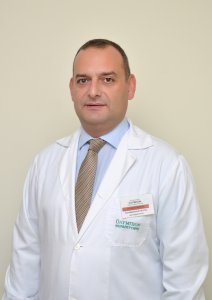
Petros Karamanakos
El Dr. Petros Karamanakos se graduó en la Facultad de Medicina de la Universidad de Ioannina y obtuvo allí un doctorado. Se especializó y recibió formación adicional en la Clínica Universitaria de Neurocirugía de Kuopio, en Finlandia, bajo la dirección del profesor Juha Jääskeläinen. La clínica es uno de los principales centros de neurocirugía de Europa y realiza unas 2.500 intervenciones al año.
Durante sus muchos años en Kuopio, adquirió una amplia experiencia en todo el espectro de
Compartir contenido
Historias en video de pacientes de Bookimed
 Olena Sikoza
Preguntas frecuentes sobre el tratamiento de Estenosis espinal en Grecia
¿Qué tratamientos no quirúrgicos están disponibles en Grecia?
Los centros especializados griegos ofrecen una atención integral no quirúrgica para la estenosis espinal mediante protocolos conservadores avanzados. Departamentos multidisciplinarios dedicados se centran en el manejo del dolor mediante inyecciones epidurales de esteroides, ablación por radiofrecuencia y terapia con ozono. La rehabilitación multimodal combina la estabilización del núcleo, el entrenamiento postural y la fisioterapia de grado médico para controlar la claudicación neurógena sin cirugía invasiva.
- Terapias inyectables: Las inyecciones epidurales lumbares de esteroides proporcionan un alivio específico para el dolor relacionado con los nervios.
- Medicina regenerativa: El plasma rico en plaquetas (PRP) y las terapias con células madre apoyan la reparación de tejidos.
- Manejo del dolor: Clínicas especializadas utilizan ablación por radiofrecuencia y terapia con ozono para molestias crónicas.
- Atención conservadora: La fisioterapia intensiva y la descompresión se centran en relajantes musculares y fortalecimiento del núcleo.
Perspectiva del experto de Bookimed: El Interbalkan European Medical Center mantiene estándares de calidad globales a través de su asociación con el Massachusetts General Hospital. Esta colaboración garantiza que los pacientes accedan a protocolos conservadores de estilo estadounidense dentro de una gran instal
¿Cuándo se recomienda la cirugía?
La cirugía para la estenosis espinal en Grecia se recomienda después de seis meses de terapia conservadora sin éxito. Los especialistas griegos priorizan la intervención cuando los pacientes experimentan trastornos de la marcha o claudicación neurogénica. Las señales de alerta como debilidad muscular, pie caído o pérdida del control intestinal requieren una consulta quirúrgica urgente para prevenir daños nerviosos permanentes.
- Fallo terapéutico: Seis meses de fisioterapia e inyecciones sin una mejora funcional significativa.
- Deterioro neurológico: Presencia de debilidad progresiva en las extremidades o entumecimiento en el área de la ingle.
- Límites de movilidad: Incapacidad para caminar 100 metros sin experimentar un dolor intenso que se irradia a las piernas.
- Confirmación diagnóstica: Fuerte correlación entre los síntomas físicos y los hallazgos en la resonancia magnética o EMG.
Perspectiva del experto de Bookimed: Los centros privados griegos como el Interbalkan European Medical Center ofrecen una ventaja estratégica para los casos electivos. Mientras que las listas de espera públicas alcanzan los 12 meses, estas instalaciones brindan acceso inmediato. Su cooperación con el Massachusetts General Hospital garantiza que los protocolos cumplan con altos estándares internacionales. Esta rapidez es vital cuando el estilo de vida diario se
¿Cuáles son los riesgos de dejar una estenosis espinal sin tratar?
La estenosis espinal no tratada provoca un deterioro neurológico progresivo y daños nerviosos permanentes. La presión continua sobre la médula espinal conduce a una pérdida irreversible de fuerza y sensibilidad. Esta afección puede desencadenar emergencias médicas como el síndrome de la cola de caballo. La intervención temprana previene la atrofia muscular y la discapacidad crónica.
- Daño nervioso: La compresión crónica provoca la degradación celular permanente y la pérdida funcional.
- Síndrome de la cola de caballo: La presión lumbar severa causa la pérdida repentina del control de la vejiga o los intestinos.
- Pérdida de movilidad: La debilidad intensificada en las piernas a menudo resulta en atrofia muscular y pérdida de independencia.
- Mielopatía cervical: La compresión cervical puede causar problemas de equilibrio, caídas y disminución de la coordinación.
Opinión de expertos de Bookimed: El Centro Médico Europeo Interbalkan en Tesalónica se asocia con el Hospital General de Massachusetts. Esto garantiza estándares internacionales para pacientes de neurocirugía en Grecia. Las clínicas con acreditaciones Temos y GHA demuestran una seguridad verificada para la descompresión espinal compleja. Los pacientes deben verificar las acreditaciones de las instalaciones al tratar síntomas nerviosos progresivos.
Consenso de los pacient
¿Están acreditados los hospitales en Grecia?
Los hospitales en Grecia mantienen altos estándares a través de regulaciones nacionales obligatorias y prestigiosas acreditaciones internacionales. Las principales instalaciones cuentan con certificaciones de la Joint Commission International y del programa Global Healthcare Accreditation. Estos sellos garantizan la seguridad y la calidad para procedimientos complejos como la cirugía de estenosis espinal en centros médicos líderes.
- Estándares internacionales: La Joint Commission International (JCI) reconoce hospitales de primer nivel como Hygeia en Atenas.
- Turismo médico: El Centro Médico Europeo Interbalkan posee la Acreditación Global de Atención Médica para pacientes internacionales.
- Gestión de calidad: Muchas instalaciones mantienen certificaciones ISO 9001:2015 para una calidad operativa rigurosa.
- Laboratorios especializados: Los departamentos de patología e imagenología griegos a menudo poseen certificaciones europeas ESYD y EACVI.
Opinión de expertos de Bookimed: Los indicadores de calidad en Grecia a menudo se extienden más allá de las etiquetas de toda la instalación hacia asociaciones internacionales específicas. Por ejemplo, el Centro Médico Europeo Interbalkan en Tesalónica coopera con la Universidad de Harvard y el Hospital General de Massachusetts. Dichos vínculos académicos a menudo señalan un mayor nivel de experiencia q
¿Por qué la gente elige Grecia para la cirugía de columna?
Los pacientes eligen Grecia para la cirugía de columna para acceder a neurocirujanos expertos y tecnología avanzada. Centros como el Interbalkan European Medical Center colaboran con la Universidad de Harvard. Esto garantiza altos estándares clínicos. Los procedimientos para la estenosis espinal suelen costar entre un 40% y un 70% menos que en los Estados Unidos.
- Colaboraciones de expertos: Los principales centros griegos mantienen asociaciones clínicas activas con el Massachusetts General Hospital.
- Acreditación avanzada: Las instalaciones cuentan con la Acreditación Global de Atención Médica (GHA) por su excelencia en servicios a pacientes internacionales.
- Tecnología quirúrgica: Los cirujanos utilizan sistemas asistidos por robot y técnicas mínimamente invasivas para una recuperación más rápida.
- Cero tiempos de espera: Los pacientes a menudo programan cirugías complejas de descompresión espinal en una sola semana.
Perspectiva del experto de Bookimed: Las señales de calidad en Grecia van más allá de la licencia médica básica. El Interbalkan European Medical Center en Tesalónica destaca por poseer las acreditaciones GHA y Temos. Estas certificaciones específicas se centran en el viaje no clínico de los pacientes internacionales. Esto incluye una planificación del alta y una coordinación especializadas que a menudo faltan en los hospitale
¿Habrá una barrera idiomática?
Las barreras idiomáticas son mínimas para el tratamiento de la estenosis espinal en los hospitales privados griegos. La mayoría de los neurocirujanos y especialistas en ortopedia hablan inglés con fluidez. Instalaciones como el Interbalkan European Medical Center mantienen estándares internacionales. Las acreditaciones de la Global Healthcare Accreditation aseguran que el personal esté capacitado para asistir a pacientes extranjeros.
- Competencia de los cirujanos: La mayoría de los especialistas griegos poseen certificaciones internacionales y hablan inglés con fluidez.
- Documentación médica: Los pacientes reciben instrucciones preoperatorias y postoperatorias en inglés para mayor claridad.
- Estándares acreditados: La Temos International Healthcare Accreditation verifica la calidad de la comunicación para los viajeros médicos internacionales.
- Personal de apoyo: Coordinadores dedicados gestionan eficazmente la interacción entre los pacientes y el personal médico.
Opinión experta de Bookimed: Las señales de calidad en la comunicación a menudo residen en las asociaciones globales de una clínica. El Interbalkan European Medical Center coopera con la Universidad de Harvard y el Massachusetts General Hospital. Estos vínculos sugieren un alto nivel de fluidez en inglés académico y profesional dentro del equipo de neurocirugía. Elegir un gran cent
¿Cuál es el tiempo típico de recuperación?
Los tiempos de recuperación para la estenosis espinal en Grecia dependen del camino de tratamiento elegido. Los pacientes que utilizan terapia conservadora suelen ver resultados en 6 a 12 semanas. La recuperación quirúrgica tras una descompresión o fusión suele permitir una actividad ligera en un plazo de 4 a 8 semanas.
- Cronograma quirúrgico: Los pacientes a menudo regresan al trabajo dentro de los 3 a 6 meses posteriores a la cirugía.
- Límites de actividad: Levantar objetos pesados y realizar ejercicios extenuantes requieren una espera de 3 a 4 meses.
- Resolución de síntomas: El entumecimiento relacionado con los nervios puede tardar de 6 a 12 meses en desaparecer por completo.
- Enfoque de la terapia: La fisioterapia es esencial tanto para los caminos de recuperación quirúrgicos como para los no quirúrgicos.
Perspectiva de expertos de Bookimed: Los datos de los pacientes sugieren buscar centros como el Interbalkan European Medical Center en Tesalónica. Este hospital mantiene 36 departamentos especializados y se asocia con la Universidad de Harvard. Estos centros de alta capacidad a menudo ofrecen un acceso más rápido a los neurocirujanos. Esto puede reducir el tiempo de espera de 2 a 6 meses común para las consultas locales.
Consenso de los pacientes: Los pacientes señalan que la curación de los nervios se siente m