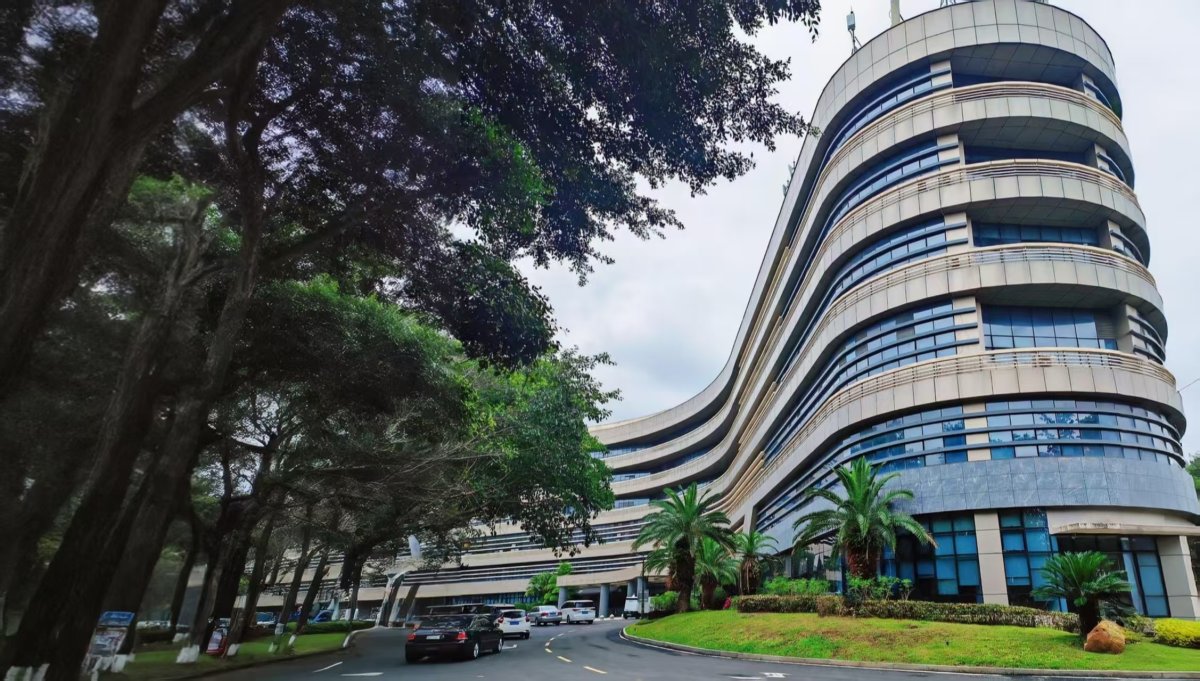
Boao International Medical Center
China, Qionghai


Revisado médicamente por
Fahad Mawlood
El costo del tratamiento de la estenosis espinal en China generalmente depende de la complejidad quirúrgica y del centro elegido. Las intervenciones primarias como la laminectomía lumbar y la cirugía de estabilización de un solo nivel oscilan entre $9,500 y $15,500, mientras que la laminectomía cervical y la cirugía de estabilización de un solo nivel van desde $9,500 hasta $18,000. Los gastos totales varían según el nivel del hospital y la técnica utilizada. Los pacientes pueden ahorrar entre un 40% y un 60% en comparación con los precios de EE. UU. Pekín y Shenzhen son las principales ciudades para recibir atención médica.
Costos típicos del tratamiento de la estenosis espinal en China
Perspectiva de los expertos de Bookimed: Los pacientes que buscan una recuperación integral deben considerar las instalaciones de Clase A de nivel III para recibir atención multidisciplinaria. El Hospital Internacional Yanda (Pekín) cuenta con la acreditación de la Joint Commission International (JCI) y atiende a 2,5 millones de pacientes al año. Su enfoque combina tecnologías espinales modernas con departamentos de rehabilitación especializados. Esta es la mejor opción para pacientes que requieren una recuperación a largo plazo y un manejo complejo del dolor después de una cirugía de descompresión.
| China | España | Turquía | |
|---|---|---|---|
| Laminectomía lumbar y estabilización de un nivel | ≈ $9,500 | de $31,400 | de $4,800 |
| Laminectomía cervical con estabilización de un nivel | ≈ $9,500 | de $28,100 | de $14,000 |
| Descompresión abierta de la línea media de la columna vertebral con reconstrucción de ligamentos | ≈ $7,500 | ≈ $9,500 | ≈ $5,500 |

La profesora Liang Xiaoxiao es Directora del Departamento y Jefa de Servicio de Neurorrehabilitación. Cuenta con una maestría en neurología. Es experta en neuromodulación para trastornos de la conciencia, la cognición y el movimiento. Su labor se centra en casos de enfermedad cerebrovascular, enfermedad de Parkinson y afecciones relacionadas. También realiza inyecciones de toxina botulínica guiadas por ecografía para el blefaroespasmo, el espasmo hemifacial, la espasticidad de las extremidade

 Olena Sikoza
En China, se utiliza un enfoque multimodal para el tratamiento de la estenosis espinal. Este combina protocolos occidentales modernos con la medicina tradicional china (MTC). Los centros médicos acreditados por la JCI realizan inyecciones epidurales. También ofrecen acupuntura especializada. Este procedimiento alivia la presión sobre las raíces nerviosas y utiliza una aguja de punta plana.
Opinión experta de Bookimed: Los principales hospitales chinos atienden a más de 2.500.000 pacientes al año. Integran 28.500 tipos de tecnologías en sus planes de tratamiento. Este alto volumen permite a los médicos ajustar individualmente la intensidad de la acupuntura, adaptando el tratamiento al nivel específico de compresión nerviosa. Tal precisión rara vez se encuentra en los centros de bienestar convencionales.
Comentarios de los pacientes: Los pacientes señalan que combinar remedios herbales con fisioterapia
Los cirujanos chinos recomiendan la intervención quirúrgica para la estenosis espinal si el tratamiento conservador fracasa en un plazo de 3 a 6 meses. Los indicadores clave incluyen la limitación de la marcha a 200 metros y la debilidad progresiva de las piernas. Es necesaria la intervención inmediata en caso de síndrome de la cola de caballo acompañado de disfunción vesical o intestinal.
Opinión de expertos de Bookimed: Si bien los hospitales públicos siguen protocolos conservadores de seis meses, los centros de nivel III Clase A, como el Hospital Internacional Yanda, ofrecen rehabilitación especializada. Esto es crucial, ya que los centros de alto volumen, que realizan 90 000 cirugías al año, suelen combinar la cirugía con protocolos de medicina tradicional china. Este enfoque híbrido ayuda a determinar si el dolor se debe a inflama
Los principales hospitales chinos se especializan en descompresión endoscópica y laminectomía abierta tradicional para la estenosis espinal. Desde 2018, China lidera el mundo en volumen de cirugía endoscópica de columna. Los cirujanos realizan con frecuencia laminectomía, laminotomía y fusión espinal para aliviar la presión sobre los nervios y estabilizar las vértebras.
Opinión de expertos de Bookimed: El Hospital Internacional Yanda de Pekín destaca una tendencia singular entre las principales instituciones médicas chinas. Esta clínica de nivel III, categoría A, combina protocolos quirúrgicos acreditados por la JCI con la rehabilitación tradicional china. Si bien los grandes centros realizan más de 8000 cirugías al año, la integración de métodos de rehabilitación tradicionales suele resultar en restricciones de movilidad po
Los pacientes internacionales eligen China para el tratamiento de la estenosis espinal gracias a sus modelos médicos integrales. Estos modelos combinan la cirugía mínimamente invasiva con protocolos de rehabilitación tradicionales. Instituciones como el Hospital Internacional Yanda, acreditado por la JCI, ofrecen técnicas endoscópicas avanzadas. Este enfoque reduce el traumatismo tisular y acelera la recuperación de la movilidad durante la rehabilitación.
Opinión de un experto de Bookimed: Los datos del Hospital Internacional de Yanda muestran una enorme capacidad de 3000 camas. Esta infraestructura permite a China ofrecer programas de recuperación integrales que duran entre 15 y 21 días. Estas estancias prolongadas son poco comunes en l

