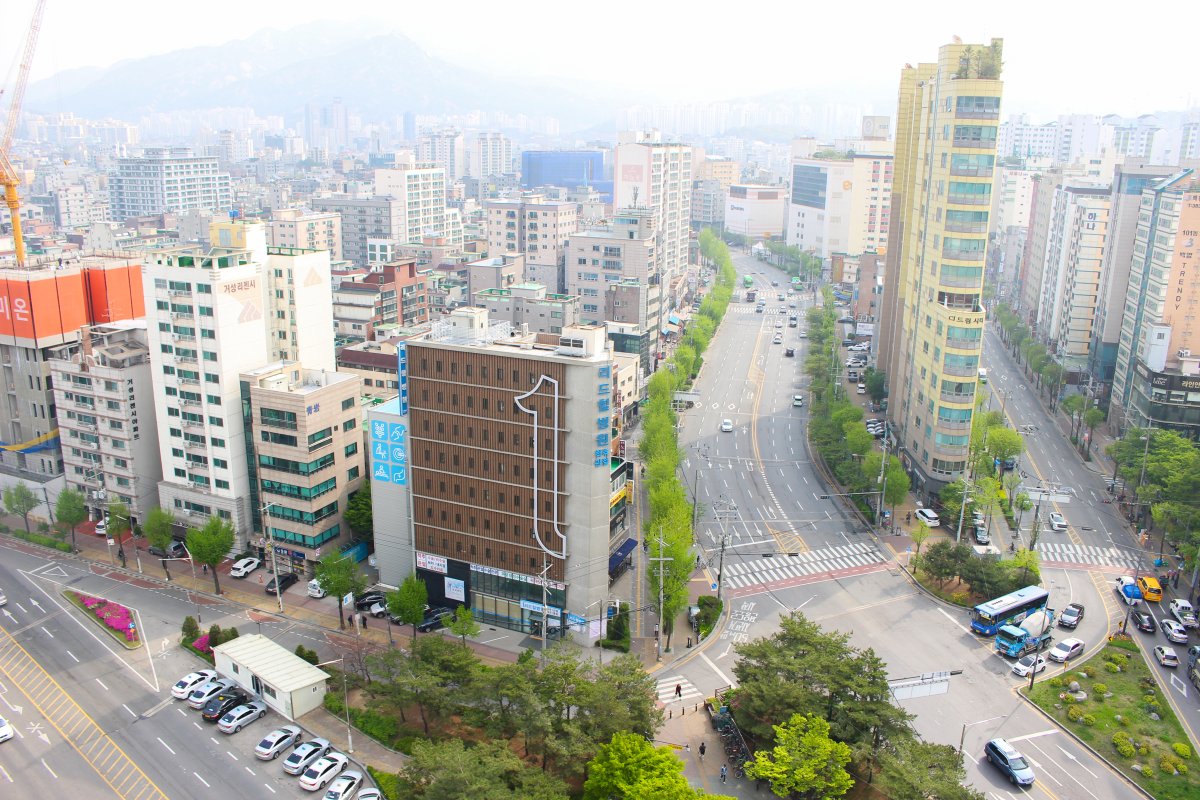
Clínica de columna y articulaciones Leadheal
Corea del Sur, Seúl


Revisado médicamente por
Fahad Mawlood
| Corea del Sur | España | Turquía | |
|---|---|---|---|
| Laminectomía lumbar y estabilización de un nivel | de $15,000 | ≈ $11,500 | de $4,800 |
| Laminectomía cervical con estabilización de un nivel | de $15,000 | de $28,100 | ≈ $7,500 |
| Descompresión abierta de la línea media de la columna vertebral con reconstrucción de ligamentos | ≈ $9,000 | ≈ $9,500 | ≈ $5,500 |
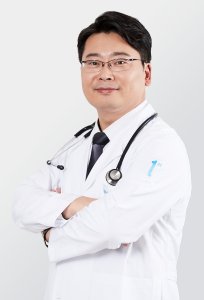
El Dr. Sang Won Hwang es neurocirujano especializado en cirugía de columna. Tiene casi 30 años de experiencia y ha realizado más de 6.000 procedimientos de columna. Domina técnicas mínimamente invasivas y endoscópicas y también realiza artroplastia de disco cervical. Su enfoque busca una recuperación más rápida, menos dolor y mejores resultados.
Atiende casos complejos, incluidos tumores de la columna vertebral y cirugías de revisión. Utiliza un diagnóstico minucioso y planes de tratam
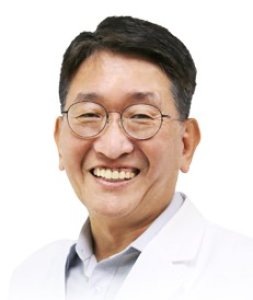
El Dr. Lee Sanggu, MD, PhD, es neurocirujano. Es Director Médico Honorario y Director del Centro de Columna. También es profesor de Neurocirugía en el Gachon University Gil Medical Center.
Su enfoque clínico incluye tumores de la columna, trastornos de la columna, cirugía de columna mínimamente invasiva y trastornos cervicales. Los procedimientos incluyen PEN, PNP, bloqueo nervioso selectivo, discectomía microscópica o endoscópica, reemplazo de disco artificial, fusión espinal mínimame
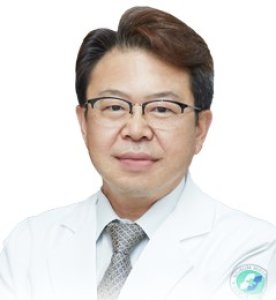
El Dr. Han Yeongmin es neurocirujano (MD, PhD). Es director médico y director del Centro de Neurocirugía del Hospital St. Mary’s de Incheon. Trata enfermedades cerebrovasculares y trastornos de los nervios periféricos. También se especializa en tumores cerebrales y cirugía de base de cráneo. Las afecciones incluyen ictus, hemorragia cerebral, infarto cerebral y enfermedad de Moyamoya. Realiza PEN, PNP y SNB. También ofrece discectomía microscópica y endoscópica, reemplazo de disco artificial,

El Dr. Byung-hee Lee es un radiólogo altamente experimentado con reconocimiento internacional en intervenciones de accidente cerebrovascular y cerebrovasculares.
 Olena Sikoza
Corea del Sur ofrece tratamientos para la estenosis espinal que van desde terapias integrativas no quirúrgicas hasta la descompresión endoscópica avanzada. Los pacientes acceden a cirugías de laminectomía y estabilización mínimamente invasivas en instalaciones acreditadas por la JCI o la KOIHA. Los centros líderes en Seúl utilizan sistemas asistidos por robot y técnicas de preservación del movimiento para garantizar una recuperación funcional rápida.
Perspectiva del experto de Bookimed: Los centros de alto volumen en Seúl brindan una seguridad excepcional debido a la extrema especialización de los médicos. Por ejemplo, el Dr. Sangwon Hwang en el Hospital Leadheal ha realizado más de 6,000 cirugías de columna. Esta profundidad de experiencia en clínicas que atienden a más de 44,000 pacientes anualmente ayuda a
Corea del Sur domina la cirugía de columna a través de centros especializados como el Hospital Nanoori, que cuentan con certificaciones del Ministerio de Salud y Bienestar. Los cirujanos locales fueron pioneros en técnicas endoscópicas biportales. Estos procedimientos permiten tratar la estenosis espinal mediante incisiones de 3 milímetros. Esta precisión garantiza altas tasas de éxito y una rápida recuperación funcional.
Perspectiva del experto de Bookimed: Mientras que muchos países tratan el cuidado de la columna como una subespecialidad ortopédica general, Corea del Sur utiliza un modelo de hospital especializado dedicado. El Hospital Nanoori y el Hospital
La medicina tradicional coreana ayuda a muchos pacientes a retrasar o evitar la cirugía de columna mediante cuidados conservadores integrativos. Los estudios muestran un riesgo de cirugía un 18% menor en pacientes que utilizan estos métodos. Técnicas como la acupuntura y la terapia Chuna restauran el equilibrio musculoesquelético y estimulan los procesos de curación naturales.
Perspectiva del experto de Bookimed: Mientras que la medicina tradicional se dirige a la inflamación, las innovaciones quirúrgicas en Seúl ofrecen un punto medio. El Dr. Sangwon Hwang, del Hospital Leadheal, ha realizado más de 6,000 cirugías. Él enfatiza que el mejor tratamiento es el más personalizado. Los pacientes a menudo pueden elegir una fusión lumbar de un día sin anestesia general. Esto cierra la brecha entre el cuidado herbal tradicional y las grandes operaciones invasivas.
La recuperación después del tratamiento de la estenosis espinal en Corea suele oscilar entre 2 semanas para procedimientos mínimamente invasivos y 1 año para fusiones complejas. La mayoría de los pacientes retoman actividades ligeras en un plazo de 4 a 6 semanas. Los centros especializados en columna vertebral en Seúl utilizan técnicas endoscópicas para reducir el trauma quirúrgico y acelerar la movilización.
Perspectiva del experto de Bookimed: El alto volumen de pacientes en Corea crea una brecha de experiencia única. El Dr. Sangwon Hwang en el Hospital Leadheal ha realizado más de 6,000 cirugías de columna por sí solo. Esta experiencia masiva a menudo conduce a protocolos hospitalarios más eficientes de 4 días. Centros especializados como Nanoori se centran exclusivamente en la salud de la columna para optimizar estas ventanas de recuperación.
Seúl alberga centros de élite para la cirugía de columna mínimamente invasiva (MISS), incluidos hospitales especializados como Nanoori y Leadheal. Grandes instalaciones universitarias como Severance y el Centro Médico Asan también brindan atención espinal avanzada. Estas instituciones utilizan técnicas endoscópicas para tratar la estenosis con una interrupción mínima del tejido.
Perspectiva del experto de Bookimed: Si bien los hospitales universitarios como Severance gestionan mayores volúmenes totales de pacientes, los centros especializados como Nanoori se centran exclusivamente en la salud espinal. Nuestros datos muestran que las clínicas especializadas a menudo agilizan el camino del paciente para los procedimientos MISS. Por ejemplo, médicos de Nanoori como el Dr. Jaehyeon Lim desarrollaron técnicas patentada
Las técnicas espinales coreanas se diferencian por un enfoque extremo en la preservación del tejido y la precisión. Los cirujanos utilizan endoscopia de puerto único que requiere solo una incisión de 7 mm a 8 mm. Este enfoque preserva más del 95% de los músculos de la espalda. Elimina la necesidad de anestesia general o suturas cutáneas en muchos casos.
Perspectiva del experto de Bookimed: La brecha técnica en Corea está impulsada por los enormes volúmenes de procedimientos. El Dr. Sangwon Hwang en el Hospital Leadheal ha realizado más de 6,000 cirugías por sí solo. Esta experiencia permite a las clínicas ofrecer deambulación el mismo día para casos complejos de estenosis. La mayoría de los paquetes internacionales incluso incluyen 4 días de atención hospitalaria especializada para garantizar una movilización segura.
Consenso de los pacientes: Los
Los turistas médicos deben planear una estancia de 14 a 28 días en Corea del Sur para una cirugía de estenosis espinal. Los procedimientos mínimamente invasivos requieren aproximadamente 2 semanas. Las cirugías mayores, como la fusión espinal, requieren hasta 1 mes. Este plazo garantiza una curación segura y un estado estable para los viajes de larga distancia.
Opinión de expertos de Bookimed: El Hospital Leadheal atiende a más de 44.000 pacientes al año y ofrece paquetes con estancias hospitalarias de 4 días. Los centros de alto volumen suelen utilizar enfermería las 24 horas para acelerar la movilización temprana. Reservar un paquete de 25 días garantiza que tenga el margen recomendado para las imágenes de seguimiento antes de su vuelo.
Consenso de los pacientes: Los pacientes enfatizan la importancia de añadir un margen de una semana para manejar la posible irritación nerviosa postoperatoria o la fatiga del viaje. Muchos su