Tratamiento de Estenosis espinal en Israel — obtenga 3 coincidencias personalizadas de clínicas


Revisado médicamente por
Fahad Mawlood
Cómo funciona
¿Cuál es el precio del diagnóstico y los tratamientos de Estenosis espinal en Israel? Descubra ahora
Spinal stenosis treatment cost in Israel typically involves surgical decompression, with primary procedures like lumbar laminectomy and stabilization surgery single level running from $17,000 to $26,000. Total expenses depend on the number of spinal levels affected, the choice between minimally invasive or open techniques, and the clinic type. Patients often find 20-40% savings compared to US private healthcare. Top destinations for this treatment include Tel Aviv, Jerusalem, and Ramat Gan.
Typical Spinal Stenosis Treatment Costs in Israel
- Lumbar laminectomy and stabilization surgery single level: $17,000 – $26,000
- Cervical laminectomy and stabilization surgery single level: $17,000 – $25,000
- Open midline decompression with ligament reconstruction: $14,500 – $19,500
Bookimed Expert Insight: Complex degenerative cases benefit from the multidisciplinary approach at Sourasky Medical Center (Ichilov). Their neurosurgery team maintains a 98% success rate and performs 2,500 operations annually. For patients seeking private, high-speed care, Assuta Medical Center offers JCI-accredited services with diagnostics often completed within three days. Specialists like Dr. Zvi Lidar provide advanced expertise in minimally invasive fusion techniques.
| Israel | España | Turquía | |
|---|---|---|---|
| Laminectomía lumbar y estabilización de un nivel | ≈ $17,000 | ≈ $11,500 | de $4,800 |
| Laminectomía cervical con estabilización de un nivel | ≈ $17,000 | de $28,100 | ≈ $7,500 |
| Descompresión abierta de la línea media de la columna vertebral con reconstrucción de ligamentos | ≈ $14,500 | ≈ $9,500 | ≈ $5,500 |
Descubra las mejores clínicas de tratamiento de Estenosis espinal en Israel: 3 opciones verificadas y Precios









Obtenga una evaluación médica de tratamiento de Estenosis espinal en Israel: haga una consulta con 6 médicos experimentados ahora
Ver todos los médicos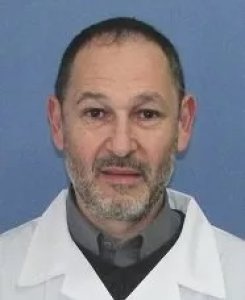
Zvi Cohen
El Prof. Zvi Cohen es director del Departamento de Neurocirugía y de la Unidad de Neurooncología del Centro Médico Sheba. Neurocirujano y experto en neurooncología, fue incluido en la lista de los Mejores Médicos 2025 de Forbes Israel. Lidera investigación clínica sobre terapias farmacológicas para tumores cerebrales malignos y fundó el banco de tejidos de tumores cerebrales de Sheba.
Es especialista certificado en neurocirugía. Se formó en la Universidad de Tel Aviv y realizó subespec

Zvi Lidar
El Dr. Zvi Lidar se especializa en cirugías mínimamente invasivas de columna, habiendo realizado miles de ellas. Trabaja en el Centro Médico Sourasky, uno de los hospitales más destacados de Israel.
- Graduado de la Universidad de Tel Aviv y formado en EE. UU. y Japón
- Autor de más de 30 artículos científicos sobre cirugía de columna
- Miembro de la American Association of Neurological Surgeons y de la Israel Spine Society
- Certificado por la junta médica en Israel y EE. UU.

Professor Shimon Rochkind
47 años pionero en el cuidado de nervios y columna vertebral – el profesor Rochkind lidera en técnicas mínimamente invasivas en el Sourasky Medical Center.
- Especializado en microcirugía de nervios periféricos y tratamiento de estenosis espinal
- Formado en los mejores hospitales de Canadá, Alemania y Sudáfrica
- Dirige la Sociedad Israelí de Neurotecnologías Láser
- Utiliza tecnologías avanzadas de láser y bioingeniería

Felix Bokstein
El Prof. Bokstein dirige la Clínica de Neurooncología en el prestigioso Hospital Ichilov.
- Más de _doctor_997_años_ de experiencia en neurocirugía
- Se centra en el tratamiento de tumores espinales y cirugía de columna mínimamente invasiva
- Profesor en la facultad de medicina de la Universidad de Tel Aviv
- Posee un doctorado (Ph.D.) en neurocirugía
Compartir contenido
Historias en video de pacientes de Bookimed
 Olena Sikoza
Preguntas frecuentes sobre el tratamiento de Estenosis espinal en Israel
¿Cuáles son las principales opciones de tratamiento no quirúrgico para la estenosis espinal en Israel?
Los tratamientos no quirúrgicos para la estenosis espinal en Israel se centran en la fisioterapia avanzada y la intervención dirigida contra el dolor. Los especialistas priorizan el manejo conservador para evitar la cirugía en el 80% de los pacientes. Los protocolos incluyen ejercicios del método McKenzie e inyecciones epidurales de esteroides en centros acreditados por la JCI, como el Centro Médico Sourasky de Tel Aviv.
- Fisioterapia: Los métodos intensivos de McKenzie y los protocolos de fortalecimiento del núcleo ayudan a estabilizar la columna.
- Intervenciones para el dolor: Las inyecciones epidurales de esteroides reducen la inflamación alrededor de las raíces nerviosas durante 3 a 6 meses.
- Protocolos de medicación: Los médicos prescriben antiinflamatorios no esteroideos (AINE) y condroprotectores para el soporte del cartílago.
- Tecnología láser: Se utilizan terapias láser avanzadas y electroterapia para relajar el tejido muscular profundo.
Perspectiva del experto de Bookimed: Especialistas israelíes como el profesor Zvi Lidar a menudo integran la investigación biomecánica en los planes conservadores. Los datos de los principales centros muestran que los resultados no quirúrgicos más exitosos combinan la fisioterapia clínica con ajustes ergonómicos. Los pacientes del Centro Médico Sourasky se benefician de este enfoque multidisciplina
¿Cuándo se recomienda la cirugía para la estenosis espinal en Israel?
La cirugía de estenosis espinal en Israel se recomienda cuando los tratamientos no quirúrgicos no logran controlar el dolor intenso después de 3 a 7 meses. Los cirujanos priorizan la intervención para pacientes que muestran déficits neurológicos progresivos, como debilidad muscular o pie caído. Se requiere cirugía inmediata para síntomas de emergencia como la pérdida del control de la vejiga.
- Limitación funcional: Se aconseja la cirugía cuando la distancia de caminata disminuye significativamente debido al dolor en las piernas.
- Deterioro neurológico: Los procedimientos son necesarios ante el empeoramiento del entumecimiento o la pérdida de la función motora.
- Fallo del tratamiento: La intervención sigue a una fisioterapia o inyecciones epidurales fallidas durante varios meses.
- Confirmación por imagen: Los cirujanos suelen requerir evidencia de resonancia magnética que muestre un estrechamiento del canal espinal superior al 50 %.
Perspectiva del experto de Bookimed: Los neurocirujanos israelíes como el Dr. Zvi Lidar en el Centro Médico Sourasky a menudo utilizan enfoques en miniatura especializados para la descompresión. Si bien muchos sistemas tienen largas listas de espera, las instalaciones privadas como el Centro Médico Assuta realizan más de 92,000 operaciones anuales con tiempos de espera significativamente más cortos. Este alto vol
¿Qué técnicas quirúrgicas se utilizan en Israel?
Los cirujanos israelíes utilizan técnicas avanzadas mínimamente invasivas y asistidas por robot para la estenosis espinal. Procedimientos como la adición Mazor X Stealth y la microdiscectomía lumbar priorizan la precisión y las incisiones más pequeñas. Estos métodos reducen los tiempos de recuperación y el trauma físico para los pacientes tratados en centros acreditados por la JCI en Tel Aviv y Jerusalén.
- Cirugía asistida por robot: El sistema Mazor X proporciona una precisión de 1,5 milímetros para la colocación de implantes espinales complejos.
- Microdiscectomía: Los neurocirujanos utilizan microscopios especializados para extirpar el tejido herniado a través de incisiones de 1 pulgada.
- Descompresión sola: Los cirujanos a menudo priorizan aliviar la presión nerviosa sobre la cirugía invasiva de fusión espinal.
- Técnicas endoscópicas: Las herramientas especializadas permiten la eliminación de hueso y ligamentos con una interrupción muscular mínima.
Perspectiva del experto de Bookimed: Mientras que muchos países avanzan rápidamente hacia la fusión espinal, especialistas israelíes líderes como el Dr. Zvi Lidar en el Centro Médico Sourasky enfatizan la descompresión que preserva el movimiento. Los datos de las mejores clínicas muestran que departamentos espinales complejos como Assuta realizan 92.000 operaciones al año. Este alto volumen pe
¿Qué hospitales son más conocidos por la cirugía de columna en Israel?
Israel alberga centros acreditados por la JCI como el Sourasky Medical Center y el Hadassah Medical Center. Estas instalaciones utilizan cirugía robótica e imágenes digitales para la estenosis espinal. Neurocirujanos líderes, incluido el Dr. Zvi Lidar, se especializan en técnicas mínimamente invasivas. Tratan a más de 1.000.000 de pacientes al año con gran éxito.
- Neurocirujanos expertos: El Dr. Zvi Lidar dirige la cirugía de columna en el Sourasky Medical Center.
- Tecnología avanzada: El Hadassah Medical Center integra IA y robótica en las intervenciones espinales.
- Alto volumen: El Assuta Medical Center realiza aproximadamente 92.000 operaciones quirúrgicas cada año.
- Excelencia académica: Los equipos clínicos de Sourasky han publicado más de 50 trabajos de investigación.
Perspectiva del experto de Bookimed: Aunque muchos se centran en el tamaño de la clínica, nuestros datos muestran una brecha de especialización. El Sourasky Medical Center emplea a más de 2.200 médicos y mantiene 240 departamentos especializados. Esta escala permite que cirujanos como el Prof. Shimon Rochkind se centren exclusivamente en la microcirugía y las tecnologías láser. Los pacientes se benefician de esta experiencia específica, que es rara en instalaciones privadas más pequeñas.
Consenso de los pacientes: Los pacientes a menudo elogian la
¿Qué tasas de éxito y resultados pueden esperar los pacientes?
Las tasas de éxito para el tratamiento de la estenosis espinal en Israel son altas. Los pacientes suelen experimentar una mejora del 60% al 80% en el dolor y el entumecimiento de las piernas en un plazo de 6 meses. Centros israelíes como el Centro Médico Sourasky reportan una tasa de éxito del 90% en procedimientos neuroquirúrgicos mediante técnicas mínimamente invasivas.
- Recuperación funcional: La tolerancia al caminar a menudo mejora a más de 20 minutos sin descansos.
- Seguridad neurológica: Las tecnologías avanzadas de láser y bioingeniería minimizan los riesgos durante cirugías complejas.
- Supervisión experta: Especialistas como el profesor Shimon Rochkind cuentan con más de 35 años de experiencia.
- Volumen clínico: Centros de primer nivel como Assuta realizan más de 92,000 operaciones quirúrgicas al año.
Perspectiva del experto de Bookimed: Los neurocirujanos israelíes a menudo poseen certificaciones duales de EE. UU. e Israel. El profesor Zvi Lidar en el Centro Médico Sourasky es un excelente ejemplo. Esta formación internacional explica por qué estas clínicas lideran en microcirugía de columna. Los pacientes deben priorizar a médicos con más de 50 publicaciones científicas. Esta profundidad académica a menudo se correlaciona con una mayor competencia en microcirugías láser emergentes.
Consenso de los pacientes:
¿Por qué Israel es uno de los principales destinos para la neurocirugía?
Israel es un centro líder en neurocirugía gracias a su combinación de avances médicos de alta tecnología y una experiencia quirúrgica de primer nivel. Instalaciones avanzadas como el Centro Médico Sheba utilizan sistemas de navegación basados en IA y resonancia magnética intraoperatoria en tiempo real. Centros especializados reportan una tasa de éxito del 98% en procedimientos complejos, como la craneotomía con el paciente despierto y el tratamiento de trastornos del movimiento.
- Tecnología avanzada: Las clínicas utilizan ultrasonido enfocado guiado por resonancia magnética (MRgFUS) y sistemas robóticos para realizar incisiones.
- Experiencia quirúrgica: Cirujanos como el Dr. Zvi Ram lideran asociaciones internacionales con más de 25 años de experiencia.
- Acceso rápido: Los pacientes internacionales generalmente pueden programar cirugías complejas de cerebro o columna en un plazo de 2 a 4 semanas.
- Atención médica acreditada: Grandes centros como Sourasky (Ichilov) y Assuta están acreditados por la JCI, lo que confirma su seguridad.
Opinión experta de Bookimed: Los datos muestran una clara diferencia entre las opciones de tratamiento públicas y privadas en Israel. Centros privados, como el Centro Médico Assuta, realizan más de 92.000 cirugías al año y permiten a los pacientes elegir a un cirujano líder específico. Esto supone una ventaja signi
¿Qué tipos de enfermedades neuroquirúrgicas se tratan en Israel?
Los neurocirujanos israelíes tratan una amplia gama de afecciones, desde tumores cerebrales y de médula espinal hasta trastornos funcionales complejos. Los centros especializados utilizan tecnologías de vanguardia, como el bisturí de rayos gamma, la estimulación cerebral profunda y la resonancia magnética intraoperatoria, para un diagnóstico altamente preciso de la epilepsia, la enfermedad de Parkinson y las patologías cerebrovasculares.
- Enfermedades oncológicas: tratamiento de gliomas, meningiomas y tumores hipofisarios mediante resección de la base del cráneo.
- Trastornos funcionales: tratamiento de la enfermedad de Parkinson y del temblor esencial mediante estimulación cerebral profunda.
- Patologías de columna: corrección de escoliosis, hernias discales y tumores espinales mediante sistemas robóticos.
- Tratamiento de las enfermedades cerebrovasculares: tratamiento quirúrgico de aneurismas cerebrales y malformaciones arteriovenosas mediante intervenciones endovasculares.
- Neurocirugía pediátrica: atención especializada en hidrocefalia y anomalías congénitas en centros pediátricos especializados.
Opinión experta de Bookimed: Los hospitales israelíes suelen combinar diversas especialidades para abordar casos complejos. En el Centro Médico Sourasky, neurocirujanos como el Dr. Zvi Lidar combinan neurocirugía y ortopedi
¿Qué hospitales en Israel son más conocidos por sus departamentos de neurocirugía?
Israel alberga centros neuroquirúrgicos de renombre mundial, como el Centro Médico Sourasky, el Centro Médico Sheba y el Centro Médico Hadassah. Estas instituciones son líderes mundiales en el tratamiento de tumores cerebrales complejos, enfermedades de la columna vertebral y trastornos del movimiento. Utilizan tecnologías de vanguardia como el bisturí de rayos gamma, sistemas robóticos y resonancia magnética intraoperatoria.
- Suraski (Ichilov): realiza más de 2.500 operaciones neuroquirúrgicas al año en Tel Aviv con una tasa de éxito del 98%.
- Centro Médico Sheba: clasificado entre los diez mejores hospitales del mundo, trata a 1,9 millones de pacientes al año.
- Centro Médico Hadassah: Nominado al Premio Nobel de la Paz. Líder en neurocirugía pediátrica y terapia génica.
- Centro Médico Assuta: el centro médico privado más grande de Israel. Especializado en cirugías mínimamente invasivas de columna y cerebro.
- Hospital Infantil Schneider: un centro líder en neurocirugía pediátrica que trata a 275.000 niños al año.
Opinión experta de Bookimed: Nuestros datos muestran que, si bien la mayoría de los pacientes buscan tratamiento en Tel Aviv, el Centro Médico Rambam en Haifa ofrece una atención única para neurotraumatismos. Cuenta con una unidad especializada en cuidados neurocríticos que atiende a aproximadamente un milló
¿Quiénes son los principales neurocirujanos en Israel?
Entre los neurocirujanos israelíes más destacados se encuentran los profesores Zvi Ram, Shlomi Constantini e Itzhak Fried, del Centro Médico Sourasky. Estos especialistas ocupan puestos de liderazgo en la Asociación Europea de Sociedades de Neurocirugía (EANS) y la Sociedad Mundial de Neurocirugía Estereotáctica y Funcional (WSSFN). Utilizan técnicas avanzadas de mapeo intraoperatorio y sistemas robóticos.
- Profesor Zvi Ram: experto en cirugía mínimamente invasiva de tumores cerebrales y terapia genética para el cáncer.
- Profesor Shlomi Constantini: Se especializa en procedimientos neuroendoscópicos pediátricos complejos y microcirugía para tumores cerebrales.
- Profesor Itzhak Fried: una autoridad en cirugía de epilepsia, mapeo cerebral funcional y estimulación cerebral profunda.
- Dr. Eli Ashkenazi: Cirujano ortopédico líder en el Hospital Assuta, especializado en el innovador sistema TOPS.
Opinión de los expertos de Bookimed: Los datos de Sourasky y Sheba indican una fuerte correlación entre un alto volumen quirúrgico y la seguridad del paciente. Por ejemplo, Sourasky realiza más de 34.000 cirugías oncológicas al año con una tasa de éxito del 90 %. Los pacientes que requieren la extirpación de un tumor complejo deberían priorizar centros como estos, donde los cirujanos realizan cientos de procedimientos especializados al año.
¿Cuáles son los requisitos para los pacientes internacionales entrantes que buscan atención neuroquirúrgica?
Los pacientes extranjeros que requieran tratamiento neuroquirúrgico en Israel deben presentar documentación médica completa, incluyendo resultados recientes de resonancia magnética o tomografía computarizada, traducidos al inglés. La hospitalización requiere un examen clínico por especialistas para confirmar la idoneidad del tratamiento. Los hospitales suelen exigir el pago completo por adelantado o un depósito considerable antes de confirmar las fechas de la cirugía o emitir la visa.
- Historiales médicos: proporcionar informes detallados y resultados de imágenes traducidos al inglés dentro de las 48 horas para su revisión clínica.
- Comprobante financiero: Proporcione comprobante de fondos por un monto aproximado de _precio_desde_ a _precio_hasta_ para el tratamiento.
- Asistencia para visas: Clínicas como Sourasky Medical Center (Ichilov) emiten cartas oficiales para obtener una visa médica B-2.
- Fase de consulta: La evaluación inicial a menudo se realiza a través de una consulta en línea con cirujanos como el Dr. Strauss Ido.
Opinión experta de Bookimed: Los datos muestran que las principales instituciones médicas israelíes, como el Centro Médico Sheba y el Centro Médico Hadassah, atienden a un gran número de pacientes, superando el millón al año. Esta alta demanda implica que las clínicas priorizan los casos complejos o poco frecuentes sobr