Puente dental de zirconio en España: clínicas verificadas y sus precios


Revisado médicamente por
Fahad Mawlood
¿Cuál es el precio de Puente dental de zirconio en España? Descubra ahora
El coste de un puente dental de zirconio en España suele oscilar entre $1,800 y $3,200. Los precios varían según el número de unidades (dientes reemplazados), la clínica dental y la experiencia del dentista. En Estados Unidos, el coste medio es de $4,600 (según la ADA). Esto significa que un puente dental de zirconio en España puede ser hasta un 46% más barato que en EE. UU.
Las clínicas españolas suelen incluir la consulta, escaneos digitales o impresiones, puente provisional, materiales de zirconio de alta calidad, ajuste final y una revisión de seguimiento. En EE. UU., el precio suele cubrir solo el puente, con cargos adicionales por diagnóstico, anestesia y cuidados posteriores. Siempre confirmar qué está incluido con la clínica elegida.
| España | Estados Unidos | México | |
|---|---|---|---|
| Puente dental de zirconio | ≈ $1,800 | ≈ $3,200 | de $1,500 |
Sus beneficios y garantías con Bookimed
Precios directos
Bookimed no añade cargos adicionales a los precios de Puente dental de zirconio. Las tarifas proceden de las listas de precios oficiales de las clínicas. Pagará directamente en la clínica por su Puente dental de zirconio a su llegada al país.
Sólo clínicas y médicos verificados
Bookimed está comprometido con su seguridad. Solo trabajamos con las clínicas que mantienen altos estándares internacionales en Puente dental de zirconio y tienen las licencias necesarias para atender a pacientes internacionales en todo el mundo.
Asistencia 24/7 gratuita
Bookimed ofrece asistencia experta gratuita. Un coordinador médico personal le apoya antes, durante y después del tratamiento, resolviendo cualquier problema. Nunca estará solo en su viaje médico de Puente dental de zirconio.

Su coordinador médico personal de Bookimed
- Le apoya en cada etapa
- Ayuda a elegir la clínica y el médico adecuados
- Asegura un acceso rápido y conveniente a la información
Descubra las mejores clínicas de Puente dental de zirconio en España: 2 opciones verificadas y Precios



Descripción general de Puente dental de zirconio en España
- Instalación de puentes dentales - de $490Esta terapia reemplaza los dientes perdidos, involucrando el anclaje de un diente artificial a los naturales adyacentes, mejorando la sonrisa y la capacidad de masticación.
- Instalación del puente de Maryland - de $560El procedimiento consiste en asegurar un diente postizo usando alas pegadas a los dientes adyacentes, mejorando la estética de la sonrisa.
- Puente dental para muelas - de $1,300Esta terapia reemplaza los dientes posteriores faltantes, utilizando coronas en los dientes adyacentes como soporte, mejorando la capacidad de masticación.
- Puente dental metálico - de $1,300Esta terapia reemplaza los dientes perdidos utilizando una estructura de metal fuerte, que ofrece robustez, durabilidad y un aspecto natural.
- Puente dental de porcelana - de $940La operación crea un diente artificial de aspecto natural para reemplazar los que faltan, utilizando un material duradero pero cosmético.
- Puente dental de zirconio - de $1,800Esta terapia reemplaza los dientes perdidos utilizando cerámicas fuertes del color de los dientes, lo que brinda un aspecto natural con una función de masticación mejorada.
- Puente dental voladizo (cantiléver) - de $1,900Esta terapia reemplaza los dientes perdidos usando dientes de anclaje y un diente protésico, brindando firmeza y un aspecto natural.
- Puente unido con resina - de $750Esta terapia reemplaza un diente perdido, utilizando un diente postizo conectado por resina a los dientes vecinos, dejándolos intactos.
Día 1
- Llegada al país.
- Traslado desde el aeropuerto a un hotel de 3*.
- Descansar y aclimatarse al nuevo entorno.
Dia 2
- Traslado del hotel a la clínica.
- Consulta con un especialista dental.
- Someterse a las pruebas médicas necesarias.
Día 3
- Preparación para el procedimiento de puente dental de Zirconia.
- Se administra anestesia local.
- Comienza el procesamiento del puente dental de Zirconia.
Día 4
- El procedimiento continúa, con una duración aproximada de 2-3 horas en total.
- Cuidados postoperatorios en la clínica.
Dia 5
- Permanezca en la clínica para observación.
- Traslado de la clínica al hotel.
Semana 1
- Revisiones periódicas en la clínica.
- Adaptación al nuevo puente dental.
Semana 2
- Revisión final en la clínica.
- Regreso al trabajo y otras actividades de bajo impacto.
Semana 3-4
- Regreso paulatino al deporte y otras actividades de alto impacto.
- Observación del resultado final.
Tenga en cuenta que esta es una guía general y que cada caso individual puede variar.
- Depósito de Bookimed: 200 $ o 200 €.
- Depósito de la clínica: Pague un porcentaje fijo por adelantado.
Obtenga una evaluación médica para Puente dental de zirconio en España: Elija su especialista entre los mejores en el campo
Ver todos los médicos
Dr Alaa Ghuzlan
La Dra. Alaa Ghuzlan es odontóloga con más de 10 años de experiencia. Ha tratado a miles de pacientes en varios países. Cuenta con una especialización en implantología dental de la Universidad de Barcelona. Continúa formándose para ofrecer tratamientos actualizados.
Su consulta utiliza radiología 2D y 3D y un escáner intraoral 3D. Estas herramientas mejoran la experiencia del paciente y agilizan los flujos de trabajo. También permiten ofrecer una atención más rápida.
Historias en video de pacientes de Bookimed
Reseñas
Todas las reseñasCompartir contenido
 Olena Sikoza
Datos сlave sobre Puente dental de zirconio

Puente Dental de Zirconia
Es una prótesis dental hecha de zirconia utilizada para reemplazar dientes faltantes.
Preguntas frecuentes sobre Puente dental de zirconio en España
¿Cuánto tiempo lleva el proceso para obtener un puente de circonio en España?
Obtener un puente de circonio en España suele llevar de 5 a 10 días para casos estándar en dientes naturales. Este cronograma requiere al menos 2 visitas separadas a la clínica para la preparación, el escaneo intraoral 3D y la colocación final. Los puentes complejos soportados por implantes requieren de 3 a 12 meses para la curación.
- Plazo estándar: Espere de 5 a 10 días para la fabricación y ajuste en dientes naturales.
- Proceso soportado por implantes: Requiere de 3 a 6 meses para la curación antes de la colocación final del puente.
- Sesiones clínicas: Los pacientes se someten a al menos 2 visitas para moldes digitales y cementación final.
- Complejidad quirúrgica: Los injertos óseos o elevaciones de seno pueden extender el cronograma total a 1 año.
Opinión de expertos de Bookimed: Aunque muchas clínicas sugieren una ventana de laboratorio de 28 días, especialistas españoles como el Dr. Alaa Ghuzlan en Clinica Dental Raices utilizan odontología digital 3D para acelerar esto. El uso de escáneres intraorales elimina los moldes manuales y puede reducir significativamente el tiempo de fabricación del puente. Si viaja a ciudades como Tenerife o Madrid, busque clínicas con certificaciones JCI o ISO 9001 para garantizar resultados CAD/CAM de alta velocidad y precisión.
Consenso de los pacientes: Los pacientes enfatizan qu
¿Por qué elegir un puente de circonio sobre otros materiales?
Los puentes de circonio son preferidos por su excepcional resistencia a la fractura, translucidez realista y biocompatibilidad no metálica. A diferencia de la porcelana sobre metal, el circonio monolítico elimina las sombras oscuras en la línea de las encías. Proporciona una solución restauradora hipoalergénica y resistente a las manchas que imita el esmalte dental natural mientras mantiene una alta resistencia a la flexión para la masticación diaria.
- Durabilidad extrema: El circonio resiste mejor las astillas que la porcelana y sobrevive a fuerzas de mordida intensas.
- Estética superior: La translucidez natural evita un aspecto artificial y mantiene el tono sin mancharse.
- Seguridad biológica: La composición libre de metales previene reacciones alérgicas y promueve una integración saludable del tejido gingival.
- Resistencia a la placa: La superficie densa y pulida facilita la limpieza y limita la acumulación bacteriana.
Perspectiva del experto de Bookimed: La precisión es el factor decisivo para la longevidad del circonio. Especialistas como el Dr. Alaa Ghuzlan de Clinica Dental Raices utilizan escáneres intraorales 3D para garantizar un ajuste perfecto. Esta precisión digital evita las fracturas de los conectores que a veces se observan en laboratorios manuales, especialmente en puentes posteriores de alta tensión.
Consens
¿Duele ponerse un puente de circonio en España?
Ponerse un puente de circonio en España no es doloroso porque los dentistas utilizan anestesia local para adormecer la zona. Aunque la preparación y la colocación son cómodas, los pacientes suelen experimentar una leve molestia o sensibilidad durante 2 a 3 días después del procedimiento.
- Uso de anestesia: La anestesia local bloquea completamente el dolor durante la preparación de los dientes y el ajuste del puente.
- Molestias postoperatorias: Espere una leve hinchazón o molestia durante aproximadamente 2 a 3 días.
- Precisión digital: Médicos como el Dr. Alaa Ghuzlan utilizan escáneres 3D para garantizar un ajuste cómodo y preciso.
- Tiempo de recuperación: La mayoría de los pacientes vuelven a comer alimentos blandos solo unos días después de la colocación.
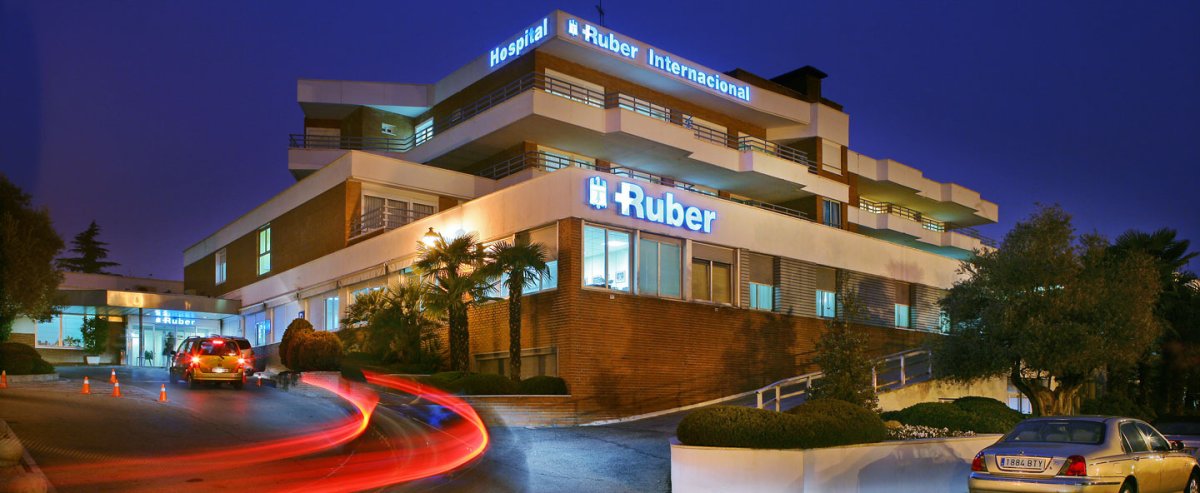
Opinión del experto de Bookimed: Las clínicas dentales españolas destacan por integrar la rapidez diagnóstica con la comodidad. Centros líderes como el Hospital Ruber Internacional utilizan estándares acreditados por la JCI para minimizar los riesgos del procedimiento. Las impresiones digitales en 3D son una gran ventaja aquí. Reemplazan los incómodos moldes físicos, reduciendo su tiempo en el sillón y evitando la fatiga de la mandíbula.
Consenso de los pacientes: Los pacientes informan que el dolor durante el procedimiento es insignificante debido a la anestesia
¿Puede un puente de circonio sufrir caries?
El material de circonio no puede cariarse, pero los dientes naturales que sostienen un puente siguen siendo vulnerables a las caries. La acumulación de placa en los márgenes a menudo causa caries en la estructura dental subyacente. Mantener una excelente higiene bucal es vital para proteger los dientes de anclaje y garantizar la longevidad de la prótesis.
- Ubicación de la caries: Las bacterias suelen atacar el margen donde el puente se encuentra con la línea natural de las encías.
- Factores contribuyentes: Una mala higiene permite que los restos de comida y la placa se acumulen bajo la estructura del puente.
- Desafíos de detección: El circonio de alta densidad a veces puede enmascarar caries en etapa temprana en radiografías dentales estándar.
- Herramientas de prevención: Utilice irrigadores bucales y seda dental para puentes para limpiar el espacio estrecho debajo de las restauraciones.
Perspectiva del experto de Bookimed: Las clínicas españolas como Raices utilizan escáneres intraorales 3D para garantizar un ajuste marginal perfecto. Un sellado preciso minimiza el pequeño espacio donde a menudo se esconden las bacterias. El Dr. Alaa Ghuzlan trata a 1,000 pacientes al año utilizando este enfoque digital para prevenir futuras caries. Invertir en impresiones digitales de alta precisión reduce significativamente el riesgo de fallo del puente
¿Cuánto durará mi puente de circonio?
Los puentes dentales de circonio suelen durar de 15 a 20 años, superando significativamente a las alternativas tradicionales de porcelana sobre metal (PFM). Con una excelente higiene y un seguimiento profesional, los puentes de circonio soportados por implantes en España pueden funcionar eficazmente durante 30 años o incluso toda la vida debido a su excepcional biocompatibilidad y resistencia a la fractura.
- Durabilidad del material: El circonio monolítico resiste mejor el fallo estructural que la cerámica estratificada estándar.
- Salud de la base: La longevidad depende principalmente de prevenir la caries bajo los márgenes del puente mediante el uso de hilo dental.
- Biocompatibilidad: El circonio promueve una respuesta más saludable del tejido gingival en comparación con los materiales de restauración basados en metal.
- Protección mecánica: El uso de férulas nocturnas para el bruxismo evita el desgaste excesivo de los dientes naturales opuestos.
Perspectiva de expertos de Bookimed: Los datos muestran que elegir circonio monolítico en lugar de opciones estratificadas en clínicas como Clinica Dental Raices reduce los riesgos de astillamiento. Aunque el circonio es increíblemente fuerte, su falta de flexibilidad significa que los puentes de gran extensión (4+ unidades) requieren conectores más gruesos. Los pacientes deben verificar que su lab