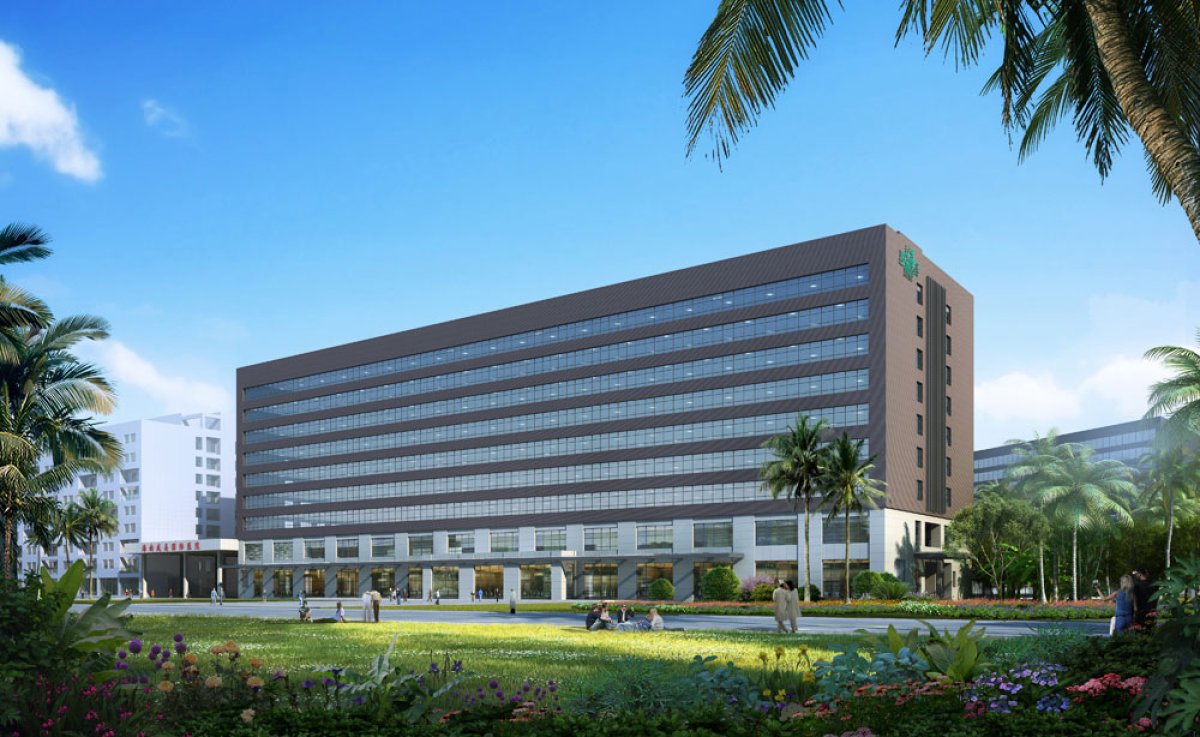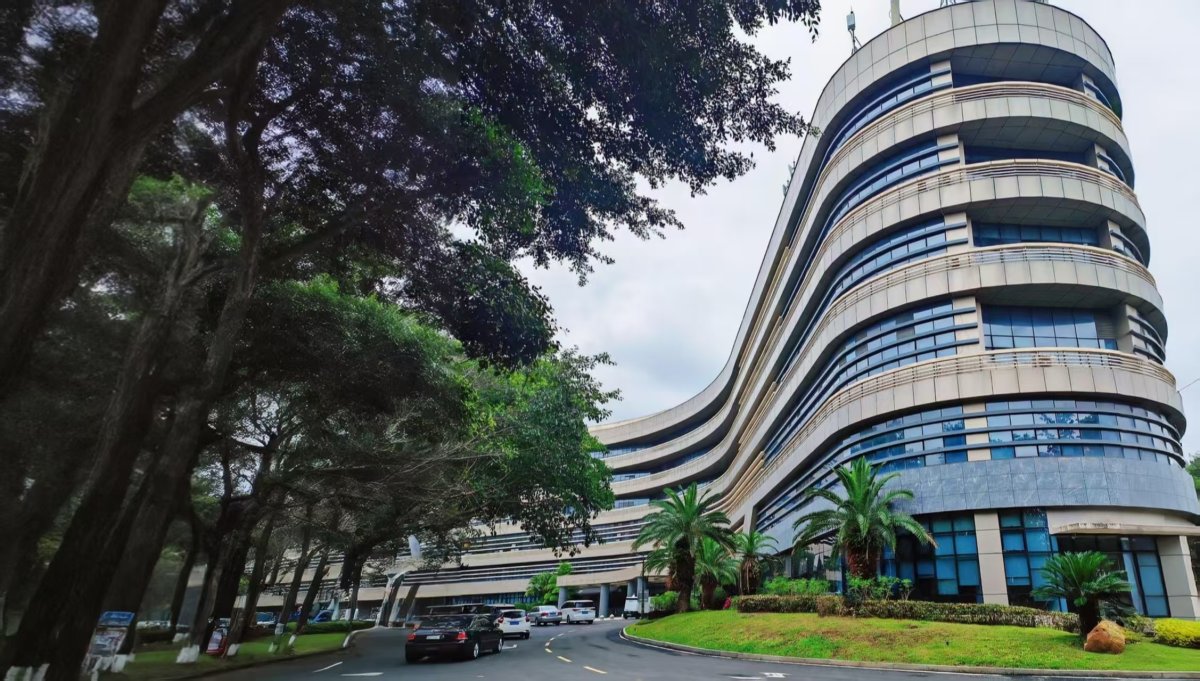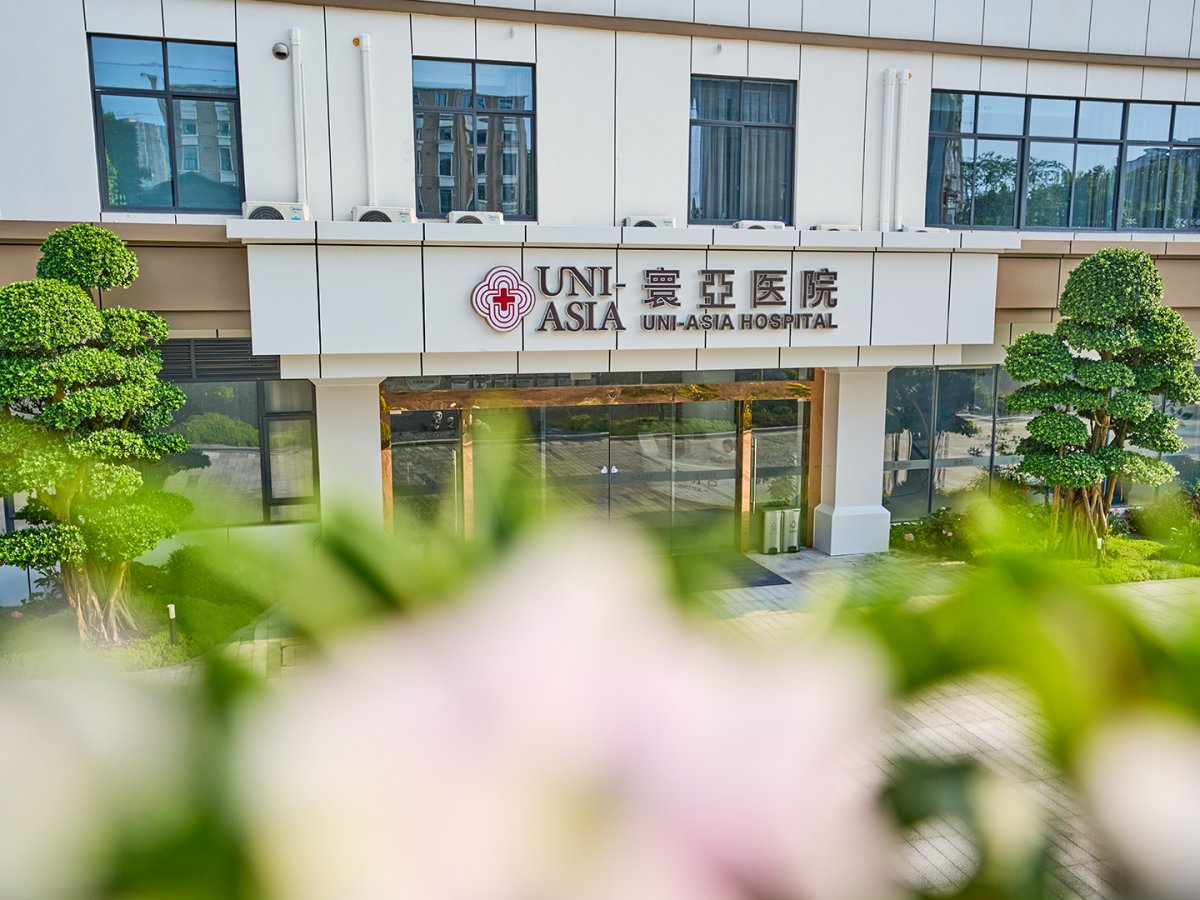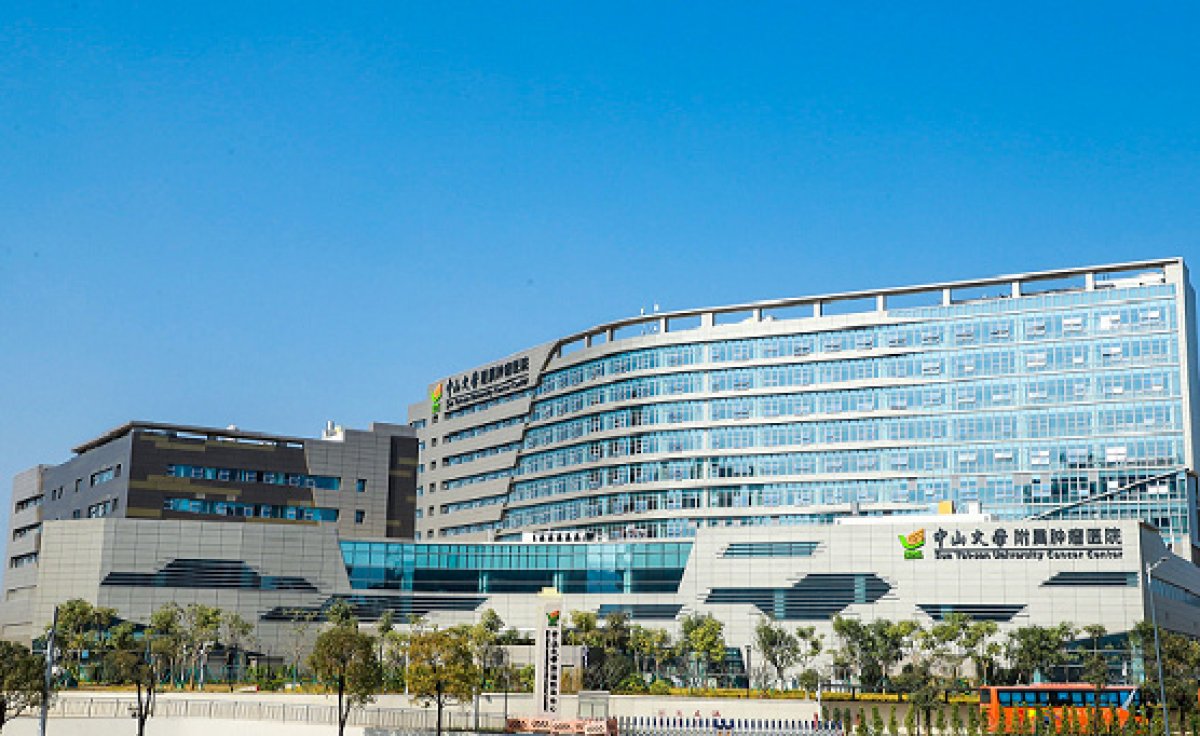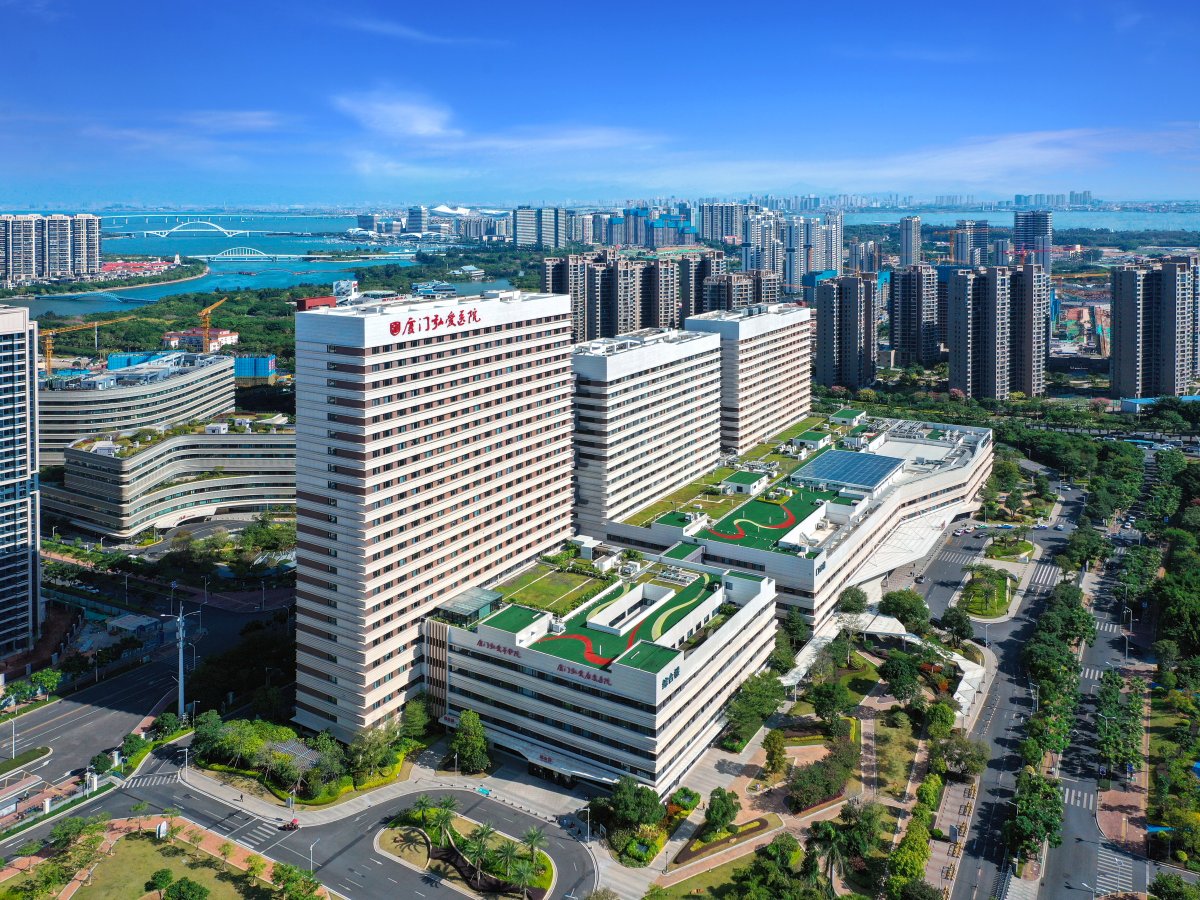
Hospital Xiamen Humanity
China, Xiamen


Revisado médicamente por
Fahad Mawlood
El costo promedio del tratamiento de astrocitoma en China generalmente incluye opciones quirúrgicas como la craneotomía, que oscila entre $9,500 y $19,500. Para una atención no invasiva dirigida, la radiocirugía estereotáctica varía de $7,500 a $12,500. Los gastos totales dependen del grado del tumor, la clasificación del hospital y los ciclos de quimioterapia requeridos. Los pacientes pueden lograr ahorros del 65% al 85% en comparación con los EE. UU. Los principales destinos médicos incluyen Pekín, Shanghái y Cantón.
Costos típicos del tratamiento de astrocitoma en China
Perspectiva de expertos de Bookimed: Para casos complejos de neurooncología, los hospitales terciarios como el Xiamen Humanity Hospital ofrecen una infraestructura avanzada que incluye 47 departamentos especializados. Los pacientes que buscan protocolos de vanguardia pueden beneficiarse de clínicas acreditadas para ensayos clínicos de medicamentos de fase I a IV. Para radioterapia de alta precisión, expertos como el Dr. Liu Shi Xin brindan experiencia especializada en tecnologías VMAT y SBRT. Estos centros de alto volumen atienden a más de 1,000,000 de pacientes al año, equilibrando ensayos clínicos innovadores con atención quirúrgica establecida.
| China | España | Turquía | |
|---|---|---|---|
| Radioterapia para el cáncer colorrectal | ≈ $11,500 | de $7,500 | de $5,000 |
| Radiocirugía estereotáxica | ≈ $7,500 | de $18,100 | de $6,400 |
| Quimioterapia para el cáncer de mama | ≈ $14,800 | de $1,700 | de $3,000 |
| Halcyon | ≈ $9,000 | ≈ $6,500 | ≈ $9,500 |
| Craneotomía | ≈ $9,500 | de $32,400 | de $8,900 |

Médico jefe y profesor. Experto de nivel 1 en el Centro Oncológico del West China Hospital, Sichuan University (clasificado n.º 2 en China). Completó un posdoctorado en radiología intervencionista en el Chinese PLA General Hospital. Dirige equipos multidisciplinarios (MDT) para tumores complejos. Experto en oncología intervencionista mínimamente invasiva para cánceres de hígado, pulmón y páncreas.
Acreditaciones: Miembro del consejo, WATA. Miembro de los comités de CACA y CMDA sobre in

El Dr. He Weibing es pionero de la crioablación con argón‑helio en China, con más de 20 años de práctica en primera línea. Fue miembro fundador del Hospital Oncológico Fuda (Guangzhou). Cofundó su Centro de Tratamiento Tumoral Mínimamente Invasivo y fue subdirector ejecutivo. También ayudó a crear el Grupo de Ablación de la Asociación China contra el Cáncer. Ha sido operador principal en más de 10.000 procedimientos.
Se especializa en crioablación tumoral y domina la braquiterapia con

El profesor Luo Xiaoping es un radiólogo intervencionista reconocido a nivel nacional y una autoridad destacada en el oeste de China. Comenzó a realizar intervenciones vasculares pioneras a principios de la década de 1990. Ayudó a fundar el Grupo de Intervencionismo del Segundo Hospital Afiliado de la Universidad Médica de Chongqing.
Ha realizado más de 100 000 procedimientos intervencionistas, incluidos unos 4 000 casos complejos. Sus competencias clave incluyen TACE para el carcinoma

El profesor Xiao Yueyong es médico jefe del Departamento de Radiodiagnóstico del Hospital General del EPL de China. Es un experto líder en oncología intervencionista mínimamente invasiva. Es el primer presidente de WATA (2025–). Preside la Sociedad Internacional (2020–) y la Sociedad Asiática (2012–) de Crioterapia. También es subjefe del Grupo de Expertos de la NHC sobre regulaciones de ablación tumoral (2009–).
Ha realizado más de 100 000 procedimientos mínimamente invasivos guiados
 Olena Sikoza
Un astrocitoma es un tumor cerebral o de la médula espinal que se desarrolla a partir de células en forma de estrella llamadas astrocitos. La Organización Mundial de la Salud (OMS) los clasifica en cuatro grados. Los tumores de grado 1 y 2 crecen lentamente. Los tumores de grado 3 y 4 son agresivos y se propagan rápidamente por el tejido.
Perspectiva de expertos de Bookimed: Los centros oncológicos chinos como el Hospital Xiamen Humanity gestionan más de 1.000.000 de pacientes al año. Utilizan técnicas avanzadas como SBRT y oncotermia para casos complejos. El gran volumen de pacientes a menudo conduce a una alta competencia en la navegación por regiones cerebrales elocuentes. Confirme si su centro ofrece tecnología IMRT o VMAT. Estos sistemas permiten que la radiación proteja el tejido cerebral sano de manera más ef
Se recomienda encarecidamente buscar una segunda opinión sobre un informe de patología de astrocitoma antes de comenzar el tratamiento. Los expertos enfatizan que la clasificación de los tumores cerebrales es compleja. Una revisión especializada confirma marcadores moleculares como las mutaciones IDH. Esto asegura que reciba el grado correcto para una atención personalizada.
Perspectiva del experto de Bookimed: Los centros chinos de alto volumen como el Hospital Xiamen Humanity atienden a 1.000.000 de pacientes al año. Las grandes instituciones a menudo cuentan con laboratorios acreditados para ensayos de medicamentos de fase I-IV. Esta escala generalmente indica una experiencia más profunda con las pruebas moleculares complejas necesarias para el astrocitoma. Verifique siempre si un centro tiene acreditaciones específi
El Hospital Beijing Tiantan y el Hospital Huashan son los centros principales para la cirugía de astrocitoma en China. Estas instalaciones utilizan resonancia magnética intraoperatoria y resección guiada por fluorescencia para gliomas complejos. Las instituciones líderes mantienen equipos multidisciplinarios especializados en neurooncología y realizan miles de resecciones exitosas de tumores cerebrales anualmente.
Opinión de expertos de Bookimed: El Hospital Xiamen Humanity destaca como un centro terciario que atiende a 1,000,000 de pacientes al año con 460 médicos. Específicamente para pacientes con astrocitoma, la presencia del Dr. Liu Shi Xin es un factor importante. Posee el premio «National Famous Doctor» y se desempeña como vicepresidente de la rama de radiooncología. Su experiencia en radioterapia de
Los hospitales chinos emplean sistemas neuroquirúrgicos avanzados como la robótica Remebot y Tianji para resecciones tumorales de alta precisión. Estas plataformas utilizan navegación impulsada por IA y seguimiento multiespectral para lograr una precisión de 0,1 mm. Instituciones como el Hospital Xiamen Humanity brindan atención neurooncológica integral dentro de instalaciones terciarias que atienden a 1.000.000 de pacientes al año.
Perspectiva del experto de Bookimed: Si bien muchos se centran en la robótica, el verdadero diferenciador en la neurooncología china es la integración de volúmenes masivos de pacientes con la innovación nacional. El Hospital Xiamen Humanity por sí solo gestiona 1.000.000 de pacientes cada año. Este alto volumen permite a c
Los centros de neurooncología chinos ofrecen terapias de radiación especializadas, incluyendo la terapia de protones, la radioterapia con iones de carbono y la terapia de captura de neutrones por boro. Estas instalaciones utilizan tecnologías de precisión como la radioterapia de intensidad modulada (IMRT) y la radiocirugía estereotáctica para destruir las células tumorales mientras preservan el tejido cerebral sano y la función neurocognitiva.
Perspectiva del experto de Bookimed: El liderazgo en la radiooncología china se concentra en especialistas con una influencia académica significativa. El profesor Liu Shi Xin del Hospital Xiamen Humanity se desempeña como vicepresidente del Comité Profesional de Terapia de Partículas. Este vínculo instituc
La temozolomida está ampliamente disponible en China para el tratamiento del astrocitoma de alto grado. El fármaco lleva más de 20 años en el mercado. Los pacientes pueden acceder tanto a la marca importada Temodar como a los genéricos nacionales. Los oncólogos chinos siguen el protocolo estándar global de Stupp para gliomas malignos.
Opinión experta de Bookimed: Aunque la temozolomida es común, la especialización del hospital es importante para el acceso al fármaco. Centros como el Hospital Xiamen Humanity gestionan 1.000.000 de pacientes al año y poseen la infraestructura para ensayos clínicos. Es más probable que los grandes hospitales terciarios tengan un stock constante de versiones importadas y nacionales en comparación con las clínicas más pequeñas.
Consenso de los pacientes: Los pacientes sugieren pedir el nombre genérico en lugar de marcas espec
China integra la Medicina Tradicional China (MTC) como una terapia de apoyo, no primaria, para el astrocitoma. Los equipos médicos la utilizan junto con la cirugía, la radioterapia y la quimioterapia. El enfoque se mantiene en aliviar los efectos secundarios del tratamiento. Este enfoque ayuda a estimular la función inmunológica y la comodidad del paciente durante las fases de recuperación.
Perspectiva del experto de Bookimed: La integración de la MTC está incorporada en la cultura hospitalaria de instituciones importantes como el Xiamen Humanity Hospital. Este centro atiende a 1.000.000 de pacientes al año y realiza ensayos farmacológicos complejos. Oncólogos expertos como el Dr. Liu Shi Xin trabajan en instalaciones que combinan la radiación estándar como VMAT con cuidados de apoyo. Esto indica que los hospitales chinos de gr