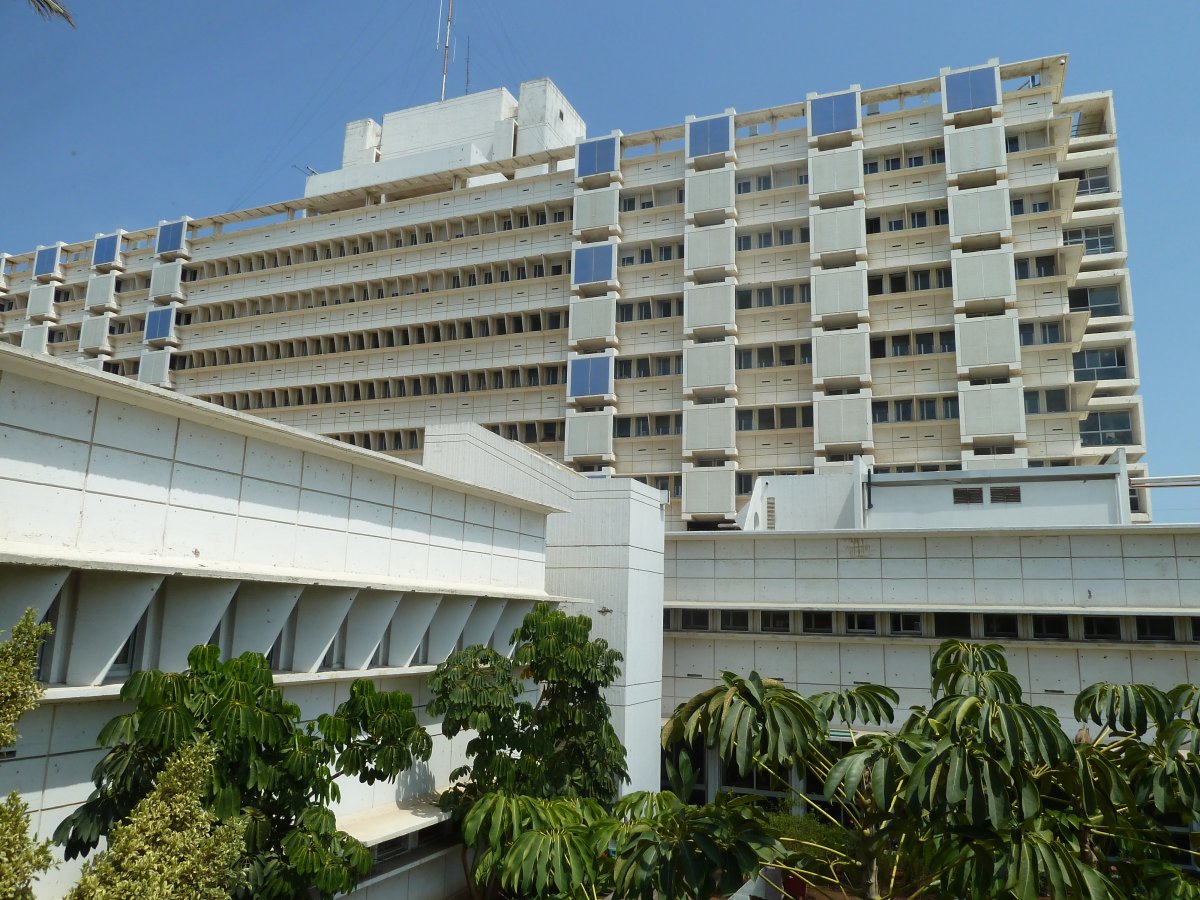
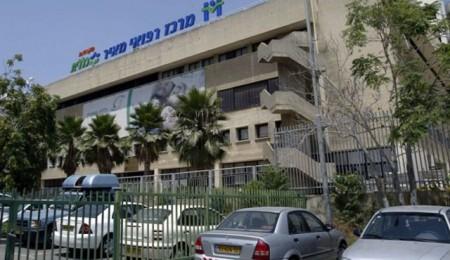
Centro médico Sourasky
Israel, Tel Aviv
Dvora Blumental
30 años de experiencia

Clínica certificada por : 




Revisado médicamente por
Fahad Mawlood
Astrocytoma treatment cost in Israel typically involves a consultation with a neurosurgeon ranging from $350 to $600 and primary therapies like Halcyon, which costs $14,000 to $21,000. Total expenses depend on tumor grade, surgical complexity, and clinic tier. Patients often realize 20-40% savings compared to the United States. Tel Aviv, Jerusalem, and Haifa are the primary hubs for neuro-oncology.
Typical Astrocytoma Treatment Costs in Israel
Bookimed Expert Insight: High-grade astrocytomas require multidisciplinary care found at JCI-accredited centers like Sourasky Medical Center. They report a 98% success rate for neurosurgeries and offer advanced TrueBeam STx technology. Private facilities like Assuta Medical Center are best for rapid diagnostics, typically completed in 1-3 days. Patients seeking specialized pediatric care should prioritize Rambam Medical Center, which pioneered robotic surgery for children in Israel.
| Israel | España | Turquía | |
|---|---|---|---|
| Radioterapia para el cáncer colorrectal | ≈ $14,000 | de $7,500 | de $5,000 |
| Radiocirugía estereotáxica | de $19,000 | de $18,100 | de $6,400 |
| Quimioterapia para el cáncer de mama | ≈ $22,500 | de $1,700 | de $3,000 |
| Halcyon | ≈ $14,000 | ≈ $6,500 | ≈ $9,500 |
| Craneotomía | de $22,000 | de $32,400 | de $8,900 |
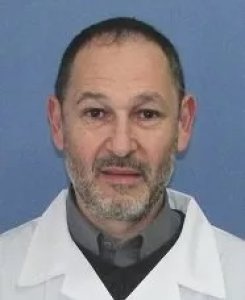
El Prof. Zvi Cohen es director del Departamento de Neurocirugía y de la Unidad de Neurooncología del Centro Médico Sheba. Neurocirujano y experto en neurooncología, fue incluido en la lista de los Mejores Médicos 2025 de Forbes Israel. Lidera investigación clínica sobre terapias farmacológicas para tumores cerebrales malignos y fundó el banco de tejidos de tumores cerebrales de Sheba.
Es especialista certificado en neurocirugía. Se formó en la Universidad de Tel Aviv y realizó subespec
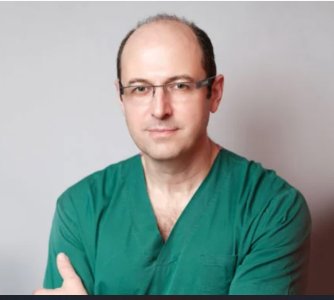
El Dr. Yuri Goldes es cirujano general con más de 20 años de experiencia clínica. Se especializa en cirugía gastrointestinal alta y oncológica. Es subdirector del Departamento de Cirugía General y Trasplante del Centro Médico Sheba en Tel Aviv y dirige la Unidad de Cirugía Gastrointestinal Alta. En 2025 fue incluido en la lista de los Mejores Médicos de Forbes Israel. Está entre los mejores cirujanos gastrointestinales de Israel según Forbes. En 2019 recibió el premio “Médico del Año” del Min
Más de 900 procedimientos realizados – El Dr. Blumental es un neurooncólogo de gran experiencia y director del Servicio de Neurooncología en el Centro Médico Sourasky.

El Dr. Felix Bokstein dirige la Clínica de Neurooncología en Ichilov, uno de los hospitales más grandes y avanzados de Israel, centrado específicamente en tumores cerebrales.
 Olena Sikoza
Los centros de neurooncología israelíes priorizan el tratamiento multimodal para el astrocitoma. Los métodos principales incluyen cirugía de alta precisión, radiocirugía estereotáctica y quimioterapia dirigida. Centros como el Sheba Medical Center utilizan resonancia magnética intraoperatoria y mapeo cerebral para garantizar la máxima resección segura mientras se preserva la función neurológica en tumores cerebrales complejos.
Perspectiva del experto de Bookimed: Los centros de oncología israelíes como Sourasky reportan una tasa de éxito del 90% en tratamientos oncológicos. Este rendimiento a menudo se debe a los altos volúmenes quirúrgicos. Por ejemplo, el Centro Médico Assuta realiza 92,000 operaciones al año. Esta experiencia permite a los cirujanos perfeccionar técnicas como la resección guiada por im
Hospitales israelíes como el Sourasky Medical Center y el Sheba Medical Center lideran la neurooncología con programas especializados en astrocitomas. Estas instalaciones cuentan con acreditación JCI y utilizan resonancia magnética intraoperatoria y mapeo cerebral. Los cirujanos expertos suelen especializarse en resecciones de alta precisión y perfiles moleculares avanzados para una atención personalizada.
Perspectiva del experto de Bookimed: Aunque el prestigio es alto en los centros principales, los pacientes encuentran el máximo valor en los paquetes integrales de craneotomía. Por ejemplo, el Sheba Medical Center ofrece paquetes con todo incluido. Estos cubren 7 días de hospitalización y 10 días de estancia en hotel por aproximadamente 35.000 $. Esta estructura es poco común en instalaciones privad
Los cirujanos israelíes utilizan mapeo e imágenes en tiempo real para lograr la máxima resección segura de los tumores cerebrales. Combinan la craneotomía con paciente despierto con resonancia magnética intraoperatoria para verificar la extirpación del tumor antes de cerrar. Estas técnicas protegen las vías del habla y motoras mientras garantizan la precisión quirúrgica dentro de instalaciones acreditadas por la JCI.
Perspectiva del experto de Bookimed: La neurocirugía israelí destaca porque los mejores especialistas a menudo ocupan cargos de liderazgo internacional. Por ejemplo, el Dr. Zvi Ram en el Centro Médico Sourasky dirigió la Asociación Europea de Sociedades de Neurocirugía. Elegir a un jefe de departamento como el Dr. Zvi Cohen en el Centro Médico Sheba garantiza el acceso a bancos de tejido tumoral paten
Israel ofrece atención pediátrica altamente especializada para el astrocitoma infantil a través de programas dedicados de neurooncología. Los centros acreditados por la JCI, como Sourasky y Sheba, emplean equipos multidisciplinarios de neurocirujanos pediátricos y oncólogos. Estas instalaciones atienden a miles de niños anualmente. Utilizan resección tumoral guiada por imagen avanzada y navegación por resonancia magnética intraoperatoria.
Perspectiva del experto de Bookimed: Los centros pediátricos israelíes muestran un patrón único de especialización de alto volumen que impacta en los resultados. Hadassah y Soroka combinados tratan a más de 30.000 niños anualmente. Este volumen masivo asegura que los equipos sean expertos en mutaciones pediátricas raras. Para el astrocitoma, busque cirujanos como el Dr. Zvi Cohen. Él fundó un banco de tejidos
El tratamiento avanzado del astrocitoma en Israel utiliza tecnologías de alta precisión como la resonancia magnética intraoperatoria y la radiocirugía estereotáctica. Estas herramientas permiten a los cirujanos maximizar la extirpación del tumor mientras protegen las funciones cerebrales vitales. Los centros líderes integran imágenes impulsadas por IA e inmunoterapia personalizada para atacar las células cancerosas sin dañar el tejido sano.
Opinión de expertos de Bookimed: Los centros oncológicos israelíes como Sourasky a menudo reportan altas tasas de éxito porque combinan la neurocirugía con una revisión histopatológica inmediata. Por ejemplo, el Dr. Zvi Cohen en el Centro Médico Sheba utiliza la resección guiada por imágenes para mejorar los resultados en casos complejos. Esta integración de patología y guía qu
Los pacientes pueden obtener una segunda opinión remota de neurooncólogos israelíes a través de programas estructurados de telemedicina. Hospitales líderes como Hadassah, Sheba y Sourasky (Ichilov) ofrecen consultas por video para astrocitoma. Estas revisiones utilizan sus escáneres de resonancia magnética o PET-CT para confirmar diagnósticos y refinar planes de tratamiento sin necesidad de viajar al extranjero.
Perspectiva del experto de Bookimed: Los centros oncológicos israelíes como Sourasky (Ichilov) reportan una tasa de éxito del 90% en tratamientos oncológicos. Este rendimiento a menudo proviene de su integración de la telemedicina en el diagnóstico temprano. Elegir un hospital que atiende a más de 1,000,000 de pacientes al año, como Hadassah, asegura que su segunda opinión provenga de un especialista con gran experiencia clínica.
Consenso de los
Israel alberga especialistas en astrocitoma de renombre mundial que presiden sociedades neuroquirúrgicas internacionales y dirigen centros multidisciplinarios. Expertos como el Dr. Zvi Ram y el Dr. Zvi Cohen se especializan en resecciones complejas utilizando resonancia magnética intraoperatoria y mapeo cerebral. Estas instalaciones acreditadas por la JCI mantienen unidades especializadas en neurooncología para atención farmacéutica y quirúrgica avanzada.
Perspectiva del experto de Bookimed: Los centros oncológicos israelíes como Sourasky reportan una tasa de éxito promedio del 90% en tratamientos tumorales. Aunque muchos buscan cirujanos específicos, los datos muestran que estos especialistas operan dentro de departamentos de alto volumen que tratan a 1,800,000 pacientes anualmente. Elegir una clínica con un banco de tejidos de tumores cerebrales
Israel es un centro líder en neurocirugía gracias a su combinación de avances médicos de alta tecnología y una experiencia quirúrgica de primer nivel. Instalaciones avanzadas como el Centro Médico Sheba utilizan sistemas de navegación basados en IA y resonancia magnética intraoperatoria en tiempo real. Centros especializados reportan una tasa de éxito del 98% en procedimientos complejos, como la craneotomía con el paciente despierto y el tratamiento de trastornos del movimiento.
Opinión experta de Bookimed: Los datos muestran una clara diferencia entre las opciones de tratamiento públicas y privadas en Israel. Centros privados, como el Centro Médico Assuta, realizan más de 92.000 cirugías al año y permiten a los pacientes elegir a un cirujano líder específico. Esto supone una ventaja signi
Los neurocirujanos israelíes tratan una amplia gama de afecciones, desde tumores cerebrales y de médula espinal hasta trastornos funcionales complejos. Los centros especializados utilizan tecnologías de vanguardia, como el bisturí de rayos gamma, la estimulación cerebral profunda y la resonancia magnética intraoperatoria, para un diagnóstico altamente preciso de la epilepsia, la enfermedad de Parkinson y las patologías cerebrovasculares.
Opinión experta de Bookimed: Los hospitales israelíes suelen combinar diversas especialidades para abordar casos complejos. En el Centro Médico Sourasky, neurocirujanos como el Dr. Zvi Lidar combinan neurocirugía y ortopedi
Israel alberga centros neuroquirúrgicos de renombre mundial, como el Centro Médico Sourasky, el Centro Médico Sheba y el Centro Médico Hadassah. Estas instituciones son líderes mundiales en el tratamiento de tumores cerebrales complejos, enfermedades de la columna vertebral y trastornos del movimiento. Utilizan tecnologías de vanguardia como el bisturí de rayos gamma, sistemas robóticos y resonancia magnética intraoperatoria.
Opinión experta de Bookimed: Nuestros datos muestran que, si bien la mayoría de los pacientes buscan tratamiento en Tel Aviv, el Centro Médico Rambam en Haifa ofrece una atención única para neurotraumatismos. Cuenta con una unidad especializada en cuidados neurocríticos que atiende a aproximadamente un milló