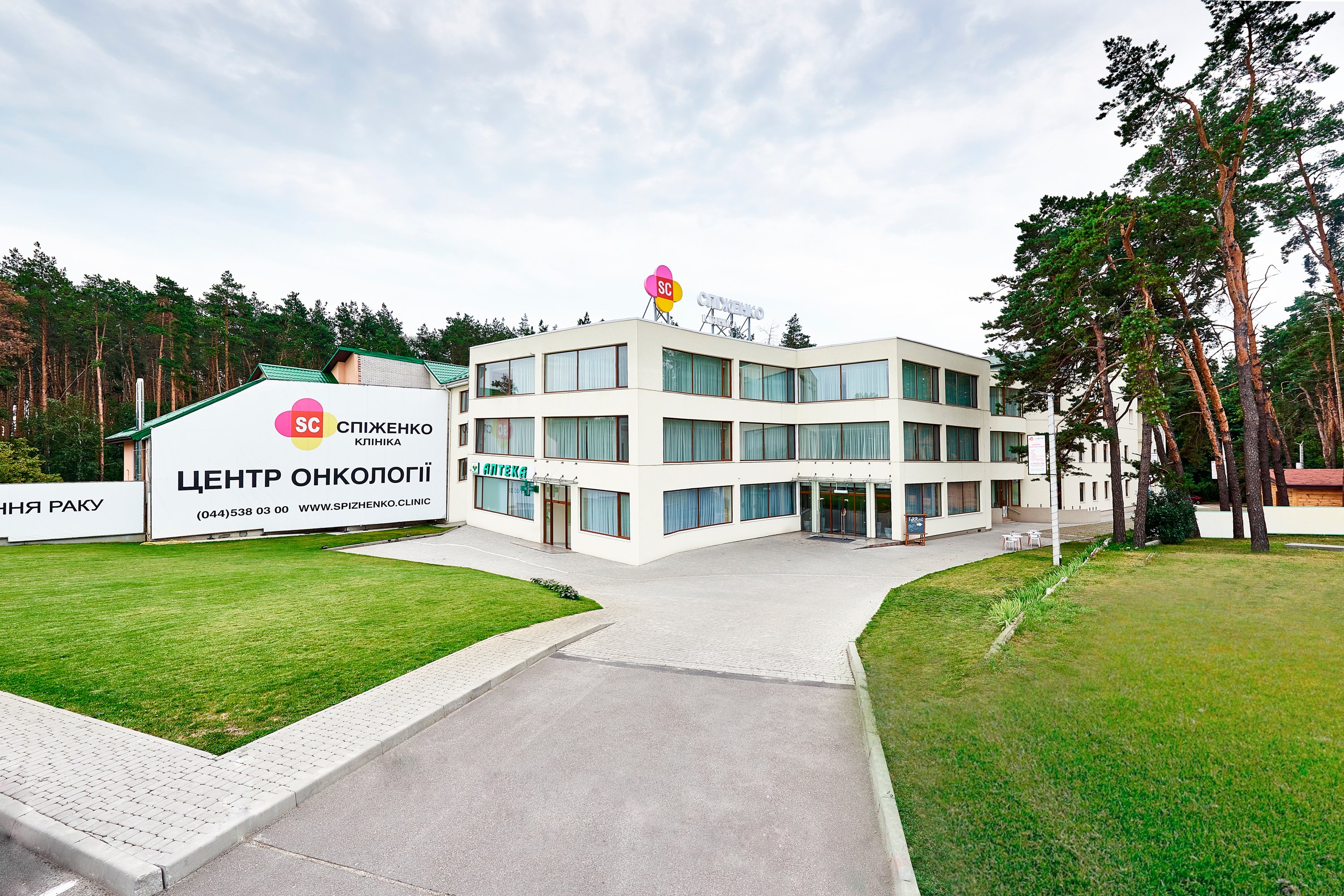
Spizhenko Clinic
Ucrania, Kiev


Revisado médicamente por
Fahad Mawlood
De $40. Los gastos totales dependen del grado del tumor, la duración de la estancia hospitalaria y el enfoque quirúrgico elegido. Los pacientes suelen ahorrar entre un 45 y un 90% en comparación con las tarifas médicas de EE. UU. Los principales centros especializados se encuentran en Kiev, Leópolis y Odesa.
Costos típicos del tratamiento del astrocitoma en Ucrania
Perspectiva de los expertos de Bookimed: Para casos neuroquirúrgicos complejos, las redes privadas ofrecen un valor significativo al seguir los protocolos internacionales de la NCCN. La Clínica Spizhenko brinda atención de ciclo completo con calificaciones de 4.8 estrellas de más de 70,000 pacientes internacionales. Los pacientes que buscan especialistas con gran experiencia deberían considerar el Instituto de Cirugía VALIKHNOVSKI. El Dr. Rostyslav Valikhnovskyy aporta 28 años de experiencia quirúrgica en procedimientos complejos de reconstrucción y oncología.
| Ucrania | España | Turquía | |
|---|---|---|---|
| Radioterapia para el cáncer colorrectal | de $3,500 | de $7,500 | de $5,000 |
| Radiocirugía estereotáxica | ≈ $3,500 | de $18,100 | de $6,400 |
| Quimioterapia para el cáncer de mama | ≈ $2,500 | de $1,700 | de $3,000 |
| Halcyon | ≈ $4,500 | ≈ $6,500 | ≈ $9,500 |
| Craneotomía | ≈ $5,500 | de $32,500 | de $8,900 |
Bookimed no añade cargos extra a los precios de los tratamientos de Astrocitoma. Las tarifas proceden de las listas de precios oficiales de las clínicas. Pagará directamente en la clínica por su tratamiento a su llegada al país.
Bookimed está comprometido con su seguridad. Solo trabajamos con las clínicas que mantienen altos estándares internacionales en el tratamiento de Astrocitoma y cuentan con las licencias necesarias para atender a pacientes internacionales en todo el mundo.
Bookimed ofrece asistencia experta gratuita. Un coordinador médico personal le apoya antes, durante y después de su tratamiento, resolviendo cualquier problema. Nunca estará solo en su viaje médico de tratamiento de Astrocitoma.


 Olena Sikoza
El tratamiento del astrocitoma en Ucrania se centra en la cirugía, la radiación y la quimioterapia. Los centros oncológicos especializados en Kiev y otras ciudades siguen los protocolos de la Red Nacional Integral del Cáncer (NCCN). Los cirujanos priorizan la resección segura máxima para eliminar el tejido tumoral. Este enfoque protege las vías neuronales vitales y las funciones del habla.
Perspectiva de los expertos de Bookimed: Las redes médicas privadas de Ucrania, como Dobrobut, gestionan enormes volúmenes de pacientes, realizando más de 11,000 operaciones al año. Esta alta frecuencia quirúrgica a menudo se traduce en una mejor precisión técnica en neurooncología. La Clínica Spizhenko destaca esta experiencia regional al atraer pacientes de más de 30 países para protocolos contra el cáncer especializados.
Consenso de los pacientes: Los
La cirugía no siempre es necesaria para el tratamiento del astrocitoma. Aunque los cirujanos suelen priorizar la extirpación del tumor, el enfoque depende del grado y la ubicación. En casos inoperables o gliomas de bajo grado de crecimiento lento, puede optarse por la observación vigilante, radioterapia o quimioterapia en lugar de una intervención quirúrgica inmediata.
Perspectiva de los expertos de Bookimed: La red oncológica de Ucrania, incluida la Clínica Spizhenko, sigue los protocolos internacionales NCCN para el manejo de tumores cerebrales. Nuestros datos muestran que centros especializados como la red médica Dobrobut gestionan 330,000 pacientes anualmente utilizando equipos multidisciplinarios. Este volumen permite a los neurocirujanos ucranianos equilibrar la resección agresiva con la preservación funcional en astrocitomas complejos.
Consenso
Los tratamientos modernos para el astrocitoma, incluyendo la craneotomía basada en neuronavigación y la radiocirugía estereotáctica, están disponibles en Ucrania. Los principales centros privados en Kiev y Uzhhorod brindan atención integral. Estos centros siguen los protocolos de la Red Nacional Integral del Cáncer para asegurar la precisión diagnóstica y quirúrgica a pesar de los desafíos regionales.
Opinión experta de Bookimed: Ucrania sigue siendo un centro de gran volumen para la oncología a pesar de la inestabilidad regional. Solo Dobrobut Medical Network gestiona más de 11,000 operaciones anuales en 75 especialidades. Este alto volumen quirúrgico ayuda a los neurocirujanos locales a mantener su competencia técnica. Los pacientes deben enfocarse en clínicas como Spizhenko Clinic que ofrecen un ciclo oncológico completo,
Para encontrar el mejor neurocirujano para astrocitoma en Ucrania, priorice a los especialistas en centros oncológicos de gran volumen en Kiev o Dnipro. Busque cirujanos certificados en neurooncología que utilicen los protocolos de la Red Nacional Integral del Cáncer (NCCN). Asegúrese de que el centro ofrezca neuronavigación intraoperatoria integrada y estadificación molecular del tumor.
Opinión experta de Bookimed: Ucrania ofrece una ventaja única para el volumen quirúrgico. Las grandes redes con sede en Kiev, como Dobrobut, gestionan 330,000 pacientes anualmente. Este alto flujo de pacientes significa que los equipos quirúrgicos mantienen habilidades clínicas afiladas. Al elegir, busque clínicas como Spizhenko que ofrezcan un ciclo oncológico completo. Esto asegura que tenga radioterapia y quimioterapia cerca si la cirugía revela un tumor de alto grado.
El pronóstico del astrocitoma depende del grado del tumor, marcadores moleculares como las mutaciones IDH y el grado de resección quirúrgica. Los pacientes más jóvenes y aquellos con un buen estado funcional muestran una mejor supervivencia. El éxito aumenta al combinar la resección máxima segura con los protocolos internacionales NCCN para atacar eficazmente las células tumorales residuales.
Opinión experta de Bookimed: El volumen de pacientes a menudo refleja la competencia quirúrgica en oncología compleja. Dobrobut Medical Network realiza más de 11,000 operaciones anualmente en su sistema de especialidades múltiples. Los centros con gran volumen suelen ofrecer mejor acceso a equipos especializados para resecciones tumorales agresivas. La experiencia del especialista, como la del Dr. Rostyslav Valikhnovskyi con más de 15,000 procedimientos, es un indicador clave de la pericia quirúrgica.
Los centros de neurooncología ucranianos siguen las directrices de la Asociación Europea de Neurooncología para la planificación de astrocitomas. El proceso integra la resonancia magnética con contraste y el mapeo funcional para preservar las vías motoras y del habla. Las instalaciones especializadas en Kiev utilizan la neuronavigación y la tractografía para visualizar las vías de sustancia blanca antes de la cirugía.
Perspectiva del experto de Bookimed: Si bien las redes privadas ucranianas como Dobrobut manejan más de 330,000 pacientes al año, existe un patrón regional específico. Los pacientes deben asegurar los datos crudos de la resonancia magnética en discos en lugar de solo informes escritos. Los cirujanos en centros de alto volumen a menudo realizan sus propias reconstrucciones 3D utilizando estos datos crudos para visu
Las estancias hospitalarias después de una cirugía de astrocitoma en Ucrania suelen durar de 3 a 10 días. Los pacientes suelen pasar las primeras 24 horas en cuidados intensivos. Luego sigue el traslado a unidades de neurocirugía especializadas. El primer seguimiento ocurre dentro de los 14 días para retirar puntos y evaluar la herida.
Perspectiva del experto de Bookimed: Ucrania ofrece experiencia neuroquirúrgica de alto volumen en redes privadas como Dobrobut, que realiza 11,000 operaciones anuales. Nuestros datos muestran que los centros especializados a menudo brindan resultados de patología más rápidos. Esto permite que los equipos de oncología comiencen la radioterapia o la quimioterapia dentro de las 3 semanas si es necesario. Estas instalaciones privadas a menudo mantienen la certificación ISO para garantizar altos estándares de seguridad.
Consenso de los pacientes: Los pacientes mencionan que el alta inicial ocurre rápidamente

