Tratamiento de Astrocitoma en Turquía — obtenga 3 coincidencias personalizadas de clínicas


Revisado médicamente por
Fahad Mawlood
Cómo funciona
¿Cuál es el precio del diagnóstico y los tratamientos de Astrocitoma en Turquía? Descubra ahora
El costo total del tratamiento de astrocitoma en Turquía varía según el plan de tratamiento. Los diagnósticos iniciales, que incluyen una consulta, pruebas de laboratorio y una resonancia magnética con contraste, son aproximadamente 1.750 €. La extirpación quirúrgica del tumor varía de 17.000 € a 26.500 €, mientras que la radioterapia postoperatoria con temozolomida es alrededor de 6.600 €. El programa de tratamiento es personalizado, siguiendo una evaluación individual por parte del equipo médico.
| España | Turquía | México | |
|---|---|---|---|
| Radioterapia para el cáncer colorrectal | de $7,500 | de $5,000 | ≈ $6,000 |
| Radiocirugía estereotáxica | de $18,100 | de $6,400 | ≈ $9,500 |
| Quimioterapia para el cáncer de mama | de $1,700 | de $3,000 | ≈ $4,500 |
| Halcyon | ≈ $6,500 | ≈ $9,500 | ≈ $14,000 |
| Craneotomía | de $32,400 | de $8,900 | de $12,000 |
Descubra las mejores clínicas de tratamiento de Astrocitoma en Turquía: 30 opciones verificadas y Precios
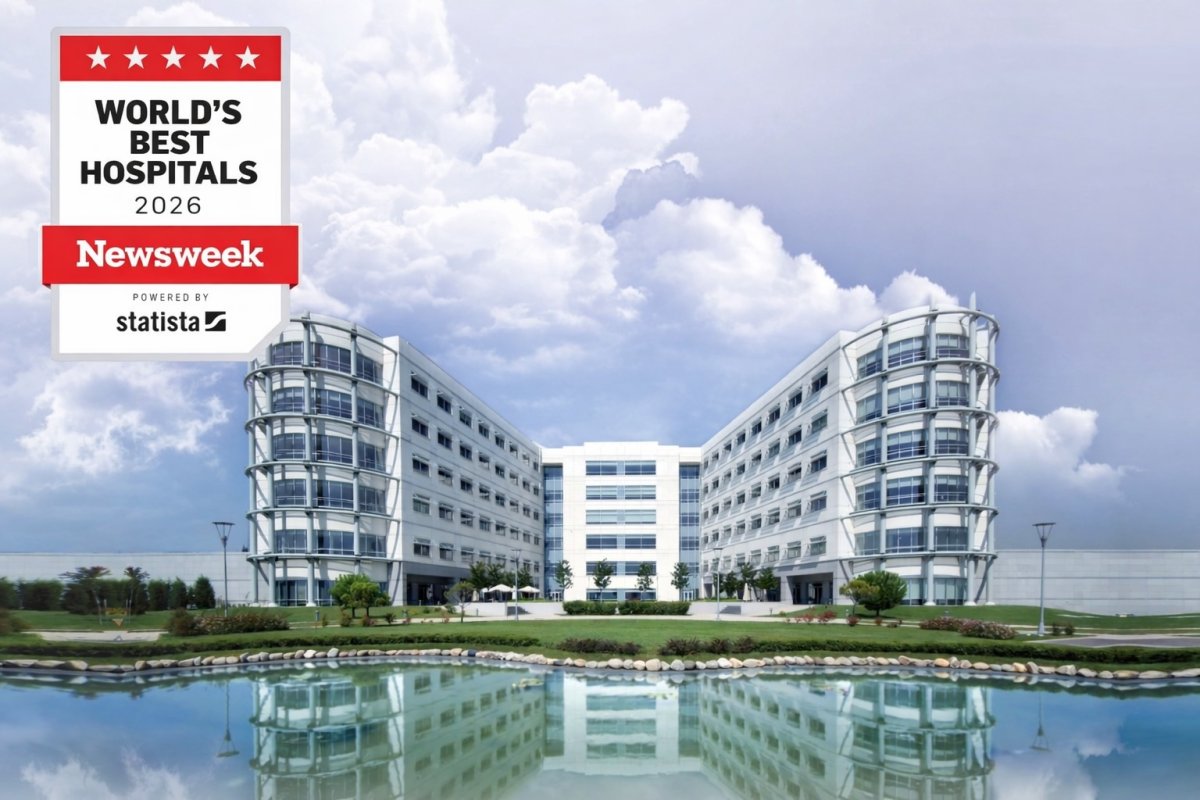









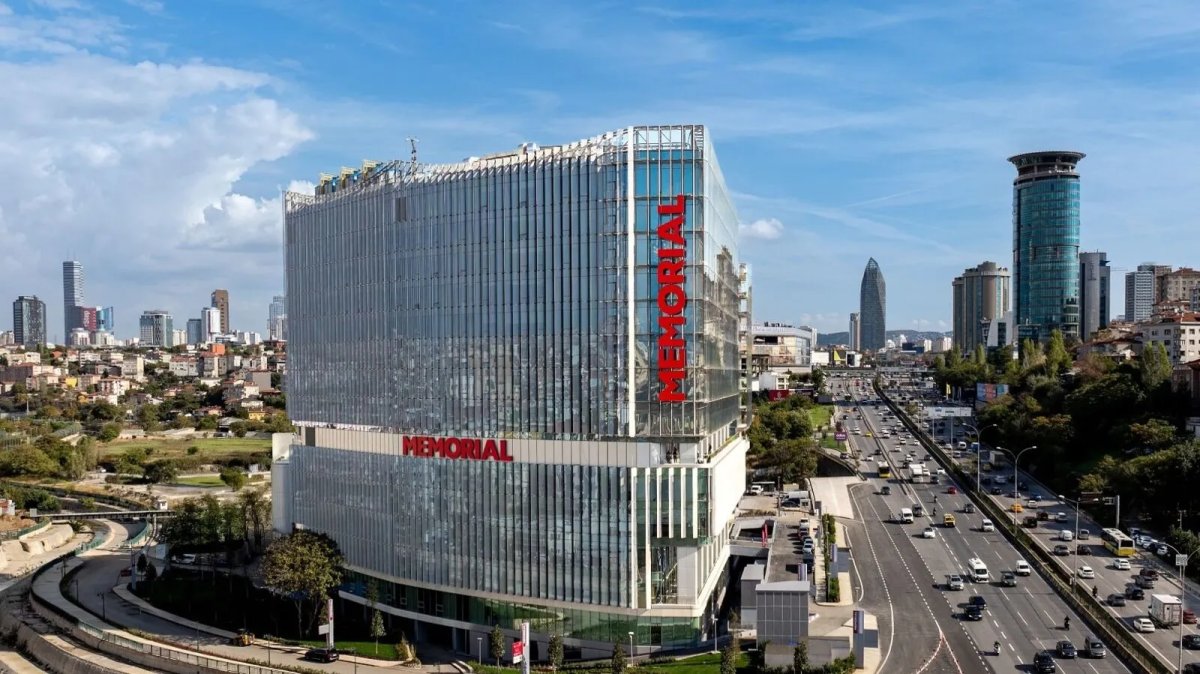
Memorial Göztepe Hospital


Obtenga una evaluación médica de tratamiento de Astrocitoma en Turquía: haga una consulta con 34 médicos experimentados ahora
Ver todos los médicos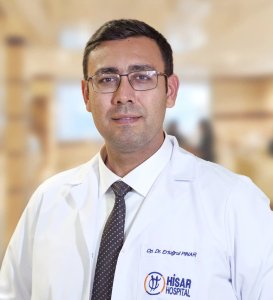
Ertugrul Pinar
El Dr. Ertugrul Pinar es neurocirujano en el Hisar Hospital Intercontinental de Estambul. Trata a pacientes adultos y pediátricos con enfermedades complejas del cerebro y la columna vertebral. El Dr. Pinar se centra en tumores cerebrales, aneurismas vasculares y patologías de la base del cráneo. Trabaja en un hospital acreditado por la JCI que atiende a más de 500.000 pacientes al año.
- Realiza procedimientos especializados, incluyendo la resección transnasal de tumores y la reparac

Bulent Karagoz
Especializado en biología tumoral e inmunoterapia: el Dr. Bülent Karagöz se centra en tratamientos oncológicos avanzados en el Centro Médico Anadolu.
- 33 años en oncología médica con especial atención al astrocitoma
- Profesor en la Facultad de Medicina de la Universidad Okan de Estambul
- Miembro de la Asociación Turca de Oncología Médica
- Ha publicado más de 40 trabajos de investigación sobre el cáncer
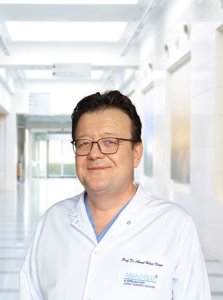
Ahmet Hilmi Kaya
El Prof. Dr. Ahmet Hilmi Kaya es profesor de neurocirugía en el Centro Médico Anadolu, en Gebze (Turquía). Obtuvo el título de médico (MD) en la Universidad de Estambul, Cerrahpaşa (programa en inglés), donde realizó la residencia en neurocirugía entre 1996 y 2003. Fue nombrado profesor en 2015. Realizó estancias de observación en la Universidad de Maastricht en 2007 y 2009.
Su actividad clínica abarca la neurocirugía funcional y estereotáxica, incluida la estimulación cerebral profund
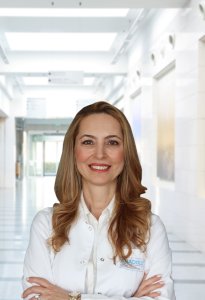
Banu Atalar
La Dra. Banu Atalar es oncóloga radioterápica con certificación de especialidad (Turquía, 2004). Es catedrática en la Universidad Acibadem MAA (2018–presente) y médica en Anadolu Medical Center (2026–presente). Se formó en Estambul y en Cerrahpaşa. En 2011 completó una beca de investigación clínica en Stanford en radiocirugía estereotáctica. Su práctica se centra en tumores del SNC, torácicos y gastrointestinales. Aproximadamente el 75% de su actividad clínica implica SRS y SRS adaptativa gui
Reseñas
Todas las reseñas


Compartir contenido
Historias en video de pacientes de Bookimed
 Olena Sikoza
Preguntas frecuentes sobre el tratamiento de Astrocitoma en Turquía
¿Qué opciones de tratamiento existen para el astrocitoma en Turquía?
El tratamiento del astrocitoma en Turquía incluye resección quirúrgica avanzada, radiocirugía estereotáctica y quimioterapia dirigida. Los hospitales acreditados por la JCI utilizan sistemas de RM intraoperatoria y brazo en O (O-arm) para mayor precisión. Los neurocirujanos especializados se enfocan en la extirpación máxima segura para preservar la función cerebral. Centros líderes como el Anadolu Medical Center mantienen afiliaciones con Johns Hopkins.
- Intervenciones quirúrgicas: Los cirujanos realizan craneotomías o cirugía endoscópica endonasal para un acceso mínimamente invasivo.
- Técnicas de radiación: La orientación precisa se logra mediante CyberKnife, Gamma Knife y el sistema Halcyon para los tumores.
- Oncología médica: Los tratamientos incluyen quimioterapia basada en temozolomida y terapias dirigidas según las características del tumor.
- Experiencia experta: El Dr. Nejat Akalan dirige la neurocirugía en Medipol con más de 35 años de experiencia.
Perspectiva de expertos de Bookimed: Los centros oncológicos turcos suelen priorizar la experiencia quirúrgica de alto volumen para garantizar la seguridad. Por ejemplo, algunos paquetes incluyen cirujanos como el Dr. Ertugrul Pinar, quien ha realizado más de 900 procedimientos cerebrales. Este nivel de especialización es común en los centros de Estambul y suele resultar en tasas de éxito
¿Es siempre necesaria la cirugía para el astrocitoma y qué determina la decisión?
La cirugía no siempre es necesaria para el astrocitoma. Las decisiones dependen del grado, tamaño y ubicación del tumor. Los tumores de bajo grado a menudo se controlan mediante imágenes. Los casos de alto grado generalmente requieren resección para reducir la presión. Los cirujanos especialistas priorizan la extirpación segura para preservar las funciones motoras y del habla.
- Grado del tumor: Los grados 1 y 2 pueden ser monitoreados. Los grados 3 y 4 requieren cirugía.
- Resección segura: Los cirujanos evitan operar en áreas delicadas como el tronco encefálico para prevenir déficits.
- Manejo de síntomas: La cirugía inmediata se prioriza para pacientes que experimentan convulsiones o dolores de cabeza severos.
- Necesidad diagnóstica: Los procedimientos proporcionan muestras de tejido esenciales para pruebas moleculares precisas y estadificación.
Perspectiva del experto de Bookimed: Los centros de neurocirugía turcos como Medipol Mega utilizan resonancia magnética intraoperatoria avanzada y navegación con brazo en O. Estas tecnologías permiten al Prof. Dr. Nejat Akalan verificar la extirpación del tumor en tiempo real. Esta precisión es la razón por la que los pacientes a menudo eligen Estambul para casos complejos considerados inoperables en otros lugares.
Consenso de los pacientes: Los pacientes destacan que los cir
¿Ofrecen los hospitales turcos acceso a ensayos clínicos internacionales para el astrocitoma?
Los hospitales turcos ofrecen acceso a ensayos clínicos internacionales para el astrocitoma a través de unidades de investigación especializadas y afiliaciones universitarias. Centros como Memorial Goztepe y Anadolu Medical Center colaboran con organizaciones globales. Estos ensayos a menudo prueban inmunoterapia, terapias dirigidas y protocolos avanzados de radioterapia para tumores cerebrales.
- Unidades de investigación: El Hospital Memorial Goztepe opera una unidad de investigación clínica para innovaciones en tratamientos globales.
- Investigadores expertos: La Dra. Eda Tanrikulu y el Dr. Nail Paksoy han liderado múltiples estudios oncológicos internacionales.
- Afiliaciones clínicas: Anadolu Medical Center mantiene una asociación con Johns Hopkins Medicine para estándares de investigación.
- Equipo avanzado: Los ensayos a menudo integran tecnologías como MR Linac, CyberKnife y radiocirugía Gamma Knife.
Perspectiva del experto de Bookimed: El volumen de pacientes es un motor importante para los ensayos en Estambul. El Hospital Universitario Medipol Mega trata a 1,000,000 de pacientes al año. Esta escala masiva atrae a patrocinadores farmacéuticos globales. Las clínicas con departamentos de neurocirugía de alto volumen como el Hospital Hisar, donde los cirujanos realizan más de 900 procedimientos, tienen más probabilidades de participar en
¿Cuáles son las ventajas clave de elegir Turquía para el tratamiento del astrocitoma?
Turquía ofrece un tratamiento avanzado para el astrocitoma a través de centros acreditados por la JCI que brindan un acceso rápido a la experiencia neuroquirúrgica. Los hospitales turcos utilizan resonancia magnética intraoperatoria e imágenes de arco en O para mejorar la precisión de la resección. Los procedimientos son realizados por cirujanos con amplia experiencia en extirpación de tumores cerebrales complejos a costos significativamente más bajos que en Europa Occidental.
- Cirujanos expertos: Especialistas como el Dr. Ertugrul Pinar han realizado más de 900 procedimientos cerebrales.
- Tecnología avanzada: Los centros utilizan Gamma Knife, CyberKnife y resonancia magnética intraoperatoria para el mapeo tumoral.
- Instalaciones acreditadas: Anadolu Medical Center está afiliado a Johns Hopkins y mantiene los estándares de la JCI.
- Atención asequible: Los paquetes integrales de craneotomía en Estambul oscilan entre $5,650 y $12,900.
Perspectiva del experto de Bookimed: Si bien los centros de primer nivel como Anadolu Medical Center cuentan con prestigiosas afiliaciones con Johns Hopkins, las clínicas más pequeñas acreditadas por la JCI ofrecen tecnología de imágenes idéntica por casi un 50 % menos. Elegir un paquete que incluya estancias en la UCI, como la opción de 3 noches en el Hospital Hisar, garantiza la seguridad postoperatoria sin ca
¿Qué tan rápido pueden comenzar el tratamiento los pacientes internacionales en Turquía?
Los pacientes internacionales suelen comenzar el tratamiento de astrocitoma en Turquía en un plazo de 3 a 7 días. Los principales centros oncológicos turcos ofrecen respuestas rápidas a través de departamentos internacionales dedicados. Las pruebas de diagnóstico y las consultas neuroquirúrgicas suelen ocurrir inmediatamente después de la llegada. Los equipos especializados en instalaciones acreditadas por la JCI aceleran la cirugía para casos críticos.
- Tiempo de respuesta inicial: Muchas clínicas turcas responden a las consultas médicas en un plazo de 24 horas.
- Programación de diagnósticos: Las imágenes avanzadas, como la resonancia magnética de 3 Tesla, suelen realizarse durante las primeras 48 horas.
- Disponibilidad quirúrgica: Cirujanos como el Dr. Ertugrul Pinar realizan cientos de procedimientos cerebrales complejos al año.
- Continuidad del tratamiento: Equipos multidisciplinarios coordinan los protocolos de quimioterapia y radioterapia después de la cirugía.
Perspectiva del experto de Bookimed: Centros de gran volumen como el Medipol Mega University Hospital atienden a más de 1.000.000 de pacientes al año. Esta escala masiva les permite mantener departamentos de diagnóstico las 24 horas del día, los 7 días de la semana. A menudo se pueden completar los escáneres y las revisiones de especialistas en una sola tarde. Esta eficiencia e
¿Qué nivel de seguridad neurológica se puede esperar de la cirugía de astrocitoma en Turquía?
Los centros de neurooncología turcos logran una alta seguridad neurológica mediante una monitorización avanzada en tiempo real y una experiencia quirúrgica especializada. Los centros informan frecuentemente de tasas de éxito del 99% en casos complejos de tumores cerebrales. Los cirujanos utilizan imágenes intraoperatorias y neuronavigación para proteger las funciones del habla y el movimiento mientras maximizan la extirpación del tumor.
- Precisión quirúrgica: Los sistemas de resonancia magnética intraoperatoria y brazo en O ayudan a los cirujanos a verificar la resección del tumor en tiempo real.
- Protección funcional: El mapeo mediante craneotomía con paciente despierto preserva las vías críticas del habla y motoras durante los procedimientos delicados.
- Volumen de experiencia: Especialistas de alto nivel como el Dr. Nejat Akalan tienen más de 35 años de experiencia.
- Protocolos de seguridad: Los hospitales acreditados por la JCI como Memorial Sisli mantienen estrictos estándares internacionales de seguridad quirúrgica.
Perspectiva del experto de Bookimed: Los datos muestran que la seguridad quirúrgica en Turquía está fuertemente relacionada con el volumen de procedimientos. El Hospital Hisar emplea a cirujanos con más de 900 cirugías cerebrales. Estos especialistas de gran volumen suelen ofrecer paquetes de alrededor de 12.900 dólares que
¿Qué tipo de apoyo se brinda a los pacientes internacionales y sus familias durante el tratamiento?
Los hospitales turcos acreditados por la JCI ofrecen servicios integrales de apoyo para pacientes internacionales con astrocitoma y sus familias. Los equipos coordinan las citas de neurocirugía, la transferencia de registros médicos y la interpretación in situ. Los departamentos especializados se encargan de los traslados del aeropuerto al hotel, la asistencia con el alojamiento local y la coordinación médica las 24 horas del día, los 7 días de la semana, para garantizar un tratamiento sin problemas.
- Logística de viaje: Las clínicas gestionan las recogidas en el aeropuerto, las reservas de hotel y el transporte local para las familias.
- Asistencia lingüística: Intérpretes profesionales facilitan la planificación quirúrgica, las discusiones sobre el consentimiento y las actualizaciones neurológicas.
- Coordinación de la atención: Gestores dedicados organizan las resonancias magnéticas, las revisiones de los comités de tumores y el papeleo de alta.
- Apoyo familiar: Las instalaciones suelen proporcionar orientación sobre alojamiento cercano y arreglos de comidas.
Perspectiva del experto de Bookimed: El Anadolu Medical Center cuenta con una Certificación de Oro en Atención Centrada en la Persona y atiende a 65.000 pacientes al año. Su afiliación con el Johns Hopkins Hospital crea un marco estructurado para los casos internacionales. Este alto v