Astrocitoma en Corea del Sur: las 10 mejores clínicas para su tratamiento


Revisado médicamente por
Fahad Mawlood
¿Cuál es el precio del diagnóstico y los tratamientos de Astrocitoma en Corea del Sur? Descubra ahora
El costo del tratamiento de astrocitoma en la República de Corea suele oscilar entre $53 para las evaluaciones iniciales con especialistas y $20,000 para las intervenciones quirúrgicas primarias. De $53. Los gastos totales dependen del grado del tumor, la necesidad de quimioterapia de seguimiento y el nivel del hospital. Los pacientes pueden ahorrar entre un 30 y un 50% en comparación con los EE. UU. La mayor parte de la atención especializada se concentra en Seúl e Incheon.
Costos típicos del tratamiento de astrocitoma en la República de Corea
- Consulta con un neurocirujano: de $53
- Consulta con un oncólogo: $50 – $75
- Consulta con un neurólogo: de $55
- Análisis de sangre extendido: de $200
- ECG: de $30
- Craneotomía: de $20,000
Perspectiva de los expertos de Bookimed: Los casos avanzados de astrocitoma se benefician de centros multidisciplinarios como el Samsung Medical Center y el Severance Hospital. El Samsung Medical Center utiliza sistemas Novalis y Da Vinci para la extirpación de tumores de alta precisión. Para los pacientes que priorizan la tecnología, el Seoul National University Bundang Hospital (SNUBH) ofrece un entorno totalmente digitalizado. Los casos oncológicos complejos se manejan de manera eficiente en el Asan Medical Center, la instalación multidisciplinaria más grande del país.
| Corea del Sur | España | Turquía | |
|---|---|---|---|
| Radioterapia para el cáncer colorrectal | ≈ $9,000 | de $7,500 | de $5,000 |
| Radiocirugía estereotáxica | ≈ $9,500 | de $18,100 | de $6,400 |
| Quimioterapia para el cáncer de mama | de $3,000 | de $1,700 | de $1,900 |
| Halcyon | ≈ $9,000 | ≈ $6,500 | ≈ $9,500 |
| Craneotomía | de $20,000 | de $32,400 | de $8,900 |
Sus beneficios y garantías con Bookimed
Precios directos
Bookimed no añade cargos extra a los precios de los tratamientos de Astrocitoma. Las tarifas proceden de las listas de precios oficiales de las clínicas. Pagará directamente en la clínica por su tratamiento a su llegada al país.
Sólo clínicas y médicos verificados
Bookimed está comprometido con su seguridad. Solo trabajamos con las clínicas que mantienen altos estándares internacionales en el tratamiento de Astrocitoma y cuentan con las licencias necesarias para atender a pacientes internacionales en todo el mundo.
Asistencia 24/7 gratuita
Bookimed ofrece asistencia experta gratuita. Un coordinador médico personal le apoya antes, durante y después de su tratamiento, resolviendo cualquier problema. Nunca estará solo en su viaje médico de tratamiento de Astrocitoma.

Su coordinador médico personal de Bookimed
- Le apoya en cada etapa
- Ayuda a elegir la clínica y el médico adecuados
- Asegura un acceso rápido y conveniente a la información
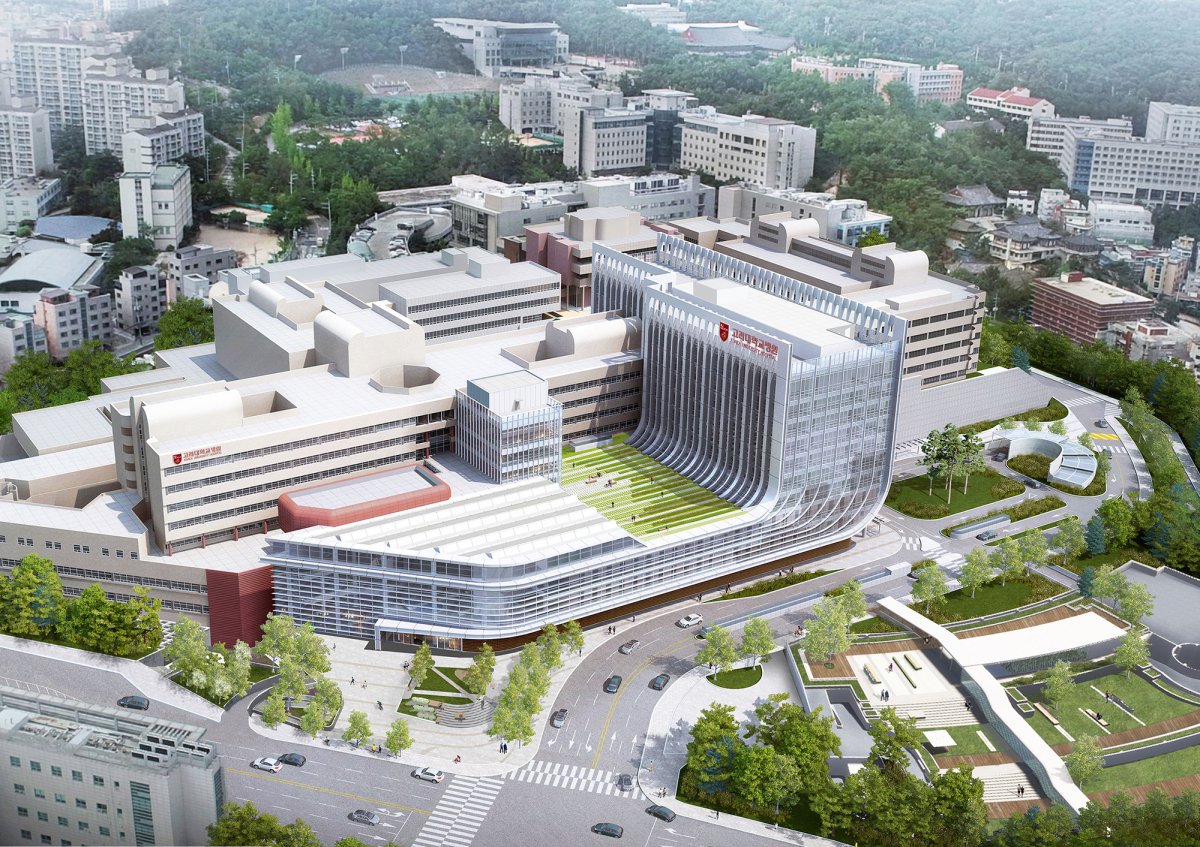
Descubra las mejores clínicas de tratamiento de Astrocitoma en Corea del Sur: 10 opciones verificadas y Precios












Compartir contenido
Historias en video de pacientes de Bookimed
 Olena Sikoza
Preguntas frecuentes sobre el tratamiento de Astrocitoma en Corea del Sur
¿Qué hospitales coreanos se especializan en el tratamiento del astrocitoma?
Los mejores hospitales coreanos para el astrocitoma incluyen el Samsung Medical Center, el Seoul National University Hospital (SNUH) y el Asan Medical Center. Estos centros terciarios acreditados por la JCI utilizan comités de tumores multidisciplinarios. Ofrecen tecnologías neuroquirúrgicas avanzadas como Gamma Knife, radiocirugía Novalis y terapia de iones pesados para tumores cerebrales complejos.
- Samsung Medical Center: Emplea Novalis e IGRT para la radiación de alta precisión de lesiones cerebrales.
- Asan Medical Center: Realiza más de 65,000 operaciones anuales con un alto éxito en atención oncológica.
- Severance Hospital: Cuenta con el primer centro de terapia de iones pesados de Corea del Sur para gliomas malignos.
- SNU Bundang Hospital: Utiliza sistemas digitales BESTcare para garantizar la máxima seguridad durante los procedimientos neuroquirúrgicos.
Perspectiva del experto de Bookimed: Aunque Asan y Samsung lideran en volumen, el Seoul National University Hospital sigue siendo una opción única porque el presidente del país recibe atención allí. Esto refleja un nivel de confianza en su precisión diagnóstica. Nuestros datos muestran que el SNUH atiende a aproximadamente 10,700 pacientes diariamente. Este alto volumen a menudo conduce a una respuesta diagnóstica más rápida para escáneres cerebrales complejos.
Consens
¿Qué tecnologías avanzadas de radiación y cirugía se utilizan para el astrocitoma en Corea?
Corea del Sur utiliza herramientas quirúrgicas y de radiación de alta precisión para tratar el astrocitoma mientras preserva la función cerebral. Las opciones avanzadas incluyen la terapia de iones pesados, la radiación con haz de protones y la cirugía guiada por fluorescencia con 5-ALA. Centros como el Samsung Medical Center utilizan sistemas Novalis e IGRT para una precisión submilimétrica durante el tratamiento.
- Precisión de la radiación: Las terapias de iones pesados y protones se dirigen a los tumores mientras protegen el tejido cerebral sano.
- Guía quirúrgica: La cirugía guiada por fluorescencia con 5-ALA hace que las células malignas brillen para una extirpación precisa.
- Imágenes en tiempo real: La resonancia magnética intraoperatoria (iMRI) permite a los cirujanos verificar si hay restos tumorales durante la cirugía.
- Protección funcional: La craneotomía con paciente despierto y mapeo cortical protege las habilidades motoras y del habla en tiempo real.
Opinión de expertos de Bookimed: Aunque la mayoría de los centros se centran en la cirugía, la diferencia de volumen en las instalaciones de primer nivel es enorme. El Asan Medical Center realiza más de 65.000 operaciones al año. Esta alta frecuencia en los principales hospitales de Seúl a menudo se correlaciona con una mayor competencia en casos neurooncológicos complejos en compar
¿Es el enfoque multidisciplinario el estándar para el manejo del astrocitoma en Corea?
La atención multidisciplinaria es el protocolo estándar para el manejo del astrocitoma en Corea del Sur. Los comités de tumores especializados en centros acreditados por la JCI integran la neurocirugía, la oncología radioterápica y la oncología médica. Estos equipos siguen las directrices de la Sociedad Coreana de Neurooncología. Esto garantiza que los pacientes reciban planes de tratamiento coordinados y personalizados inmediatamente después del diagnóstico.
- Revisiones de comités de tumores: Las evaluaciones de casos involucran a neurocirujanos, oncólogos, radiólogos y patólogos.
- Sistemas de diagnóstico integrados: Los centros combinan el muestreo quirúrgico de tejidos con patología molecular avanzada.
- Concentración de recursos: Los principales hospitales universitarios albergan a más de 1,400 médicos para una atención integral.
- Acceso a tecnología avanzada: Las instalaciones utilizan Novalis e IGRT para una radioterapia precisa.
Perspectiva del experto de Bookimed: Aunque muchos países ofrecen atención multidisciplinaria, el modelo de Corea del Sur es excepcionalmente de alto volumen. Los datos muestran que clínicas como el Samsung Medical Center y el Severance Hospital atienden a más de 2 millones de pacientes al año. Esta escala masiva permite subequipos altamente especializados que se centran solo en mutaciones tumorales específica
¿Pueden los pacientes internacionales acceder a nuevos medicamentos o ensayos clínicos?
Los pacientes internacionales pueden acceder a nuevos medicamentos y ensayos clínicos en Corea del Sur a través de centros oncológicos especializados y programas de acceso ampliado. La participación depende de la elegibilidad para el ensayo, el estado de la visa y los requisitos de residencia. Instituciones como el Samsung Medical Center y el Severance Hospital siguen los estándares de la Joint Commission International y atienden a miles de pacientes extranjeros anualmente.
- Elegibilidad para el ensayo: La inscripción a menudo requiere perfiles moleculares específicos y el estado de mutación para el astrocitoma.
- Cumplimiento normativo: Las instalaciones deben cumplir con los estándares KOIHA y los estándares internacionales ISO para la investigación clínica.
- Acceso ampliado: Los programas de uso compasivo permiten el acceso a terapias experimentales fuera de los protocolos formales de los ensayos.
- Enfoque institucional: Los grandes centros como el Seoul National University Hospital gestionan más de 10,000 pacientes diarios.
Perspectiva del experto de Bookimed: Aunque Corea del Sur ocupa el quinto lugar a nivel mundial en solicitudes de turismo médico, el acceso a los ensayos está altamente centralizado. Centrarse en las instituciones digitales más grandes, como el Seoul National University Bundang Hospital, es estratégico. Estos centros
¿Cuánto tiempo debo planificar quedarme en Corea del Sur para una cirugía de tumor cerebral y el seguimiento?
Planifique quedarse en Corea del Sur de 21 a 30 días para una cirugía de tumor cerebral. Este plazo garantiza la autorización médica para viajar en avión. Pasará de 4 a 7 días en el hospital para la craneotomía y el seguimiento. Se requieren 14 días adicionales en Seúl para el seguimiento.
- Monitoreo hospitalario: Pase de 4 a 7 días en instalaciones acreditadas por la JCI, como el Severance Hospital.
- Manejo de heridas: Permanezca en Seúl de 7 a 10 días para la extracción de grapas o suturas.
- Espera de patología: Reserve días adicionales para los resultados de las pruebas moleculares que guiarán las decisiones de tratamiento adyuvante.
- Autorización de viaje: Obtenga un certificado de aptitud para volar de 14 a 21 días después de su procedimiento neuroquirúrgico.
Perspectiva del experto de Bookimed: El Samsung Medical Center atiende a más de 2.000.000 de pacientes al año y mantiene estándares presidenciales. Los datos muestran que los centros de alto volumen a menudo utilizan imágenes avanzadas como IGRT para la estabilización. Esta eficiencia puede reducir los días de hospitalización, pero el monitoreo neurológico generalmente impide el alta antes del quinto día.
Consenso de los pacientes: Los pacientes señalan que ser dado de alta del hospital no es lo mismo que estar listo para volar. La mayoría enfatiza quedarse
¿Puedo obtener una evaluación médica de un especialista coreano antes de viajar?
Los pacientes con astrocitoma pueden obtener una evaluación médica de especialistas coreanos antes de viajar. Los principales hospitales de Seúl ofrecen revisiones remotas de resonancias magnéticas e informes de patología. Estas evaluaciones ayudan a confirmar la elegibilidad para el tratamiento. Los especialistas a menudo realizan consultas virtuales a través de servicios de telemedicina para discutir opciones quirúrgicas como la craneotomía.
- Documentación requerida: Proporcione imágenes de resonancia magnética en formato DICOM e informes de patología detallados.
- Acceso a especialistas: Los neurocirujanos en centros acreditados por la JCI revisan los casos en un plazo de 1 a 3 días.
- Alcance de la evaluación: Los cirujanos evalúan la resecabilidad del tumor y el uso potencial de los sistemas Da Vinci.
- Apoyo administrativo: Bookimed gestiona la traducción de registros y coordina toda la comunicación con las clínicas coreanas.
Perspectiva de expertos de Bookimed: Aunque muchos buscan especialistas específicos, la infraestructura clínica es el indicador de calidad más fuerte en Corea. El Samsung Medical Center y el Asan Medical Center mantienen volúmenes masivos de pacientes, atendiendo a más de 10,000 pacientes ambulatorios diariamente. Esta alta frecuencia en el tratamiento de tumores cerebrales complejos conduce a una precisión diagnóst