Rehabilitación de accidentes cerebrovasculares Tratamiento en China — Costos 2026


Revisado médicamente por
Fahad Mawlood
¿Cuál es el precio del diagnóstico y los tratamientos de Rehabilitación de accidentes cerebrovasculares en China? Descubra ahora
El costo del tratamiento de rehabilitación de accidentes cerebrovasculares en China oscila entre Precio a consultar y Precio a consultar para la atención hospitalaria, mientras que los programas intensivos que involucran ayudas robóticas generalmente cuestan entre $2,800 y $6,500. Los gastos totales dependen del nivel del centro, la duración del tratamiento y la integración de terapias tradicionales. Los pacientes pueden esperar ahorros del 30-50% en comparación con los EE. UU. Pekín, Tianjin y Langfang son los principales centros para la recuperación neurológica avanzada.
Costos típicos del tratamiento de rehabilitación de accidentes cerebrovasculares en China
- Rehabilitación hospitalaria: Precio a consultar
- Rehabilitación con Lokomat: $2,800 – $6,500
- Rehabilitación integral: Precio a consultar
- Fisioterapia: $450 – $1,300
- Rehabilitación con exoesqueleto: $1,800 – $4,800
- Terapia Bobath: Precio a consultar
- Rehabilitación en verticalizador: Precio a consultar
- Rehabilitación con sistema Re-step: $3,500 – $7,500
- Terapia ocupacional con ratón de cabeza: $300 – $950
- Rehabilitación con traje de carga Adeli: Precio a consultar
Perspectiva del experto de Bookimed: Los pacientes internacionales se benefician más de los centros acreditados por la JCI que combinan los estándares occidentales con la experiencia tradicional. El Beijing United Family Rehabilitation Hospital es ideal para quienes buscan atención de estándar estadounidense con especialistas como el Dr. Jingsheng Zhou. Alternativamente, el Yanda International Hospital ofrece una escala masiva con más de 28,500 tecnologías modernas para casos complejos. Estos centros brindan un valor superior para los pacientes que requieren protocolos de recuperación neurológica intensiva a largo plazo.
| China | España | Turquía | |
|---|---|---|---|
| Terapia ocupacional con el ratón de ordenador Head | ≈ $300 | ≈ $750 | ≈ $450 |
| Terapia de caricias | ≈ $60 | ≈ $380 | de $150 |
| Rehabilitación con traje espacial TheraSuit | ≈ $3,500 | ≈ $2,800 | ≈ $1,500 |
| Rehabilitación con sistema Re-step | ≈ $3,500 | ≈ $6,500 | ≈ $3,800 |
| Rehabilitación con Vector Gait System | ≈ $2,800 | ≈ $3,800 | de $1,300 |
Sus beneficios y garantías con Bookimed
Precios directos
Bookimed no añade cargos extra a los precios de los tratamientos de Rehabilitación de accidentes cerebrovasculares. Las tarifas proceden de las listas de precios oficiales de las clínicas. Pagará directamente en la clínica por su tratamiento a su llegada al país.
Sólo clínicas y médicos verificados
Bookimed está comprometido con su seguridad. Solo trabajamos con las clínicas que mantienen altos estándares internacionales en el tratamiento de Rehabilitación de accidentes cerebrovasculares y cuentan con las licencias necesarias para atender a pacientes internacionales en todo el mundo.
Asistencia 24/7 gratuita
Bookimed ofrece asistencia experta gratuita. Un coordinador médico personal le apoya antes, durante y después de su tratamiento, resolviendo cualquier problema. Nunca estará solo en su viaje médico de tratamiento de Rehabilitación de accidentes cerebrovasculares.

Su coordinador médico personal de Bookimed
- Le apoya en cada etapa
- Ayuda a elegir la clínica y el médico adecuados
- Asegura un acceso rápido y conveniente a la información
Descubra las mejores clínicas de tratamiento de Rehabilitación de accidentes cerebrovasculares en China: 5 opciones verificadas y Precios


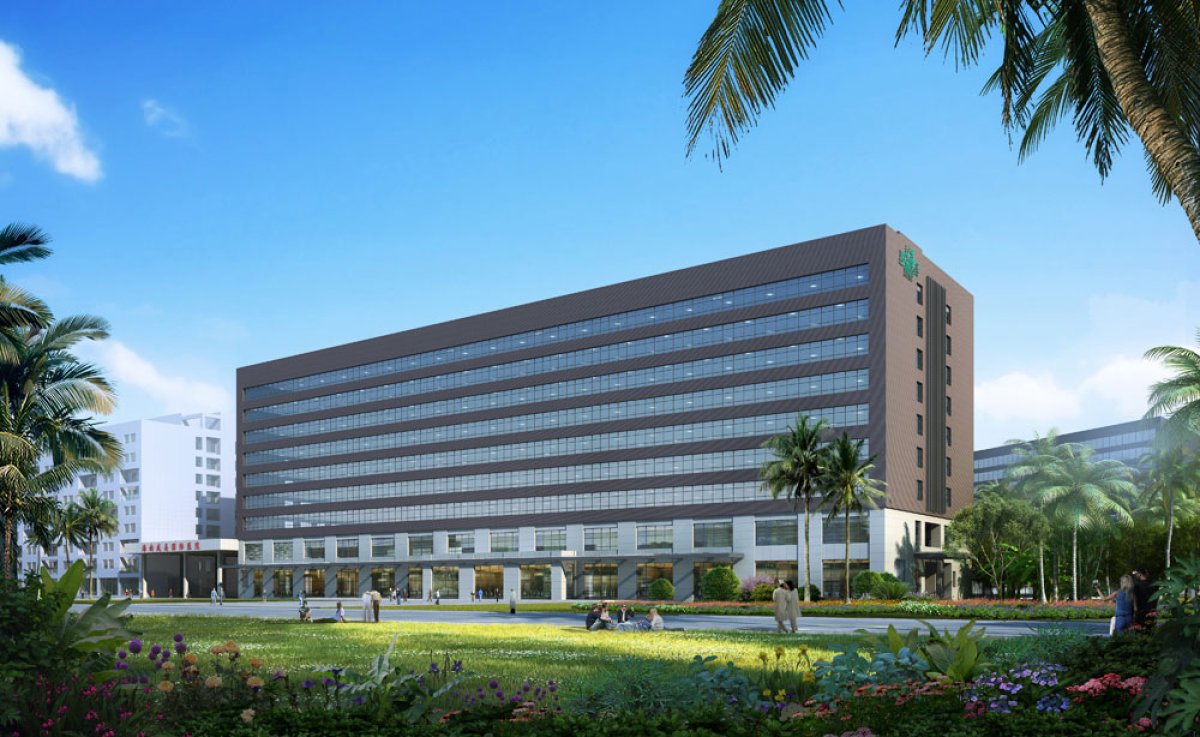
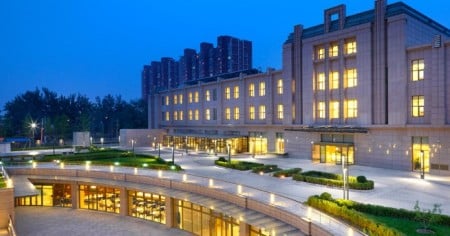
Beijing United Family Rehabilitation Hospital
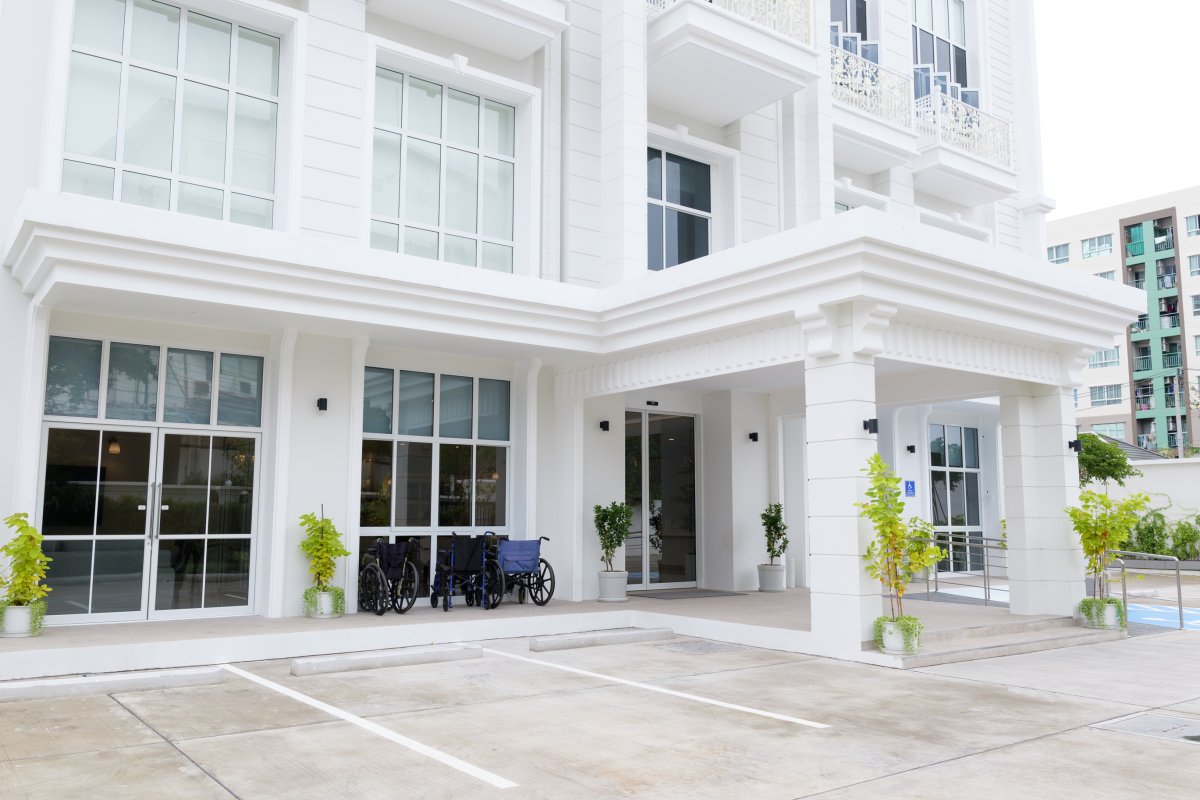
Body & Soul Medical Clinics
Obtenga una evaluación médica de tratamiento de Rehabilitación de accidentes cerebrovasculares en China: haga una consulta con 11 médicos experimentados ahora
Ver todos los médicos
Zhang En Da
El Prof. Zhang En Da es médico jefe en rehabilitación de lesión medular, con más de 30 años de experiencia clínica. Realizó formación avanzada en el Sun Yat-sen Memorial Hospital y en el Departamento de Neurología del Primer Hospital Afiliado de la Universidad Médica de China.
Se centra en la rehabilitación de la lesión medular de cualquier etiología. Trata tetraplejia y paraplejia, parálisis incompleta, trastornos sensitivos y disfunción neurogénica de vejiga e intestino, incluyendo r
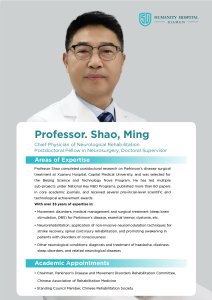
Ming Shao
El Dr. Ming Shao es profesor, médico jefe de Rehabilitación Neurológica, investigador posdoctoral en Neurocirugía y director de tesis doctoral. Cuenta con más de 35 años de experiencia. Está especializado en trastornos del movimiento y brinda atención médica y quirúrgica, incluida la estimulación cerebral profunda, para la enfermedad de Parkinson, el temblor esencial y la distonía. También se centra en la neurorehabilitación y emplea neuromodulación no invasiva para el ictus, la lesión medula
Compartir contenido
Historias en video de pacientes de Bookimed
 Olena Sikoza
Preguntas frecuentes sobre el tratamiento de Rehabilitación de accidentes cerebrovasculares en China
¿Cómo integra China la Medicina Tradicional China con la rehabilitación occidental tras un ictus?
China integra protocolos médicos combinando la atención aguda y la rehabilitación sistemática occidental con la Medicina Tradicional China (MTC). Este modelo de sistema dual gestiona a los pacientes a través de neurólogos y médicos de MTC. Las terapias occidentales estándar incluyen fisioterapia y logopedia. Estas se combinan con la acupuntura para abordar la neuroplasticidad y la espasticidad.
- Gestión de sistema dual: Neurólogos y especialistas en MTC lideran conjuntamente la recuperación en departamentos hospitalarios integrados.
- Rehabilitación neurológica: Los centros de alto volumen utilizan tecnologías asistidas por robots como Lokomat para el reentrenamiento de la marcha.
- Modalidades de MTC: La acupuntura y las fórmulas a base de hierbas se dirigen a la disfagia, la función motora y la circulación cerebral.
- Construcción de evidencia: Los centros de investigación regionales mapean la actividad cerebral para alinear la acupuntura con la neuromodulación.
Perspectiva del experto de Bookimed: El Hospital Internacional Yanda atiende a 2.500.000 pacientes al año utilizando protocolos de Clase A Nivel III. Este alto volumen permite a médicos como el Dr. Jingsheng Zhou perfeccionar la atención integrada para casos complejos. Los paquetes a menudo incluyen de 21 a 30 días de hospitalización. Esta estancia prolongada garantiza que los pacien
¿Qué tecnologías avanzadas se utilizan habitualmente en las clínicas chinas de recuperación de accidentes cerebrovasculares?
Las clínicas chinas de recuperación de accidentes cerebrovasculares utilizan un modelo híbrido que combina la neurorobótica automatizada y las tecnologías de la medicina tradicional. Los principales centros acreditados por la JCI en Pekín utilizan entrenadores de marcha como Lokomat y exoesqueletos impulsados por IA. Estos sistemas maximizan la neuroplasticidad mediante tareas repetitivas de alta intensidad. Las clínicas avanzadas también integran la electroacupuntura y el mapeo computarizado de meridianos.
- Sistemas robóticos de marcha: Los dispositivos Lokomat y Re-step automatizan los movimientos de las extremidades inferiores para un entrenamiento intensivo de la marcha.
- Dispositivos de neuromodulación: Los centros utilizan la estimulación magnética transcraneal repetitiva (rTMS) para preparar las redes cerebrales.
- Robótica para extremidades superiores: Mentores robóticos guían los ejercicios de manos y brazos con retroalimentación muscular en tiempo real.
- Tecnología MTC integrada: Los escáneres digitales de meridianos y los generadores de impulsos eléctricos modernizan los tratamientos de acupuntura tradicionales.
Opinión del experto de Bookimed: El Hospital Internacional Yanda mantiene un inventario masivo de más de 28.000 dispositivos modernos. Nuestros datos sugieren que el mayor valor clínico proviene de combinar la robótica de
¿Cuándo debe comenzar la rehabilitación después de un accidente cerebrovascular en China y cuánto dura normalmente el tratamiento?
La rehabilitación de accidentes cerebrovasculares en China generalmente comienza dentro de las 24 a 72 horas una vez que el paciente alcanza la estabilidad médica. La intervención activa generalmente continúa a través de una red estructurada de tres etapas durante tres a seis meses. La atención crónica puede persistir indefinidamente para mantener las funciones motoras y apoyar la recuperación a largo plazo.
- Inicio temprano: La estabilización dentro de las 72 horas activa las evaluaciones básicas de movilidad y habla.
- Fase aguda: La rehabilitación en salas de neurología a menudo dura aproximadamente de una a dos semanas.
- Duración subaguda: Los programas hospitalarios especializados generalmente brindan terapia intensiva durante tres a seis meses.
- Métodos integrados: Los programas a menudo combinan la fisioterapia occidental con la acupuntura tradicional y el Tai Chi.
Perspectiva del experto de Bookimed: Los pacientes deben verificar los detalles de las estancias hospitalarias. Los paquetes en instalaciones acreditadas por la JCI, como el Hospital Internacional Yanda, a menudo ofrecen ciclos de hospitalización de 21 días. Nuestros datos muestran que estos programas pueden costar aproximadamente entre $10,400 y $20,000. Estas estancias integrales generalmente incluyen traslados al aeropuerto y equipos especializados como el Lokomat o sist
¿Cuál es el volumen de tratamiento diario típico durante la rehabilitación hospitalaria?
La rehabilitación hospitalaria suele requerir al menos 3 horas de terapia activa al día. Este tratamiento se realiza al menos 5 días a la semana. El horario suele sumar un total de 15 horas de terapia intensiva cada 7 días. Esta carga de trabajo garantiza que los pacientes cumplan con los hitos esenciales de recuperación y los requisitos de resistencia.
- Horario diario: 3 horas de terapia divididas en varias sesiones enfocadas.
- Volumen semanal: Mínimo de 15 horas de rehabilitación intensiva en 7 días.
- Terapias principales: Combinaciones de fisioterapia, terapia ocupacional y logopedia.
- Opciones alternativas: Distribuir un total de 900 minutos en 7 días para una menor resistencia.
Perspectiva de expertos de Bookimed: Los centros de rehabilitación chinos como el Hospital Internacional Yanda integran un alto volumen de terapia con robótica avanzada. Utilizan sistemas como Lokomat y verticalizadores para la recuperación neurológica. Las clínicas que atienden a más de 2.000.000 de pacientes a menudo combinan estas tecnologías occidentales con estancias hospitalarias tradicionales de 21 a 30 días. Esta duración es mayor que los 10 a 14 días típicos que se encuentran en muchas otras regiones.
Consenso de los pacientes: Los pacientes señalan que el requisito diario de 3 horas es físicamente desafiante pero esencial para e
¿Qué visa necesitan los pacientes internacionales para la rehabilitación de un accidente cerebrovascular en China y qué documentos se requieren?
Los pacientes internacionales necesitan una visa médica china (serie S) para la rehabilitación de un accidente cerebrovascular. La visa S2 cubre estancias de hasta 180 días. Para una recuperación más larga, la visa S1 es obligatoria. Los titulares de la visa S1 deben registrarse para obtener un permiso de residencia dentro de los 30 días posteriores a su llegada.
- Invitación hospitalaria: Carta oficial de un hospital de Grado A que indique el diagnóstico y el plan de tratamiento.
- Prueba financiera: Estados de cuenta bancarios que demuestren fondos por el 120 % de los costos estimados de rehabilitación.
- Registros clínicos: Historial previo de accidente cerebrovascular y evaluaciones físicas con traducciones certificadas al chino.
- Validez del pasaporte: Pasaporte original con 6 meses de validez y dos páginas de visa en blanco.
Perspectiva del experto de Bookimed: La coordinación del viaje se simplifica en centros acreditados por la JCI, como el Yanda International Hospital o el Beijing United Family Rehab. Estos centros atienden hasta 2,500,000 pacientes al año y proporcionan los sellos administrativos especializados necesarios para la aprobación de la visa de la serie S. Elegir un centro con departamentos de servicio internacional garantiza que los registros médicos cumplan con los estrictos estándares de traducción del consulado antes de
¿Cómo superan los pacientes internacionales las barreras lingüísticas durante la hospitalización?
Los pacientes internacionales superan las barreras lingüísticas mediante intérpretes médicos profesionales, tecnología de salud digital dedicada y la infraestructura interna del hospital. Las instalaciones a menudo proporcionan traducción certificada in situ para las sesiones clínicas. Muchos centros de rehabilitación también implementan documentación bilingüe y protocolos de comunicación simplificados para garantizar la seguridad del paciente y la precisión de la atención.
- Interpretación profesional: Especialistas certificados facilitan discusiones médicas complejas y el consentimiento informado.
- Herramientas digitales: Las tabletas proporcionan interpretación de video remota (VRI) para la traducción en tiempo real.
- Servicios incluidos: Muchos paquetes incluyen asistencia lingüística dedicada y traslados al aeropuerto.
- Atención concordante: El personal utiliza inglés simplificado y ayudas visuales para verificar las instrucciones.
Perspectiva del experto de Bookimed: Aunque muchos piensan que solo las clínicas privadas ofrecen apoyo, las instalaciones públicas acreditadas por la JCI, como el Hospital Internacional Yanda, atienden a 2,5 millones de pacientes al año con una calificación de Clase A III. Elegir estos centros de alto volumen a menudo garantiza el acceso a departamentos internacionales establecidos acostumbrados a pacientes