Rehabilitación de accidentes cerebrovasculares Tratamiento en Grecia — Costos 2026


Revisado médicamente por
Fahad Mawlood
¿Cuál es el precio del diagnóstico y los tratamientos de Rehabilitación de accidentes cerebrovasculares en Grecia? Descubra ahora
| España | Turquía | |
|---|---|---|
| Terapia ocupacional con el ratón de ordenador Head | ≈ $750 | ≈ $450 |
| Terapia de caricias | ≈ $380 | de $150 |
| Rehabilitación con traje espacial TheraSuit | ≈ $2,800 | ≈ $1,500 |
| Rehabilitación con sistema Re-step | ≈ $6,500 | ≈ $3,800 |
| Rehabilitación con Vector Gait System | ≈ $3,800 | de $1,300 |
Sus beneficios y garantías con Bookimed
Precios directos
Bookimed no añade cargos extra a los precios de los tratamientos de Rehabilitación de accidentes cerebrovasculares. Las tarifas proceden de las listas de precios oficiales de las clínicas. Pagará directamente en la clínica por su tratamiento a su llegada al país.
Sólo clínicas y médicos verificados
Bookimed está comprometido con su seguridad. Solo trabajamos con las clínicas que mantienen altos estándares internacionales en el tratamiento de Rehabilitación de accidentes cerebrovasculares y cuentan con las licencias necesarias para atender a pacientes internacionales en todo el mundo.
Asistencia 24/7 gratuita
Bookimed ofrece asistencia experta gratuita. Un coordinador médico personal le apoya antes, durante y después de su tratamiento, resolviendo cualquier problema. Nunca estará solo en su viaje médico de tratamiento de Rehabilitación de accidentes cerebrovasculares.

Su coordinador médico personal de Bookimed
- Le apoya en cada etapa
- Ayuda a elegir la clínica y el médico adecuados
- Asegura un acceso rápido y conveniente a la información
Descubra las mejores clínicas de tratamiento de Rehabilitación de accidentes cerebrovasculares en Grecia: 5 opciones verificadas y Precios



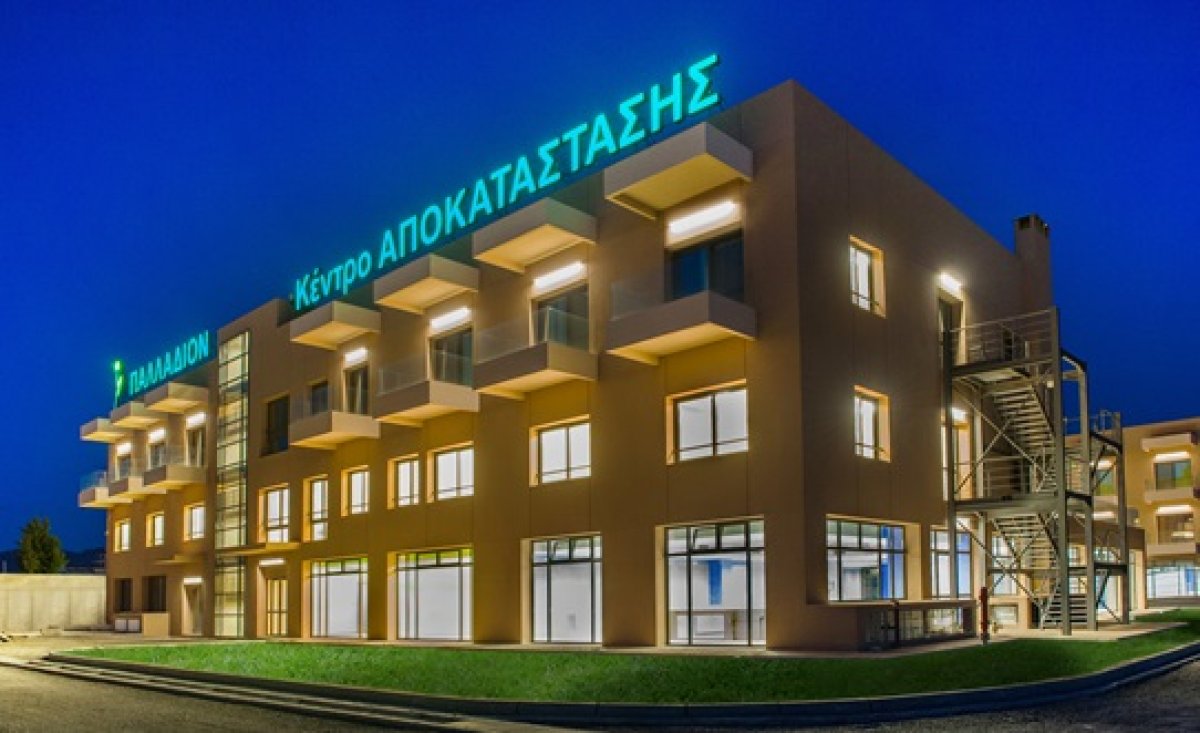
Palladion Rehabilitation Center
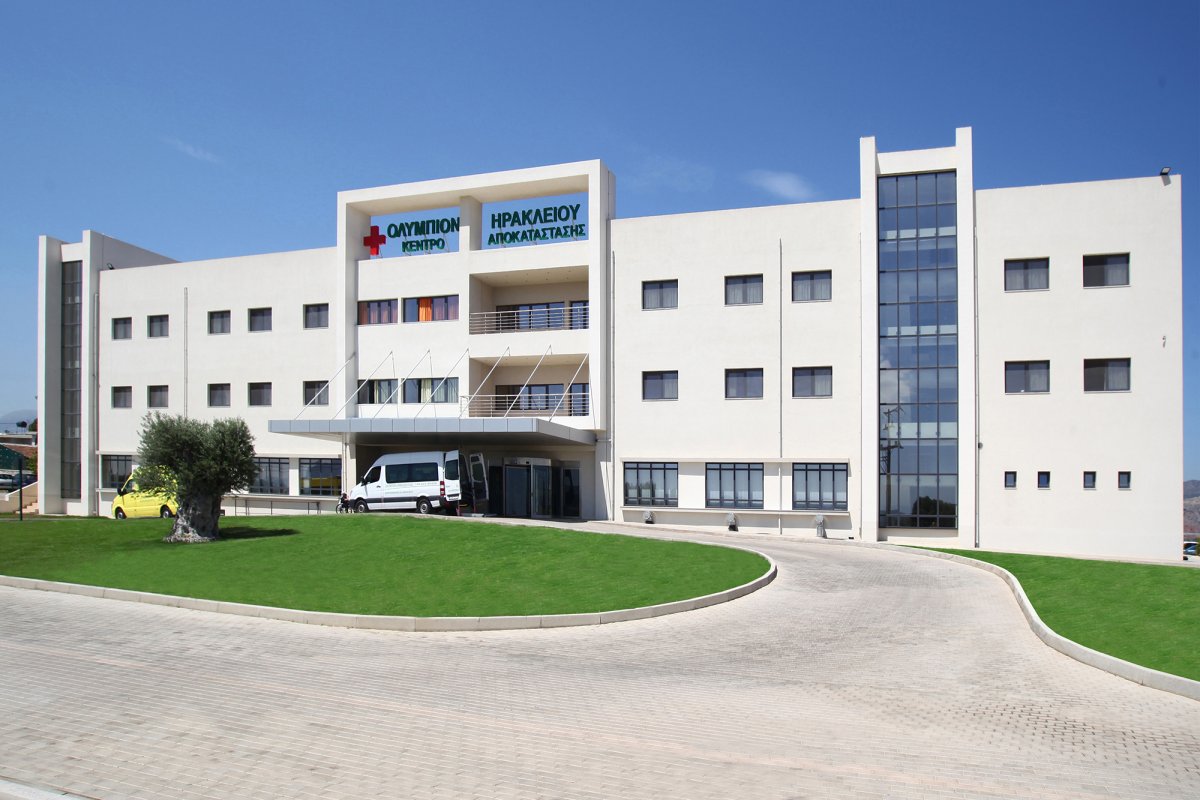
Olympion Rehab

Obtenga una evaluación médica para Rehabilitación de accidentes cerebrovasculares en Grecia: consulte con doctores experimentados ahora
Ver todos los médicos
Stefas Lefteris
El Dr. Stefas Lefteris se especializa en medicina deportiva y ortopedia, centrándose en la prevención de lesiones y la rehabilitación en el Centro de Rehabilitación Evexia.
- Utiliza un enfoque holístico para la curación y el bienestar
- Proporciona planes de atención al paciente personalizados
- Amplia experiencia en fisioterapia

Skourtis Lucas
El Dr. Skourtis Lucas es un cirujano ortopédico de gran prestigio especializado en la rehabilitación musculoesquelética relacionada con accidentes cerebrovasculares en el Centro de Rehabilitación Evexia.
- Amplia experiencia en medicina deportiva y lesiones musculoesqueléticas
- Especializado en cirugía de reemplazo articular para pacientes con accidente cerebrovascular
- Comprometido con planes de rehabilitación personalizados para accidentes cerebrovasculares
Compartir contenido
Historias en video de pacientes de Bookimed
 Olena Sikoza
Preguntas frecuentes sobre el tratamiento de Rehabilitación de accidentes cerebrovasculares en Grecia
¿Qué tan pronto debe comenzar la rehabilitación después de un accidente cerebrovascular?
La rehabilitación después de un accidente cerebrovascular (ACV) debe comenzar tan pronto como el paciente esté médicamente estable. Esto suele ocurrir entre 24 y 48 horas después del ACV. La terapia inicial se centra en movimientos simples como sentarse. Moverse temprano previene la atrofia muscular y ayuda al cerebro a reorganizarse durante su fase más adaptable.
- Periodo dorado: Los primeros 90 días ofrecen el mayor potencial para ganancias funcionales significativas.
- ACV isquémico: La rehabilitación generalmente comienza el día del ingreso o al día siguiente.
- ACV hemorrágico: La terapia intensiva a menudo comienza el segundo día después de la estabilización de la hemorragia.
- Prevención de complicaciones: La actividad temprana reduce los riesgos de trombosis venosa profunda e infecciones pulmonares.
Perspectiva del experto de Bookimed: Los centros de rehabilitación griegos aprovechan su ubicación geográfica para mejorar la recuperación. Por ejemplo, el Centro de Rehabilitación Evexia en Calcídica utiliza su entorno junto al mar y su clima mediterráneo para ayudar en la terapia. Los datos muestran que esta clínica atiende a 1.500 pacientes al año con más de 20 años de experiencia. Combinar protocolos médicos específicos con entornos de recuperación especializados puede mejorar el estado de ánimo y la participación del paciente durante l
¿Qué tipos de terapia se incluyen en los programas de rehabilitación de accidentes cerebrovasculares en Grecia?
Los programas de rehabilitación de accidentes cerebrovasculares (ACV) en Grecia combinan terapias físicas y cognitivas tradicionales con tecnologías robóticas como Lokomat y exoesqueletos de marcha. Estos protocolos multidisciplinarios son impartidos por fisiatras y terapeutas autorizados en centros acreditados por organismos internacionales como ISO y Temos International.
- Fisioterapia: Se centra en el entrenamiento de la marcha, el equilibrio y el fortalecimiento dentro de gimnasios de recuperación especializados.
- Terapia ocupacional: Reconstruye las habilidades motoras esenciales para vestirse, comer, bañarse y lograr la independencia diaria.
- Rehabilitación del habla: Aborda los trastornos de la comunicación y las dificultades para tragar que son comunes después de un trauma neurológico.
- Robótica avanzada: Utiliza entrenadores de marcha Lokomat y sistemas Armeo para el reentrenamiento motor de alta repetición.
- Terapia acuática: Emplea piscinas terapéuticas climatizadas para reducir la espasticidad y facilitar el movimiento.
Perspectiva del experto de Bookimed: El volumen clínico a menudo se correlaciona con la especialización regional en Grecia. Por ejemplo, Tesalónica se ha convertido en un centro de recuperación neurológica de alta intensidad. Instalaciones como la Clínica Veselibu y el Centro de Rehabilita
¿Cuánto dura un programa de recuperación de accidente cerebrovascular en Grecia?
Los programas intensivos de recuperación de accidentes cerebrovasculares (ACV) en Grecia suelen durar de 2 a 4 semanas. La rehabilitación ambulatoria a menudo promedia 9 meses para obtener las máximas ganancias funcionales. Los centros especializados utilizan el «periodo dorado» dentro de los primeros 6 meses para optimizar la neuroplasticidad y los resultados de la recuperación.
- Fase aguda: Los pacientes permanecen de 5 a 12 días en unidades neurológicas para la estabilización inicial.
- Rehabilitación intensiva: Las estancias hospitalarias proporcionan de 3 a 4 horas de terapia diaria durante 4 semanas.
- Atención ambulatoria: La terapia continua para la fuerza y las habilidades motoras dura de 6 a 12 meses.
- Estándares clínicos: Los centros en Tesalónica y Calcídica siguen protocolos internacionales para el progreso a largo plazo.
Perspectiva del experto de Bookimed: Los centros de rehabilitación griegos como el Centro de Rehabilitación Evexia ofrecen una ventaja estratégica para la recuperación debido a su ubicación. Nuestros datos muestran que los centros especializados en Calcídica aprovechan el clima mediterráneo suave y el aire marino. Estos factores ambientales se combinan deliberadamente con más de 20 años de experiencia para mejorar la moral del paciente. Este enfoque holístico ayuda a los pacientes a mantener los rigurosos horari
¿Ofrecen las clínicas griegas rehabilitación robótica avanzada para accidentes cerebrovasculares?
Las clínicas de rehabilitación especializadas en Grecia ofrecen neurorrehabilitación robótica avanzada para la recuperación de accidentes cerebrovasculares (ictus). Los centros altamente acreditados utilizan suites robóticas para acelerar la neuroplasticidad y restaurar las funciones motoras. Los centros emplean entrenadores de marcha Lokomat y exoesqueletos robóticos. Estas tecnologías proporcionan patrones de marcha fisiológicos y un reentrenamiento motor intensivo.
- Entrenamiento robótico de la marcha: Los sistemas Lokomat proporcionan un reentrenamiento automatizado de la marcha con soporte de peso fisiológico.
- Movilización con exoesqueleto: Los marcos portátiles como EKSO Bionics permiten caminar sobre el suelo en casos de deficiencias graves.
- Recuperación de las extremidades superiores: Los dispositivos Armeo Spring utilizan robótica 3D para la rehabilitación funcional de la mano.
- Estándares internacionales: Las instalaciones cuentan con certificaciones GHA, Temos e ISO para la seguridad del paciente internacional.
Perspectiva del experto de Bookimed: Las señales de calidad en Grecia se correlacionan fuertemente con las asociaciones institucionales más que solo con la disponibilidad de equipos. Si bien clínicas como el Centro de Rehabilitación Evexia atienden a 1.500 pacientes al año con altas calificaciones, el Interbalkan Europea
¿Quién coordina el programa de recuperación del paciente?
Un médico especialista en rehabilitación o fisiatra coordina los programas de recuperación de accidentes cerebrovasculares en Grecia. Estos expertos lideran equipos multidisciplinarios para gestionar déficits neurológicos complejos. Integran fisioterapia, terapia ocupacional y tecnologías avanzadas en planes personalizados. Esto garantiza transiciones fluidas desde la atención aguda hasta la rehabilitación intensiva a largo plazo.
- Liderazgo del fisiatra: Establece objetivos médicos generales y ajusta los planes según el progreso neurológico.
- Terapeutas especializados: Los fisioterapeutas y logopedas impulsan el flujo de trabajo diario de recuperación intensiva.
- Gestores de casos: Organizan los horarios de terapia y gestionan la logística con los departamentos de pacientes internacionales.
- Estándares de calidad: Los centros griegos a menudo cuentan con certificaciones ISO o Global Healthcare Accreditation para la seguridad.
Perspectiva de expertos de Bookimed: Los centros de rehabilitación griegos como el Evexia Rehabilitation Center demuestran una alta estabilidad organizativa. Esta instalación ha operado durante más de 25 años con un personal médico dedicado. El Dr. Stefas Lefteris en Evexia crea planes de atención personalizados utilizando un enfoque holístico. Esta consistencia evita las brechas de comunicación que a menudo se encuen
¿Qué clínicas en Grecia se especializan en la recuperación de accidentes cerebrovasculares?
Grecia ofrece recuperación especializada de accidentes cerebrovasculares en centros de rehabilitación certificados en Tesalónica y Calcídica. Estas instalaciones utilizan sistemas robóticos como Lokomat y exoesqueletos para el reentrenamiento de la marcha. Equipos multidisciplinarios de fisiatras y logopedas se centran en la neuroplasticidad para restaurar el habla y la función motora.
- Tecnologías disponibles: Los centros utilizan robótica Lokomat y exoesqueletos para el reentrenamiento motor intensivo.
- Certificaciones clínicas: Las instalaciones cuentan con la Acreditación Global de Salud y cumplen con las normas internacionales de calidad ISO.
- Personal experto: Los equipos dedicados incluyen neurólogos, logopedas y fisioterapeutas especializados.
- Unidades especializadas: Las clínicas cuentan con unidades de terapia acuática interior climatizada para una recuperación neurológica de bajo impacto.
Perspectiva del experto de Bookimed: Los datos muestran una clara distinción entre los hospitales multiespecializados y los centros de rehabilitación dedicados. El Interbalkan European Medical Center ofrece neurocirugía de alta intensidad y 383 camas para cuidados agudos. Por el contrario, el Centro de Rehabilitación Evexia se centra exclusivamente en la recuperación a largo plazo con más de 20 años de experiencia. Los pacientes que requieren e