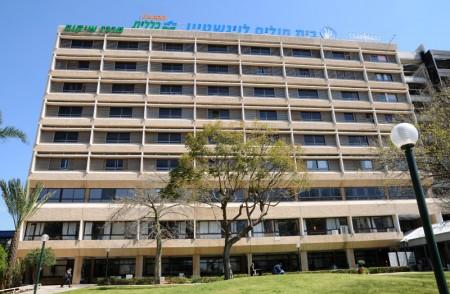
Loewenstein hospital Rehabilitation center
Israel, Ra'anana


Revisado médicamente por
Fahad Mawlood
Stroke rehabilitation treatment cost in Israel ranges from Precio a consultar to Precio a consultar for comprehensive programs. Initial diagnostic steps like a consultation with a neurologist typically run from $250 to $400. Total expenses depend on the facility type, therapy intensity, and the use of robotic technologies. International patients can find 20-40% savings compared to the United States. Top treatment centers are located in Tel Aviv and Ra'anana.
Typical Stroke Rehabilitation Treatment Costs in Israel
Bookimed Expert Insight: High-intensity neurological recovery is most effective at specialized centers like Loewenstein Hospital. They report a 92% return rate to normal life for stroke survivors. For patients needing advanced mobility support, Reuth Rehabilitation Center offers unique robotic tools. These include the ReWalk exoskeleton and Anti-Gravity Treadmills. Specialized pediatric stroke care is also available at these facilities for younger patients.
| Israel | España | Turquía | |
|---|---|---|---|
| Terapia ocupacional con el ratón de ordenador Head | ≈ $1,200 | ≈ $750 | ≈ $450 |
| Terapia de caricias | ≈ $450 | ≈ $380 | de $150 |
| Rehabilitación con traje espacial TheraSuit | ≈ $6,500 | ≈ $2,800 | ≈ $1,500 |
| Rehabilitación con sistema Re-step | ≈ $9,500 | ≈ $6,500 | ≈ $3,800 |
| Rehabilitación con Vector Gait System | ≈ $6,000 | ≈ $3,800 | de $1,300 |
Bookimed no añade cargos extra a los precios de los tratamientos de Rehabilitación de accidentes cerebrovasculares. Las tarifas proceden de las listas de precios oficiales de las clínicas. Pagará directamente en la clínica por su tratamiento a su llegada al país.
Bookimed está comprometido con su seguridad. Solo trabajamos con las clínicas que mantienen altos estándares internacionales en el tratamiento de Rehabilitación de accidentes cerebrovasculares y cuentan con las licencias necesarias para atender a pacientes internacionales en todo el mundo.
Bookimed ofrece asistencia experta gratuita. Un coordinador médico personal le apoya antes, durante y después de su tratamiento, resolviendo cualquier problema. Nunca estará solo en su viaje médico de tratamiento de Rehabilitación de accidentes cerebrovasculares.


La Dra. Czarna, certificada en Neurología y Medicina de Rehabilitación, brinda atención de calidad en el Centro de Rehabilitación del Hospital Loewenstein.

Dov Albukrek se especializa en rehabilitación tras un ictus en el Reuth Rehabilitation Center, combinando su experiencia en pediatría con la atención a adultos.

Jean Jaque Vatin se especializa en rehabilitación de accidentes cerebrovasculares en el Centro de Rehabilitación Reuth, ayudando a los pacientes a recuperar la movilidad y la independencia.

El Dr. Avi Orhi se especializa en rehabilitación tras un accidente cerebrovascular en el Centro de Rehabilitación Reuth, ayudando a los pacientes a recuperar su independencia.
 Olena Sikoza
La rehabilitación post-ictus en Israel es segura y está supervisada por especialistas certificados. Centros como el Hospital Loewenstein y el Centro de Rehabilitación Reuth operan bajo estrictas regulaciones del Ministerio de Salud. Los especialistas utilizan tecnologías robóticas como Lokomat y exoesqueletos para mejorar la recuperación neurológica. Los protocolos israelíes cumplen con altos estándares internacionales de seguridad.
Opinión de expertos de Bookimed: Los datos muestran que los centros de rehabilitación israelíes están estructurados de forma única para una recuperación de alta intensidad. Reuth Rehabilitation atiende a 1.500 pacientes al año y ofrece más de 10 especialidades paramédicas. Este enfoque multidisciplinario a gran escala garantiza que los pacientes de ictus reciban terapia diaria de neurólogos y terapeutas especializados. Estos servicios com
La rehabilitación de accidentes cerebrovasculares en Israel se centra en la recuperación funcional rápida mediante una terapia diaria intensiva. Los pacientes suelen ver un progreso significativo en los primeros 3 meses. Las ganancias físicas iniciales a menudo ocurren en cuestión de semanas. La neuroplasticidad a largo plazo permite una mejora continua hasta los 12 meses utilizando tecnologías robóticas avanzadas.
Perspectiva del experto de Bookimed: Las instalaciones israelíes como Reuth y Loewenstein priorizan la capacidad de camas y un alto volumen de pacientes. El hospital Loewenstein por sí solo gestiona 287 camas. Esta escala permite subunidades especializadas de las que carecen los hospitales generales. Los centros más grandes a menudo ofrecen más especialistas paramédicos por paciente que las clínicas más pequeñas. Esto generalmente result
Israel ofrece a los pacientes con accidente cerebrovascular (ACV) una neurorrehabilitación avanzada mediante entrenamiento de marcha robótico, diagnósticos basados en IA y terapia de oxígeno hiperbárico. Los centros especializados utilizan sistemas como Lokomat e interfaces cerebro-computadora para restaurar el movimiento de las extremidades. Estas instalaciones combinan una neuroestimulación innovadora con atención multidisciplinaria personalizada para mejorar la recuperación funcional y los resultados cognitivos.
Perspectiva del experto de Bookimed: Los centros de rehabilitación israelíes demuestran un enfoque único en la atención especializada de alta capacidad. Por ejemplo, el Centro de Rehabilitación Reuth trata a 1.500 pacientes al año con más de 10 especialistas pa
La rehabilitación de accidentes cerebrovasculares en Israel generalmente requiere una estancia hospitalaria de 2 a 6 semanas. Los pacientes generalmente se someten a 3 a 5 horas de terapia intensiva diaria. El tratamiento comienza dentro de las 24 a 48 horas posteriores a la estabilización. Los centros especializados en Tel Aviv y Ra'anana se centran en restaurar las funciones neurológicas y físicas.
Perspectiva del experto de Bookimed: Los datos muestran una clara ventaja de capacidad en el Centro de Rehabilitación Reuth y el Hospital Loewenstein. Estas instalaciones ofrecen más de 640 camas en total. Esta alta capacidad garantiza una admisión inmediata, lo cual es vital para la recuperación. Los pacientes se benefician de unidades especializadas pediátricas y para adultos que no siempre están disponibles en otros lugares. El Dr. Avi Orhi y otros especialistas priorizan planes individualizados que se adaptan a medida que
Los centros de rehabilitación israelíes requieren registros médicos completos para evaluar el potencial de recuperación de un paciente que ha sufrido un accidente cerebrovascular. Necesita un resumen de alta detallado del hospital de cuidados agudos. Este documento debe incluir el estado neurológico, listas de medicamentos y escáneres cerebrales (IRM o TC).
Perspectiva del experto de Bookimed: Los centros israelíes como el Centro de Rehabilitación Loewenstein priorizan la actualidad de las imágenes de diagnóstico. Nuestros datos muestran que las instalaciones a menudo solicitan escáneres realizados en los últimos 14 días. Enviar registros obsoletos puede retrasar significativamente el proceso de aceptación clínica. Proporcionar videos de la movilidad actual del paciente también puede ayudar a los médicos a calibrar el programa.
Consenso de los paci
Israel alberga centros de rehabilitación de accidentes cerebrovasculares reconocidos mundialmente por integrar robótica avanzada con terapia neurológica intensiva. Instalaciones líderes como el Hospital Loewenstein y el Centro de Rehabilitación Reuth ofrecen atención hospitalaria especializada. Estos centros utilizan herramientas de alta tecnología como exoesqueletos ReWalk y entrenadores Lokomat para acelerar la recuperación motora.
Perspectiva de expertos de Bookimed: Los datos muestran una clara distinción entre la capacidad de rehabilitación y el volumen de pacientes en Tel Aviv frente a Ra'anana. El Centro Médico Reuth en Tel Aviv gestiona un alto volumen de 1,500 pacientes al año a pesar de tener solo 73 camas más que Loewenstein. Esto sugiere una rotación de pacientes más rápida o una integración ambulatoria altamente optimizada
El idioma rara vez es una barrera para la rehabilitación de accidentes cerebrovasculares en Israel porque los centros principales emplean personal médico de habla inglesa. Las instalaciones utilizan intérpretes médicos profesionales y departamentos internacionales dedicados para gestionar la atención. Estos equipos coordinan traducciones, apoyo logístico y comunicación directa entre los pacientes y los especialistas en rehabilitación multidisciplinarios.
Opinión experta de Bookimed: Si bien los médicos a menudo hablan bien inglés, los terapeutas del habla y ocupacionales pueden tener habilidades lingüísticas más variadas. Dado que la recuperación de un accidente cerebrovascular requiere una comunicación matizada durante la terapia, es beneficioso elegir una instalación grande como el Reuth Rehabilitation
Israel es un centro líder en neurocirugía gracias a su combinación de avances médicos de alta tecnología y una experiencia quirúrgica de primer nivel. Instalaciones avanzadas como el Centro Médico Sheba utilizan sistemas de navegación basados en IA y resonancia magnética intraoperatoria en tiempo real. Centros especializados reportan una tasa de éxito del 98% en procedimientos complejos, como la craneotomía con el paciente despierto y el tratamiento de trastornos del movimiento.
Opinión experta de Bookimed: Los datos muestran una clara diferencia entre las opciones de tratamiento públicas y privadas en Israel. Centros privados, como el Centro Médico Assuta, realizan más de 92.000 cirugías al año y permiten a los pacientes elegir a un cirujano líder específico. Esto supone una ventaja signi
Los neurocirujanos israelíes tratan una amplia gama de afecciones, desde tumores cerebrales y de médula espinal hasta trastornos funcionales complejos. Los centros especializados utilizan tecnologías de vanguardia, como el bisturí de rayos gamma, la estimulación cerebral profunda y la resonancia magnética intraoperatoria, para un diagnóstico altamente preciso de la epilepsia, la enfermedad de Parkinson y las patologías cerebrovasculares.
Opinión experta de Bookimed: Los hospitales israelíes suelen combinar diversas especialidades para abordar casos complejos. En el Centro Médico Sourasky, neurocirujanos como el Dr. Zvi Lidar combinan neurocirugía y ortopedi
Israel alberga centros neuroquirúrgicos de renombre mundial, como el Centro Médico Sourasky, el Centro Médico Sheba y el Centro Médico Hadassah. Estas instituciones son líderes mundiales en el tratamiento de tumores cerebrales complejos, enfermedades de la columna vertebral y trastornos del movimiento. Utilizan tecnologías de vanguardia como el bisturí de rayos gamma, sistemas robóticos y resonancia magnética intraoperatoria.
Opinión experta de Bookimed: Nuestros datos muestran que, si bien la mayoría de los pacientes buscan tratamiento en Tel Aviv, el Centro Médico Rambam en Haifa ofrece una atención única para neurotraumatismos. Cuenta con una unidad especializada en cuidados neurocríticos que atiende a aproximadamente un milló
