Rehabilitación de accidentes cerebrovasculares Tratamiento en México — Costos 2026


Revisado médicamente por
Fahad Mawlood
¿Cuál es el precio del diagnóstico y los tratamientos de Rehabilitación de accidentes cerebrovasculares en México? Descubra ahora
De $200. Los gastos totales dependen de la gravedad del ACV, la duración de la terapia y el equipo especializado requerido. Los pacientes pueden lograr ahorros del 80-85% en comparación con los Estados Unidos. Los principales centros médicos incluyen Tijuana, Ciudad de México y Guadalajara.
Costos típicos del tratamiento de rehabilitación de ACV en México
- Rehabilitación hospitalaria: Precio a consultar
- Rehabilitación integral: Precio a consultar
- Fisioterapia: de $200
- Terapia Bobath: Precio a consultar
- Rehabilitación con exoesqueleto: $1,800 – $4,500
- Rehabilitación con Lokomat: $2,300 – $5,200
- Rehabilitación en verticalizador: Precio a consultar
- Rehabilitación con traje de carga Adele: Precio a consultar
- Terapia Snoezelen: $60 – $200
- Terapia Gross: Precio a consultar
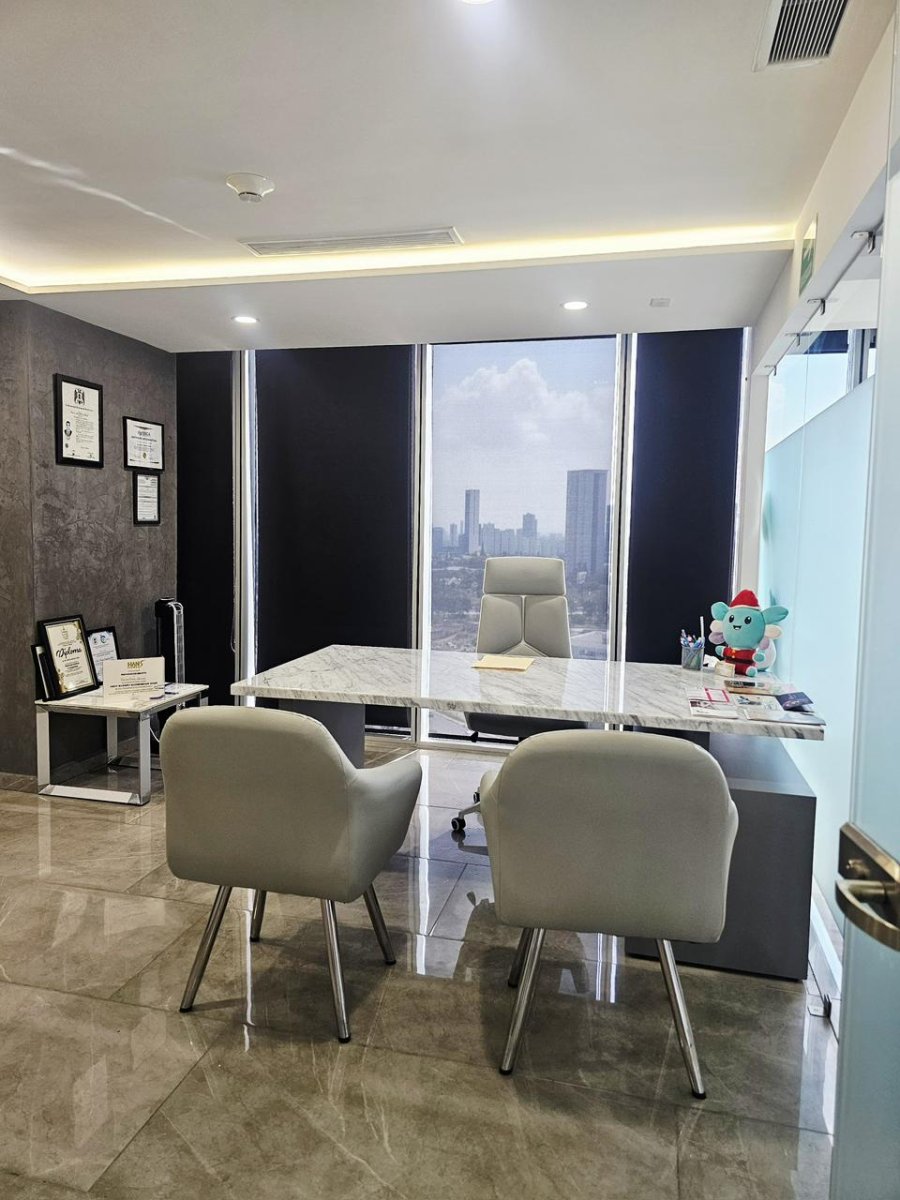
Perspectiva de expertos de Bookimed: Los pacientes que buscan opciones de recuperación innovadoras pueden beneficiarse de enfoques regenerativos en Guadalajara. El Dr. Irwin Abad Medicina Estética y Regenerativa se especializa en aplicaciones de células madre para enfermedades crónicas. Este centro atiende a 200 pacientes al año con un enfoque en medicina personalizada. Las instalaciones privadas mexicanas ofrecen atención de alto valor para aquellos que requieren apoyo neurológico a largo plazo fuera de los entornos hospitalarios.
| España | Turquía | México | |
|---|---|---|---|
| Terapia ocupacional con el ratón de ordenador Head | ≈ $750 | ≈ $450 | ≈ $550 |
| Terapia de caricias | ≈ $380 | de $150 | ≈ $60 |
| Rehabilitación con traje espacial TheraSuit | ≈ $2,800 | ≈ $1,500 | ≈ $2,200 |
| Rehabilitación con sistema Re-step | ≈ $6,500 | ≈ $3,800 | ≈ $4,500 |
| Rehabilitación con Vector Gait System | ≈ $3,800 | de $1,300 | ≈ $3,200 |
Sus beneficios y garantías con Bookimed
Precios directos
Bookimed no añade cargos extra a los precios de los tratamientos de Rehabilitación de accidentes cerebrovasculares. Las tarifas proceden de las listas de precios oficiales de las clínicas. Pagará directamente en la clínica por su tratamiento a su llegada al país.
Sólo clínicas y médicos verificados
Bookimed está comprometido con su seguridad. Solo trabajamos con las clínicas que mantienen altos estándares internacionales en el tratamiento de Rehabilitación de accidentes cerebrovasculares y cuentan con las licencias necesarias para atender a pacientes internacionales en todo el mundo.
Asistencia 24/7 gratuita
Bookimed ofrece asistencia experta gratuita. Un coordinador médico personal le apoya antes, durante y después de su tratamiento, resolviendo cualquier problema. Nunca estará solo en su viaje médico de tratamiento de Rehabilitación de accidentes cerebrovasculares.

Su coordinador médico personal de Bookimed
- Le apoya en cada etapa
- Ayuda a elegir la clínica y el médico adecuados
- Asegura un acceso rápido y conveniente a la información
Descubra las mejores clínicas de tratamiento de Rehabilitación de accidentes cerebrovasculares en México: 1 opciones verificadas y Precios
Compartir contenido
Historias en video de pacientes de Bookimed
 Olena Sikoza
Preguntas frecuentes sobre el tratamiento de Rehabilitación de accidentes cerebrovasculares en México
¿Cuándo puede comenzar la rehabilitación después de un accidente cerebrovascular tras el evento agudo?
La rehabilitación después de un accidente cerebrovascular suele comenzar dentro de las 24 a 48 horas posteriores a la estabilización médica. El inicio temprano durante la fase aguda es vital para la neuroplasticidad. Los centros especializados en México utilizan terapias intensivas como Lokomat y TheraSuit para maximizar la recuperación motora dentro de los primeros 6 meses.
- Fase aguda: La terapia generalmente comienza de 24 a 48 horas después del accidente cerebrovascular, una vez que la presión arterial y los signos vitales se estabilizan.
- Ventana subaguda: La rehabilitación intensiva es más efectiva dentro de los primeros 3 a 6 meses.
- Movilización temprana: Los ejercicios al pie de la cama y las evaluaciones del habla a menudo comienzan durante la estancia hospitalaria inicial.
- Tecnología avanzada: Los centros utilizan exoesqueletos robóticos y verticalizadores Erigo para acelerar la recuperación física temprana.
Perspectiva del experto de Bookimed: México se ha convertido en el octavo destino más solicitado para servicios médicos a nivel mundial. Con 151 clínicas disponibles, los pacientes a menudo encuentran un acceso más rápido a equipos especializados como el sistema Lokomat. Esto permite que la terapia comience inmediatamente después del período crítico de estabilización de 48 horas.
Consenso de los pacientes:
¿Qué tratamientos se incluyen en los programas de rehabilitación de accidentes cerebrovasculares en México?
La rehabilitación de un accidente cerebrovascular (ACV) en México incluye fisioterapia intensiva, reeducación del lenguaje y movimientos avanzados asistidos por robot. Los programas integran herramientas de alta tecnología como el Lokomat con terapias regenerativas y terapia ocupacional. Muchos centros brindan atención hospitalaria con supervisión médica 24/7 y consultas neurológicas especializadas.
- Recuperación motora: Ejercicios especializados restauran el equilibrio, la fuerza y el movimiento de las extremidades.
- Sistemas robóticos: El entrenamiento utiliza exoesqueletos ReWalk y sistemas de marcha robóticos Lokomat.
- Terapia del lenguaje: Las sesiones de logopedia tratan la afasia y mejoran los protocolos de seguridad al tragar.
- Trajes avanzados: Los trajes Adeli y TheraSuit utilizan tensión para el reaprendizaje motor.
Perspectiva del experto de Bookimed: México tiene una alta densidad de clínicas por solicitud de paciente. Hay 151 clínicas que atienden 453 solicitudes. Esto sugiere un panorama médico muy competitivo y especializado. Los pacientes pueden encontrar opciones regenerativas altamente especializadas como la terapia con células madre en Guadalajara. El Dr. Irwin Abad Medicina Estética y Regenerativa cuenta con una acreditación ISSCA especializada para estos tratamientos.
Consenso del paciente: Los
¿Cómo se garantiza la seguridad y la calidad en los centros de rehabilitación de accidentes cerebrovasculares en México?
Los centros de rehabilitación de accidentes cerebrovasculares (ACV) en México garantizan la seguridad mediante la acreditación JCI y el cumplimiento de los protocolos de la Organización Mundial del ACV. Las instalaciones integran robótica avanzada como Lokomat y TheraSuit para una recuperación basada en datos. Los equipos multidisciplinarios brindan terapia intensiva. La supervisión médica especializada gestiona riesgos como convulsiones o caídas durante las sesiones.
- Acreditación internacional: Los centros líderes mantienen los estándares JCI o CARF para una gestión rigurosa de las instalaciones.
- Equipamiento avanzado: Las clínicas utilizan robótica Lokomat y exoesqueletos para garantizar un entrenamiento de la marcha preciso y seguro.
- Supervisión clínica: Los especialistas monitorean los signos vitales durante las 3 horas diarias de terapia física y del habla.
- Preparación para emergencias: Las unidades de primer nivel ofrecen supervisión médica 24/7 y acceso rápido a atención de emergencia.
Perspectiva del experto de Bookimed: México ocupa el octavo lugar a nivel mundial en turismo médico. Los datos muestran que los pacientes eligen cada vez más centros especializados como el del Dr. Irwin Abad para enfoques regenerativos. Estas clínicas a menudo cuentan con la acreditación ISSCA. Esto garantiza que el personal siga estrictos protocol
¿Cuál es la duración esperada y la trayectoria a largo plazo de la rehabilitación de un accidente cerebrovascular en México?
La rehabilitación de un accidente cerebrovascular (ACV) en México generalmente requiere 30 días de atención hospitalaria intensiva. Las mejoras neurológicas más significativas ocurren dentro de los primeros 3 a 6 meses. La recuperación continúa durante 18 meses a través de terapias especializadas como el entrenamiento robótico Lokomat y los protocolos TheraSuit ofrecidos en centros regenerativos.
- Estancia hospitalaria: Los programas residenciales suelen durar 30 días para sesiones de terapia diaria intensiva.
- Fase aguda: La estabilización clínica inicial en las unidades de rehabilitación suele tardar de 2 a 3 semanas.
- Ventana de recuperación: El progreso más rápido en movilidad y habla ocurre durante los primeros 6 meses.
- Ganancias a largo plazo: Las mejoras funcionales siguen siendo posibles durante 12 a 18 meses después del ACV con ejercicios.
Perspectiva del experto de Bookimed: México ocupa el octavo lugar a nivel mundial en solicitudes médicas, en gran parte debido a los centros regenerativos especializados en Guadalajara. Instalaciones como la del Dr. Irwin Abad ofrecen terapias con células madre acreditadas por ISSCA junto con fisioterapia tradicional. Este enfoque combinado tiene como objetivo mejorar la neuroplasticidad más allá de los límites de la rehabilitación estándar.
Consenso del paciente: Los pac
¿Cubre el seguro médico de EE. UU. u otros seguros extranjeros la rehabilitación de un accidente cerebrovascular en México?
La mayoría de los seguros de EE. UU. y Medicare no cubren la rehabilitación de un accidente cerebrovascular (ACV) en México. Las pólizas estándar generalmente limitan la cobertura solo a servicios de emergencia. La rehabilitación suele considerarse un servicio planificado y no de emergencia. Los pacientes deben esperar pagar por adelantado en las clínicas mexicanas por estos servicios especializados.
- Cobertura de Medicare: Medicare no paga por ningún servicio de salud fuera de los Estados Unidos.
- Planes privados: Algunas aseguradoras privadas ofrecen un reembolso limitado fuera de la red para atención internacional.
- Protocolo de pago: Las clínicas mexicanas generalmente requieren el pago total antes de comenzar cualquier programa de rehabilitación.
- Seguro de viaje: Las pólizas de viaje estándar cubren emergencias, pero rara vez incluyen terapia a largo plazo para ACV.
Perspectiva del experto de Bookimed: Aunque la mayoría de las clínicas requieren un pago por adelantado, Guadalajara se está convirtiendo en un centro para el cuidado regenerativo de accidentes cerebrovasculares. El Dr. Irwin Abad Medicina Estética y Regenerativa trata a 200 pacientes al año utilizando protocolos de células madre certificados por ISSCA. Combinar sistemas robóticos como Lokomat con medicina regenerativa ofrece un enfoque integral que no siempre está disponi
¿Los equipos de rehabilitación están especializados en neuro-recuperación en lugar de rehabilitación general?
Los equipos especializados en neuro-recuperación se centran exclusivamente en trastornos cerebrales y del sistema nervioso como el accidente cerebrovascular. A diferencia de la rehabilitación general, estos equipos manejan problemas complejos como la afasia y la espasticidad. Utilizan entrenamiento de marcha robótico y terapia orientada a tareas. Esta precisión se dirige a las vías neurológicas en lugar del simple fortalecimiento muscular.
- Enfoque experto: Los equipos se especializan en el reaprendizaje motor y los déficits cognitivos tras eventos neurológicos.
- Equipamiento avanzado: Los programas utilizan sistemas robóticos Lokomat y exoesqueletos para el reentrenamiento de la marcha.
- Atención multidisciplinaria: El tratamiento integra fisiatría, terapia del habla y terapia ocupacional enfocada en neurología.
- Técnicas específicas: Los especialistas emplean la terapia Bobath y protocolos TheraSuit para la recuperación funcional.
Perspectiva del experto de Bookimed: Aunque muchas clínicas mexicanas ofrecen fisioterapia general por unos 100 dólares, la verdadera neuro-recuperación ocurre en entornos de alta tecnología. Los datos muestran un salto significativo en los costos de las intervenciones robóticas especializadas. Por ejemplo, el entrenamiento de marcha con Lokomat suele comenzar alrededor de 1.800 dólares. Elegir un centro con equ
¿El equipo de atención es bilingüe para facilitar la atención a pacientes internacionales?
Los principales centros de rehabilitación en México suelen contar con personal bilingüe para coordinar la atención a pacientes internacionales. La mayoría de los centros privados emplean a coordinadores de pacientes y médicos de habla inglesa. Sin embargo, el personal clínico y los terapeutas pueden depender de intérpretes profesionales para obtener instrucciones médicas detalladas durante las sesiones intensivas de recuperación tras un accidente cerebrovascular.
- Apoyo lingüístico: Los coordinadores bilingües cierran las brechas de comunicación entre los pacientes y el personal médico.
- Comunicación clínica: Los especialistas de habla inglesa suelen dirigir las consultas y crear planes de rehabilitación personalizados.
- Ayudas lingüísticas: Algunos centros proporcionan formularios de admisión y documentos de alta traducidos al inglés.
- Servicios de interpretación: Los intérpretes médicos profesionales suelen asistir cuando los terapeutas especializados no son bilingües.
Perspectiva del experto de Bookimed: El dominio del idioma suele estar relacionado con el volumen y la especialización de la clínica. Centros como el del Dr. Irwin Abad en Guadalajara atienden a unos 200 pacientes al año con un único médico especializado. Este entorno a pequeña escala suele garantizar una comunicación más directa con un médico que puede hablar inglés. Por e