Tratamiento de Rehabilitación de accidentes cerebrovasculares en Polonia — obtenga 3 coincidencias personalizadas de clínicas


Revisado médicamente por
Fahad Mawlood
Cómo funciona
¿Cuál es el precio del diagnóstico y los tratamientos de Rehabilitación de accidentes cerebrovasculares en Polonia? Descubra ahora
De $100. Los gastos totales dependen de la intensidad de la terapia, las tecnologías robóticas requeridas y la duración de la estancia hospitalaria. Los pacientes que viajan a Polonia pueden esperar ahorros del 50-70% en comparación con los Estados Unidos. Los principales destinos para estos servicios especializados incluyen Cracovia, Ustron y Jelenia Gora.
Costos típicos del tratamiento de rehabilitación tras un accidente cerebrovascular en Polonia
- Consulta neurológica: de $100
- Rehabilitación integral: Precio a consultar
- Rehabilitación hospitalaria: Precio a consultar
- Rehabilitación con Lokomat: $1,900 – $4,000
- Rehabilitación con exoesqueleto: $2,300 – $5,300
- Terapia Bobath: Precio a consultar
- Terapia Snoezelen: $260 – $470
- Fisioterapia: de $38
- Rehabilitación con TheraSuit: $1,800 – $3,500
- Rehabilitación en verticalizador: Precio a consultar
Perspectiva de los expertos de Bookimed: Los pacientes que requieren una recuperación intensiva deben priorizar centros multidisciplinarios como el Hospital Universitario de Cracovia. Esta histórica institución atiende a 455,000 pacientes al año con equipos técnicos avanzados. Para una recuperación especializada enfocada en neurología o cardiología, la red American Heart of Poland en Ustron es ideal. Mantienen una tasa de éxito del 99.7% en procedimientos cardíacos. La clínica KCM en Jelenia Gora ofrece paquetes dedicados para pacientes internacionales. Estos programas simplifican la logística para familias del Reino Unido y Alemania.
| Polonia | España | Turquía | |
|---|---|---|---|
| Terapia ocupacional con el ratón de ordenador Head | ≈ $550 | ≈ $750 | ≈ $450 |
| Terapia de caricias | ≈ $260 | ≈ $380 | de $150 |
| Rehabilitación con traje espacial TheraSuit | ≈ $1,800 | ≈ $2,800 | ≈ $1,500 |
| Rehabilitación con sistema Re-step | ≈ $2,800 | ≈ $6,500 | ≈ $3,800 |
| Rehabilitación con Vector Gait System | ≈ $2,800 | ≈ $3,800 | de $1,300 |
Descubra las mejores clínicas de tratamiento de Rehabilitación de accidentes cerebrovasculares en Polonia: 8 opciones verificadas y Precios



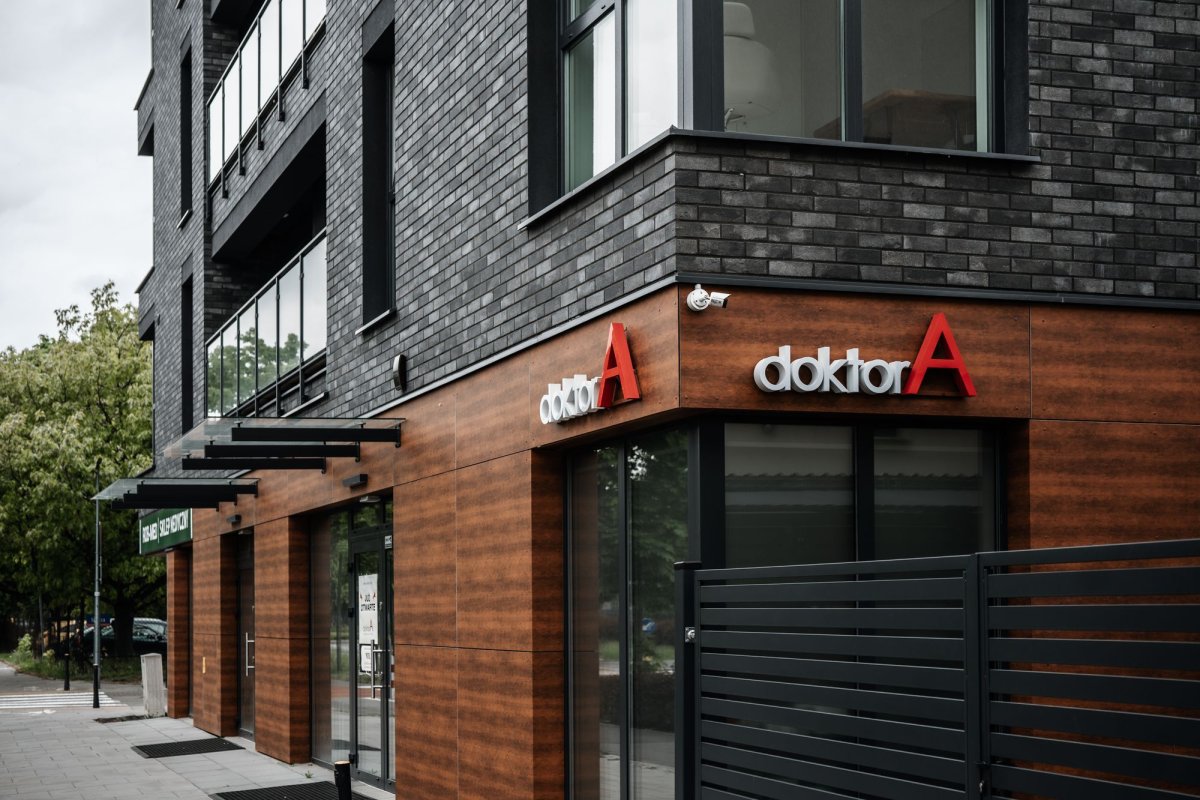
Centrum Medyczne doktorA
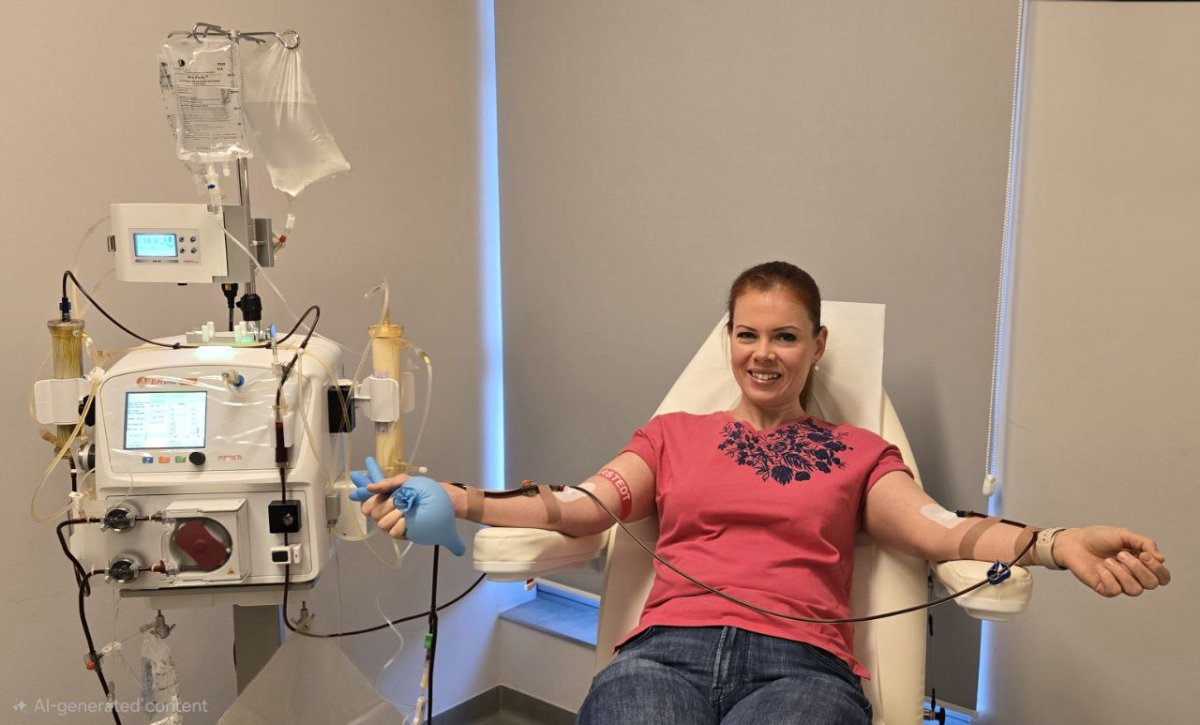
DNTRIPLED Medical Services Centro De Aféresis Terapéutica

Hospital Universitario de Cracovia


Uzdrowisko Ustroń Health Resort
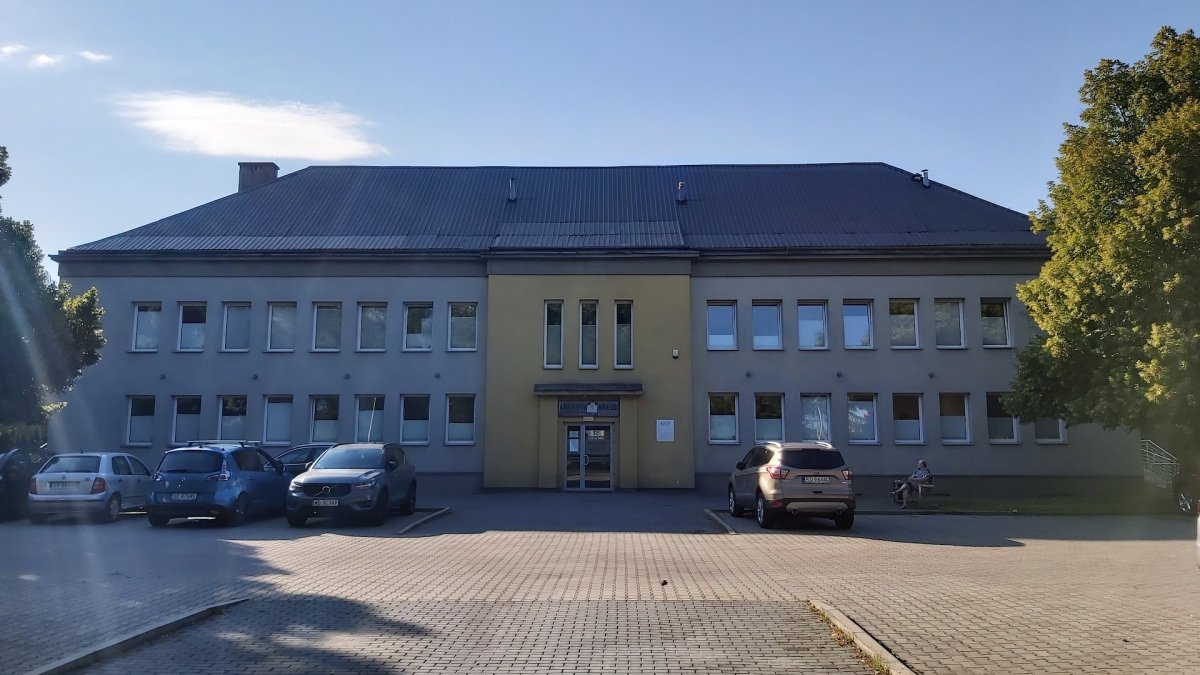
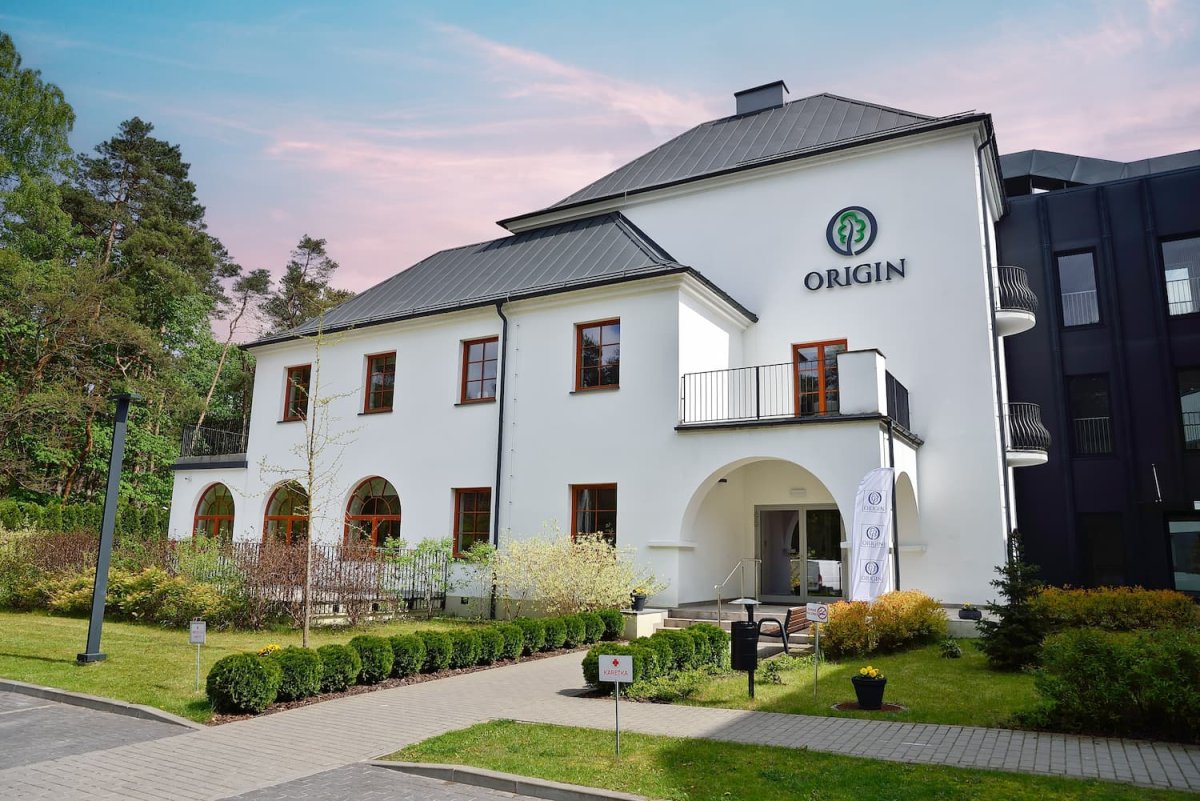
Origin Rehabilitation Center (Origin Polska)
Obtenga una evaluación médica para Rehabilitación de accidentes cerebrovasculares en Polonia: consulte con doctores experimentados ahora
Ver todos los médicos
Jose Iriarte
Karina Lebica

Marek Migdał
Stanisław Szlufik
Compartir contenido
Historias en video de pacientes de Bookimed
 Olena Sikoza
Preguntas frecuentes sobre el tratamiento de Rehabilitación de accidentes cerebrovasculares en Polonia
¿Qué equipo robótico avanzado está disponible en las clínicas polacas para la rehabilitación de accidentes cerebrovasculares?
Los centros de rehabilitación polacos utilizan entrenadores de marcha robóticos avanzados y exoesqueletos de brazo para estimular la neuroplasticidad. Las tecnologías clave incluyen el Lokomat Pro para la reeducación de la marcha y el Luna EMG para el soporte de las extremidades superiores impulsado por los músculos. Estos sistemas proporcionan la repetición de alta intensidad necesaria para la recuperación motora en instalaciones con certificación ISO.
- Reentrenamiento de la marcha: Los sistemas Lokomat ofrecen una práctica de pasos repetitivos estructurada para pacientes con hemiparesia.
- Recuperación de las extremidades superiores: Luna EMG utiliza electromiografía para asistir los movimientos en brazos o piernas paralizados.
- Estabilidad postural: Las plataformas estabilométricas proporcionan biorretroalimentación visual para mejorar el cambio de peso dinámico y el equilibrio.
- Exoesqueletos portátiles: Los trajes alimentados por batería permiten a los pacientes practicar estar de pie y caminar sobre el suelo de forma segura.
Perspectiva del experto de Bookimed: Aunque muchos buscan la última tecnología, el Hospital Universitario de Cracovia atiende a 455.000 pacientes al año. Este volumen masivo a menudo se correlaciona con una mayor precisión diagnóstica. Los centros de alto volumen suelen ofrecer ajustes más consistentes dirigidos po
¿Qué terapias neurológicas estándar se utilizan en la rehabilitación de accidentes cerebrovasculares en Polonia?
La rehabilitación de accidentes cerebrovasculares en Polonia utiliza métodos neurofisiológicos como NDT-Bobath y PNF para estimular la plasticidad cerebral. Los centros ofrecen atención multidisciplinaria que incluye logopedia, neuropsicología y terapia ocupacional. Los centros líderes integran robótica avanzada como Lokomat y exoesqueletos para acelerar la recuperación motora y mejorar los patrones de marcha.
- Métodos neurofisiológicos: Las técnicas PNF y NDT-Bobath estimulan las vías neuronales y regulan el tono muscular.
- Marcha asistida por robot: Los sistemas Lokomat y Re-step proporcionan un entrenamiento intensivo y repetitivo para la recuperación motora de las extremidades inferiores.
- Entrenamiento funcional diario: La terapia ocupacional se centra en reaprender tareas esenciales como vestirse, lavarse y comer.
- Neuroadyuvantes avanzados: Las clínicas utilizan terapia de espejo y estimulación eléctrica funcional para activar la neuroplasticidad de la corteza motora.
Perspectiva del experto de Bookimed: El panorama de la rehabilitación en Polonia muestra una gran concentración de atención especializada en Ustroń. Tanto American Heart of Poland como Uzdrowisko Ustroń operan allí. Más de 500 médicos trabajan dentro de esta red. Esta alta densidad de especialistas permite transiciones fluidas entre la atención cardiovascular y la rehab
¿Qué estándares de seguridad y calidad siguen las clínicas de rehabilitación de accidentes cerebrovasculares en Polonia?
Las clínicas de rehabilitación de accidentes cerebrovasculares (ACV) en Polonia cumplen con los mandatos del Fondo Nacional de Salud (NFZ) y las normas internacionales ISO. Las instalaciones operan bajo estrictos niveles estructurales. Deben integrar equipos multidisciplinarios dirigidos por neurólogos certificados. Los centros de alto nivel también siguen los puntos de referencia de calidad de la European Stroke Organisation (ESO) para la seguridad y los resultados de recuperación medibles.
- Intensidad de la terapia: Los centros exigen 60 minutos de fisioterapia diaria y 30 minutos de rehabilitación cognitiva.
- Equipamiento especializado: Las clínicas utilizan robótica avanzada como Lokomat, el exoesqueleto Rewalk y el sistema Re-step.
- Exámenes obligatorios: Los protocolos requieren un examen inmediato de disfagia y depresión para prevenir la aspiración y la fatiga.
- Monitoreo del éxito: Los resultados se rastrean utilizando el Índice de Barthel y el Registro de Calidad de Atención de Accidentes Cerebrovasculares.
Perspectiva del experto de Bookimed: Los datos de la red American Heart of Poland muestran una tasa de excelencia del 99,7% en los resultados de recuperación de ACV. Esto sugiere que elegir redes especializadas en lugar de hospitales multidisciplinarios generales a menudo proporciona una neurorrehabilitación más enfocada. Mientr
¿Está la atención del habla y cognitiva integrada con la rehabilitación física tras un ictus en Polonia?
La atención del habla y cognitiva está estructuralmente integrada con la rehabilitación física tras un ictus en Polonia bajo las directrices clínicas nacionales. Los programas de hospitalización deben proporcionar un enfoque multidisciplinario. Esto incluye sesiones diarias obligatorias de fisioterapia, logopedia para el habla y rehabilitación cognitiva para abordar la memoria y la atención.
- Terapia diaria: Los pacientes reciben al menos 60 minutos de kinesioterapia individualizada cada día.
- Integración del habla: La atención estándar requiere 30 minutos de logopedia 5 días a la semana.
- Apoyo cognitivo: Los neuropsicólogos proporcionan 30 minutos de entrenamiento cognitivo 5 días a la semana.
- Tecnología especializada: Los centros utilizan herramientas avanzadas como Lokomat y exoesqueletos para la neurorrehabilitación.
Perspectiva del experto de Bookimed: Aunque los paquetes básicos se centran en el movimiento, los paquetes de rehabilitación integral en Polonia ofrecen un mejor valor. Los programas de hospitalización como los de American Heart of Poland integran equipos multidisciplinarios. Estos hospitales mantienen una tasa de éxito del 99,7 %. Elegir un paquete completo garantiza que los servicios del habla y cognitivos estén integrados desde el primer día.
Consenso de los pacientes: Las familias señalan que l
¿Qué ciudades sirven como centros principales para pacientes internacionales de rehabilitación de accidentes cerebrovasculares en Polonia?
Cracovia, Jelenia Góra, Ustron, Rzeszów y Varsovia sirven como centros principales para la rehabilitación internacional de accidentes cerebrovasculares en Polonia. Estas ciudades albergan instalaciones con certificaciones JCI o ISO. Utilizan equipos especializados como entrenadores de marcha robóticos Lokomat y sistemas de exoesqueleto para una recuperación neurológica intensiva.
- Centro de Cracovia: El Hospital Universitario de Cracovia atiende a 455.000 pacientes al año con una infraestructura neurológica avanzada.
- Jelenia Góra: La Clínica KCM gestiona 700 pacientes internacionales al año utilizando protocolos de terapia intensiva acreditados por ISO.
- Centro de Ustron: El complejo de salud Uzdrowisko Ustron se centra en la recuperación neurológica y cardiovascular en entornos de spa médico.
- Área de Varsovia/Otwock: Estas ubicaciones centrales se especializan en intervenciones en etapas tempranas utilizando ortesis de marcha robóticas y exoesqueletos.
Perspectiva de expertos de Bookimed: Si bien los grandes centros como el Hospital Universitario de Cracovia manejan volúmenes masivos de pacientes, Jelenia Góra atrae a una mayor densidad de viajeros europeos. La Clínica KCM atiende específicamente a pacientes del Reino Unido, Alemania y España. Esto indica una infraestructura altamente desarrollada para la logística internacional fuera de
¿Los centros de rehabilitación polacos aceptan pacientes que no hablan polaco?
Los centros de rehabilitación privados polacos aceptan activamente a pacientes que no hablan polaco a través de departamentos internacionales dedicados y personal médico de habla inglesa. Las instalaciones orientadas al turismo médico ofrecen coordinadores multilingües. Estos expertos gestionan la documentación médica y la traducción. Los centros públicos a menudo enfrentan barreras idiomáticas y pueden requerir un traductor personal.
- Habilidades lingüísticas del personal: Los especialistas privados a menudo se forman en Europa Occidental o EE. UU.
- Coordinación internacional: Centros como la Clínica KCM atienden a más de 700 pacientes internacionales al año.
- Apoyo integral: Los centros líderes incluyen traslados al aeropuerto y revisiones médicas en inglés.
- Especialización neurológica: Las clínicas utilizan tecnología avanzada como Lokomat para fisioterapia no verbal.
Opinión de expertos de Bookimed: Los niveles de apoyo lingüístico varían significativamente entre los hospitales multidisciplinarios generales y las redes especializadas. Por ejemplo, American Heart of Poland opera la red cardiovascular privada más grande de Europa con una tasa de éxito del 99,7 %. Estos centros de alto volumen suelen mantener una cobertura de habla inglesa más constante en los equipos de enfermería y terapia en comparación con las villas de rehabilitación
¿Existe transporte especializado para pacientes con ictus inmóviles o discapacitados que llegan a Polonia?
En Polonia existe transporte especializado para pacientes con ictus que no pueden moverse. Las opciones van desde ambulancias de cuidados intensivos de tipo S con médicos hasta traslados de cama a cama. Los principales aeropuertos ofrecen asistencia gratuita para pasajeros con movilidad reducida. Las furgonetas adaptadas, reservadas con antelación y equipadas con elevadores hidráulicos, gestionan las llegadas en silla de ruedas en todas las ciudades principales.
- Ambulancias médicas: Las unidades de tipo S incluyen médicos y tecnología de soporte vital como ventiladores.
- Servicio de cama a cama: Las empresas proporcionan personal especializado para transportar a los pacientes por escaleras y edificios.
- Furgonetas adaptadas: Los vehículos utilizan elevadores hidráulicos y sistemas de anclaje al suelo para un transporte seguro en silla de ruedas.
- Asistencia aeroportuaria: Solicite el servicio WCHC 48 horas antes de la llegada para obtener asistencia de desembarque con ambi-lift.
Perspectiva del experto de Bookimed: Polonia es un destino de alto nivel para la logística médica. El Hospital Universitario de Cracovia atiende a 455.000 pacientes al año. Este gran volumen respalda redes de transporte especializadas en los principales centros. Al elegir una clínica como Uzdrowisko Ustron, verifique la distancia desde los aeropuertos principales.
¿Qué tan alta es la calidad de la neurocirugía en Polonia?
La neurocirugía en Polonia ofrece atención de alta calidad en centros con certificación JCI e ISO. Los neurocirujanos polacos se adhieren a estrictos estándares de formación adoptados por la Unión Europea. Muchos han completado becas en Estados Unidos o Alemania. Tecnologías avanzadas, como CyberKnife, Gamma Knife y sistemas robóticos, están ampliamente disponibles en centros privados.
- Cualificaciones especializadas: Los médicos suelen ser miembros de la Asociación Europea de Sociedades de Neurocirugía.
- Tecnologías avanzadas: Las clínicas utilizan sistemas CyberKnife y ultrasonido enfocado guiado por resonancia magnética para el tratamiento cerebral no invasivo.
- Volumen clínico: Centros líderes como el Hospital Universitario de Cracovia tratan a más de 455.000 pacientes al año.
- Cirujanos experimentados: El Dr. Maciej Bujko del Hospital Carolina ha realizado más de 2.500 cirugías por su cuenta.
Opinión experta de Bookimed: Los datos muestran una fuerte correlación entre la especialización de una clínica y el origen de sus pacientes. La Clínica KCM atiende a más de 700 pacientes internacionales al año. Se especializa en cirugía de columna mínimamente invasiva. Este volumen de trabajo le permite ofrecer paquetes de servicios especializados, que a menudo incluyen bloques de diagnóstico e implantes específicos, como el DIAM de Medtronic.
¿Cuáles son las cualificaciones de los neurocirujanos polacos?
Los neurocirujanos polacos son especialistas altamente cualificados que han completado al menos 13 años de rigurosa formación médica. Esto incluye seis años de estudios de medicina, 13 meses de prácticas y seis años de residencia. Deben aprobar el Examen Estatal de Especialización (PES) y suelen estar certificados por la Asociación Europea de Sociedades de Neurocirugía (EANS).
- Educación: Los médicos reciben educación médica (medicina) después de 6 años de estudio en la universidad.
- Especialización: La residencia incluye 6 años de formación modular en neurocirugía clínica y neurorradiología.
- Volumen quirúrgico: Los residentes a menudo realizan más de 1.000 cirugías, lo que excede el volumen de capacitación promedio en otras regiones.
- Certificados: Muchos especialistas son miembros de AO Spine o de la Sociedad Polaca de Cirugía de Columna.
Opinión experta de Bookimed: Los datos muestran que los neurocirujanos polacos suelen especializarse en tecnologías altamente especializadas, como el sistema ApiFix o el sistema de endoscopia lumbar SED-YESS. Especialistas como el Dr. Stanisław Kwek, de la Clínica KCM, combinan la investigación postdoctoral con una práctica quirúrgica activa. Esta combinación de profundos conocimientos académicos y un alto volumen quirúrgico los hace especialmente eficaces en cirugías de columna complejas y mínimamente in
¿Cuáles son las mejores clínicas neuroquirúrgicas en Polonia?
Entre las mejores clínicas neuroquirúrgicas de Polonia se encuentran el Hospital Carolina, la Clínica KCM y centros académicos de primer nivel como el Hospital Universitario de Cracovia. Estas instituciones ofrecen tratamientos de vanguardia para enfermedades de la columna vertebral y el cerebro que cumplen con los estándares de calidad ISO y emplean a especialistas miembros de organizaciones internacionales como AO Spine.
- Hospital Carolina: Centro Médico de Excelencia FIFA, especializado en cirugías de columna complejas y mínimamente invasivas.
- Clínica KCM: Reconocida internacionalmente por la calidad de sus procedimientos endoscópicos de columna, atendiendo a más de 700 pacientes internacionales anualmente.
- Hospital Universitario de Cracovia: un gran centro multidisciplinario que realiza más de 800 operaciones neuroquirúrgicas al año desde 1788.
- Luxmed: un reconocido centro médico privado en Varsovia especializado en cirugía de columna avanzada para pacientes internacionales.
Opinión experta de Bookimed: Si bien muchos buscan los hospitales más grandes, los datos muestran que clínicas como el Hospital Carolina ofrecen mayor eficiencia para cirugías electivas. Con más de 40 médicos especialistas en este centro de 30 camas, la proporción médico-paciente es significativamente mayor que en los centros universitarios públicos. Esto se traduc